Plizio Visual Lab
El Vizcaino
Weather…
Water temperature…
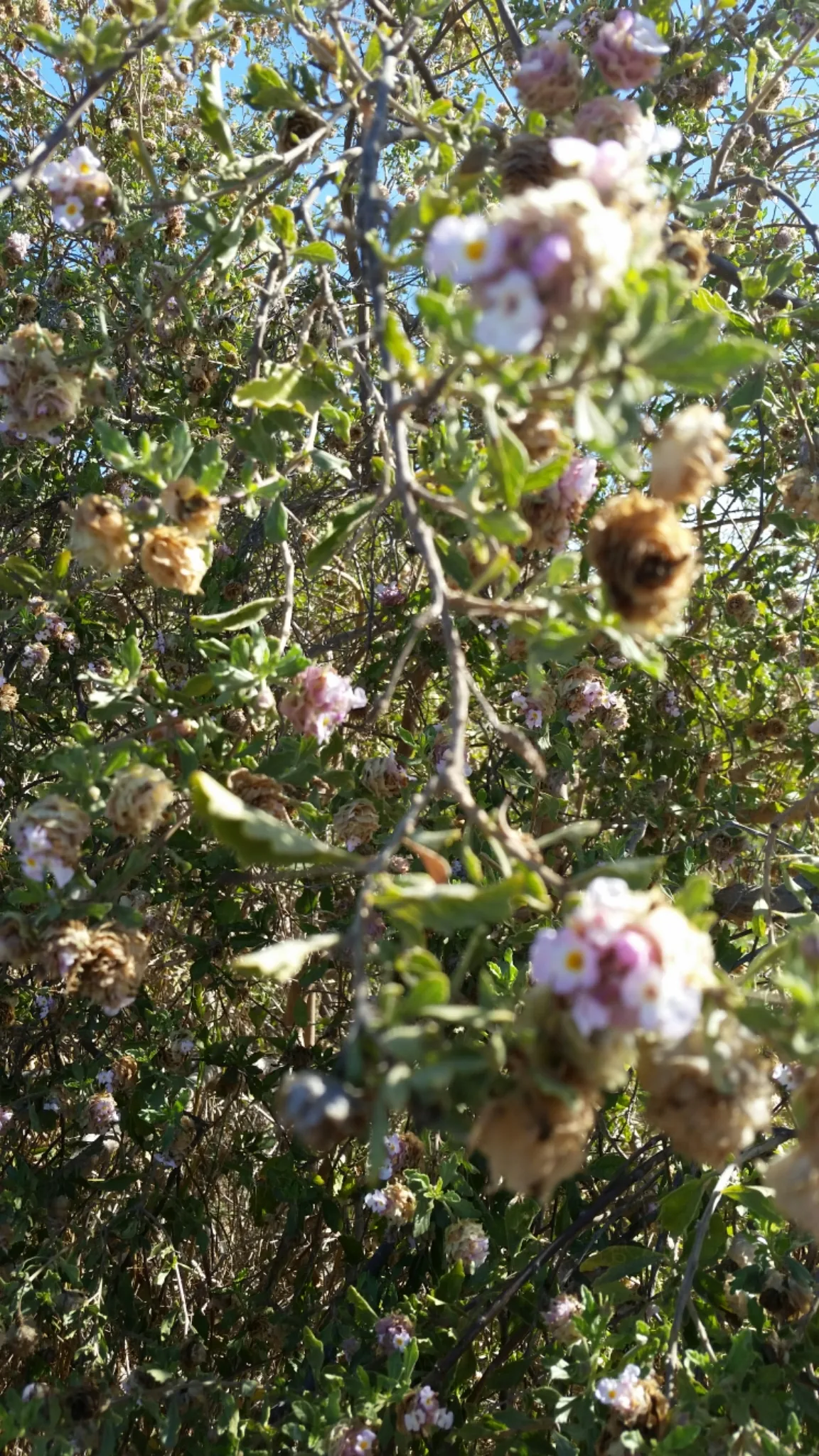
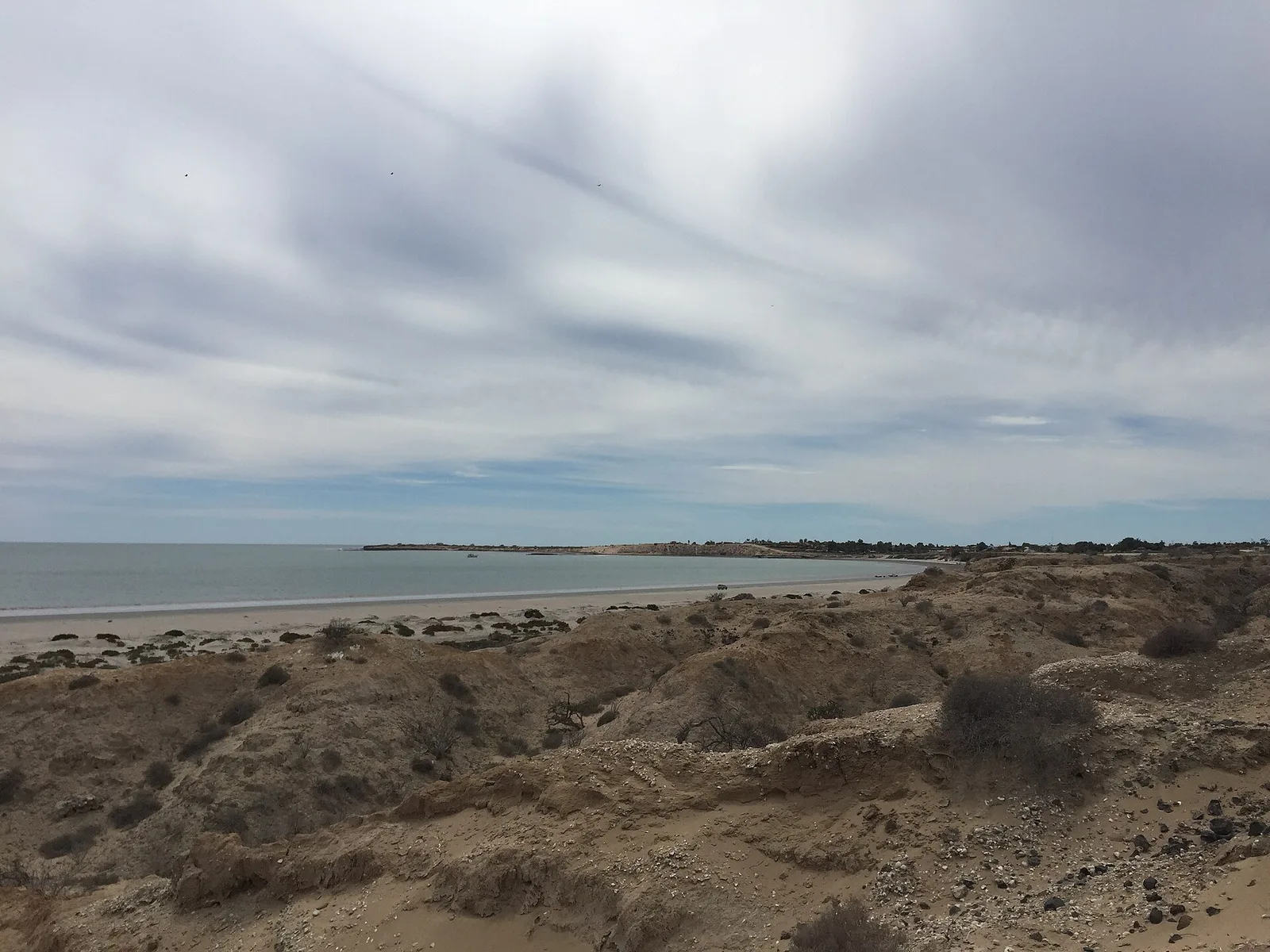
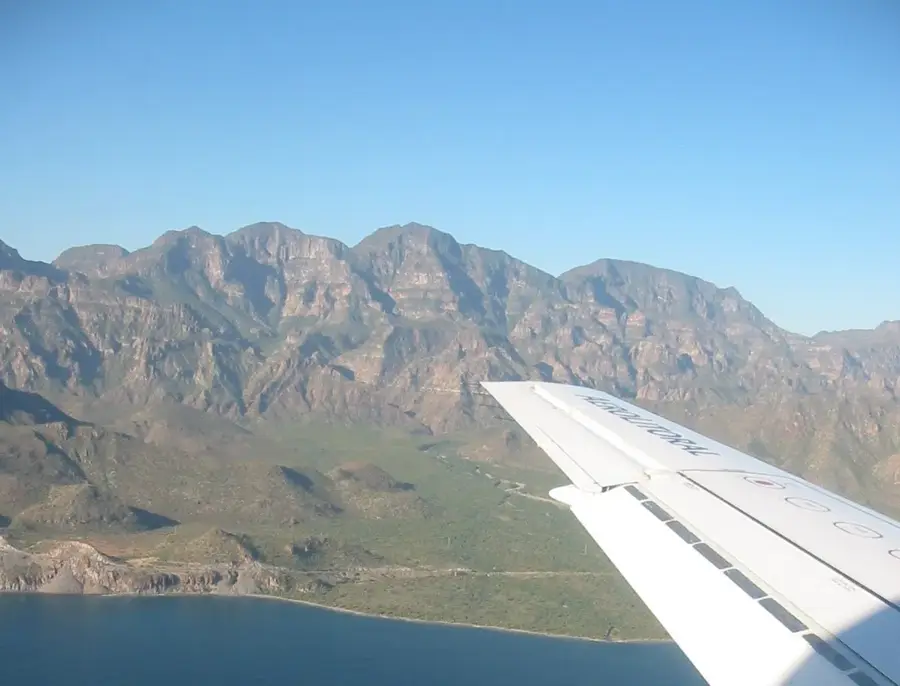
The El Vizcaíno Biosphere Reserve is a vast and varied protected area located in the central part of the Baja California Peninsula. Spanning from the Pacific Ocean to the Sea of Cortez, it encompasses sandy deserts, rugged mountains, and pristine coastal lagoons. The reserve is most famous for the Ojo de Liebre and San Ignacio lagoons, which serve as the primary calving grounds for the eastern North Pacific gray whale. Every winter, these gentle giants migrate thousands of miles to these shallow, protected waters to give birth and nurse their young. Beyond its marine significance, the reserve is home to the endangered Peninsular pronghorn and features remarkable ancient rock paintings in the Sierra de San Francisco. The stark, arid beauty of the landscape and its unique endemic flora, such as the giant cardon cactus, make it a place of profound scientific and aesthetic value. It is one of the largest and most ecologically significant reserves in all of Latin America.
Explore on the map
How well do you know Mexico?
Find cities, landscapes and regions in 10 varied challenges on the interactive map.
Your journey, your memory
A postcard from El Vizcaino
Turn your own photo into a personal postcard with a local stamp. Free and no sign-up required.
Create a postcardBest time to visit & climate
The most pleasant time to visit is Apr, May, Nov.
| Jan | Feb | Mar | Apr | May | Jun | Jul | Aug | Sep | Oct | Nov | Dec | |
|---|---|---|---|---|---|---|---|---|---|---|---|---|
| Avg °C | 16 | 16 | 18 | 19 | 21 | 24 | 28 | 29 | 28 | 24 | 20 | 16 |
| Rain mm | 8 | 9 | 7 | 1 | 0 | 5 | 2 | 7 | 21 | 9 | 7 | 8 |
📋 Practical info
Geography
Facts
- At over 2.5 million hectares, it is the largest protected area in Mexico.
- The reserve was designated a UNESCO World Heritage site in 1993, specifically for its whale sanctuaries.
- The Sierra de San Francisco within the reserve contains some of the most important prehistoric rock art in the world.
- The Peninsular pronghorn found here is one of the fastest land animals in the Western Hemisphere.
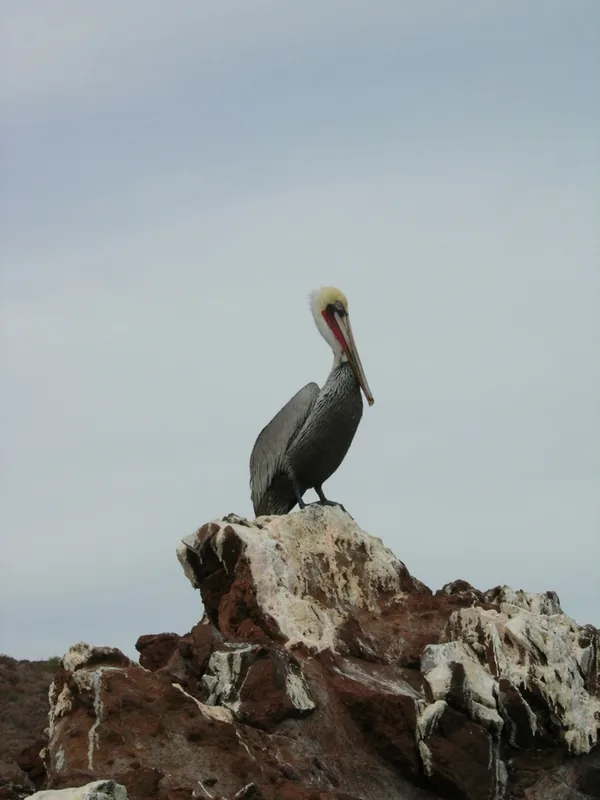
- The reserve's lagoons are also a critical wintering site for thousands of migratory waterfowl and shorebirds.
Route planner — Car & Motorhome
Where do you start? We build the route here, with stops and country notes along the way.
© OpenStreetMap contributors · OpenRouteService
Sights nearby
Frequently asked questions
When can whales be seen in El Vizcaino?
Are boat trips available?
Is the climate pleasant there?
Is binoculars needed?
Are there accommodations on-site?
El Vizcaino: where is it located?
El Vizcaino: when is the best time to visit?
El Vizcaino: why is it worth visiting?

Nearby cities