Plizio Visual Lab
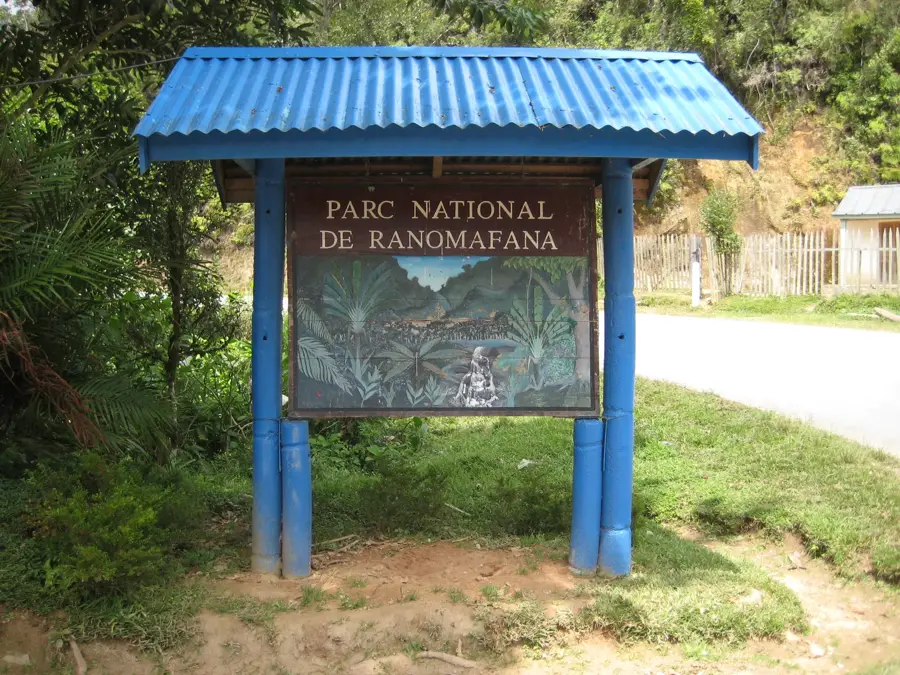
Ranomafana National Park
Weather…
Water temperature…
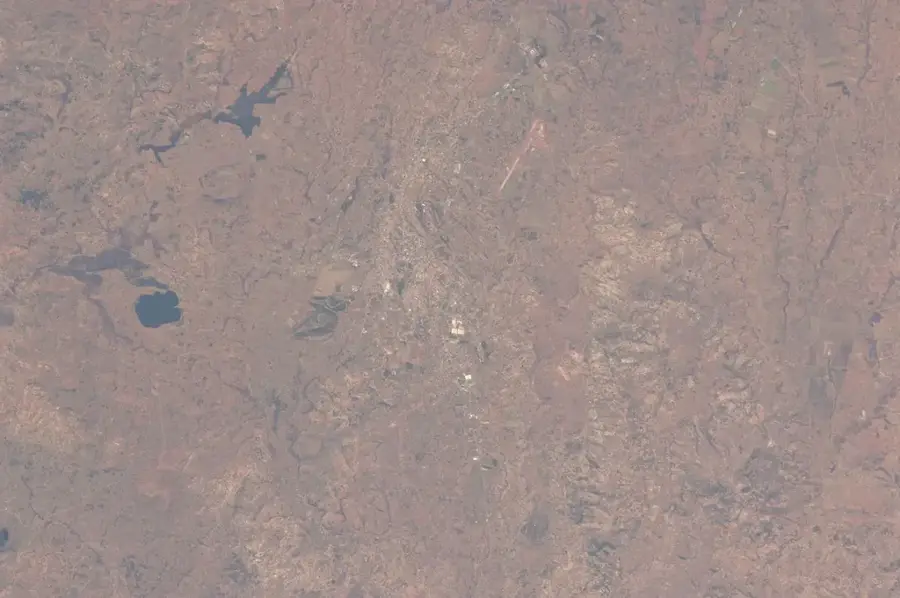
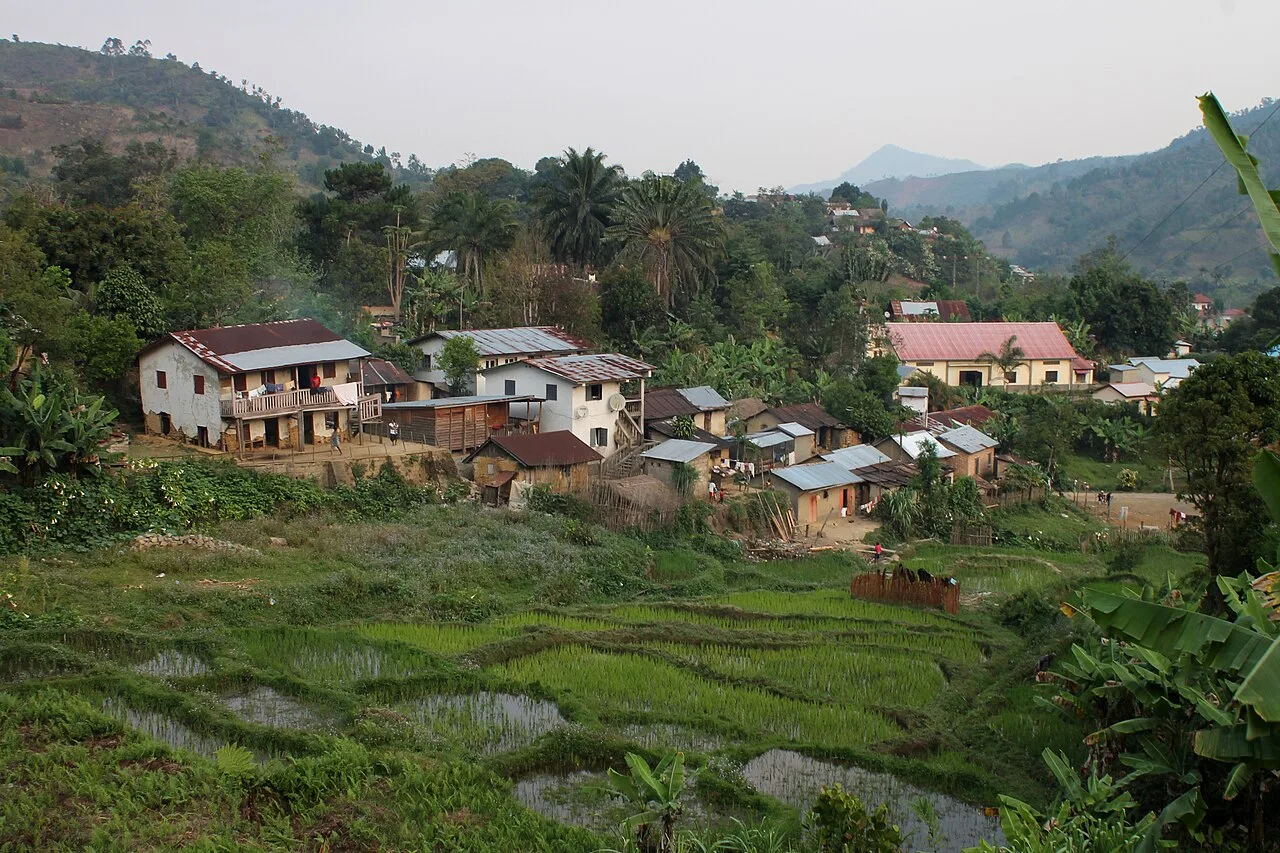
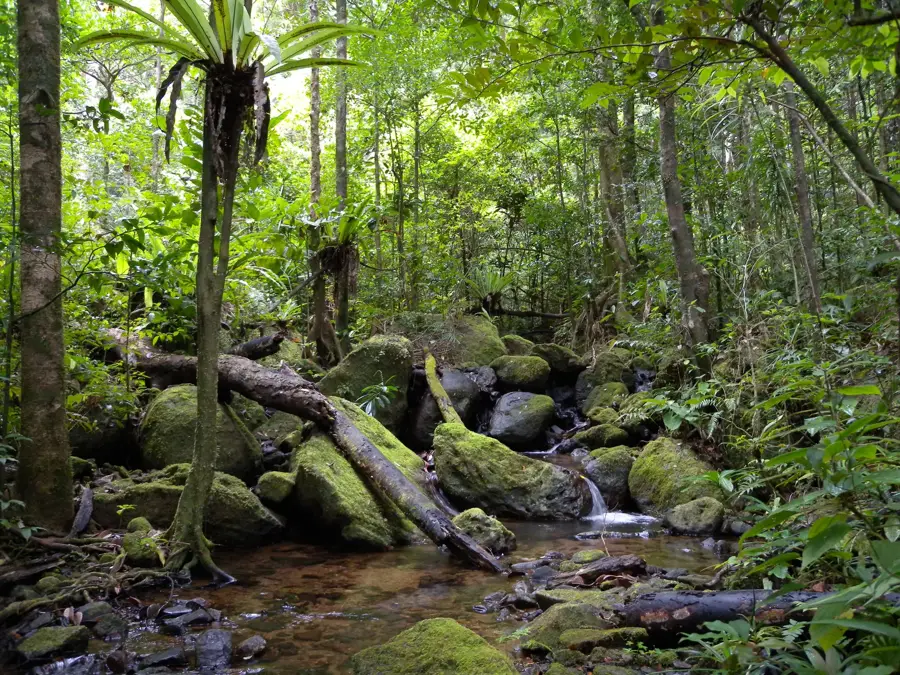
Ranomafana National Park in southeastern Madagascar is a prime example of the biodiversity richness found in the island's tropical rainforests and is a UNESCO World Heritage site. It was established in 1991 following Patricia Wright's 1986 discovery of the Golden Bamboo Lemur, a species previously unknown to science. The park spans 416 square kilometers of hilly terrain, characterized by dense forests, bubbling streams, and impressive waterfalls. Ranomafana is home to twelve species of lemurs, including the rare Greater Bamboo Lemur and Milne-Edwards' sifaka. The humid conditions foster an enormous variety of epiphytes, orchids, and ferns, turning the forest into a green paradise. Scientific research is at the heart of the park, supported by the Centre ValBio research station, which attracts international experts. For visitors, the hot springs after which the park is named (Ranomafana means 'hot water') offer relaxation after hiking through the challenging terrain. The protection of this ecosystem is critical for the survival of rare amphibians and endemic bird species.
Explore on the map
How well do you know Madagascar?
Find cities, landscapes and regions in 10 varied challenges on the interactive map.
Your journey, your memory
A postcard from Ranomafana National Park
Turn your own photo into a personal postcard with a local stamp. Free and no sign-up required.
Create a postcard- Location: Madagascar
- Nearby: Ambohimahasoa (37 km)
Best time to visit & climate
The most pleasant time to visit is Aug–Oct.
| Jan | Feb | Mar | Apr | May | Jun | Jul | Aug | Sep | Oct | Nov | Dec | |
|---|---|---|---|---|---|---|---|---|---|---|---|---|
| Avg °C | 22 | 21 | 21 | 20 | 18 | 16 | 15 | 15 | 17 | 19 | 21 | 22 |
| Rain mm | 456 | 365 | 332 | 152 | 103 | 98 | 92 | 49 | 49 | 105 | 215 | 326 |
📋 Practical info
Geography
Facts
- The park was established in 1991 to protect the Golden Bamboo Lemur.
- It covers an area of approximately 41,600 hectares of tropical rainforest.
- Twelve different species of lemurs live within the park boundaries.
- The name Ranomafana translates to 'hot water' in the local language.
- The park is part of the UNESCO World Heritage 'Rainforests of the Atsinanana'.
- More than 115 bird species have been spotted in Ranomafana National Park.
Explore nearby
Notable places around

Route planner — Car & Motorhome
Where do you start? We build the route here, with stops and country notes along the way.
© OpenStreetMap contributors · OpenRouteService
Sights nearby
Frequently asked questions
What is special about Ranomafana National Park?
Is it worth visiting the park in the rain?
Are there hiking trails in Ranomafana National Park?
What equipment do I need for the park?
What are the accommodations like in Ranomafana?
Ranomafana National Park: where is it located?
Ranomafana National Park: when is the best time to visit?
Ranomafana National Park: why is it worth visiting?

Nearby cities
History & landmarks


More places