Plizio Visual Lab
Curonian Spit
Weather…
Water temperature…
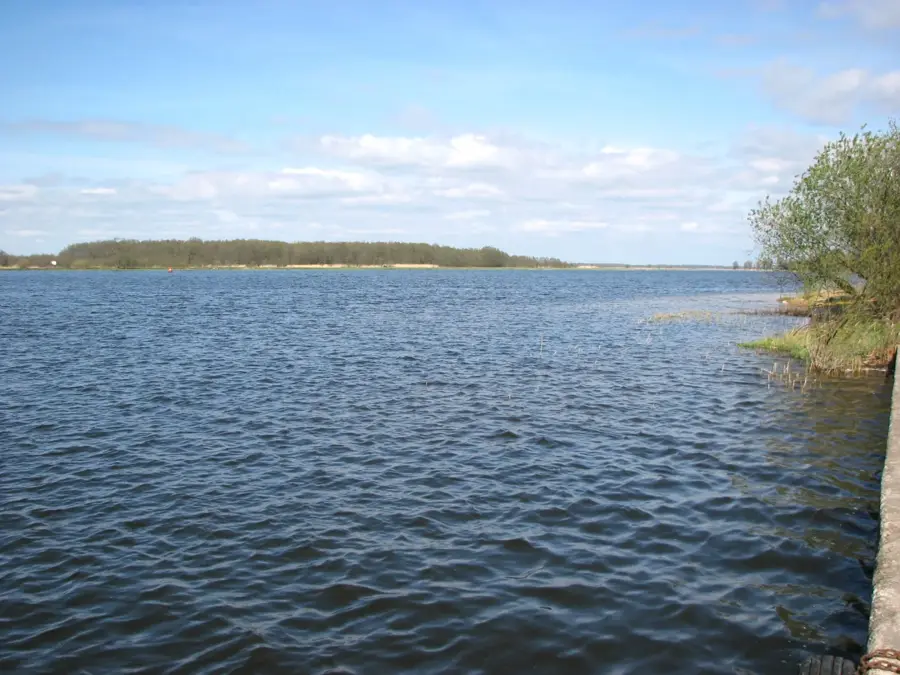
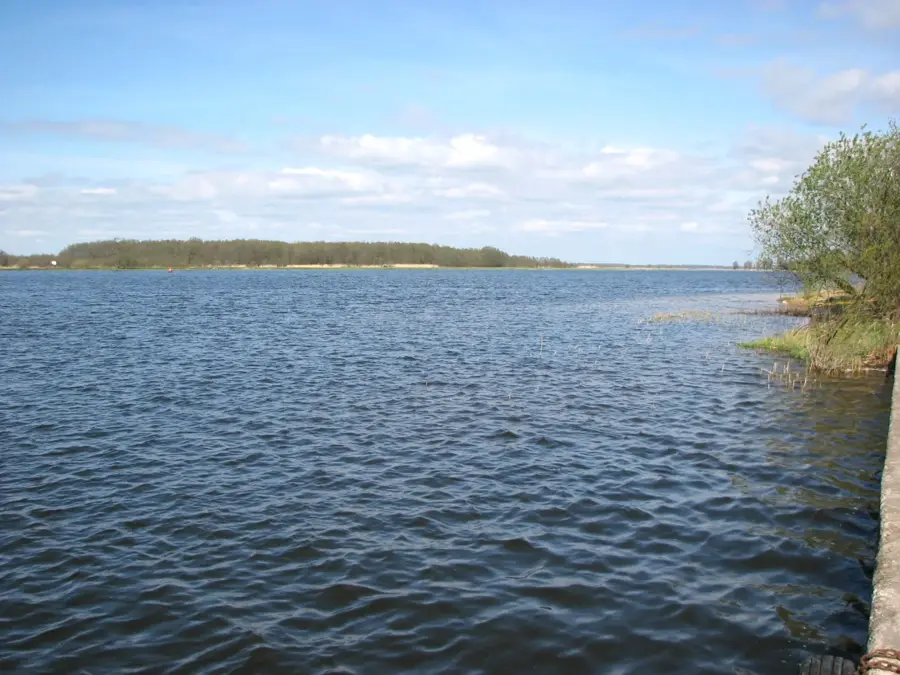
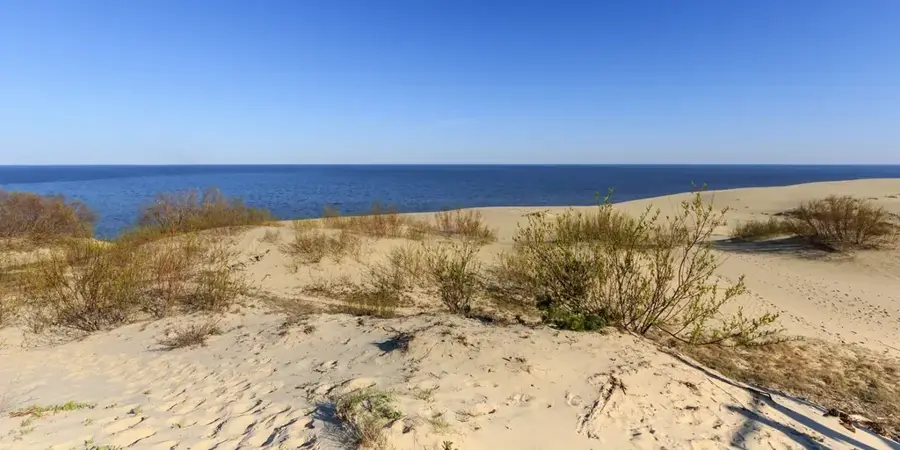
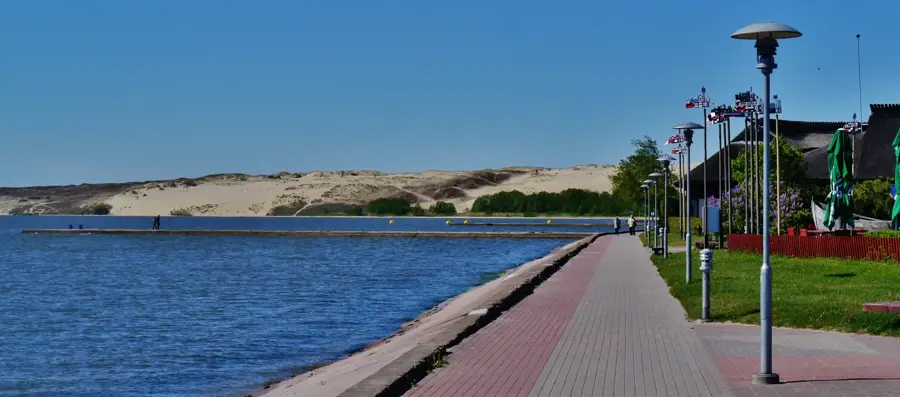
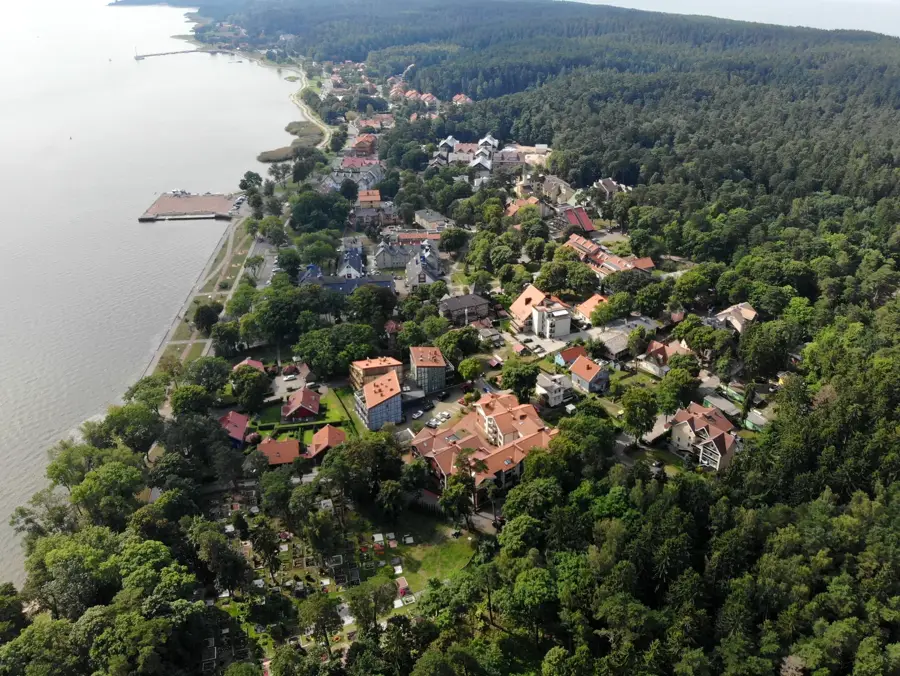
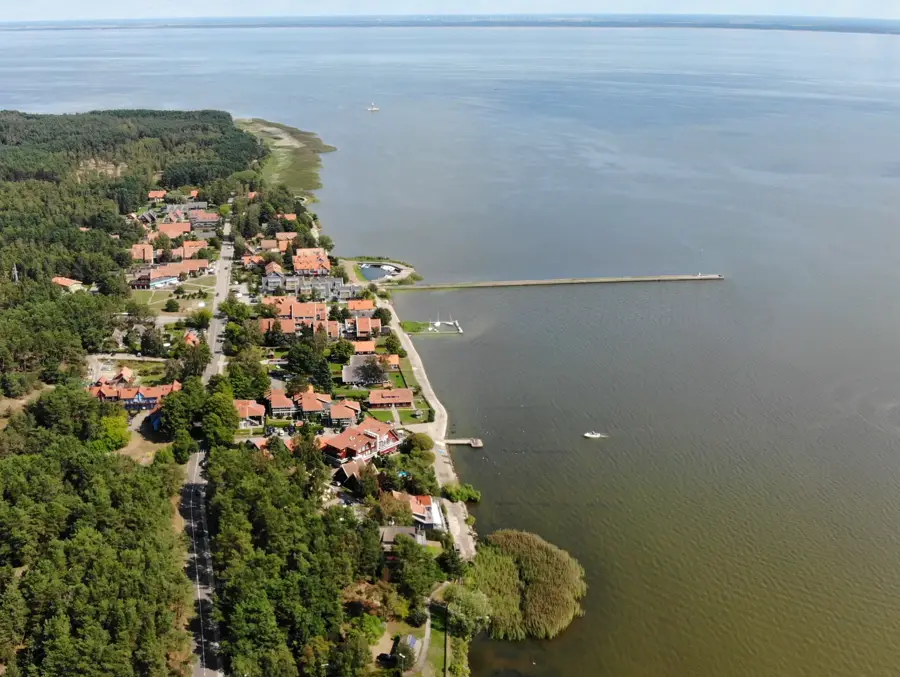
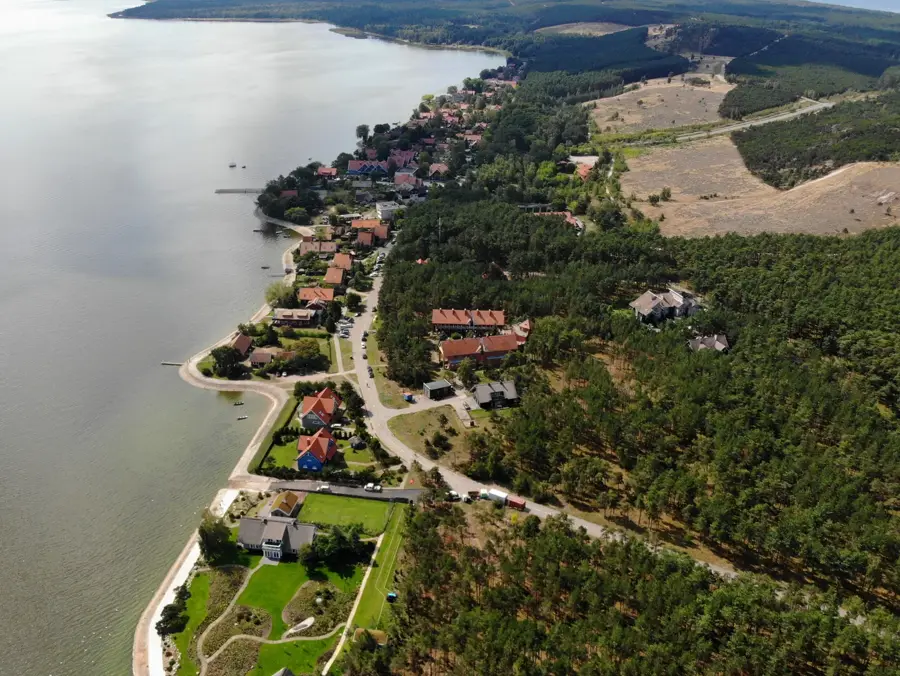
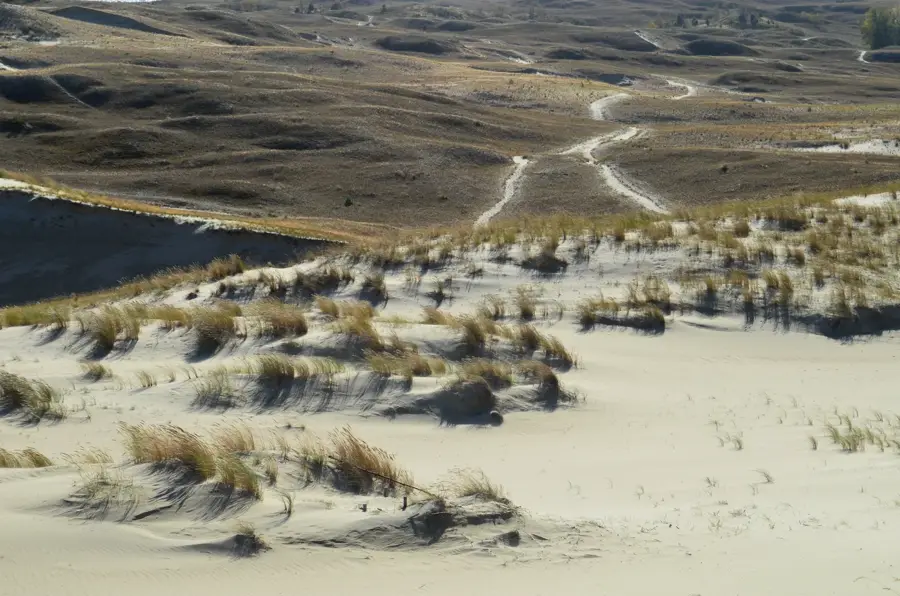
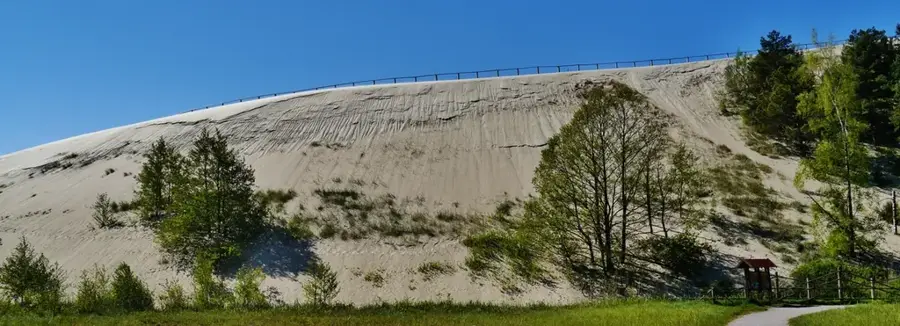
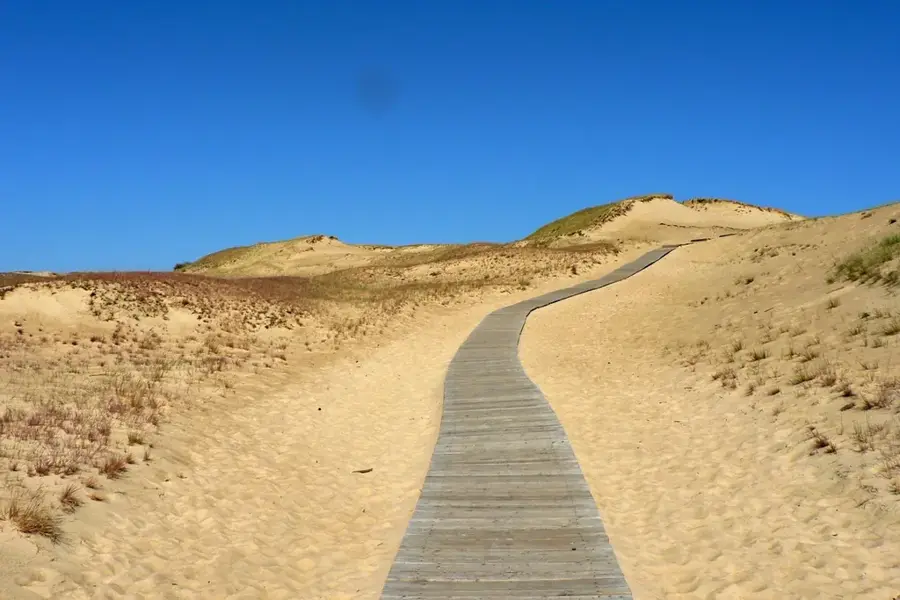
The Curonian Spit is a 98-kilometer-long, narrow sand dune peninsula that separates the Curonian Lagoon from the Baltic Sea and has been a UNESCO World Heritage site since 2000. Approximately 52 kilometers of the northern part belong to Lithuania, while the southern part is part of the Russian Kaliningrad Oblast. The landscape is characterized by some of the highest drifting sand dunes in Europe, such as the Parnidis Dune near Nida, which reaches heights of up to 60 meters. Historically, the spit was the site of a centuries-long struggle against sand encroachment, leading to the reforestation of large parts of the peninsula. The town of Nida is the tourist center on the Lithuanian side and was once a popular artists' colony where Thomas Mann owned a summer house. The spit is also a major corridor for autumn bird migration, researched at the Juodkrantė bird banding station. The unique symbiosis of untouched nature and traditional fishing villages makes the region one of the most valuable ecosystems in the Baltic area.
Explore on the map
How well do you know Lithuania?
Find cities, landscapes and regions in 10 varied challenges on the interactive map.
Your journey, your memory
A postcard from Curonian Spit
Turn your own photo into a personal postcard with a local stamp. Free and no sign-up required.
Create a postcard- Location: Lithuania, Lithuania
- Nearby: Neringa (8 km)
Best time to visit & climate
The most pleasant time to visit is Jun–Aug.
| Jan | Feb | Mar | Apr | May | Jun | Jul | Aug | Sep | Oct | Nov | Dec | |
|---|---|---|---|---|---|---|---|---|---|---|---|---|
| Avg °C | -2 | -2 | 1 | 6 | 11 | 15 | 18 | 18 | 14 | 9 | 5 | 1 |
| Rain mm | 72 | 50 | 48 | 38 | 49 | 67 | 85 | 84 | 71 | 86 | 83 | 77 |
📋 Practical info
Geography
Facts
- The Curonian Spit spans a total length of 98 kilometers.
- The northern 52-kilometer section belongs to Lithuania.
- UNESCO designated the spit a World Heritage site in 2000.
- The Parnidis Dune near Nida rises up to 60 meters high.
- Author Thomas Mann spent summers there between 1930 and 1932.
- Nagliai is a protected area known for its 'Dead Dunes'.
Explore nearby
Notable places around
Route planner — Car & Motorhome
Where do you start? We build the route here, with stops and country notes along the way.
© OpenStreetMap contributors · OpenRouteService
Sights in the town Curonian Spit (1)
Sights nearby
Frequently asked questions
How large are the wandering dunes?
Is the spit a UNESCO World Heritage site?
Is there a fee for drivers?
Which town is the center of the spit?
Can you find amber there?
Curonian Spit: where is it located?
Curonian Spit: when is the best time to visit?
Curonian Spit: why is it worth visiting?

Nearby cities

History & landmarks


Nature
More places