Plizio Visual Lab
Al Qatrun

ℹ️Practical info — Al Qatrun
▾
🌤 Weather — 5 days
📍 Nearby
Sights nearby
💡 Tips
- Travel here requires careful logistical planning and a reliable 4x4 vehicle.
- Always travel with a local guide who knows the desert routes and security situations.
- Carry ample supplies of water, fuel, and spare tires, as facilities are extremely limited.
- Daytime temperatures can be extreme; plan travel and outdoor activities for early morning.
- Respect local customs and keep a low profile in this remote border region.
🍽 Food
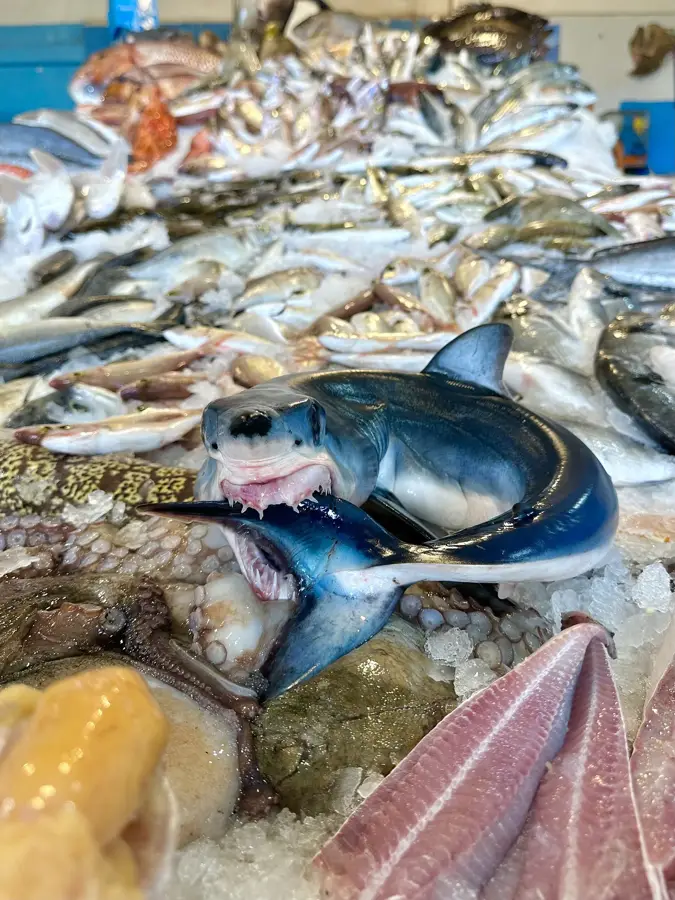
A traditional Libyan dough dish served with sauce, often prepared by locals for guests.
Experience the strong, sweet, frothy green tea traditionally brewed over a small fire.
Staples of the desert diet, offering great sustenance; ask locals if you wish to try some.
🛍 Shopping · 🧘 Quiet spots
You might occasionally find unique trade items passing through from sub-Saharan Africa in the small local shops.
Shopping here is mostly about stocking up on essential survival supplies for the desert journey.
Find a shaded spot under the palm trees for a brief respite from the intense desert sun.
Walk slightly out of the settlement to watch the colors change over the vast dunes as the sun sets.
Water temperature…
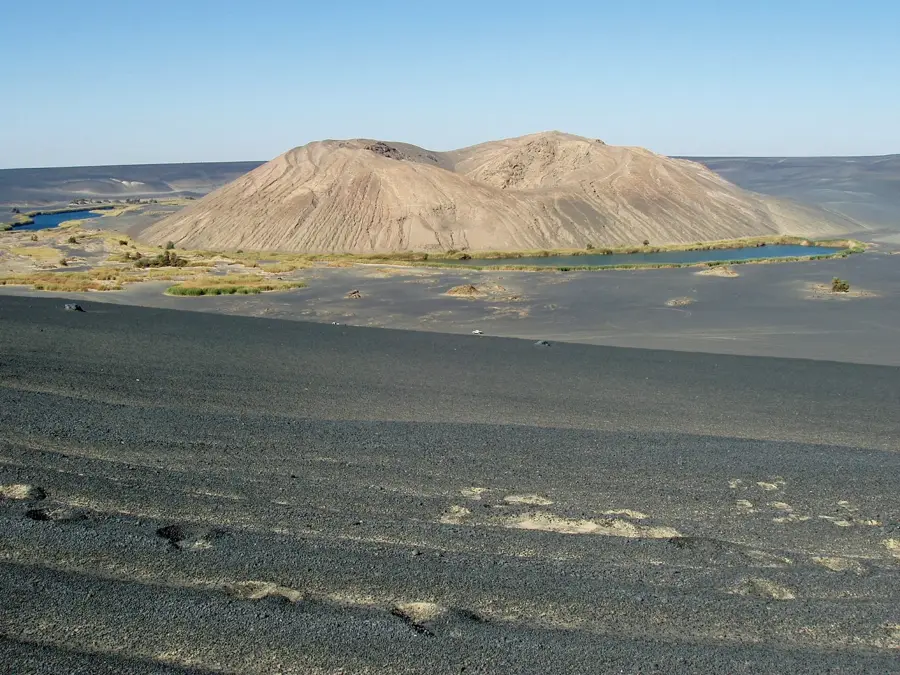
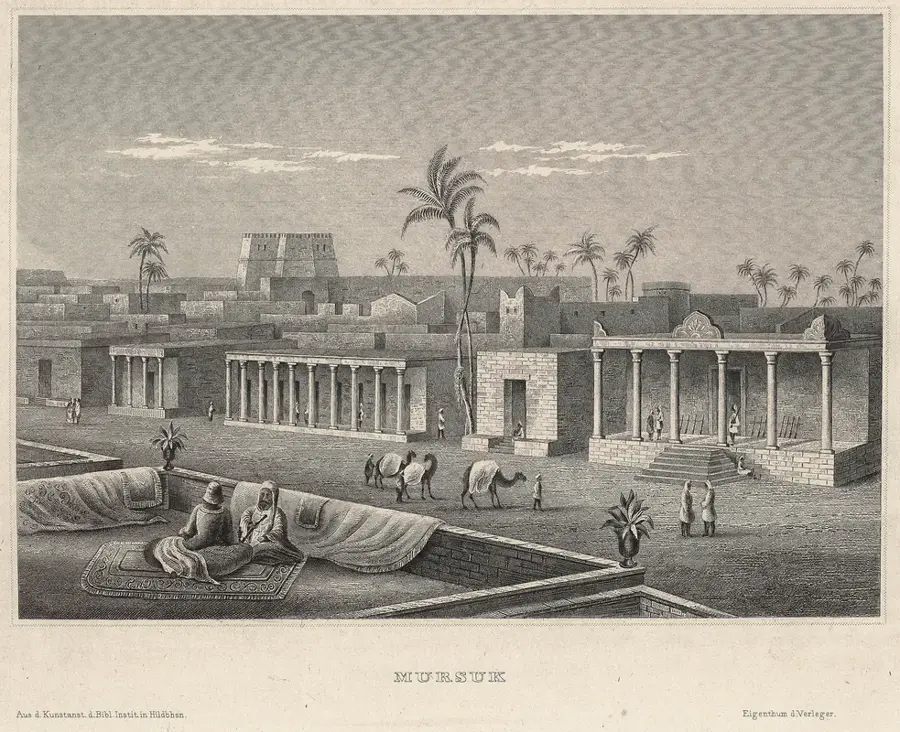
Al Qatrun is a remote but strategically crucial city in the extreme south of Libya, near the borders with Niger and Chad. It serves as the country's southernmost gateway and is an essential hub for cross-border trade and migration movements in the Central Sahara. Geographically, Al Qatrun is located in an extremely arid zone characterized by vast sandy plains and scattered oases. The city is a center for the Tebu people, whose culture and traditions significantly shape social life. Historically, Al Qatrun was a vital base for caravans venturing onto the dangerous route through the Tenere Desert. In modern times, the city has gained importance as an administrative outpost and security hub monitoring the vast desert borders. The local economy is based on trade, transport, and small-scale oasis agriculture maintained despite harsh conditions. Al Qatrun is often the last major supply point for travelers before crossing the vast, uninhabited areas toward the south. The city symbolizes the resilience of Saharan inhabitants and the significance of outposts in the remotest corners of the African continent.
Explore on the map
How well do you know Libya?
Find cities, landscapes and regions in 10 varied challenges on the interactive map.
Your journey, your memory
A postcard from Al Qatrun
Turn your own photo into a personal postcard with a local stamp. Free and no sign-up required.
Create a postcard- Location: Libya
- Population: ~7.243 (2023)
Best time to visit & climate
The most pleasant time to visit is Mar, Apr, Nov.
| Jan | Feb | Mar | Apr | May | Jun | Jul | Aug | Sep | Oct | Nov | Dec | |
|---|---|---|---|---|---|---|---|---|---|---|---|---|
| Avg °C | 10 | 13 | 18 | 24 | 29 | 31 | 32 | 32 | 30 | 24 | 18 | 12 |
| Rain mm | 2 | 3 | 0 | 1 | 3 | 5 | 0 | 0 | 2 | 3 | 0 | 0 |
Geography
Facts
- Al Qatrun is located approximately 250 kilometers southeast of Murzuq.
- The city is the main settlement of the Tebu people in southern Libya.
- It is the last Libyan settlement on the main road leading to Niger.
- Strategically important military bases are located nearby.
- The climate is characterized by extremely low rainfall and high daytime temperatures.
- Al Qatrun serves as a key checkpoint for goods traffic to Sub-Saharan Africa.
Route planner — Car & Motorhome
Where do you start? We build the route here, with stops and country notes along the way.
© OpenStreetMap contributors · OpenRouteService
Frequently asked questions
What is the climate like in Al-Qatrun?
What is the city's role in the region?
Are there tourist accommodations there?
How can one reach Al-Qatrun?
What clothing is recommended?
Al Qatrun: where is it located?
Al Qatrun: when is the best time to visit?
Al Qatrun: why is it worth visiting?
Nearby cities
History & landmarks