Plizio Visual Lab
Byblos Coast
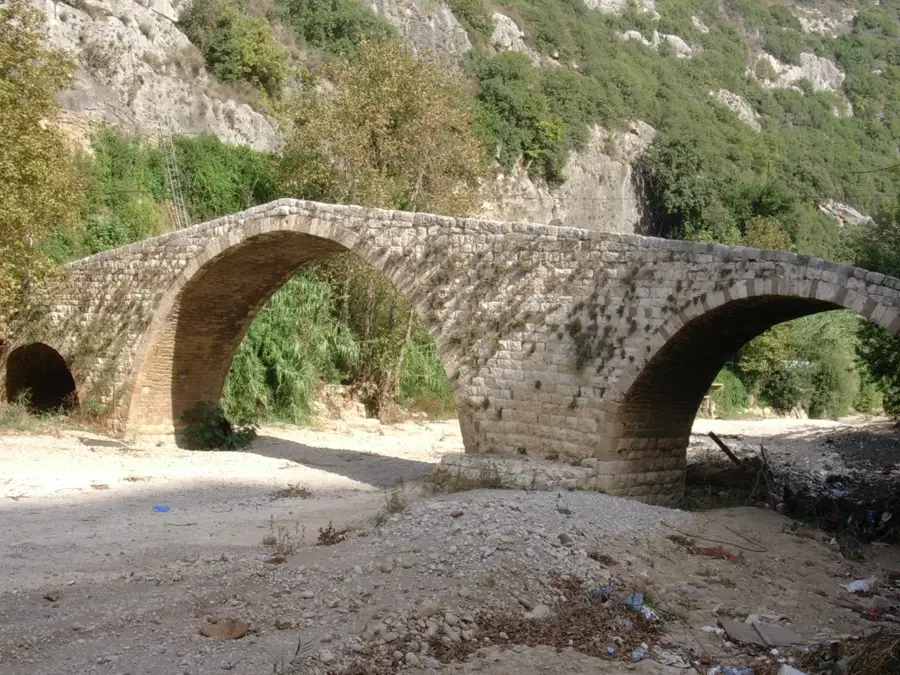
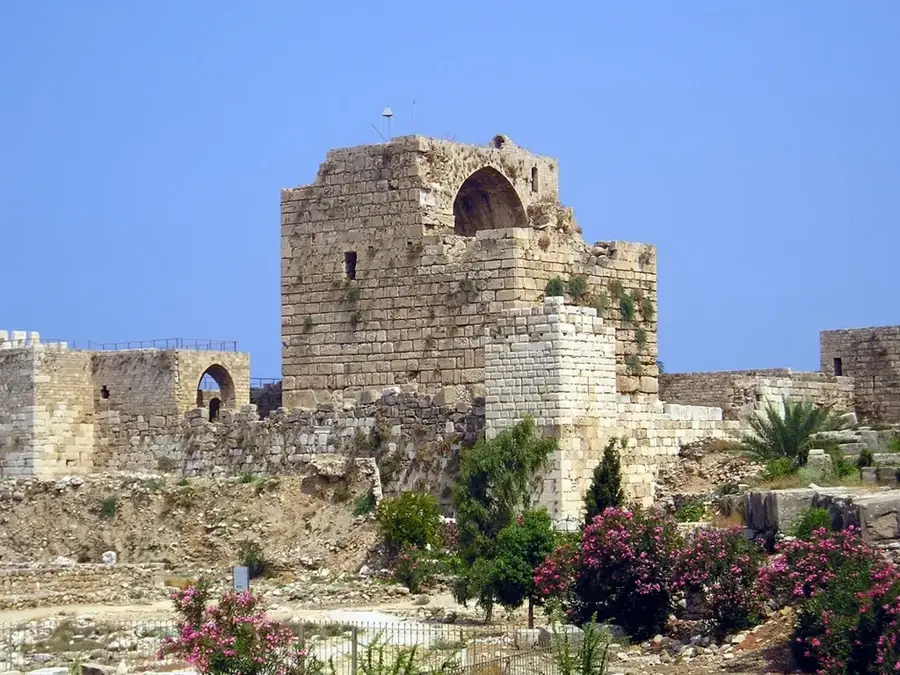
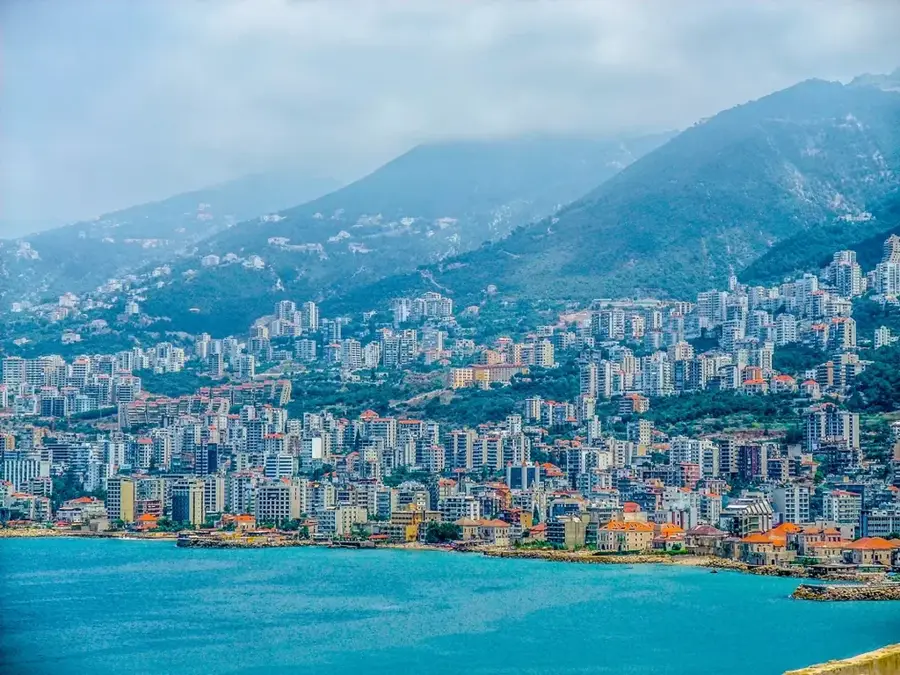
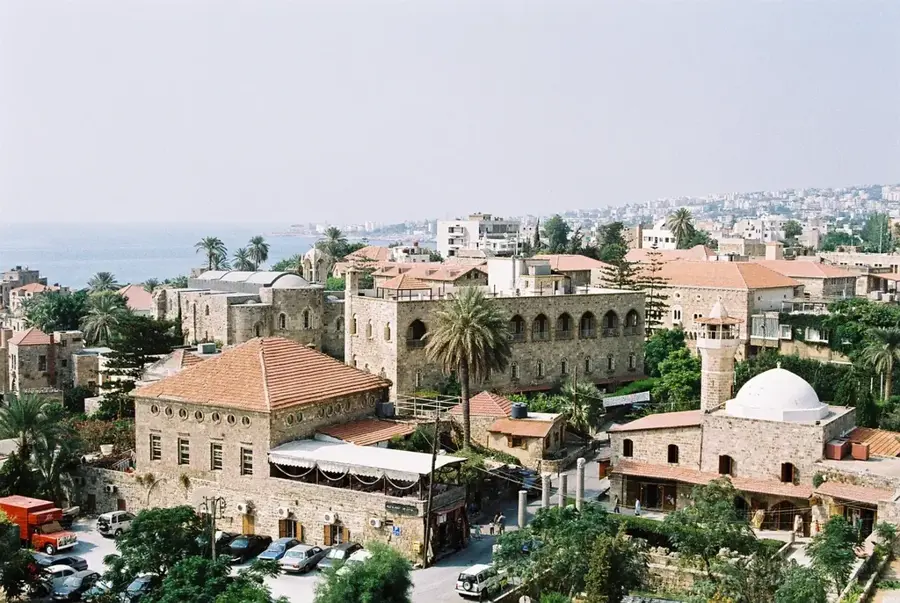
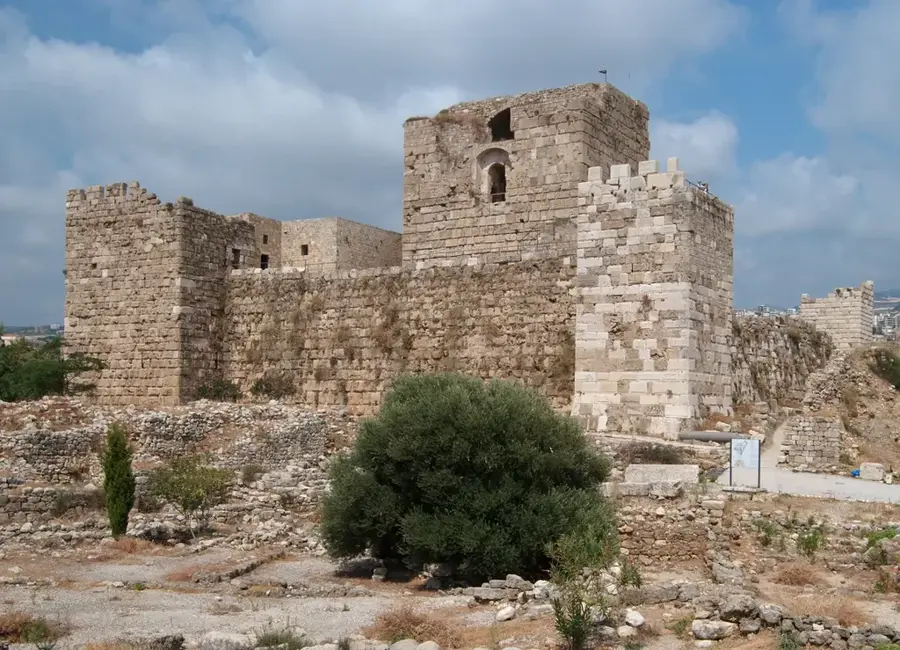
The Byblos Coast, also known as Jbeil, is one of the most historically rich locations in the Mediterranean, recognized as one of the oldest continuously inhabited cities in the world. With a heritage spanning over 7,000 years, this Phoenician-founded settlement is today a UNESCO World Heritage site. Geologically, the coast is characterized by limestone terraces and a natural harbor that made Byblos a hub for ancient global trade, particularly for exporting cedar wood to Dynastic Egypt. The archaeological site features ruins from multiple eras, including Phoenician temples, a Roman theater, and a formidable 12th-century Crusader castle built from ancient stone. Byblos played a pivotal role in the dissemination of the Phoenician alphabet, which is the direct ancestor of many modern writing systems. Today’s coastline seamlessly blends these ancient monuments with a lively harbor district, traditional souks, and contemporary tourist facilities. The maritime legacy is evident in the local architecture and seafaring traditions. As a symbol of cultural continuity, the Byblos Coast attracts scholars and travelers alike, seeking to experience the deep roots of civilization within a pretty Mediterranean environment.
Explore on the map
How well do you know Lebanon?
Find cities, landscapes and regions in 10 varied challenges on the interactive map.
Your journey, your memory
A postcard from Byblos Coast
Turn your own photo into a personal postcard with a local stamp. Free and no sign-up required.
Create a postcard- Location: Lebanon
- Highlights: Wax Museum · Maison Paroissiale St. Jean Marc · Sultan Abdul Majid Mosque
- Nearby: Berbara (8 km)
Best time to visit & climate
The most pleasant time to visit is May, Jun, Oct.
| Jan | Feb | Mar | Apr | May | Jun | Jul | Aug | Sep | Oct | Nov | Dec | |
|---|---|---|---|---|---|---|---|---|---|---|---|---|
| Avg °C | 11 | 12 | 14 | 17 | 21 | 24 | 26 | 26 | 25 | 22 | 17 | 13 |
| Rain mm | 115 | 82 | 43 | 23 | 9 | 2 | 0 | 1 | 5 | 23 | 56 | 96 |
📋 Practical info
Geography
Facts
- Byblos has been continuously inhabited since the 5th millennium BC.
- The city was inscribed as a UNESCO World Heritage site in 1984.
- The Crusader Castle was constructed in 1104 by the Franks.
- The name 'Byblos' is the Greek word for 'book' or 'papyrus'.
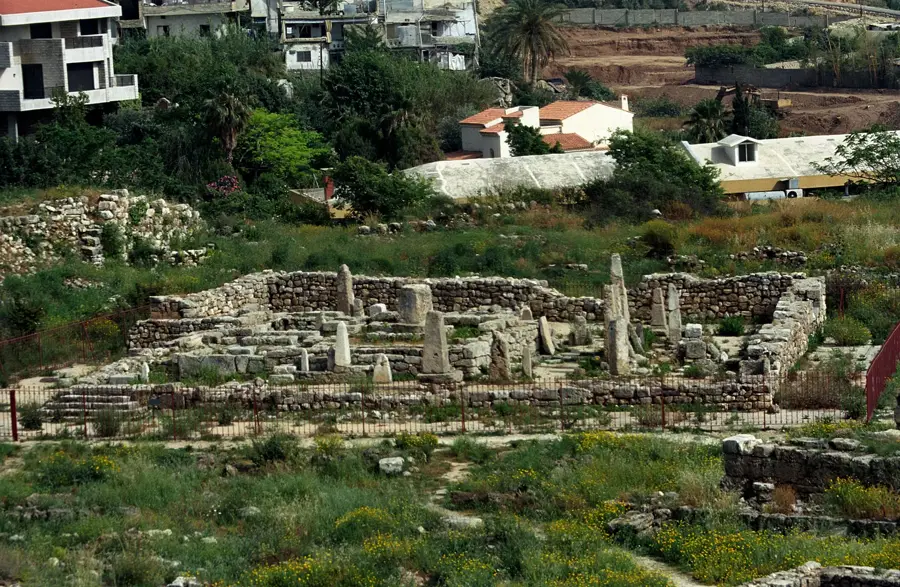
- Contains the Temple of the Obelisks, dating to the 19th century BC.
- The ancient harbor was the primary terminal for Phoenician cedar trade.
Explore nearby
Notable places around
Route planner — Car & Motorhome
Where do you start? We build the route here, with stops and country notes along the way.
© OpenStreetMap contributors · OpenRouteService
Sights in the town Byblos Coast (9)
Nymphaeum
Ancient Roman fountain structure in Byblos, once part of the public water supply.
St. Jean Marc Jbeil
Church in Byblos dedicated to Saint John Mark, a Christian place of worship.
Memory of Time🏛 museum
Museum in Byblos, Lebanon, showcasing local history and artifacts.
Persian fortress🏰 castle
Ruins of a Persian-era fortress in Byblos, indicating the city's strategic importance.
Byblos Archaeological Site
Ancient Mediterranean city in Lebanon, a major Canaanite-Phoenician center with excavations.
Temple of the obelisks
Ancient temple in Byblos, known for its upright stone obelisks from the Bronze Age.
Sights nearby
Frequently asked questions
What makes the Byblos coast special?
Are there sandy beaches in Byblos?
Can you eat in the old port of Byblos?
What can you do at the harbor?
How safe is swimming near the coast?
Byblos Coast: where is it located?
Byblos Coast: what is there to see?
Byblos Coast: when is the best time to visit?
Byblos Coast: why is it worth visiting?
Nearby cities

History & landmarks
More places