Plizio Visual Lab
Qannoubine Valley
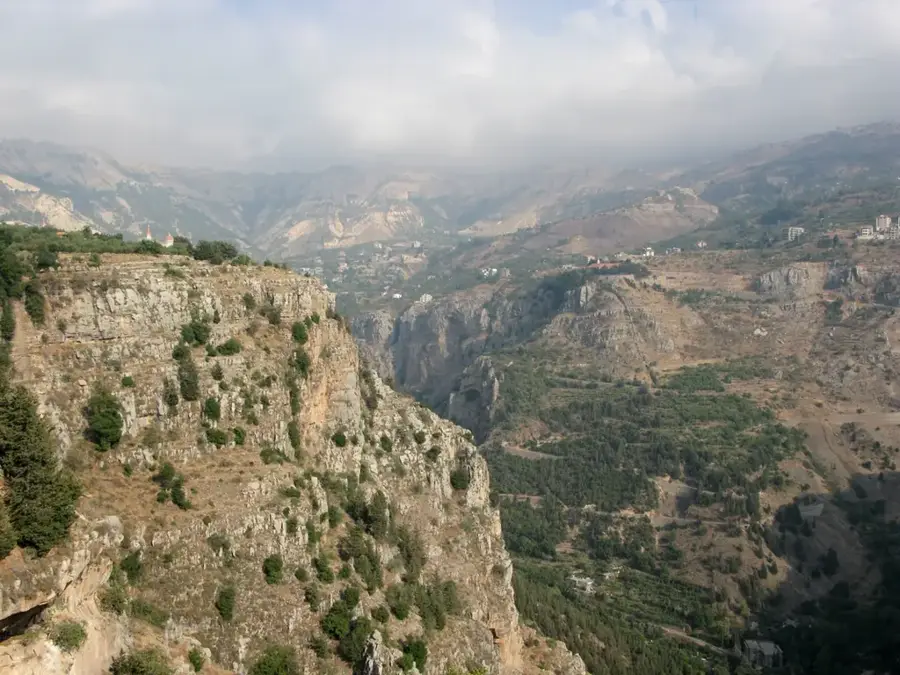
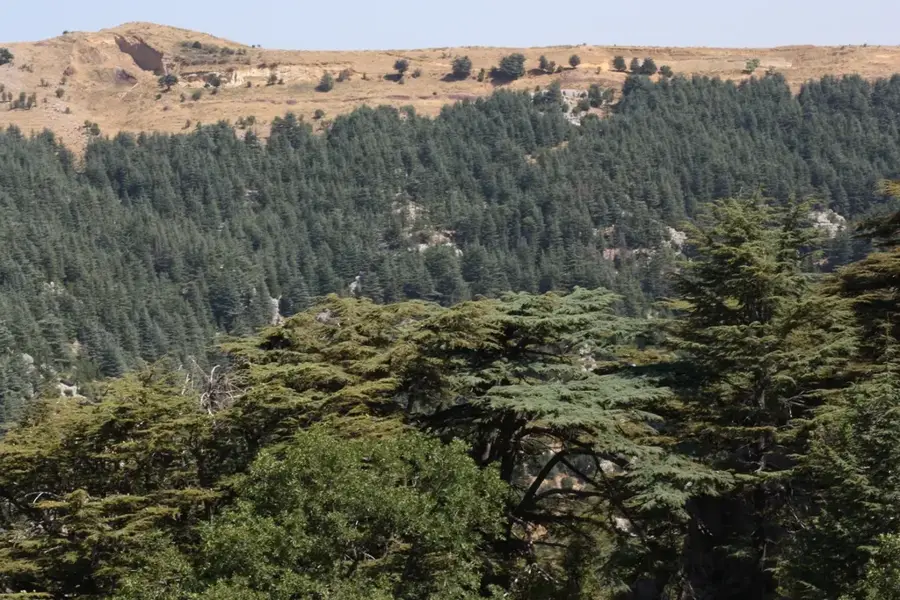
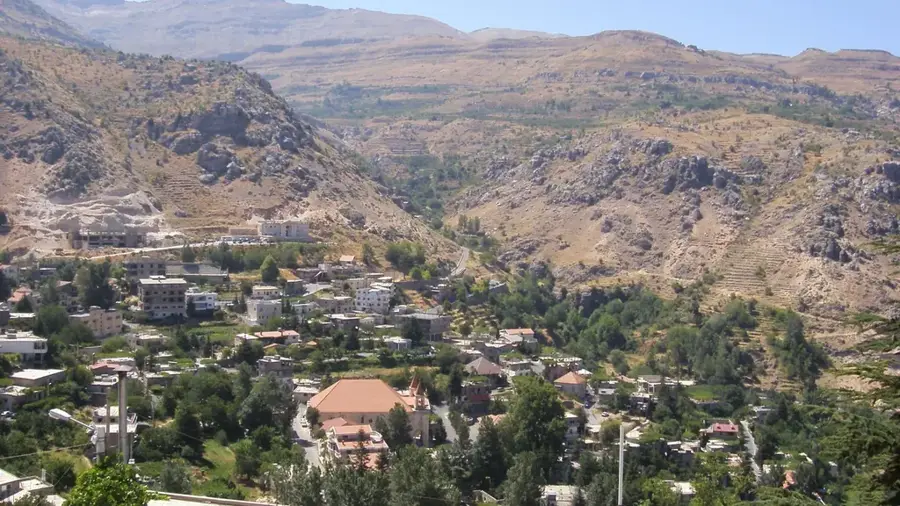
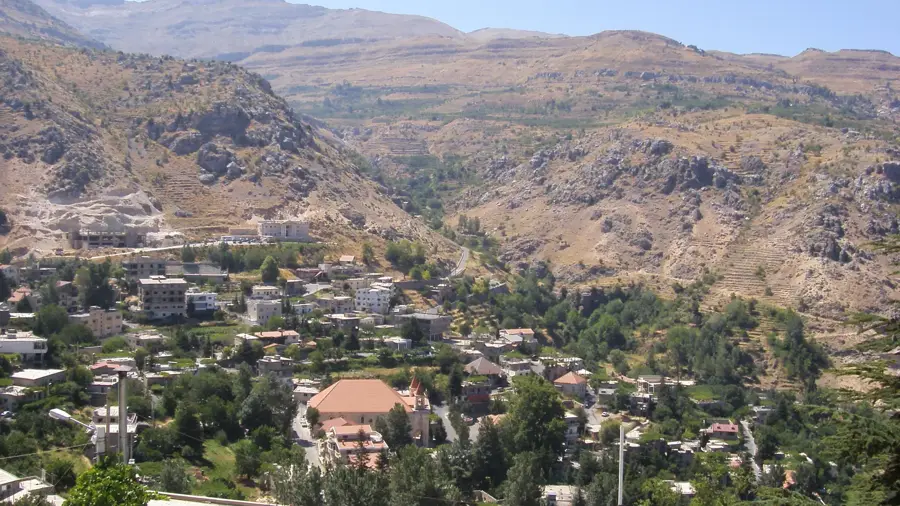
The Qannoubine Valley is the deepest and most spectacular section of the Qadisha Valley in northern Lebanon, designated as a UNESCO World Heritage site. It is famously known as the 'Holy Valley,' having served since the early Middle Ages as a sanctuary for Maronite hermits and monks who carved monasteries and cells directly into the steep limestone cliffs. The monastery of Deir Qannoubine, which gives the valley its name, was for centuries the official seat of the Maronite Patriarchs. The landscape is characterized by dramatic rock formations, lush vegetation, and the Qadisha River flowing along the valley floor. The area hosts an exceptional concentration of religious architecture, featuring chapels and hermitages that showcase unique troglodytic construction methods. Due to its remote and rugged nature, the Qannoubine Valley has preserved its spiritual atmosphere and a high level of biodiversity. Hiking trails link the various historical sites, providing insight into a thousand-year-old tradition of Christian monasticism. Today, the valley is a major pilgrimage site and a prime destination for cultural tourism and environmental conservation.
Explore on the map
How well do you know Lebanon?
Find cities, landscapes and regions in 10 varied challenges on the interactive map.
Your journey, your memory
A postcard from Qannoubine Valley
Turn your own photo into a personal postcard with a local stamp. Free and no sign-up required.
Create a postcard- Location: Lebanon
- Highlights: Dar As Saleeb · Bazaoun Church · Al Sayde Church
- Nearby: Bcharre (4 km)
Best time to visit & climate
The most pleasant time to visit is May, Jun, Sep.
| Jan | Feb | Mar | Apr | May | Jun | Jul | Aug | Sep | Oct | Nov | Dec | |
|---|---|---|---|---|---|---|---|---|---|---|---|---|
| Avg °C | 6 | 7 | 10 | 14 | 19 | 23 | 25 | 25 | 23 | 19 | 13 | 8 |
| Rain mm | 91 | 68 | 44 | 24 | 12 | 4 | 1 | 1 | 9 | 23 | 46 | 71 |
📋 Practical info
Geography
Facts
- Inscribed as a UNESCO World Heritage site in 1998.
- Served as the Maronite Patriarchate's seat from 1440 to 1823.
- Home to the Deir Qannoubine monastery, established in the 4th century.
- The name originates from the Greek word 'Coenobium,' meaning monastery.
- One of the most significant Christian mountain refuges in the Middle East.
- Famous for its rock-cut churches featuring medieval religious frescoes.
Explore nearby
Notable places around
Route planner — Car & Motorhome
Where do you start? We build the route here, with stops and country notes along the way.
© OpenStreetMap contributors · OpenRouteService
Sights in the town Qannoubine Valley (5)
Sights nearby
Frequently asked questions
What is the Qannoubin Valley?
Which monasteries can be visited in the valley?
How do you reach the Qannoubin Valley?
Are there accommodations available?
What should you keep in mind when visiting?
Qannoubine Valley: where is it located?
Qannoubine Valley: what is there to see?
Qannoubine Valley: when is the best time to visit?
Qannoubine Valley: why is it worth visiting?

Nearby cities
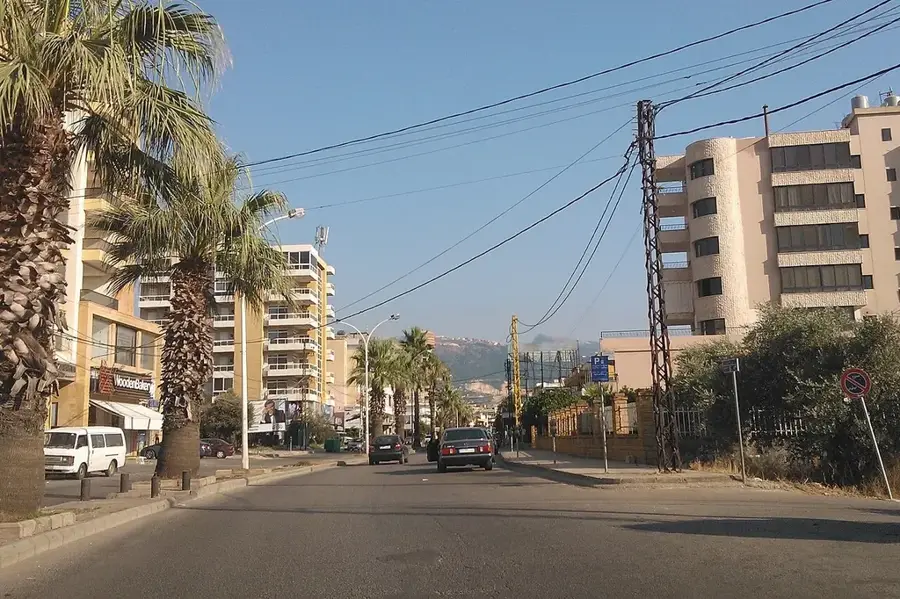
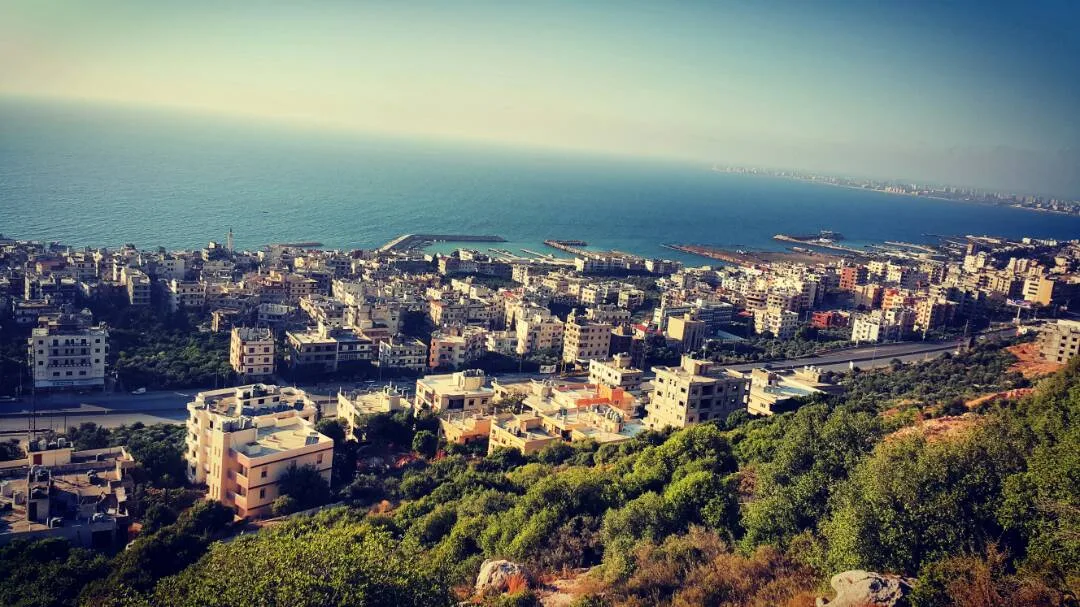
History & landmarks
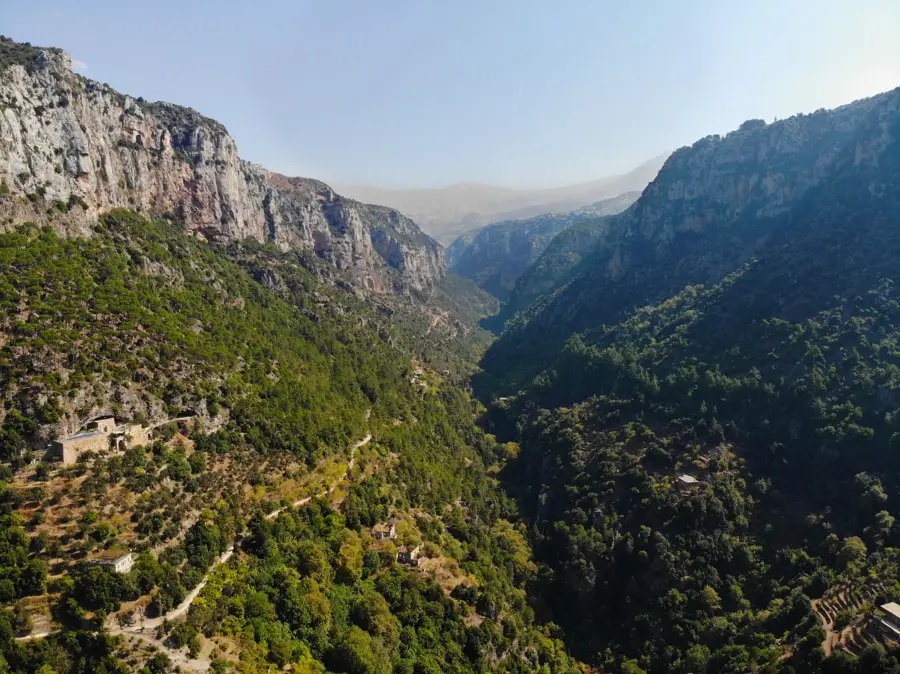
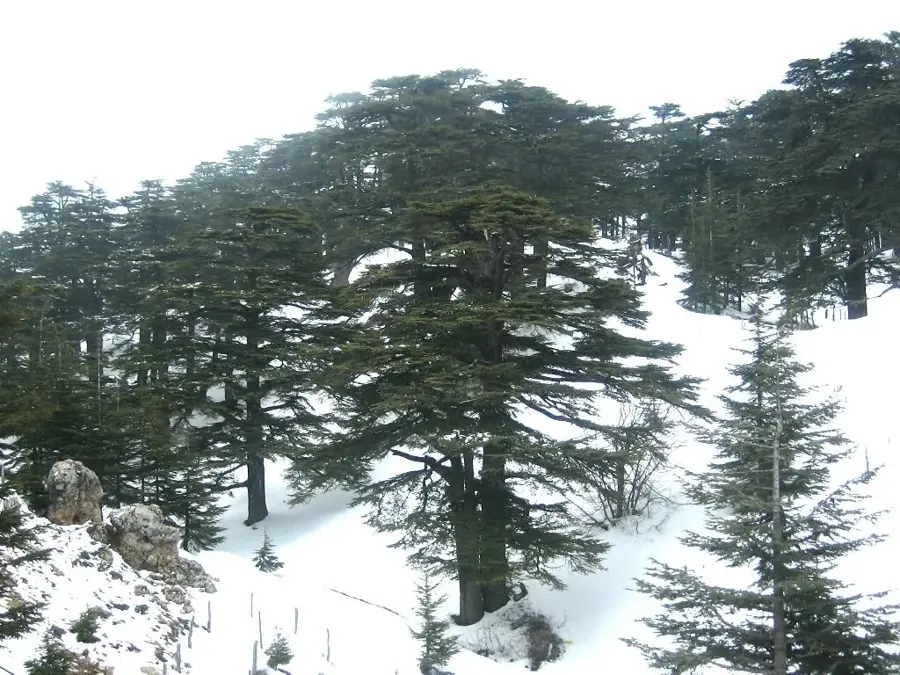
Nature
More places