Plizio Visual Lab
Anfeh Salt Pans
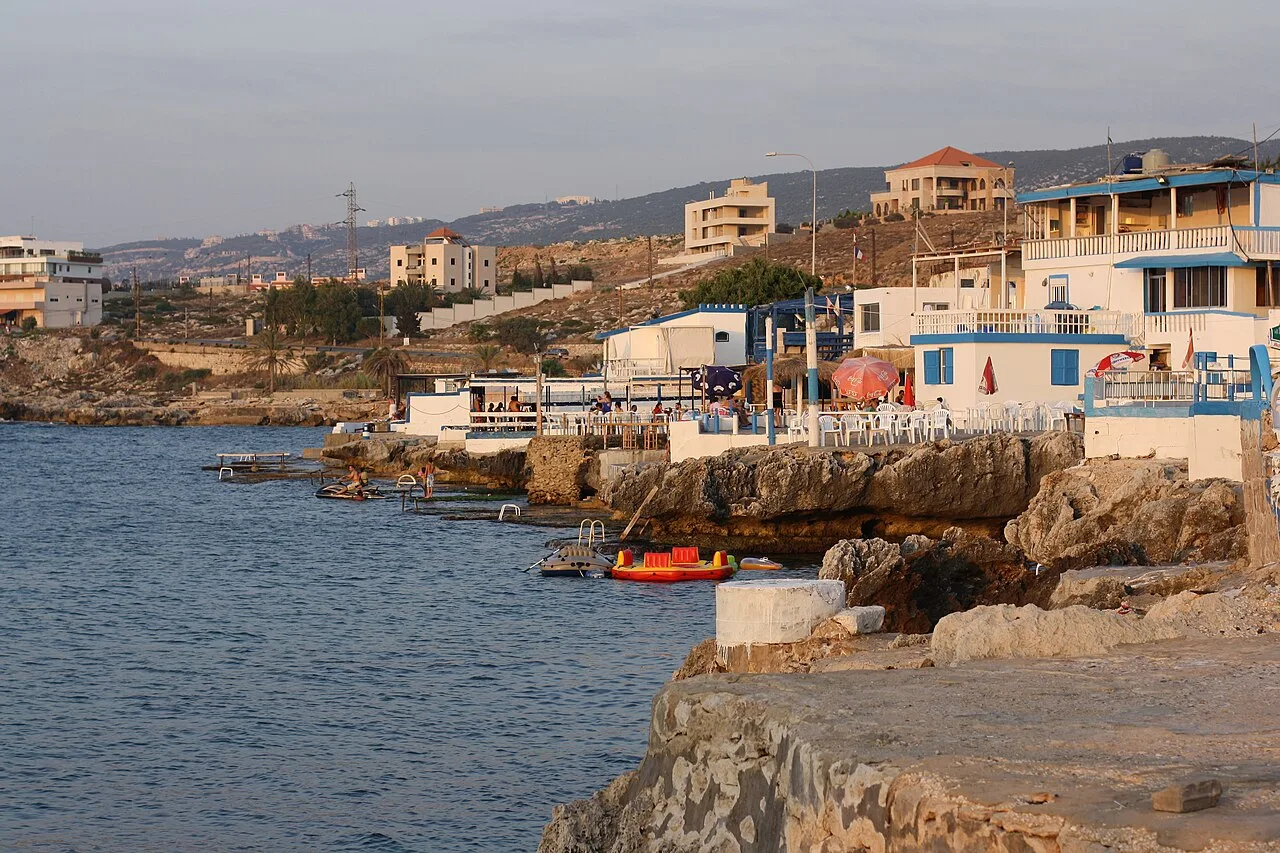
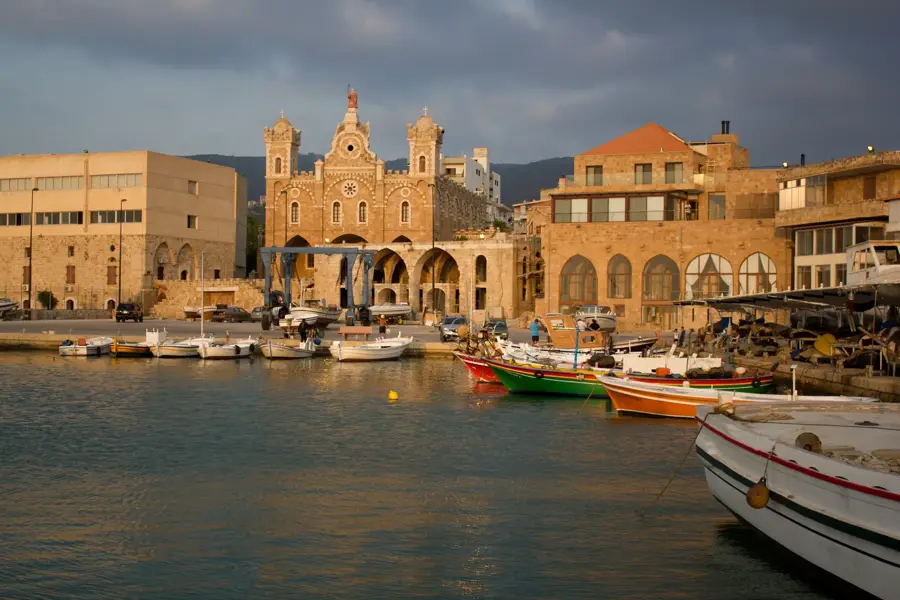
The salt pans of Anfeh on the northern coast of Lebanon represent one of the oldest and most distinctive artisanal traditions in the region. For centuries, the inhabitants of this small coastal town have extracted sea salt from shallow basins using traditional windmill-driven pumping systems. This sector was once the economic backbone of the village and covered a significant portion of the national salt demand for human consumption and food preservation. In recent decades, however, local production has drastically declined due to the opening of markets to cheaper, imported salt, causing many facilities to fall into disrepair. Recently, however, Anfeh has experienced an economic renaissance through the growing niche market for unrefined, artisanal premium sea salt (Fleur de Sel). In parallel, the striking blue-and-white appearance of the coast ('Little Mykonos') attracts tourists who admire the traditional heritage, thereby opening up new economic perspectives for the location.
Explore on the map
How well do you know Lebanon?
Find cities, landscapes and regions in 10 varied challenges on the interactive map.
Your journey, your memory
A postcard from Anfeh Salt Pans
Turn your own photo into a personal postcard with a local stamp. Free and no sign-up required.
Create a postcard- Location: Lebanon
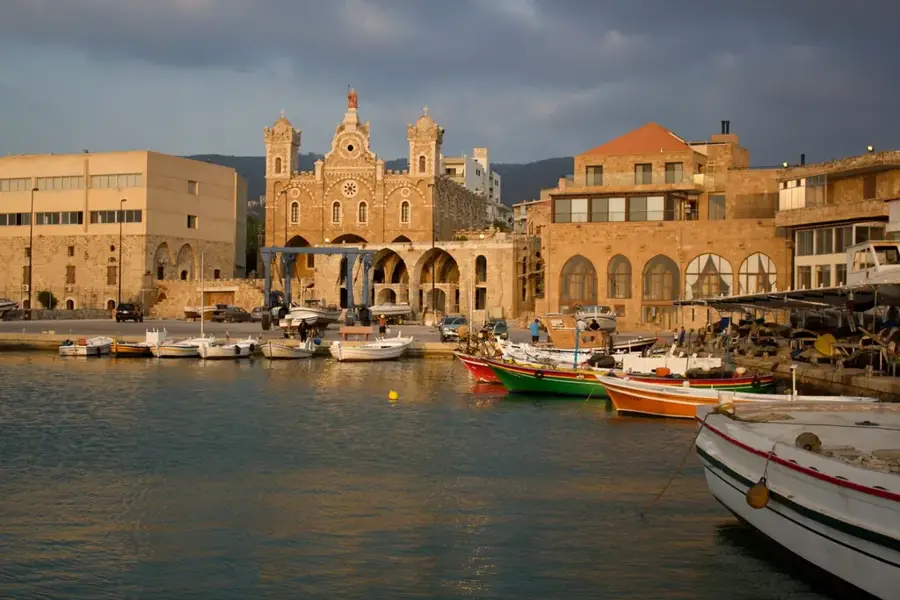
- Highlights: Las Salinas · Azm Centre · st. Charbel church
- Nearby: Qalamoun (6 km)
Best time to visit & climate
The most pleasant time to visit is Apr–Jun.
| Jan | Feb | Mar | Apr | May | Jun | Jul | Aug | Sep | Oct | Nov | Dec | |
|---|---|---|---|---|---|---|---|---|---|---|---|---|
| Avg °C | 16 | 16 | 17 | 19 | 22 | 25 | 27 | 28 | 27 | 25 | 21 | 18 |
| Rain mm | 137 | 92 | 51 | 26 | 12 | 4 | 1 | 2 | 11 | 35 | 77 | 116 |
📋 Practical info
Geography
Facts
- Center of traditional Lebanese sea salt extraction.
- Lost market share due to cheap, international salt imports.
- Increasingly relies on niche products such as Fleur de Sel.
- Uses historical windmills to pump the seawater into the pans.
- The blue-and-white architecture generates revenue through tourism.
- Considered a maritime cultural heritage worthy of protection.
Explore nearby
Notable places around
Route planner — Car & Motorhome
Where do you start? We build the route here, with stops and country notes along the way.
© OpenStreetMap contributors · OpenRouteService
Sights in the town Anfeh Salt Pans (5)
Sights nearby
Frequently asked questions
How is salt extracted in Anfeh?
When can the salt pans be visited?
Why is Anfeh called 'Little Greece'?
Is salt from Anfeh available for purchase?
Are there historical sites nearby?
Anfeh Salt Pans: where is it located?
Anfeh Salt Pans: what is there to see?
Anfeh Salt Pans: when is the best time to visit?
Anfeh Salt Pans: why is it worth visiting?
Nearby cities
History & landmarks
Nature
More places