Plizio Visual Lab

Xe Pian National Protected Area

Plizio editorial teamData Sources
wildlife-area
—°
Xe Pian National Protected Area (Laos)

Weather…

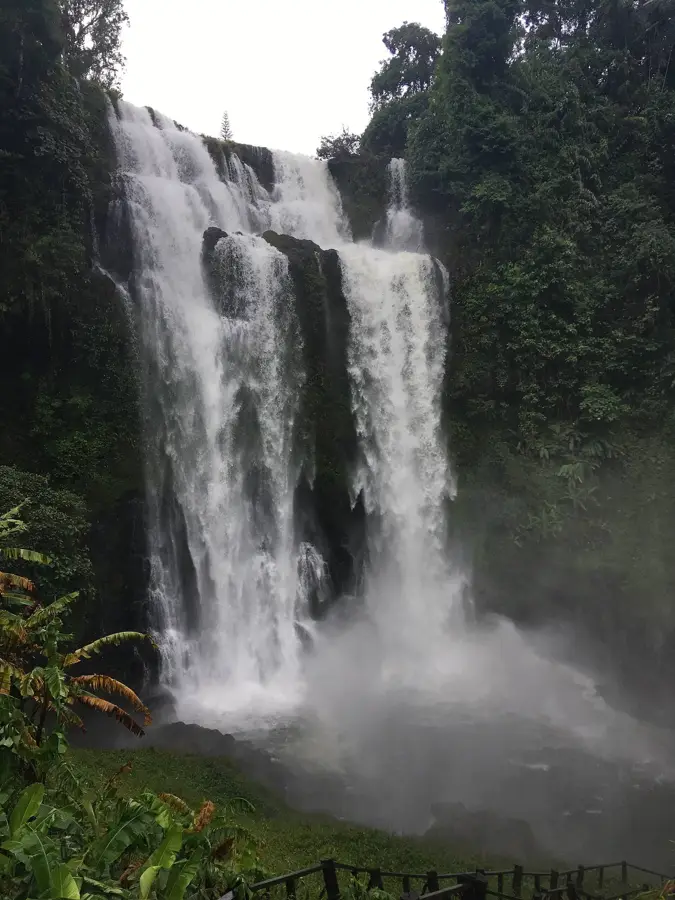
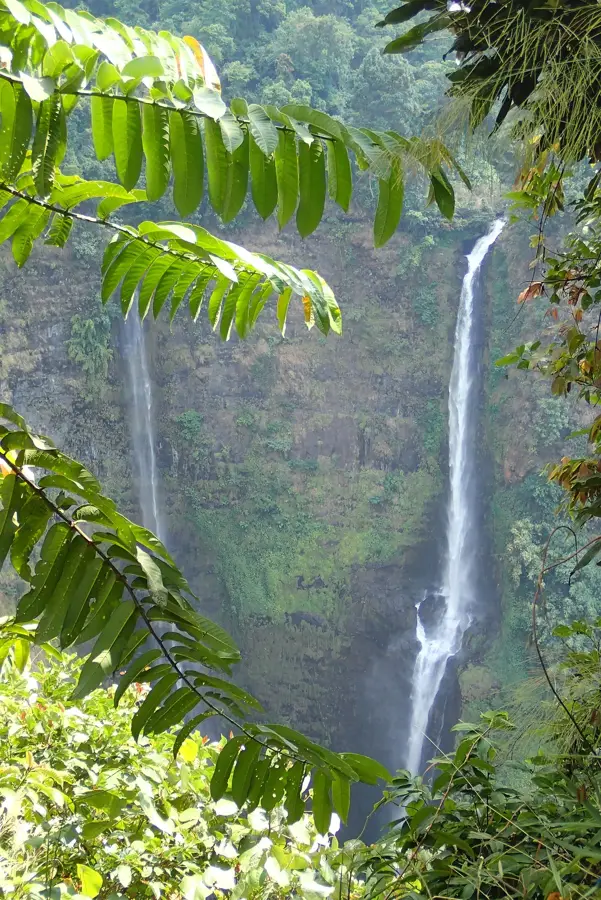
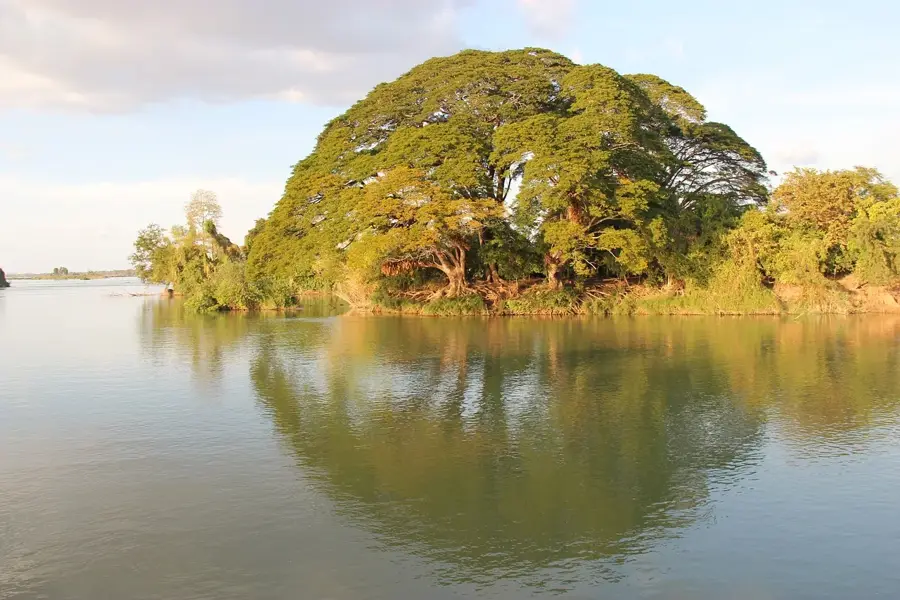
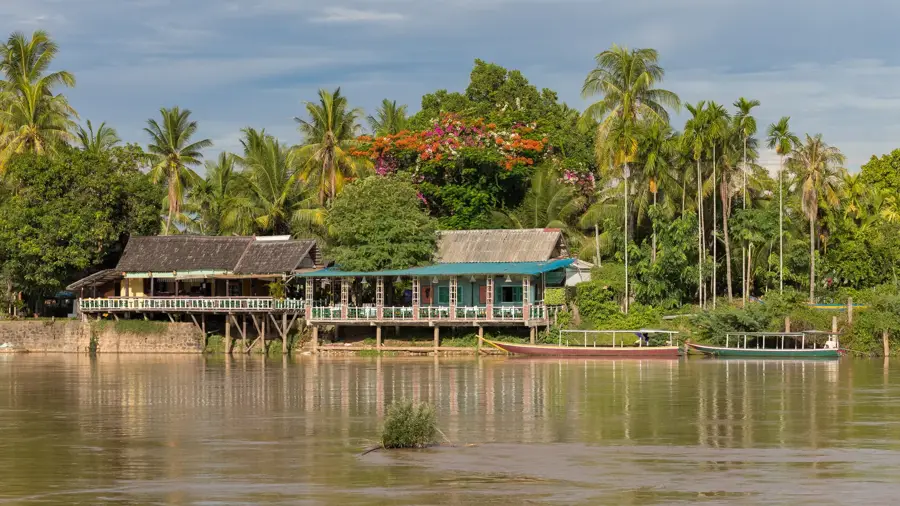
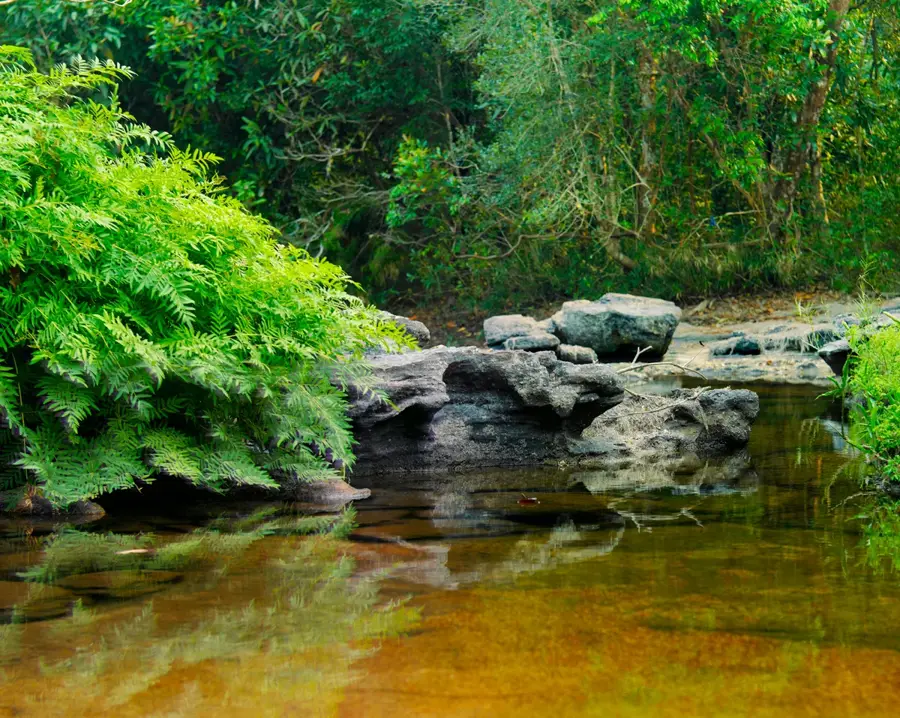
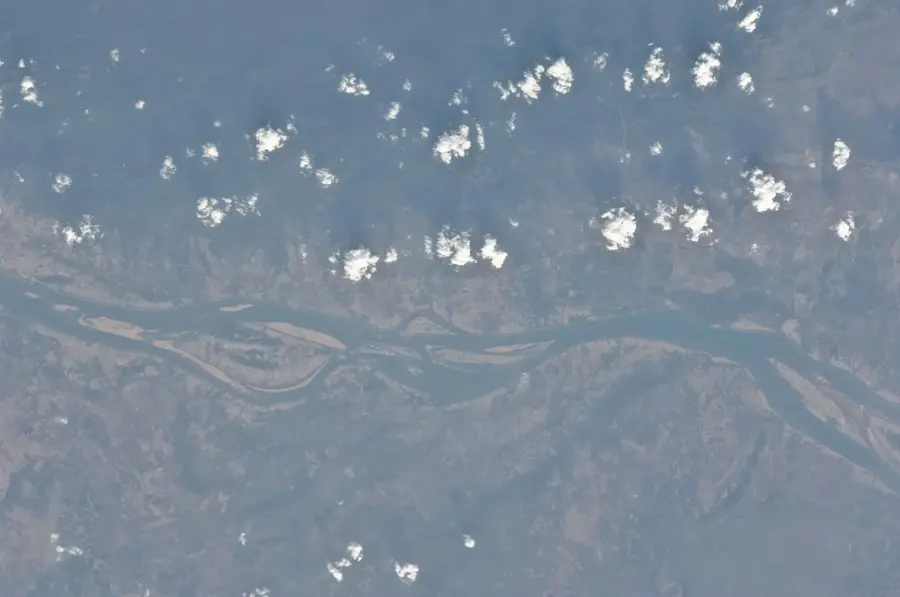
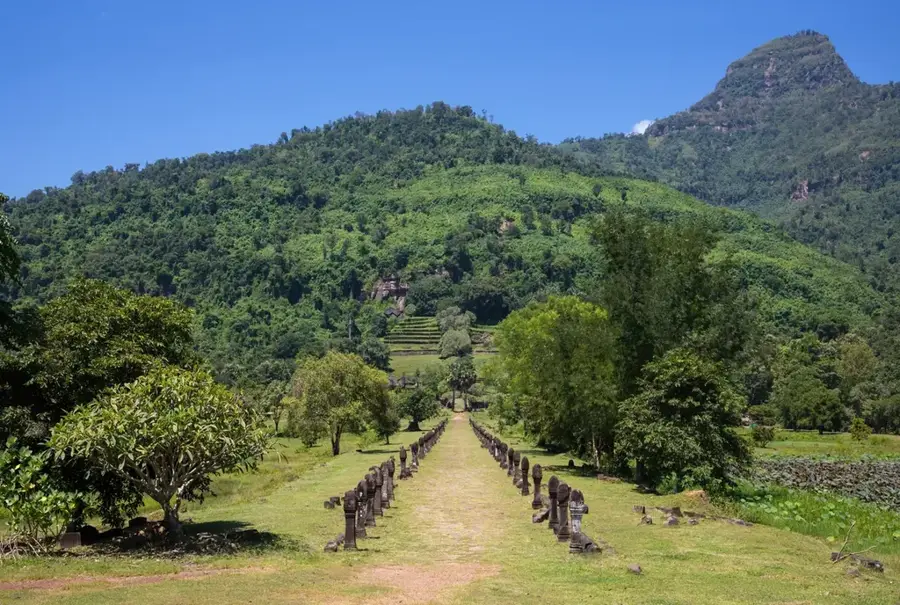
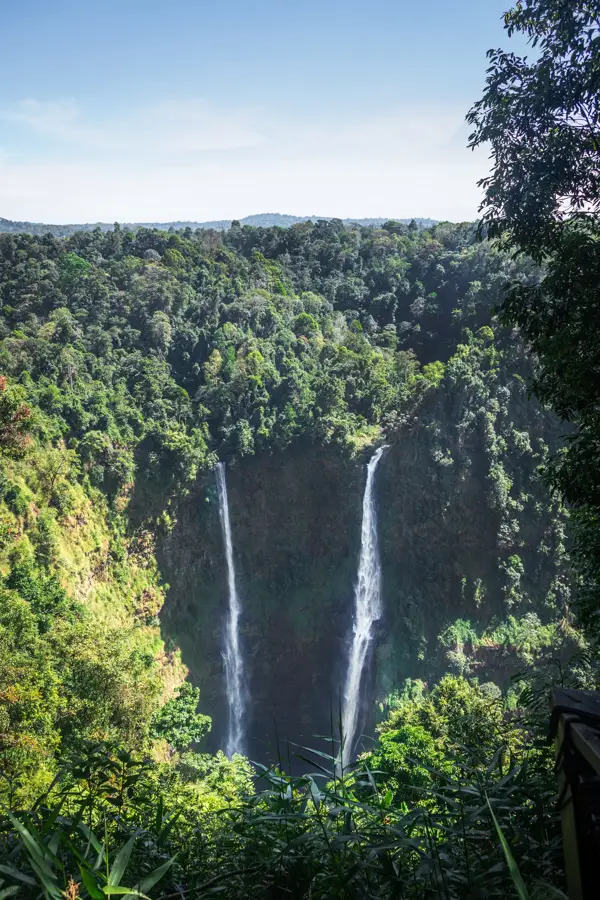
The Xe Pian National Protected Area in southern Laos is one of the most important swamp and wetland ecosystems in Southeast Asia. It extends from low-lying plains to the foothills of the Bolaven Plateau. This region is a vital habitat for critically endangered animal species, such as the Asian elephant, the banteng, and various hornbills. The dense network of rivers and wetlands also provides refuge for rare water buffaloes. Scientists highly value Xe Pian for its extraordinary bird diversity, which attracts ornithologists from all over the world. Conservation programs work closely with indigenous populations to establish sustainable practices in fishing and the collection of forest products. However, preserving the fragile water balance remains one of the greatest challenges.

Best time to visit & climate

The most pleasant time to visit is Jan, Feb, Dec.

JanFebMarAprMayJunJulAugSepOctNovDec
Avg °C262830312928272626272726
Rain mm332648120162264292222872010

📋 Practical info

📅
Best season
Visiting during the distinct dry months is highly recommended for exploring this vast expanse of wetlands and forests, as dirt tracks become largely impassable during the heavy monsoon rains. This drier period also forces diverse wildlife and numerous bird species to congregate around shrinking lakes, greatly increasing your chances of memorable sightings.
🌅
Best time of day
Birdwatchers should ideally aim to position themselves near the wetland margins just before dawn, when the chorus of calling birds begins and the morning mist slowly lifts off the water. The late afternoon hours also provide excellent light for photography as flocks return to their evening roosts deep within the protective canopy.
📜
Etiquette
It is essential to strictly follow the guidance of local village guides and rangers, as navigating the complex wetlands independently can be highly disorienting and potentially disruptive to nesting sites. Always carry your trash back out with you and avoid wearing brightly colored clothing that might alarm the area's sensitive avian populations.
🎒
What to bring
A high-power spotting scope or specialized binoculars are invaluable assets for identifying distant waterfowl across the vast marshlands without approaching too closely. Robust waterproof footwear, long trousers to guard against leeches and insects, and a wide-brimmed hat to protect against the relentless midday sun are also strictly necessary items.
🧭
Getting there
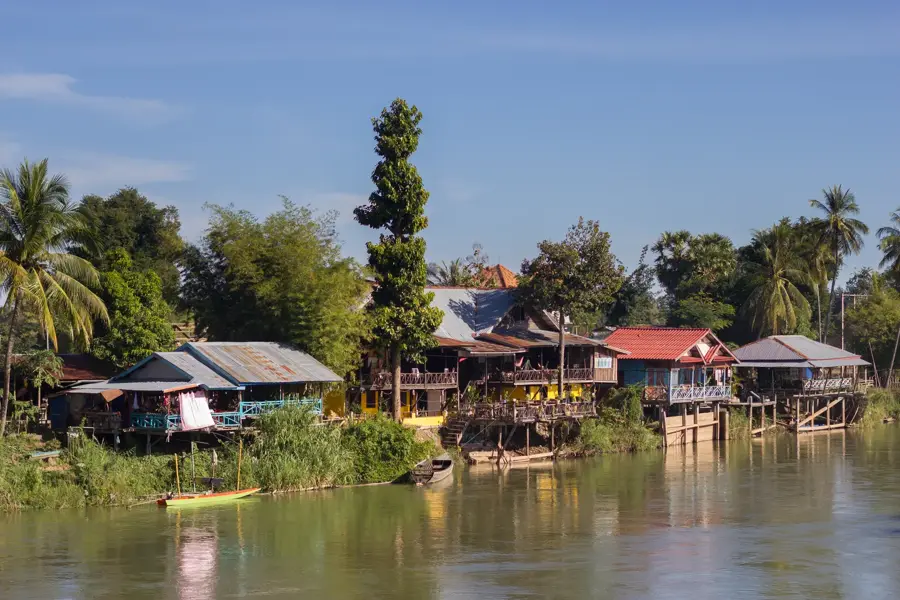
Getting into the heart of the protected area typically involves joining an organized trek or boat trip departing from nearby eco-tourism villages located on the boundary. Transport usually requires a combination of robust four-wheel-drive vehicles to navigate the rough approaching roads and traditional small wooden boats to silently drift through the intricate wetland channels.
🦌
What to expect
True immersion in this remarkable wilderness means embracing the slow, often meditative pace of traveling by small boat or on foot through challenging muddy environments. Be prepared to wait silently in concealed hides for significant periods, understanding that the area's incredible biodiversity reveals itself slowly to those who respect its quiet rhythms.

Geography

Coordinates
14.73000, 106.15000

Facts

  • Important wetland ecosystem in Asia
  • Habitat for Asian elephants and bantengs
  • Houses rare hornbill species
  • Rich in extensive swamps and rivers
  • Attracts ornithologists worldwide
  • Indigenous peoples assist in conservation

Explore nearby

Notable places around

Route planner — Car & Motorhome

Where do you start? We build the route here, with stops and country notes along the way.

Vehicle
Only stops with (optional):

© OpenStreetMap contributors · OpenRouteService

Sights nearby

Frequently asked questions

What is the Xe Pian protected area known for?
For its wetlands and rich birdlife, including rare species.
What activities are offered?
Birdwatching, canoeing, and guided forest treks.
How do you reach the protected area?
Best reached from Pakse via the village of Kiet Ngong.
Are there elephants there?
Yes, Kiet Ngong is known for its domesticated elephants, but wild ones are rare.
When is the best time for birdwatching?
In the rainy season and shortly after, when the wetlands are full of water.
Xe Pian National Protected Area: where is it located?
Xe Pian National Protected Area is located in Laos.
Xe Pian National Protected Area: when is the best time to visit?
The most pleasant time to visit is Jan, Feb, Dec.
Xe Pian National Protected Area: why is it worth visiting?

The Xe Pian National Protected Area in southern Laos is one of the most important swamp and wetland ecosystems in Southeast Asia.
View on map → The Top 50 Attractions → OpenStreetMap →
Asia
Explore with Plizio Discover more places in Asia
More places in Laos →

Nearby cities

History & landmarks
More places