Plizio Visual Lab
Western Kenya – Sugarcane Growing

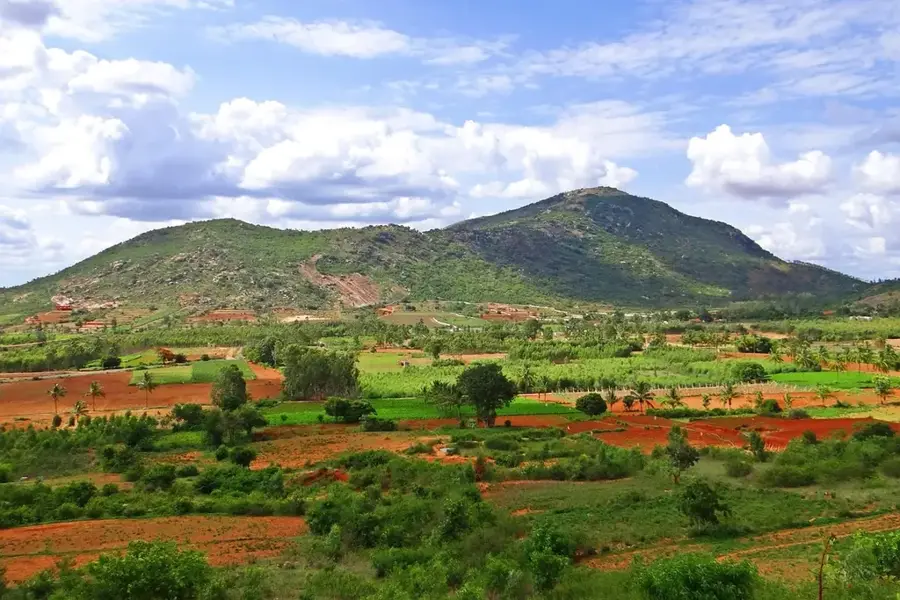
Western Kenya, particularly the regions surrounding Mumias, Nzoia, and South Nyanza (Sony), serves as the primary hub for the nation's sugar production. The humid tropical climate and fertile soils of the Lake Victoria basin provide optimal conditions for growing sugarcane, which dominates the agricultural landscape. This industry forms the economic backbone of the region, sustaining hundreds of thousands of small-scale farmers known as 'outgrowers' who supply raw cane to large state-owned and private mills. The Mumias Sugar factory, established in 1971, was historically the largest sugar producer in East Africa, although the sector currently faces significant structural and financial challenges. These include competition from cheaper imports and the urgent need to modernize aging infrastructure. Despite these hurdles, sugarcane remains the most vital cash crop in Western Kenya, dictating local infrastructure development and social welfare. Harvesting seasons bring intense economic activity, characterized by long convoys of tractors transporting heavy loads of cane along rural roads. Research institutions are constantly developing new cane varieties that offer higher sucrose content and better resistance to common pests.
Explore on the map
How well do you know Kenya?
Find cities, landscapes and regions in 10 varied challenges on the interactive map.
Your journey, your memory
A postcard from Western Kenya – Sugarcane Growing
Turn your own photo into a personal postcard with a local stamp. Free and no sign-up required.
Create a postcard- Location: Kenya
- Nearby: Kakamega (20 km)
Best time to visit & climate
The most pleasant time to visit is Jan, Feb, Dec.
| Jan | Feb | Mar | Apr | May | Jun | Jul | Aug | Sep | Oct | Nov | Dec | |
|---|---|---|---|---|---|---|---|---|---|---|---|---|
| Avg °C | 21 | 22 | 22 | 21 | 20 | 20 | 19 | 20 | 21 | 21 | 20 | 20 |
| Rain mm | 77 | 63 | 170 | 299 | 269 | 143 | 112 | 148 | 162 | 211 | 230 | 127 |
📋 Practical info
Geography
Facts
- Sugarcane contributes approximately 15% to the agricultural GDP in Western Kenya.
- The Mumias Sugar Company was established in 1971 with government backing.
- An estimated 600,000 smallholder farmers rely directly on sugarcane for income.
- The region harvests more than 4.5 million metric tons of cane annually.
- There are currently 13 active sugar mills operating across the Western belt.
- The tropical climate of the Lake Victoria basin allows for staggered harvests year-round.
Explore nearby
Notable places around
Route planner — Car & Motorhome
Where do you start? We build the route here, with stops and country notes along the way.
© OpenStreetMap contributors · OpenRouteService
Sights nearby
Frequently asked questions
Where is sugarcane grown in Western Kenya?
Can you visit the cultivation sites?
How is sugarcane harvested?
What role does the industry play for the region?
When is the harvest season?
Western Kenya – Sugarcane Growing: where is it located?
Western Kenya – Sugarcane Growing: when is the best time to visit?
Western Kenya – Sugarcane Growing: why is it worth visiting?

Nearby cities





More places