Plizio Visual Lab
Rift Valley – Vegetable Growing
Weather…
Water temperature…
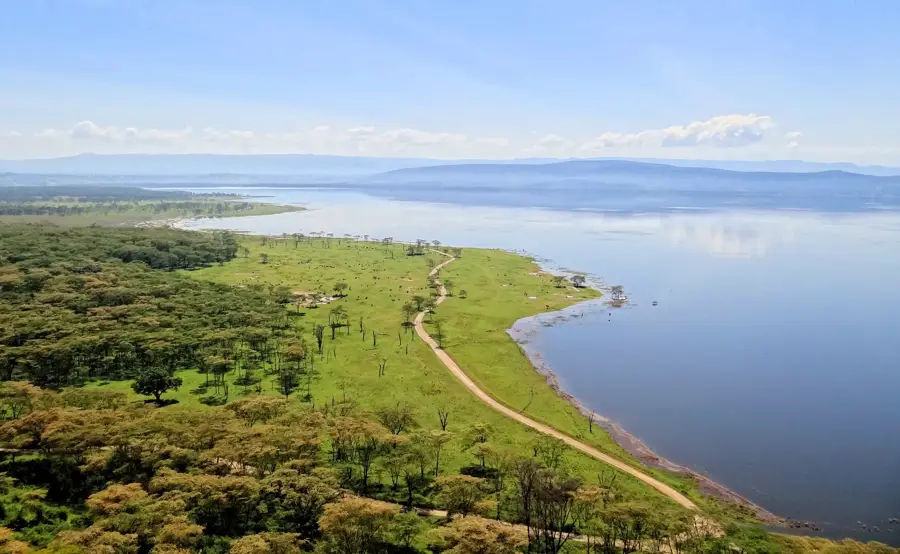
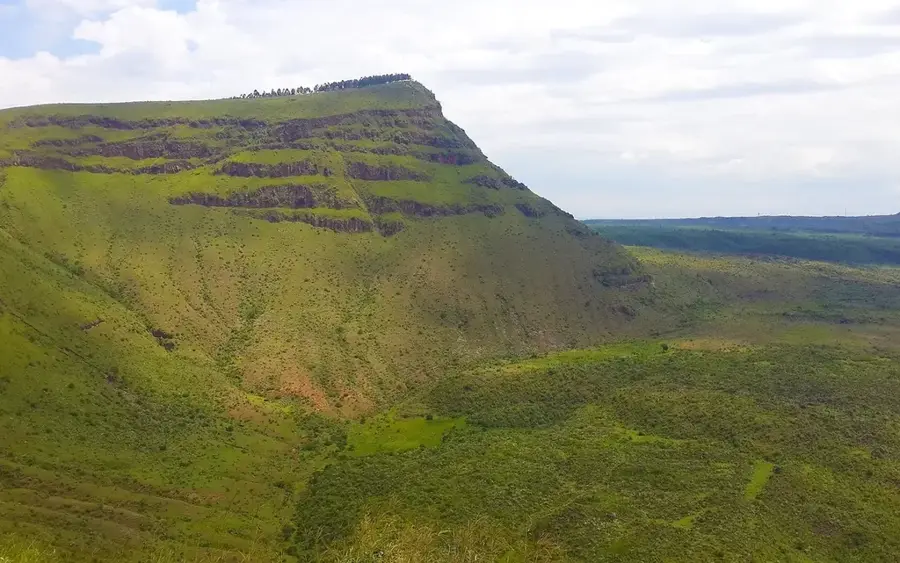
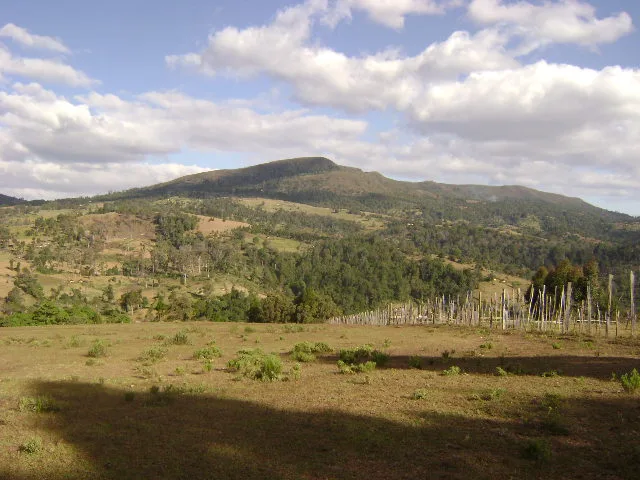
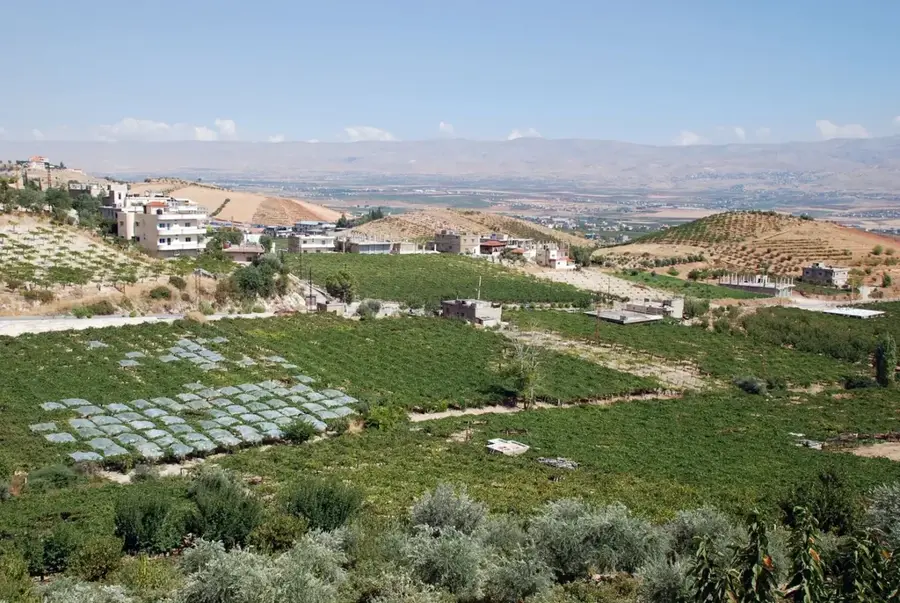
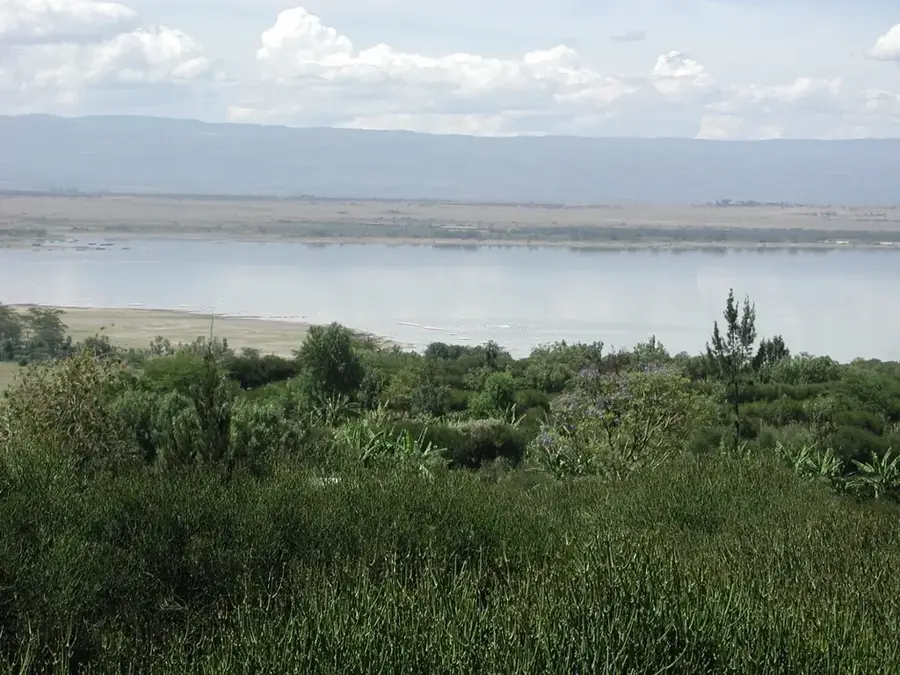
The Great Rift Valley, particularly the fertile lands surrounding Lake Naivasha, is the powerhouse of Kenya's modern horticultural industry. Leveraging the abundant supply of freshwater for irrigation and rich alluvial soils, the region has developed highly intensive farming practices primarily targeted at European markets. Beyond the famous cut roses, the area is a major producer of fine beans, snow peas, and broccoli. The valley's stable year-round temperatures and intense tropical sunlight facilitate continuous production cycles without the need for seasonal breaks. Many of these commercial farms utilize sophisticated greenhouse technology and automated fertigation systems to adhere to stringent international food safety and quality standards. This sector is one of Kenya's largest private-sector employers, transforming Naivasha from a sleepy town into a bustling economic center. However, the industry faces ongoing environmental scrutiny regarding water abstraction levels and the impact of agrochemicals on the lake's delicate ecosystem. Integrated sustainability initiatives are now focused on enhancing water recycling and implementing biological pest control methods to minimize the environmental footprint of these high-export farms.
Explore on the map
How well do you know Kenya?
Find cities, landscapes and regions in 10 varied challenges on the interactive map.
Your journey, your memory
A postcard from Rift Valley – Vegetable Growing
Turn your own photo into a personal postcard with a local stamp. Free and no sign-up required.
Create a postcard- Location: Kenya
- Nearby: Nakuru (24 km)
Best time to visit & climate
The most pleasant time to visit is Jan–Mar.
| Jan | Feb | Mar | Apr | May | Jun | Jul | Aug | Sep | Oct | Nov | Dec | |
|---|---|---|---|---|---|---|---|---|---|---|---|---|
| Avg °C | 16 | 17 | 17 | 16 | 15 | 15 | 14 | 14 | 15 | 16 | 16 | 16 |
| Rain mm | 54 | 39 | 105 | 206 | 149 | 83 | 68 | 89 | 85 | 115 | 146 | 95 |
📋 Practical info
Geography
Facts
- The Lake Naivasha agricultural zone sits at an elevation of roughly 1,880 meters.
- Kenya supplies approximately 70% of all cut flowers sold in European markets.
- More than 100,000 workers are directly employed by horticultural firms in Naivasha.
- The region enjoys a consistent average of 12 hours of daylight throughout the year.
- Fresh produce like beans can reach European supermarket shelves within 48 hours of picking.
- Advanced farms implement hydroponic systems to cut water usage by up to 60%.
Explore nearby
Notable places around

Route planner — Car & Motorhome
Where do you start? We build the route here, with stops and country notes along the way.
© OpenStreetMap contributors · OpenRouteService
Sights in the town Rift Valley – Vegetable Growing (1)
Sights nearby
Frequently asked questions
What vegetables are grown in the Rift Valley?
Why is this region Kenya's 'vegetable garden'?
Where can you buy fresh vegetables?
Is irrigation commonly used there?
Are the farms open to tourists?
Rift Valley – Vegetable Growing: where is it located?
Rift Valley – Vegetable Growing: when is the best time to visit?
Rift Valley – Vegetable Growing: why is it worth visiting?

Nearby cities
Nature


More places