Plizio Visual Lab
Iwami Ginzan Silver Mine
Weather…
Water temperature…
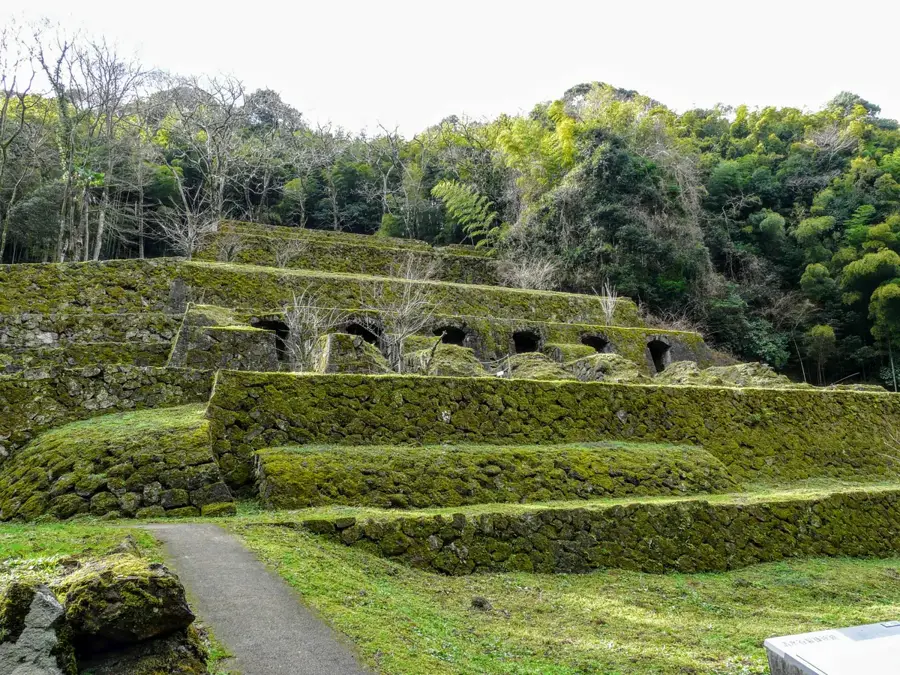
The Iwami Ginzan Silver Mine in Shimane Prefecture was one of the world's leading silver producing sites during the 16th and 17th centuries, accounting for approximately one-third of the global silver production at its peak. The mine was discovered in 1526 by merchant Kamiya Jutei and later placed under the direct control of the Tokugawa Shogunate, highlighting its immense economic importance to Japan. Silver from Iwami Ginzan fueled international trade, impacting economic systems across East Asia and Europe. The mine is particularly noted for its sustainable forestry practices, which provided the vast amounts of timber needed for smelting without devastating the surrounding natural environment. In 2007, Iwami Ginzan was designated a UNESCO World Heritage site for its technological innovations and well-preserved cultural landscape. In addition to the mining tunnels, the site encompasses the historic town of Omori, featuring traditional residences and temples. Although mining operations officially ceased in 1923, the mine's legacy is preserved today as a center for ecotourism and historical research. The facility stands as an outstanding example of early modern industry and responsible resource management in Japan.
Explore on the map
How well do you know Japan?
Find cities, landscapes and regions in 10 varied challenges on the interactive map.
Your journey, your memory
A postcard from Iwami Ginzan Silver Mine
Turn your own photo into a personal postcard with a local stamp. Free and no sign-up required.
Create a postcard- Location: Japan
- Nearby: Hiroshima (80 km)
Best time to visit & climate
The most pleasant time to visit is Jun, Aug, Sep.
| Jan | Feb | Mar | Apr | May | Jun | Jul | Aug | Sep | Oct | Nov | Dec | |
|---|---|---|---|---|---|---|---|---|---|---|---|---|
| Avg °C | 2 | 3 | 6 | 11 | 16 | 20 | 24 | 25 | 21 | 15 | 10 | 5 |
| Rain mm | 93 | 86 | 114 | 119 | 133 | 184 | 255 | 126 | 178 | 119 | 95 | 117 |
📋 Practical info
Geography
Facts
- Produced approximately one-third of the world's silver during the 16th century.
- Discovered in 1526 by the Japanese merchant Kamiya Jutei.
- Covers an area of approximately 442 hectares in Shimane Prefecture.
- Designated as a UNESCO World Heritage site in 2007.
- Mining operations officially ceased in 1923 after nearly 400 years.
- Contains over 600 hand-dug mining tunnels, known as Mabu.
Explore nearby
Notable places around
Route planner — Car & Motorhome
Where do you start? We build the route here, with stops and country notes along the way.
© OpenStreetMap contributors · OpenRouteService
Sights in the town Iwami Ginzan Silver Mine (1)
Sights nearby
Frequently asked questions
Is the Iwami Silver Mine a World Heritage site?
Which tunnel can be visited?
What is the best way to explore the area?
How much time should be planned?
Where is Iwami Ginzan located?
Iwami Ginzan Silver Mine: where is it located?
Iwami Ginzan Silver Mine: when is the best time to visit?
Iwami Ginzan Silver Mine: why is it worth visiting?

Nearby cities
History & landmarks
More places