Plizio Visual Lab

Mount Kōya (Kōyasan)
Plizio editorial teamData Sources
tourist-attraction
—°11
Mount Kōya (Kōyasan) (Japan)

Weather…

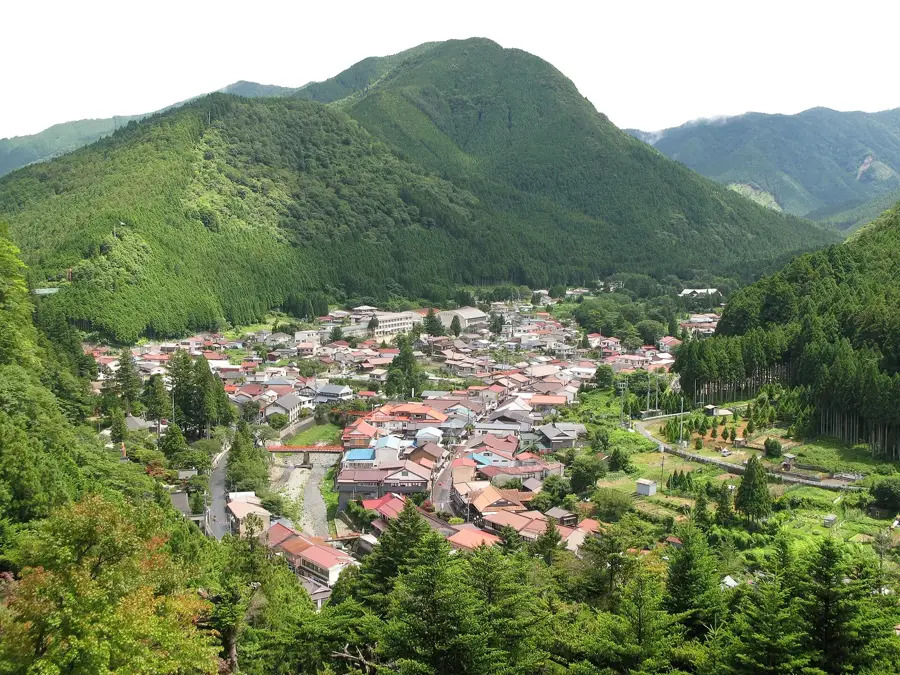
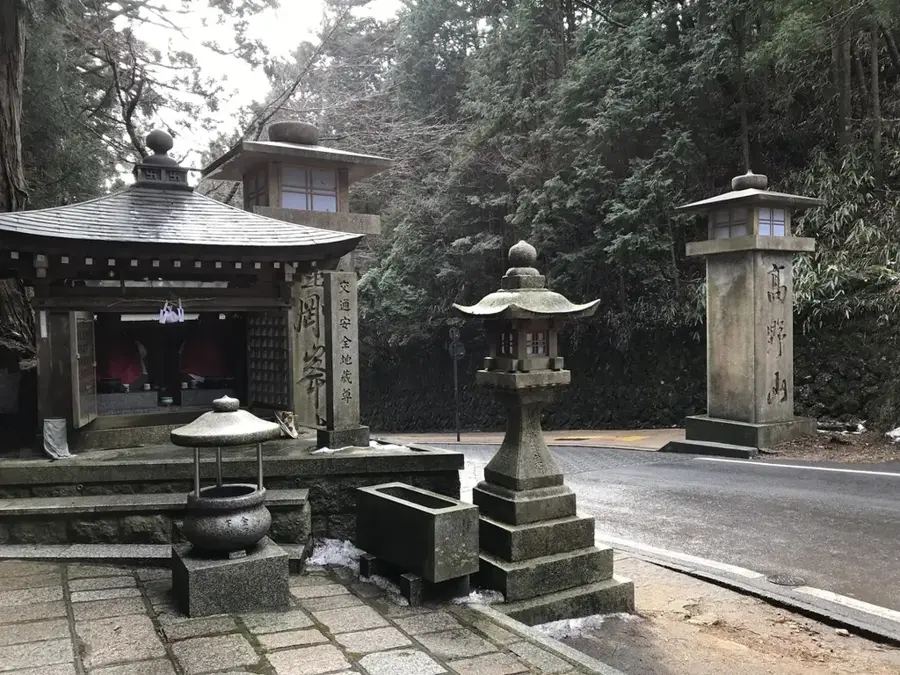
Mount Koya, or Koyasan, is a sacred mountain in Wakayama Prefecture and the international headquarters of the Shingon school of Buddhism. The monastic settlement was founded in 816 by the monk Kukai, posthumously known as Kobo Daishi, on an 800-meter-high plateau surrounded by eight peaks resembling a lotus flower. Today, the area features over 100 temples, many of which provide shukubo (temple lodging) where guests can experience monastic life and traditional vegetarian cuisine. A defining landmark is the Okunoin cemetery, the largest in Japan, which houses the mausoleum of Kobo Daishi beneath a canopy of ancient cedar trees. The Danjo Garan serves as the spiritual center of the complex, featuring the prominent 48.5-meter-tall Konpon Daito pagoda. In 2004, Koyasan was designated a UNESCO World Heritage site as part of the Sacred Sites and Pilgrimage Routes in the Kii Mountain Range.

Best time to visit & climate

The most pleasant time to visit is May, Jun, Sep.

JanFebMarAprMayJunJulAugSepOctNovDec
Avg °C23611162024252116104
Rain mm779514017320426926224630525312187

📋 Practical info

🚪
Visiting
This secluded temple mountain is highly accessible to visitors, allowing you to explore both the atmospheric outdoor pathways and the interiors of numerous active monasteries.
🕒
Typical hours
Temple grounds generally remain open throughout the day from early morning, though interior access to specific buildings usually closes by late afternoon.
📷
Photography
Capturing the serene forest setting and traditional architecture is highly encouraged outside, but photography is strictly prohibited inside the main worship halls.
⏱️
Time needed
Plan to spend at least a full day exploring the expansive area, although an overnight stay in temple lodgings is recommended to experience the site fully.
Combine with
Consider pairing this spiritual retreat with a visit to the bustling city of Osaka or exploring further along the historic pilgrimage routes of the Kii Peninsula.
🧭
Getting there
The mountain settlement is usually reached by a scenic train ride followed by a specialized cable car journey that takes you directly up the steep slopes.
💡
Insider tip
Staying overnight in a traditional temple lodging gives the unique opportunity to join the monks for their early morning chanting sessions and enjoy vegetarian Buddhist cuisine.

Geography

Coordinates
34.21500, 135.58300

Facts

  • Koyasan was established in 816 by the monk Kukai, or Kobo Daishi.
  • The settlement contains 117 temples, 52 of which offer shukubo lodging.
  • The Okunoin cemetery is home to more than 200,000 graves and monuments.
  • The Konpon Daito pagoda stands 48.5 meters tall and represents a mandala.
  • The plateau is situated at an average elevation of 800 meters.
  • The area was designated as a UNESCO World Heritage site in 2004.

Explore nearby

Notable places around

Route planner — Car & Motorhome

Where do you start? We build the route here, with stops and country notes along the way.

Vehicle
Only stops with (optional):

© OpenStreetMap contributors · OpenRouteService

Sights in the town Mount Kōya (Kōyasan) (11)

Reihokan Museum🏛 museum

Located at Mount Koya, this museum houses an extensive collection of priceless Buddhist art and artifacts.

🕒 Mo-Su 08:30-17:00💶

Tokugawa Clan Mausoleum🏺 historical

This monumental site at Mount Koya serves as the dignified resting place for members of the influential Tokugawa family.

Niukanshofu-jinja Shrine⛪ religious

Recognized as a heritage site, this Shinto shrine at Mount Koya is deeply connected to the area's spiritual origins.

Jison-in⛪ religious

This heritage-listed Buddhist place of worship at the foot of Mount Koya historically served as an administrative center for the monastic complex.

Tateri Kojin-ja⛪ religious

A revered place of worship set in the mountainous terrain near Mount Koya, dedicated to the deity Kojin.

Myooin📍 landmark

Myooin operates as a traditional temple lodging (shukubo), allowing guests to experience monastic life on Mount Koya.

Tentoku-in📍 landmark

Tentoku-in is a historic temple hotel on Mount Koya, renowned for its beautifully landscaped traditional Japanese garden.

Kumagaiji📍 landmark

Kumagaiji is a dedicated Buddhist sanctuary providing a quiet atmosphere for meditation within the Mount Koya settlement.

Jingamine🌿 nature

Jingamine is a scenic mountain peak offering commanding views over the lush forested valleys surrounding Mount Koya.

Kojin Dake🌿 nature

Rising prominently in the region, the forested peak of Kojin Dake forms an integral part of the sacred mountain landscape of Koya.

Mount Benten🌿 nature

Mount Benten is a tranquil forested peak associated with local deities, enriching the spiritual topography around Mount Koya.

Sights nearby

Frequently asked questions

What makes Mount Koya special?
It is the center of Shingon Buddhism and features visitors the chance to stay overnight in temples.
What is a Shukubo?
It is a temple lodging where you can try vegetarian monk cuisine (Shojin Ryori) and participate in morning prayers.
What is Okunoin Cemetery?
Japan's largest cemetery with over 200,000 tombs in an ancient forest, mystically illuminated at night.
How do you get up the mountain?
Take the Nankai line from Osaka to Gokurakubashi, then a spectacular cable car to the top.
Is it colder on Mount Koya?
Yes, due to the altitude (approx. 800m), it is noticeably cooler than in the plains of Osaka or Kyoto.
Mount Kōya (Kōyasan): where is it located?
Mount Kōya (Kōyasan) is located in Japan.
Mount Kōya (Kōyasan): what is there to see?
Highlights include Reihokan Museum, Tokugawa Clan Mausoleum, Niukanshofu-jinja Shrine.
Mount Kōya (Kōyasan): when is the best time to visit?
The most pleasant time to visit is May, Jun, Sep.
Mount Kōya (Kōyasan): why is it worth visiting?

Mount Koya, or Koyasan, is a sacred mountain in Wakayama Prefecture and the international headquarters of the Shingon school of Buddhism.
View on map → The Top 50 Attractions → OpenStreetMap →
Asia
Explore with Plizio Discover more places in Asia
More places in Japan →

Nearby cities

History & landmarks
More places