Plizio Visual Lab

Ise Grand Shrine
Plizio editorial teamData Sources
tourist-attraction
—°7
Ise Grand Shrine (Japan)

Weather…

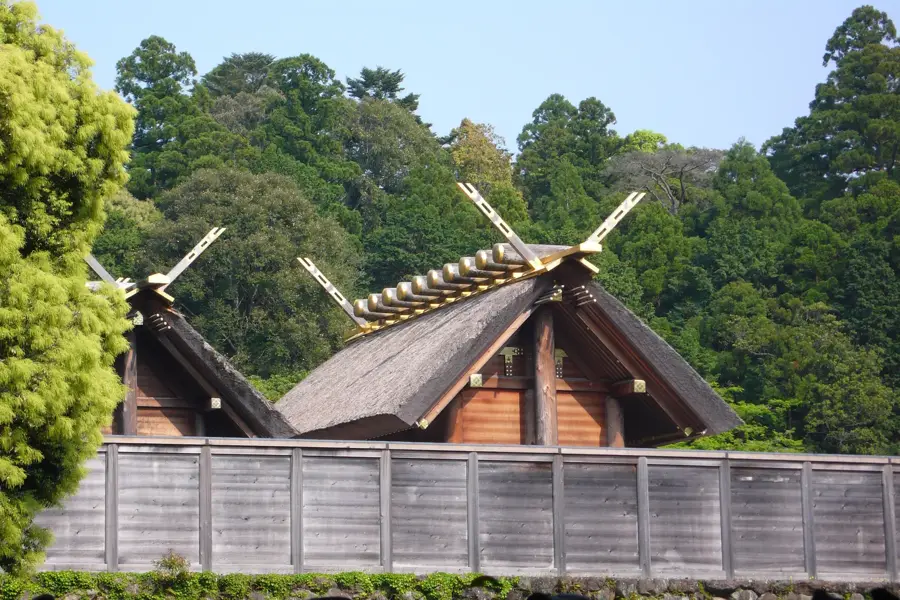
The Ise Grand Shrine (Ise Jingu), located in Mie Prefecture, is regarded as the most sacred Shinto shrine in Japan. It is dedicated to the sun goddess Amaterasu Omikami, the mythical ancestor of the Japanese Imperial family. The complex consists of 125 individual shrines centered around two main areas: the Inner Shrine (Naiku) and the Outer Shrine (Geku). A defining tradition is the Shikinen Sengu, where the main shrine buildings are completely reconstructed every 20 years to symbolize ritual purity and renewal. The most recent reconstruction, the 62nd since the 7th century, was completed in 2013. The architecture follows the primitive Shinmei-zukuri style, derived from ancient Japanese rice granaries, characterized by unpainted wood and no nails. Access to the innermost sanctums is restricted to the Emperor and high-ranking priests. Surrounded by ancient cypress forests, the shrine serves as a timeless symbol of Japanese spiritual life and cultural heritage.

Best time to visit & climate

The most pleasant time to visit is May, Jun, Sep.

JanFebMarAprMayJunJulAugSepOctNovDec
Avg °C23611162025252115104
Rain mm708012515817922823320626622210073

📋 Practical info

🚪
Visiting
Visitors can walk through the serene, ancient forested grounds of both the Naiku (Inner Shrine) and Geku (Outer Shrine) complexes. However, access to the central, most sacred buildings is strictly limited, and visitors may only view them from beyond the wooden fences.
🕒
Typical hours
The broad shrine grounds are typically open to the public from early morning, often starting at sunrise, until late afternoon or early evening. General opening hours can vary slightly depending on the specific season and the occurrence of traditional Shinto festivals.
📷
Photography
Photography is widely welcomed along the forest paths and around the general shrine precincts, easily capturing the majestic cedar trees and torii gates. Taking pictures is strictly prohibited beyond certain marked points near the main sanctuaries for spiritual purity.
⏱️
Time needed
Experiencing both the Outer and Inner Shrines comprehensively usually requires setting aside at least a dedicated half-day. Traveling locally between the two main complexes and walking the extensive, peaceful grounds naturally extends the overall duration of the visit.
Combine with
Most travelers enrich their itinerary by visiting the Oharaimachi and Okage Yokocho traditional market streets located just outside the Inner Shrine. Exploring the highly scenic coastline of the Ise-Shima region, famous for its cultured pearls, is another popular option.
🧭
Getting there
The grand shrines are easily accessible via the comprehensive Japanese railway network, with frequent trains connecting major cities to Iseshi or Ujiyamada stations. Efficient local buses and taxis provide seamless connections between the train stations and the complexes.
💡
Insider tip
Deep tradition dictates visiting the Geku (Outer Shrine) first before proceeding to the Naiku (Inner Shrine) to respectfully follow the proper spiritual order. Remember to bow at the torii gates and utilize the water pavilions to symbolically purify your hands and mouth.

Geography

Coordinates
34.45500, 136.72500

Facts

  • The entire shrine complex consists of 125 separate shrines.
  • The main structures are completely rebuilt every 20 years.
  • This rebuilding tradition has been practiced for over 1,300 years.
  • The buildings are constructed using joinery without any metal nails.
  • The Inner Shrine is traditionally believed to have been founded 2,000 years ago.
  • The shrine grounds encompass approximately 5,500 hectares of forest.

Explore nearby

Notable places around
Route planner — Car & Motorhome

Where do you start? We build the route here, with stops and country notes along the way.

Vehicle
Only stops with (optional):

© OpenStreetMap contributors · OpenRouteService

Sights in the town Ise Grand Shrine (7)

Mt. Asamagatake🌿 nature

This prominent mountain peak in the Ise region features sweeping views and historically serves as a natural protector for the nearby grand shrines.

Ise Shrine⛪ religious

Japan's most sacred Shinto shrine is dedicated to the sun goddess Amaterasu and is ritually completely rebuilt every 20 years.

🕒 Jan-Apr,Sep Mo-Su 05:00-18:00; May-Aug Mo-Su 05:00-19:00; Oc🆓

Uji Bridge📍 landmark

This 100-meter-long wooden bridge spans the Isuzu River, acting as the sacred entrance to the Inner Ise Shrine.

Sarutahiko Shrine⛪ religious

This Shinto shrine in the Ise region is dedicated to Sarutahiko Okami, the traditional kami of guidance and pathways.

Ama-no-Iwato📍 landmark

This sacred Shinto site near Ise is associated with the famous mythological cave where the sun goddess is said to have hidden.

Main shrine⛪ religious

This central shrine building in the Ise complex is constructed from unpainted wood in a traditional Japanese architectural style.

Kazahi Prayer Shrine📍 landmark

This Shinto shrine within the Ise Grand Shrine area is dedicated to the kami of wind and weather.

Sights nearby

Frequently asked questions

To whom is the Ise Grand Shrine dedicated?
The main shrine (Naiku) is dedicated to Amaterasu Omikami, the sun goddess and ancestor of the imperial family.
Is it allowed to enter the buildings of the main shrine?
No, the innermost areas are screened by high fences and accessible only to priests and the imperial family.
Why is the shrine rebuilt every 20 years?
This ritual (Shikinen Sengu) symbolizes the renewal of nature and preserves ancient carpentry techniques.
What is the difference between Geku and Naiku?
Geku is the outer shrine for the goddess of food, while Naiku is the inner and most sacred shrine.
What etiquette applies during the visit?
Bow before the Torii gates and purify your hands at the Temizuya fountain; photography in the inner areas is prohibited.
Ise Grand Shrine: where is it located?
Ise Grand Shrine is located in Japan.
Ise Grand Shrine: what is there to see?
Highlights include Mt. Asamagatake, Ise Shrine, Uji Bridge.
Ise Grand Shrine: when is the best time to visit?
The most pleasant time to visit is May, Jun, Sep.
Ise Grand Shrine: why is it worth visiting?

The Ise Grand Shrine (Ise Jingu), located in Mie Prefecture, is regarded as the most sacred Shinto shrine in Japan.
View on map → The Top 50 Attractions → OpenStreetMap →
Asia
Explore with Plizio Discover more places in Asia
More places in Japan →

Nearby cities

History & landmarks

Nature
More places