Plizio Visual Lab

Mount Fuji
Plizio editorial teamData Sources
Mountain
—°9
Mount Fuji (Japan)

Weather…

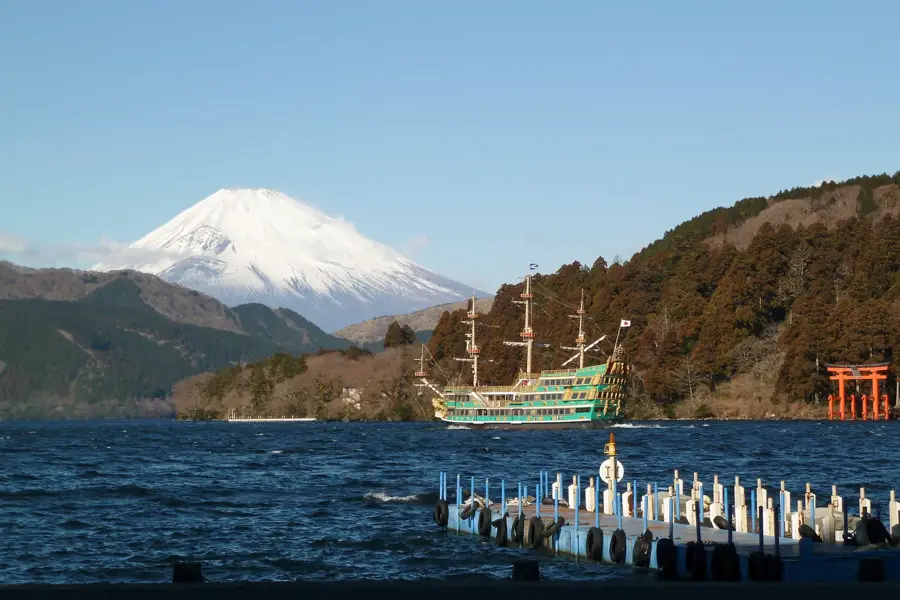
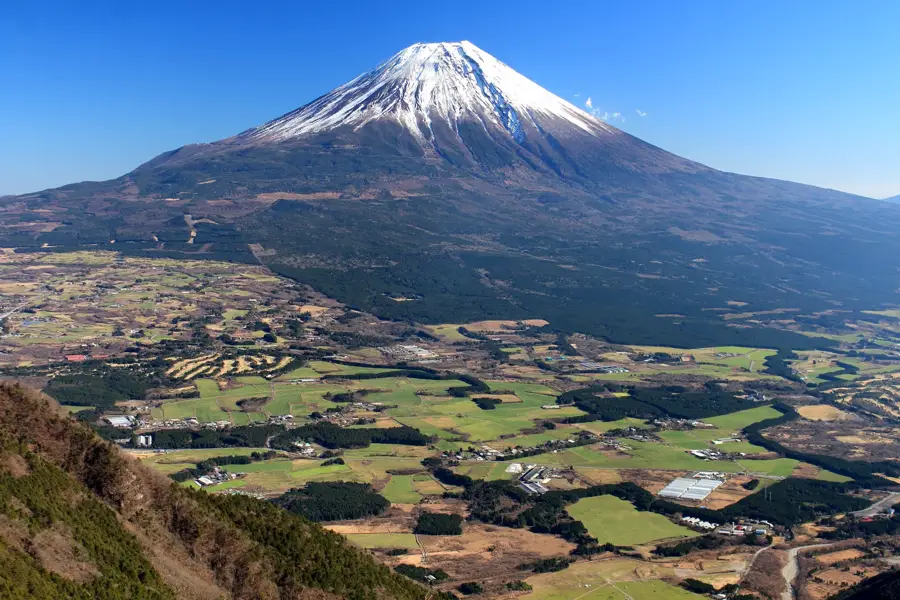
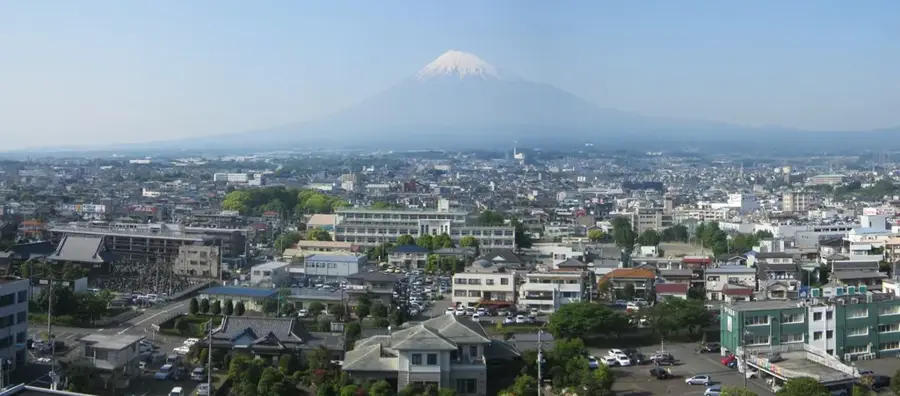
Mount Fuji is a remarkable feature of the geography and culture of Japan. Mount Fuji is the highest mountain in Japan and an active volcano. It is famous for its symmetrical cone and is considered a sacred mountain. Elevation: 3,776 meters. Last erupted in 1707. Part of Fuji-Hakone-Izu National Park. This landform shapes the topography of Japan, between the main islands of Honshu, Hokkaido, Kyushu, and Shikoku, dominated by volcanic mountain ranges. Like many notable places in Japan, it combines regional character with the legacy of the samurai tradition, Shinto and Buddhist heritage, and the modern industrial nation. Thus, this place contributes to the diverse profile of Japan, from Mount Fuji and Tokyo to the volcanic island arc along the Pacific.

Best time to visit & climate

The most pleasant time to visit is Jun, Aug, Sep.

JanFebMarAprMayJunJulAugSepOctNovDec
Avg °C-114915192323201482
Rain mm61711151271401742091592011938564

📋 Practical info

🧭
Getting there
Access is typically via established trailheads like the 5th Station, which can be reached by buses from Tokyo or surrounding cities. The actual ascent usually begins from these designated base areas.
📅
Best season
The official climbing season usually runs from early July to early September when the trails are free of snow and the mountain huts are open. Outside this period, climbing is highly dangerous and often prohibited.
⛰️
Terrain & paths
The terrain consists of steep, rocky paths made of volcanic ash that require stamina and surefootedness. The final sections before the summit are often particularly strenuous and prone to congestion.
🎒
What to bring
Sturdy hiking boots, warm layered clothing (it can freeze at the summit), a headlamp for night climbing, and sufficient water are essential. Trekking poles are highly recommended to relieve pressure on the knees.
🅿️
Parking
Paid parking lots are available at the lower base stations. However, during the peak season, private vehicles are often restricted, making the use of shuttle buses to the starting points mandatory.
⚠️
Safety
Altitude sickness poses a common risk, making a slow ascent for acclimatization important. Visitors should watch for sudden weather changes and always check the official volcanic activity warnings.
⏱️
Time needed
Most climbers need five to seven hours for the ascent and three to five hours for the descent. Very often, the hike is split over two days with an overnight stay in a traditional mountain hut.

Geography

Coordinates
35.36060, 138.72780

Facts

  • Mount Fuji is the highest mountain in Japan and an active volcano. It is famous for its symmetrical cone and is considered a sacred mountain.
  • Located within the island nation of Japan in the North Pacific.
  • Plays a role in the local identity of the region.
  • Known for its scenic or cultural significance.

Explore nearby

Notable places around
Route planner — Car & Motorhome

Where do you start? We build the route here, with stops and country notes along the way.

Vehicle
Only stops with (optional):

© OpenStreetMap contributors · OpenRouteService

Sights in the town Mount Fuji (9)

Fuji Omuro Sengen Shrine⛪ religious

The oldest shrine on Mount Fuji, dedicated to the deity of the volcano.

Kusushi Shrine⛪ religious

A Shinto shrine located right at the summit of Mount Fuji at the end of the Yoshida trail.

Mount Hoei🌿 nature

A prominent flank crater on the southeast side of Mount Fuji, formed during the great eruption of 1707.

Kengamine🌿 nature

The highest point in Japan at 3,776 meters, located on the western rim of Mount Fuji's summit crater.

Hakusandake Peak🌿 nature

A high peak on the northern rim of the Fuji crater, offering expansive views over the surrounding Five Lakes.

Fujisan Hongu Sengentaisha Okunomiya⛪ religious

A high-altitude Shinto shrine at the summit of Fuji, honoring the mountain deity as part of the World Heritage site.

Gotemba New 5th Station📍 landmark

The starting point of the Gotemba route, known for its long ascent through volcanic sand.

Fujinomiya 5th Station📍 landmark

A busy starting point for the Fujinomiya trail, accessible directly by car.

Ikazuchigaiwa📍 landmark

A distinctive volcanic rock formation along the path, whose name means "Thunder Rock".

Sights nearby

Frequently asked questions

When is the official climbing season for Mount Fuji?
The official season runs from early July to early September, when mountain huts are open and trails are clear of snow.
Do I need a permit to climb?
Starting in 2024, pre-registration and a fee of around 2000 JPY are mandatory for the popular Yoshida Trail.
How long does it take to climb to the summit?
From the 5th station, the ascent takes about 5-7 hours, while the descent takes roughly 3-5 hours.
Is the climb suitable for beginners?
Yes, it is not technically difficult, but it is physically demanding, and the altitude can cause altitude sickness.
What is 'Goraiko'?
Goraiko refers to the sunrise viewed from the summit of Mount Fuji, a spiritual highlight for many climbers.
Mount Fuji: where is it located?
Mount Fuji is located in Japan.
Mount Fuji: what is there to see?
Highlights include Fuji Omuro Sengen Shrine, Kusushi Shrine, Mount Hoei.
Mount Fuji: when is the best time to visit?
The most pleasant time to visit is Jun, Aug, Sep.
Mount Fuji: why is it worth visiting?
Mount Fuji is a remarkable feature of the geography and culture of Japan.
View on map → The Top 50 Attractions → OpenStreetMap →
Asia
Explore with Plizio Discover more places in Asia
More places in Japan →

Nearby cities

History & landmarks
More places