Plizio Visual Lab
Daisetsuzan Volcanic Plateau
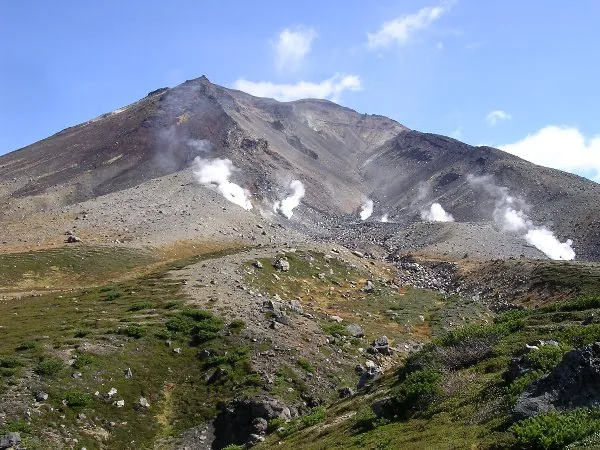
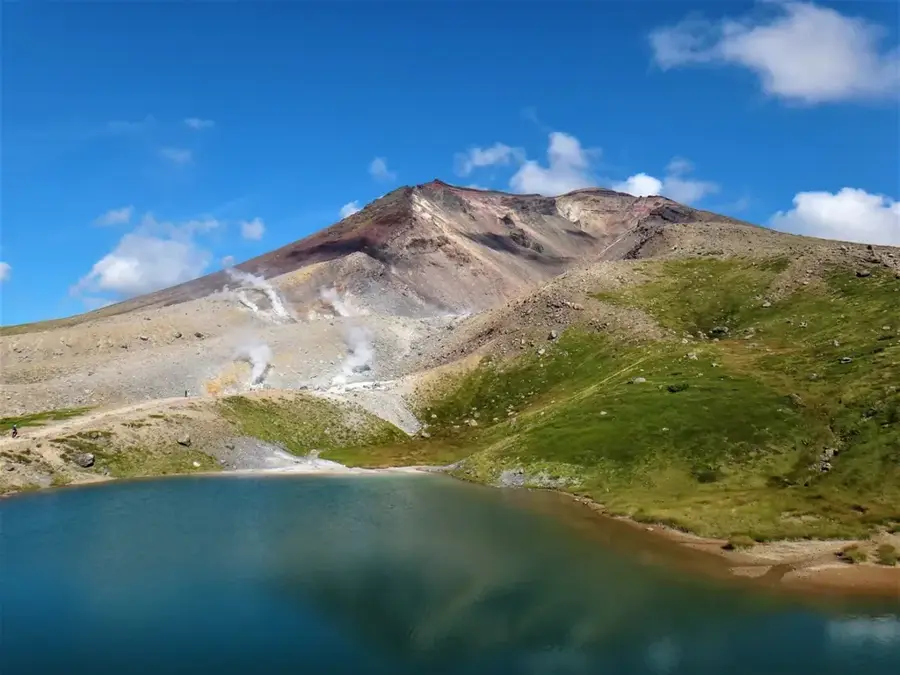
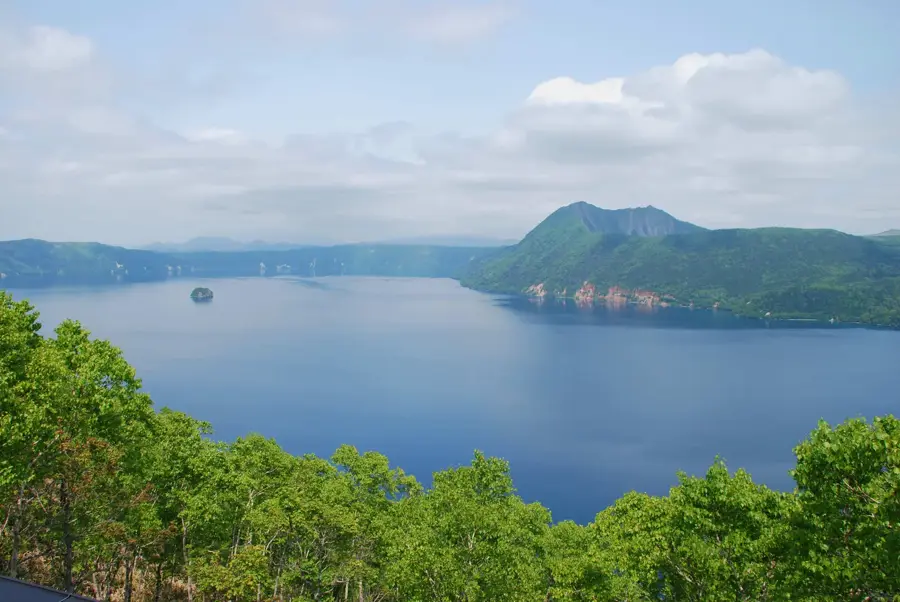
Daisetsuzan Volcanic Plateau is a remarkable feature of the geography and culture of Japan. An extensive volcanic plateau in Hokkaido, often called the 'Roof of Hokkaido'. It is part of Japan's largest national park. Home to Mount Asahi, Hokkaido's tallest peak. Known for its alpine flora. The name means 'Great Snowy Mountain'. This landform shapes the topography of Japan, between the main islands of Honshu, Hokkaido, Kyushu, and Shikoku, dominated by volcanic mountain ranges. Like many notable places in Japan, it combines regional character with the legacy of the samurai tradition, Shinto and Buddhist heritage, and the modern industrial nation. Thus, this place contributes to the diverse profile of Japan, from Mount Fuji and Tokyo to the volcanic island arc along the Pacific.
Explore on the map
How well do you know Japan?
Find cities, landscapes and regions in 10 varied challenges on the interactive map.
Your journey, your memory
A postcard from Daisetsuzan Volcanic Plateau
Turn your own photo into a personal postcard with a local stamp. Free and no sign-up required.
Create a postcard- Location: Japan
- Highlights: Kinko-iwa Rock · False Kinko-iwa Rock · View Point 5
- Nearby: Asahikawa (41 km)
Best time to visit & climate
The most pleasant time to visit is Jun–Aug.
| Jan | Feb | Mar | Apr | May | Jun | Jul | Aug | Sep | Oct | Nov | Dec | |
|---|---|---|---|---|---|---|---|---|---|---|---|---|
| Avg °C | -13 | -12 | -8 | -1 | 7 | 12 | 16 | 17 | 12 | 5 | -3 | -10 |
| Rain mm | 55 | 47 | 54 | 58 | 81 | 92 | 123 | 153 | 124 | 106 | 86 | 81 |
📋 Practical info
Geography
Facts
- An extensive volcanic plateau in Hokkaido, often called the 'Roof of Hokkaido'. It is part of Japan's largest national park.
- Located within the island nation of Japan in the North Pacific.
- Plays a role in the local identity of the region.
- Known for its scenic or cultural significance.
Explore nearby
Notable places around
Route planner — Car & Motorhome
Where do you start? We build the route here, with stops and country notes along the way.
© OpenStreetMap contributors · OpenRouteService
Sights in the town Daisetsuzan Volcanic Plateau (6)
Di 4Zhan Wang Tai
Observation deck on the plateau, offering wide views of the volcanic landscape.
Mt. Mamiya
Mountain in Hokkaido, Japan, in the Daisetsuzan massif, popular with climbers.
Nakadake hot spring
Hot spring on the plateau, natural thermal water outdoors.
Sights nearby
Frequently asked questions
Where is the Daisetsuzan Plateau located?
Why is the area famous for autumn colors?
Are there wild animals there?
How do you get to the plateau?
What does the name Daisetsuzan mean?
Daisetsuzan Volcanic Plateau: where is it located?
Daisetsuzan Volcanic Plateau: what is there to see?
Daisetsuzan Volcanic Plateau: when is the best time to visit?
Daisetsuzan Volcanic Plateau: why is it worth visiting?

Nearby cities
Nature
More places