Eurochocolate
Major chocolate festival held every autumn in Perugia, home of chocolate maker Perugina. Visitors enjoy tastings, chocolate sculptures and stalls from around the world.
Plizio Visual Lab
A flatbread typical of Umbria, cooked on a cast-iron pan and stuffed with cured meats or greens. Grab one at a street food spot in the center.
Famous chocolate kisses filled with hazelnut. You can find them in almost any pastry shop or café on Corso Vannucci.
A thick, hand-made pasta typical of the region, often served with black truffle shavings. Best enjoyed in a traditional osteria or trattoria.
Umbria is famous for its truffles. Look for specialized delicatessens offering truffle oil, sauces, and preserved truffles.
Just south of Perugia, Deruta is famous for its majolica pottery. You can find beautiful hand-painted plates and bowls in specialty shops in the historic center.
A small park at the end of Corso Vannucci offering spectacular, sweeping views over the Umbrian valleys and countryside.
Located in a quieter, residential part of the upper town, this ancient circular church and its surrounding green area provide a peaceful escape.
Water temperature…
Major chocolate festival held every autumn in Perugia, home of chocolate maker Perugina. Visitors enjoy tastings, chocolate sculptures and stalls from around the world.
The international chocolate festival returns to Perugia’s historic center for ten days of tastings, themed installations, and demonstrations.
A food-focused festival in Pretola celebrating local Canaiola wine and traditional Umbrian products with public programming.
A community festival in Sant'Erminio with food stands and local activities in the Perugia area.
A multi-day local festival in the Capanne area featuring regional food, sports activities, and evening entertainment in Perugia.
One of Europe's most important jazz festivals, held every July in Perugia. Over ten days international stars perform on stages across the old town, with many concerts free of charge.
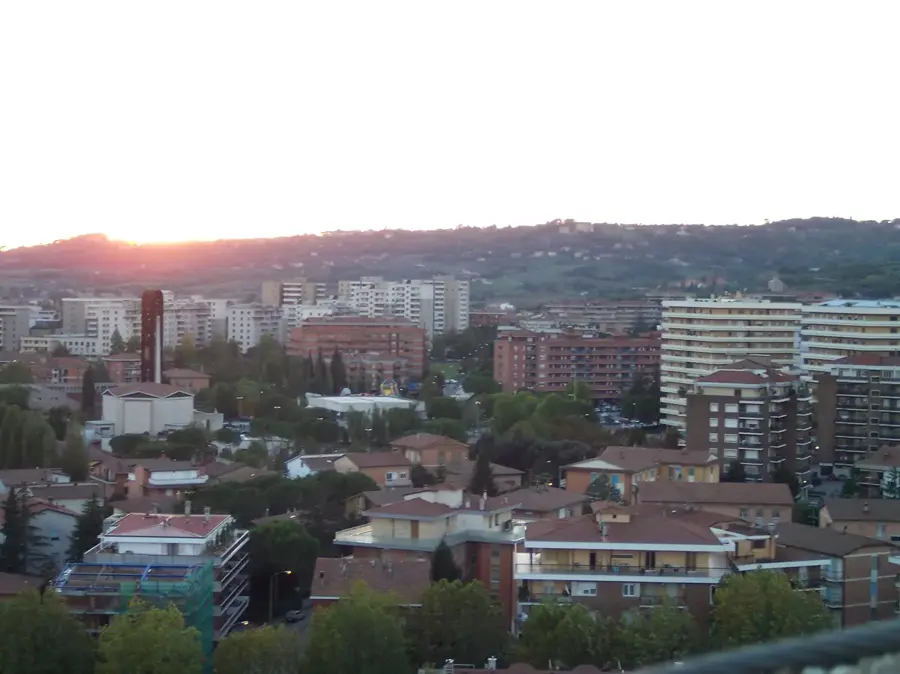
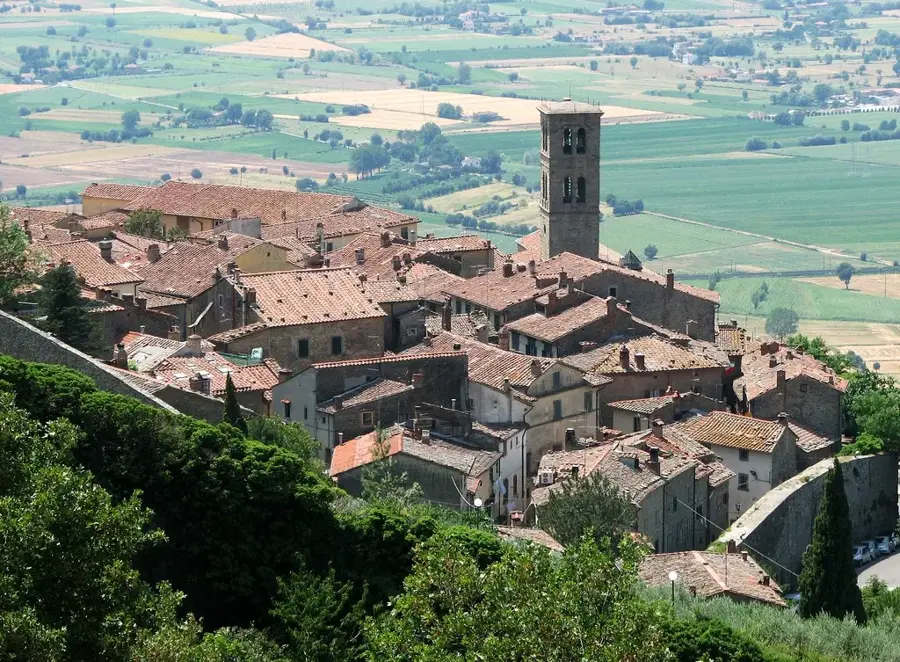
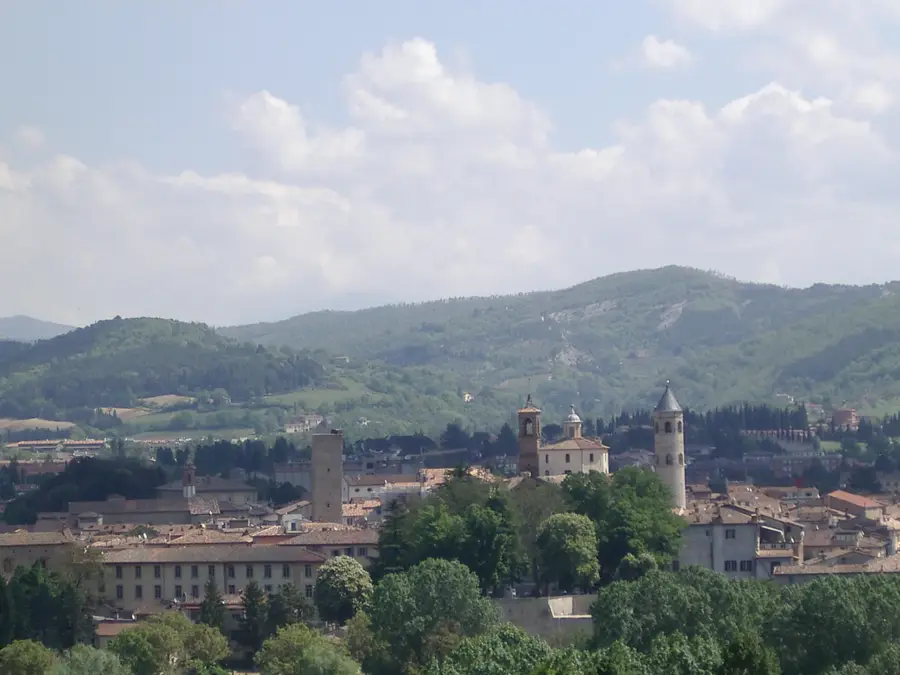
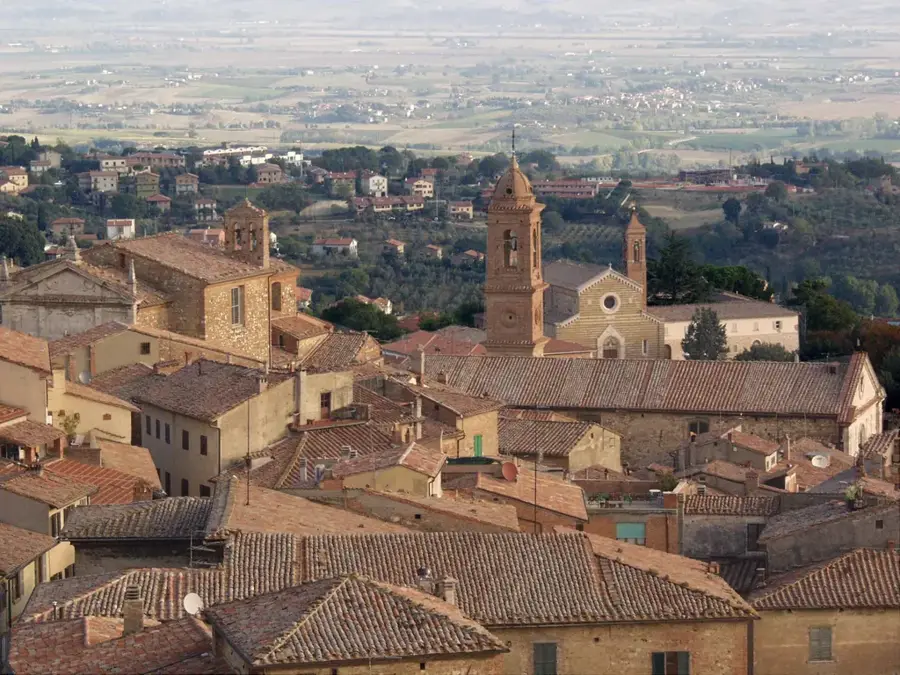
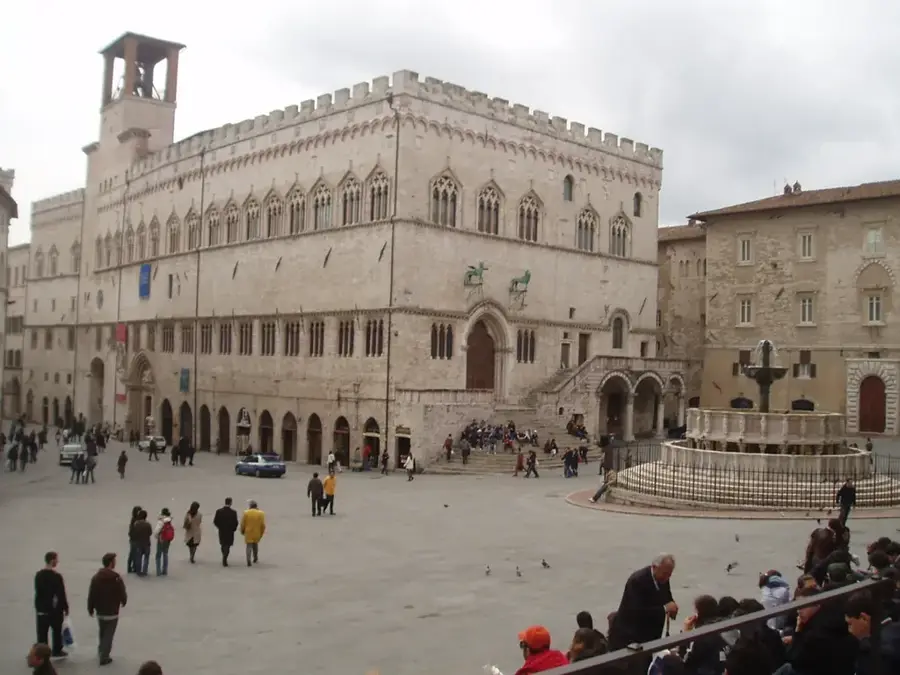
Perugia is the capital of the Umbria region and remains one of Italy's most remarkably preserved medieval cities, perched on a dominant hill overlooking the Tiber Valley. Its history spans over 2,500 years, dating back to the Etruscan civilization, evidenced today by monuments such as the massive Etruscan Arch and significant portions of ancient city walls. During the Middle Ages, Perugia emerged as a powerful independent city-state, a grandeur still visible in the monumental buildings of Piazza IV Novembre, including the Palazzo dei Priori and the intricate Fontana Maggiore. Geographically, the city's steep terrain led to the implementation of innovative transport solutions like the 'Minimetrò' and extensive escalators that navigate through the historic Rocca Paolina fortress. The city is a premier educational hub, home to the centuries-old University of Perugia and the prestigious University for Foreigners, which draws students globally. Perugia is also internationally acclaimed for its chocolate-making tradition, specifically the Perugina brand and the annual 'Eurochocolate' festival. Umbrian cuisine, celebrated for its truffles and handmade pastas, remains central to the city's cultural identity. Today, Perugia masterfully blends its ancient Etruscan and medieval heritage with an animated, modern atmosphere as a center for international art and culture.
Explore on the map
Find cities, landscapes and regions in 10 varied challenges on the interactive map.
Your journey, your memory
Turn your own photo into a personal postcard with a local stamp. Free and no sign-up required.
Create a postcardThe most pleasant time to visit is Jun–Aug.
| Jan | Feb | Mar | Apr | May | Jun | Jul | Aug | Sep | Oct | Nov | Dec | |
|---|---|---|---|---|---|---|---|---|---|---|---|---|
| Avg °C | 4 | 5 | 8 | 12 | 16 | 21 | 25 | 25 | 19 | 15 | 10 | 5 |
| Rain mm | 63 | 72 | 70 | 61 | 69 | 45 | 35 | 38 | 76 | 79 | 109 | 83 |
See what it looks like near Perugia right now.
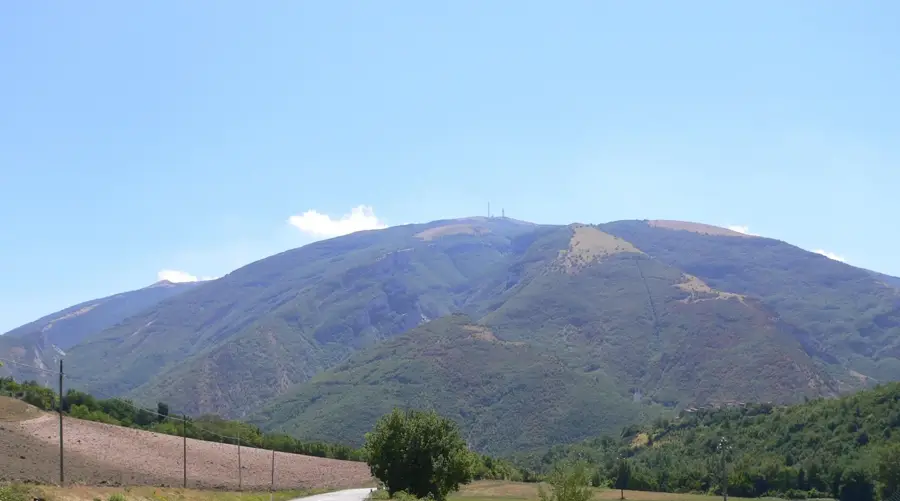
Perugia › South-west: Saint Giuliana - Monte Subasio · 0.4 km · Open webcam on Windy · Webcams provided by Windy.com
Notable places around
Where do you start? We build the route here, with stops and country notes along the way.
© OpenStreetMap contributors · OpenRouteService
Morning begins in the heart of Perugia at Piazza IV Novembre, soaking in history. Midday is for admiring the art treasures of the National Gallery and descending into the Etruscan underworld. The afternoon leads through the imposing Etruscan gate, before ending the day in the mystical vaults of Rocca Paolina.
The bike tour starts at the Etruscan gate and leads uphill to the Sant'Angelo Temple. After a swift descent, you reach the historical center. The afternoon is dedicated to the grand Basilica San Domenico and the underground passages of Rocca Paolina, mastering the steep streets with a sporty spirit.
By car, you park conveniently at the city's edge and explore the clusters on foot. The morning belongs to Rocca Paolina and the center. After a short drive north, admire the ancient gate and Sant'Angelo Temple. The afternoon takes you south to Basilica San Domenico before returning to the National Gallery.