Plizio Visual Lab
Makassar
ℹ️Practical info — Makassar
▾
🌤 Weather — 5 days
📍 Nearby
Sights nearby
💡 Tips
- Grab and Gojek are the easiest way to get around, as the local "pete-pete" minivans can be confusing for visitors.
- Losari Beach is the classic sunset spot, but expect large crowds and many food vendors in the evening.
- Visit Fort Rotterdam early in the morning before the tropical heat peaks.
- Paotere Harbor is excellent for seeing traditional Bugis Phinisi schooners; the best time to visit is at sunrise.
- Carry smaller Indonesian Rupiah bills for street vendors and small warungs.
🍽 Food
Find this traditional beef soup at local street side stalls or warungs around Jalan Gagak.
Grilled banana with palm sugar sauce, served by carts along Losari Beach in the evening.
Try this rich meat stew with grated coconut at traditional eateries near Jalan Serigala.
🛍 Shopping · 🧘 Quiet spots
The main stretch for gold jewelry, traditional Bugis silk, and local souvenirs.
A bustling market for textiles and everyday goods; be prepared to bargain.
The inner courtyard of the fort provides a surprisingly peaceful oasis in the city center.
A short boat ride away, offering quiet beaches compared to the city hustle.
Water temperature…
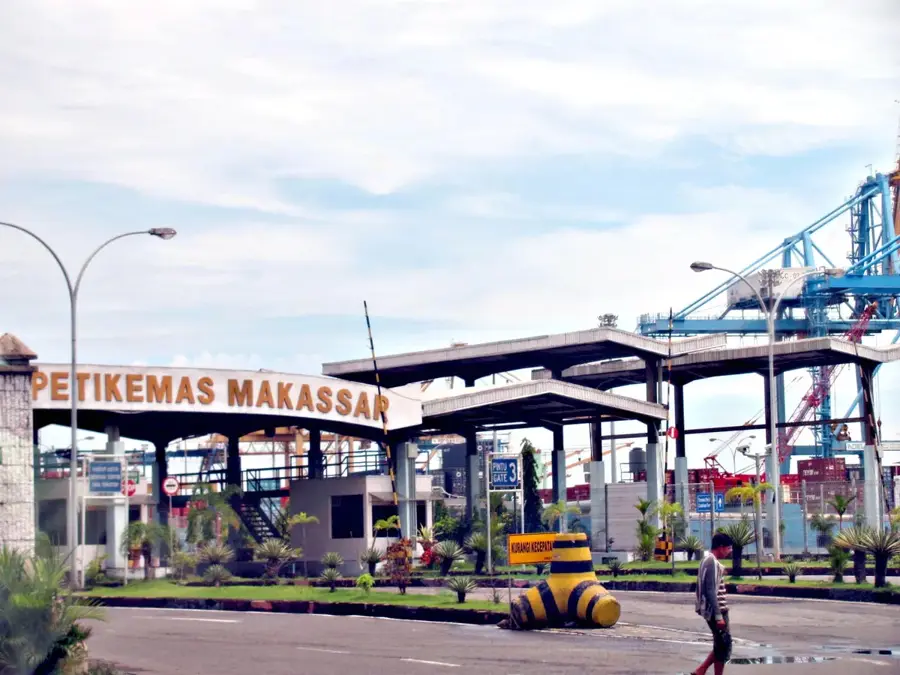
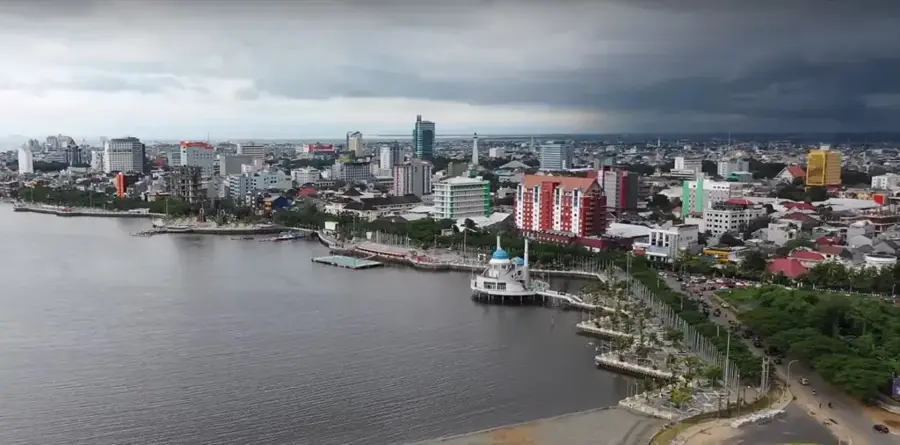
Makassar, the provincial capital of South Sulawesi, stands as the preeminent urban center and economic gateway to Eastern Indonesia. Strategically positioned along the Makassar Strait, the city has historically served as a vital link for maritime trade between the western archipelagos and the spice-rich Moluccas. The city's prominence rose significantly under the Gowa Sultanate in the 16th century, establishing itself as a cosmopolitan hub where traders from China, India, and Europe converged. The local Bugis and Makassarese people are internationally renowned for their seafaring heritage, having perfected the art of building the Phinisi schooner, a majestic two-masted sailing vessel that remains a symbol of Indonesian maritime pride. Colonial history is deeply etched into the city's fabric, most notably through Fort Rotterdam, a 17th-century Dutch fortification built upon the foundations of an earlier Gowa fort. For several decades in the late 20th century, the city was officially known as Ujung Pandang before reverting to its original name in 1999. Modern Makassar is a bustling metropolis characterized by rapid urbanization and infrastructure development, including an expansive international airport and a modern seaport. The economy is driven by its role as a distribution hub, a center for fisheries, and an emerging player in the manufacturing industry. Culturally, Makassar is celebrated for its unique culinary landscape; the savory beef soup known as Coto Makassar is a staple that reflects the city's rich history. The Losari Beach waterfront is the city's iconic public space, featuring the unique floating mosque and serving as a focal point for social gatherings. As the largest city in Sulawesi, it also serves as a critical educational hub, home to Hasanuddin University and various research institutions. Makassar continues to balance its rapid modernization with a steadfast preservation of its traditional values, making it a compelling study of a historical port city evolving into a 21st-century regional powerhouse.
Explore on the map
How well do you know Indonesia?
Find cities, landscapes and regions in 10 varied challenges on the interactive map.
Your journey, your memory
A postcard from Makassar
Turn your own photo into a personal postcard with a local stamp. Free and no sign-up required.
Create a postcard- Location: Indonesia
- Highlights: Museum Ballaʼ Lompoa · lurah gunung sari · Baruga Somba Opu
- Population: ~1.474.393 (2026)
Best time to visit & climate
The most pleasant time to visit is Jul–Sep.
| Jan | Feb | Mar | Apr | May | Jun | Jul | Aug | Sep | Oct | Nov | Dec | |
|---|---|---|---|---|---|---|---|---|---|---|---|---|
| Avg °C | 27 | 27 | 27 | 28 | 28 | 27 | 27 | 27 | 28 | 29 | 28 | 27 |
| Rain mm | 344 | 249 | 219 | 156 | 83 | 65 | 27 | 12 | 26 | 65 | 151 | 370 |
Geography
Facts
- The city was officially known as Ujung Pandang from 1971 to 1999.
- Fort Rotterdam was originally a Gowa fort before being captured by the Dutch in 1667.
- Makassar is the primary gateway for trade and travel to Eastern Indonesia.
- The Phinisi boat-building tradition of the region is recognized by UNESCO.
- Sultan Hasanuddin International Airport is a major hub connecting Sulawesi to the world.
- Pantai Losari is a 3.7 km long waterfront area and the city's most popular landmark.
- The city's economy is heavily based on its status as a regional logistics hub.
- Makassar was once one of the most important spice trade ports in the 17th century.
Route planner — Car & Motorhome
Where do you start? We build the route here, with stops and country notes along the way.
© OpenStreetMap contributors · OpenRouteService
Your walking tour begins in the heart of the city, exploring the striking Dutch colonial legacy at Gedung Mulo. As midday approaches, you will stroll down towards the iconic Globe, a small but significant historical marker. The afternoon takes you further south to honor local heroes at a prominent veteran monument, followed by modern art. Evening settles in as you reach a dedicated cultural center, wrapping up a day of immersive local heritage.
Gedung Mulo
Globe
South Ujung Veteran Monument
SIKU Integrated Space
Sanggar Tongkonan Art
The morning in Makassar starts under the colonial arches of Gedung Mulo, providing shelter from the first showers. At noon, we navigate the glistening streets toward the Globe, enjoying the refreshed tropical air. In the afternoon, we seek refuge in the SIKU space while the rain pours outside. The evening ends in the cozy atmosphere of Sanggar Tongkonan studio, where art feels especially poignant with the sound of rain on the roof.
Gedung Mulo
Globe
South Ujung Veteran Monument
SIKU Integrated Space
Sanggar Tongkonan Art
On a clear winter morning in Makassar, the air at Gedung Mulo is pleasantly mild. We take advantage of the cooler midday hours at the Globe monument before the tropical sun gains strength. In the afternoon, the low winter sun paints the veteran monument in golden hues. Since the sun sets early around 17:00, we enjoy the early evening in the illuminated interiors of SIKU and the art studios.
Gedung Mulo
Globe
South Ujung Veteran Monument
SIKU Integrated Space
Sanggar Tongkonan Art
Start your cycling adventure at the colonial Gedung Mulo before smoothly pedaling towards the city's historical Globe. By midday, navigate the lively streets down to the veteran monument, soaking in the dynamic local atmosphere as you ride. Your afternoon is filled with creativity as you visit vibrant cultural hubs, including SIKU and the artistic Vemoza space. The day concludes with rich traditional performances at Sanggar Celebes, perfectly capping off an active cultural journey.
Gedung Mulo
Globe
South Ujung Veteran Monument
SIKU Integrated Space
Vemoza
Gunung Sari Urban Village
Celebes Indonesia Art Studio
Cycling in the rain requires caution in Makassar but offers a dynamic perspective. In the morning, we stop at Gedung Mulo to adjust our dry gear. At noon, we glide carefully toward the Globe and the monument, always mindful of slippery roads. SIKU and Vemoza offer ideal pit stops to dry off. We end the evening with art at Celebes Studio while city lights dance on the wet asphalt.
Gedung Mulo
Globe
South Ujung Veteran Monument
SIKU Integrated Space
Vemoza
Gunung Sari Urban Village
Celebes Indonesia Art Studio
A winter day on the bike starts refreshingly at Gedung Mulo. At noon, we cycle under the mild sun toward the Globe and the veteran monument, enjoying the pleasant temperatures. In the afternoon, we explore Vemoza and Gunung Sari village in the soft light of early dusk. Since it gets dark around 17:00, we finish our ride at the warm lights of the Celebes art studio.
Gedung Mulo
Globe
South Ujung Veteran Monument
SIKU Integrated Space
Vemoza
Gunung Sari Urban Village
Celebes Indonesia Art Studio
Your driven tour kicks off smoothly at Gedung Mulo and the historic Globe, exploring the central city's colonial past. Midday brings you to the sprawling Somba Opu historical park, where ancient regional heritage and architecture truly come alive. The afternoon dives deeper into royal history with visits to the esteemed Pattinngalloang Museum and a legendary old mosque. End the evening admiring the grandeur of the reconstructed Balla Lompoa palace and vibrant artworks at Rumah Seni Kasumba.
Gedung Mulo
Globe
Baruga Somba Opu
Karaeng Pattinngalloang Museum
Old Katangka Mosque
Ballaʼ Lompoa Museum
Kasumba Art House
Exploring Makassar by car is the most comfortable choice during the rain. In the morning, we visit Gedung Mulo and the Globe, with the car serving as the perfect base. At noon, we dive into the history of Somba Opu and the Karaeng Museum, sheltered from tropical downpours. In the afternoon, we see the Katangka Mosque and Balla Lompoa before spending a dry evening at Kasumba Art House.
Gedung Mulo
Globe
Baruga Somba Opu
Karaeng Pattinngalloang Museum
Old Katangka Mosque
Ballaʼ Lompoa Museum
Kasumba Art House
A winter day in Makassar is best enjoyed in the air-conditioned comfort of a car. In the morning, we visit Gedung Mulo and the Globe in the mild winter light. At noon, our journey leads to Baruga Somba Opu and the Karaeng Museum, taking advantage of the season's pleasant coolness. In the afternoon, we see Katangka and Balla Lompoa before the early 17:00 sunset leads us to finish at Kasumba Art House.
Gedung Mulo
Globe
Baruga Somba Opu
Karaeng Pattinngalloang Museum
Old Katangka Mosque
Ballaʼ Lompoa Museum
Kasumba Art House
Sights in the town Makassar (12)
Frequently asked questions
What is the most important historical site in Makassar?
Where is the best place to watch the sunset?
What is Coto Makassar?
How do you get from Makassar to Tana Toraja?
Can you go diving near Makassar?
Makassar: where is it located?
Makassar: what is there to see?
Makassar: when is the best time to visit?
Makassar: why is it worth visiting?
Nearby cities
More places