Plizio Visual Lab
Nanda Devi National Park

Weather…
Water temperature…
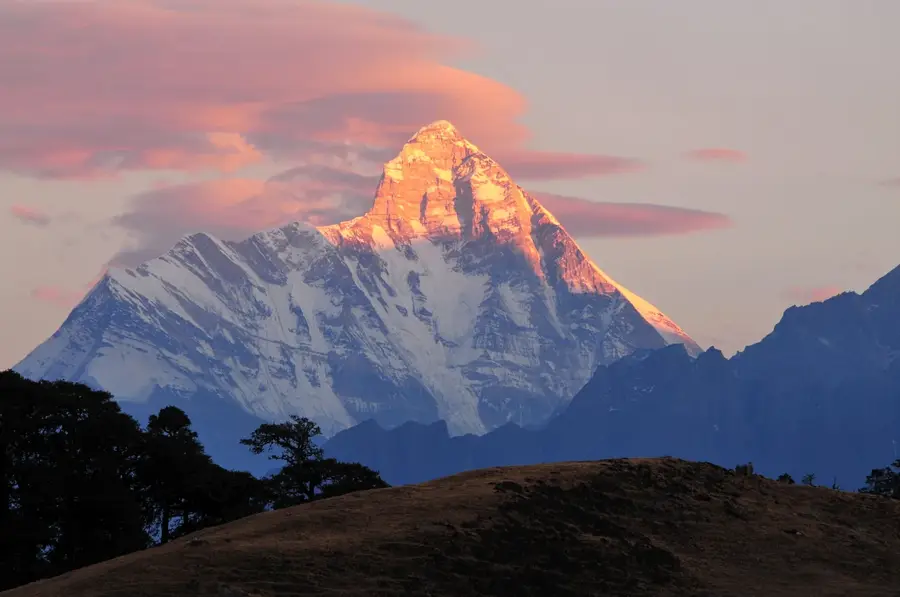
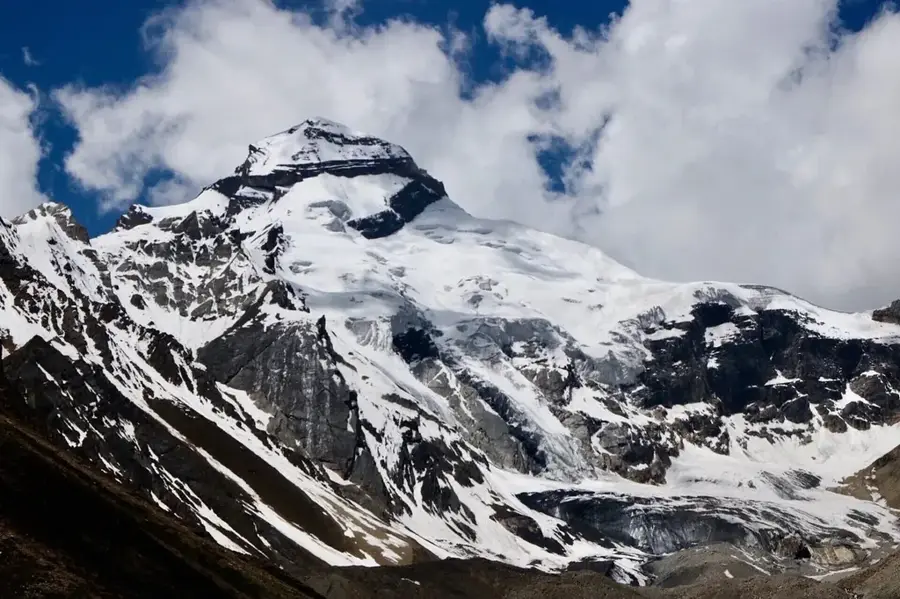
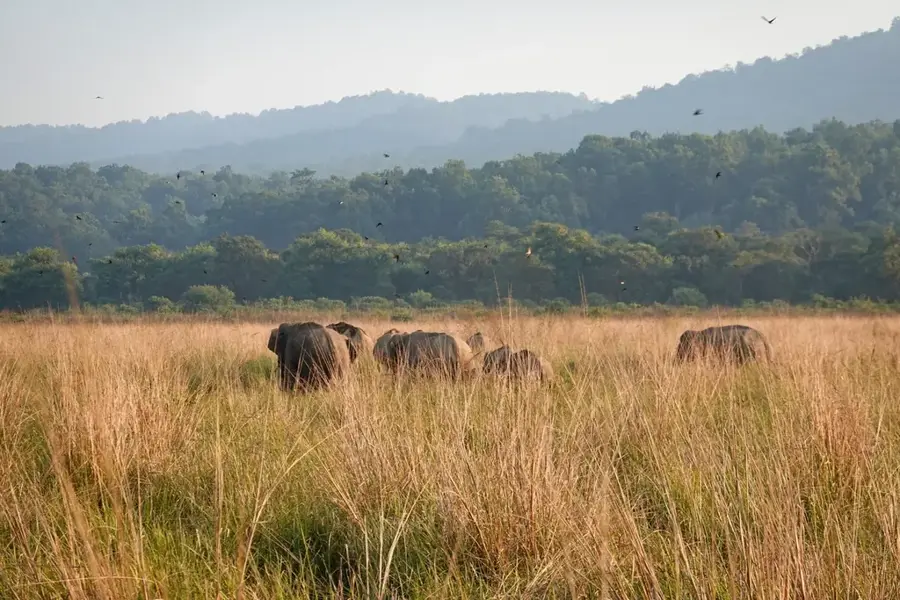
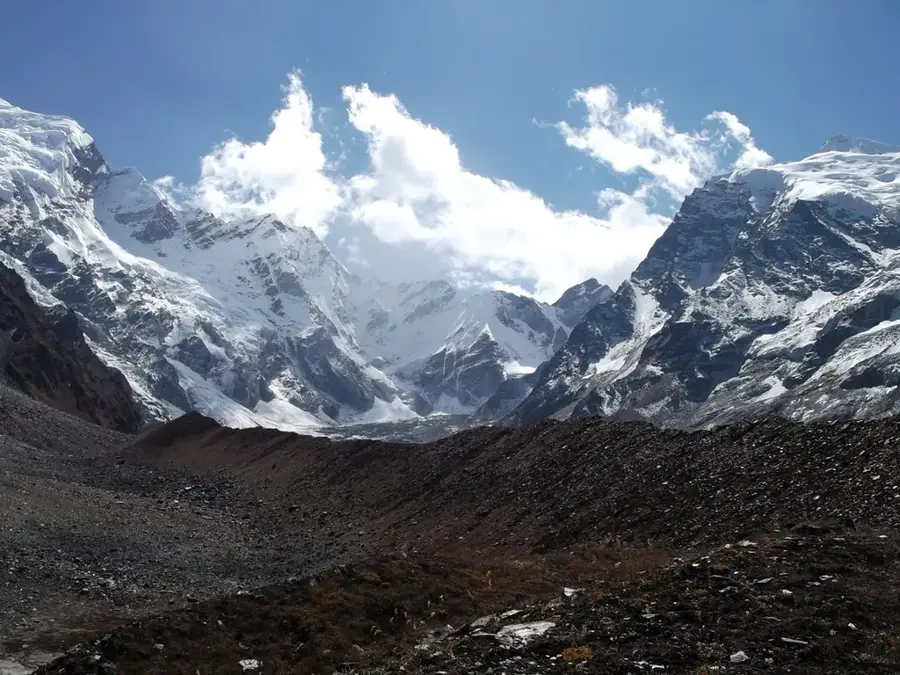
Nanda Devi National Park is situated in the Chamoli district of Uttarakhand, encompassing the spectacular surroundings of India's second-highest peak, Nanda Devi (7816 m). Established in 1982 and designated a UNESCO World Heritage Site in 1988, the park was later expanded in 2005 to include the neighboring Valley of Flowers National Park. The topography is characterized by the rugged and nearly inaccessible Rishi Ganga gorge, one of the deepest in the world, which has kept the ecosystem largely pristine. It hosts a diverse range of alpine flora and provides a critical habitat for rare high-altitude species such as the snow leopard, Himalayan musk deer, and bharal (blue sheep). To preserve its fragile environment, access to the core area of the park is strictly controlled and largely restricted for general tourism. The entire Nanda Devi Biosphere Reserve serves as a vital sanctuary for Himalayan biodiversity and endemic species. Beyond its ecological value, the peak holds immense religious significance as the 'Bliss-giving Goddess' in local Hindu traditions. Today, the park is a focal point for studying glacier retreat and the effects of climate change on alpine ecosystems.
Explore on the map
How well do you know India?
Find cities, landscapes and regions in 10 varied challenges on the interactive map.
Your journey, your memory
A postcard from Nanda Devi National Park
Turn your own photo into a personal postcard with a local stamp. Free and no sign-up required.
Create a postcard- Location: India
- Highlights: Kalanka · Changabang · Dunagiri
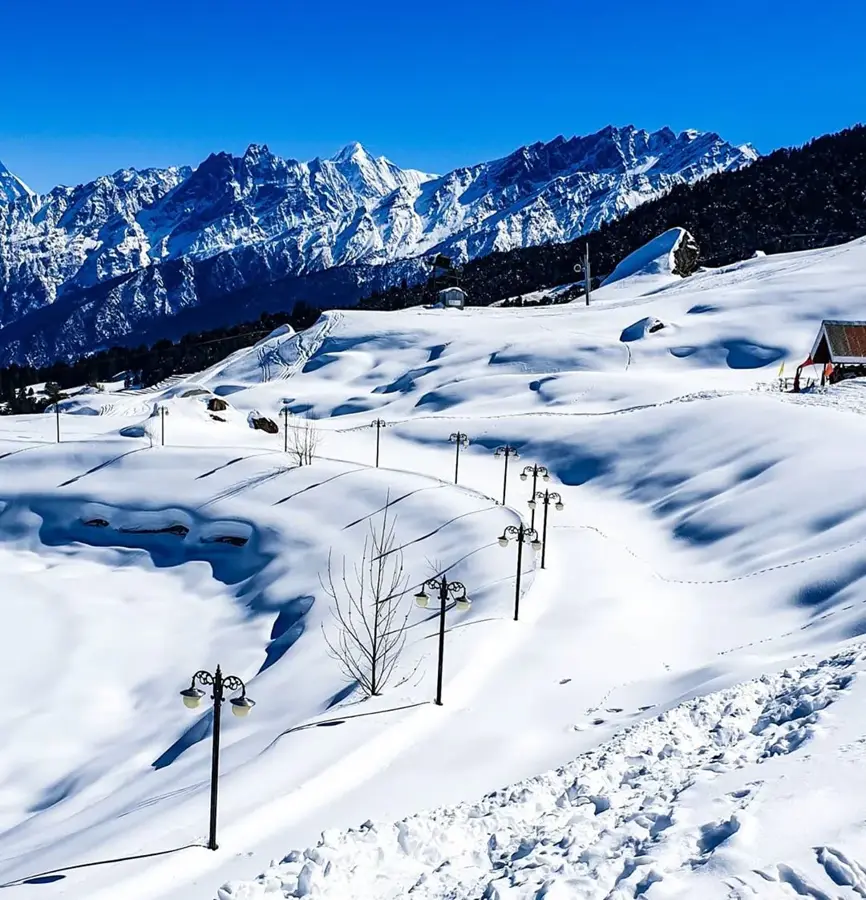
- Nearby: Auli (27 km)
Best time to visit & climate
The most pleasant time to visit is Jun, Aug, Sep.
| Jan | Feb | Mar | Apr | May | Jun | Jul | Aug | Sep | Oct | Nov | Dec | |
|---|---|---|---|---|---|---|---|---|---|---|---|---|
| Avg °C | -12 | -11 | -7 | -2 | 2 | 5 | 8 | 7 | 4 | -1 | -5 | -9 |
| Rain mm | 23 | 37 | 29 | 33 | 43 | 70 | 159 | 131 | 73 | 11 | 5 | 10 |
📋 Practical info
Geography
Facts
- Nanda Devi is India's second-highest mountain at 7816 meters.
- The national park was officially established in 1982.
- UNESCO designated the park a World Heritage Site in 1988.
- Public access to the core area remains strictly limited.
- The park provides a vital habitat for the endangered snow leopard.
- The Rishi Ganga gorge is among the deepest ravines on Earth.
Explore nearby
Notable places around

Route planner — Car & Motorhome
Where do you start? We build the route here, with stops and country notes along the way.
© OpenStreetMap contributors · OpenRouteService
Sights in the town Nanda Devi National Park (3)
Sights nearby
Frequently asked questions
Is the park open to tourists?
How difficult is the trekking?
What is unique about this park?
Can you climb Nanda Devi peak?
How do you get there?
Nanda Devi National Park: where is it located?
Nanda Devi National Park: what is there to see?
Nanda Devi National Park: when is the best time to visit?
Nanda Devi National Park: why is it worth visiting?

Nearby cities
More places