Plizio Visual Lab

Hampi Ruins
Plizio editorial teamData Sources
ruin
—°8
Hampi Ruins (India)

Weather…

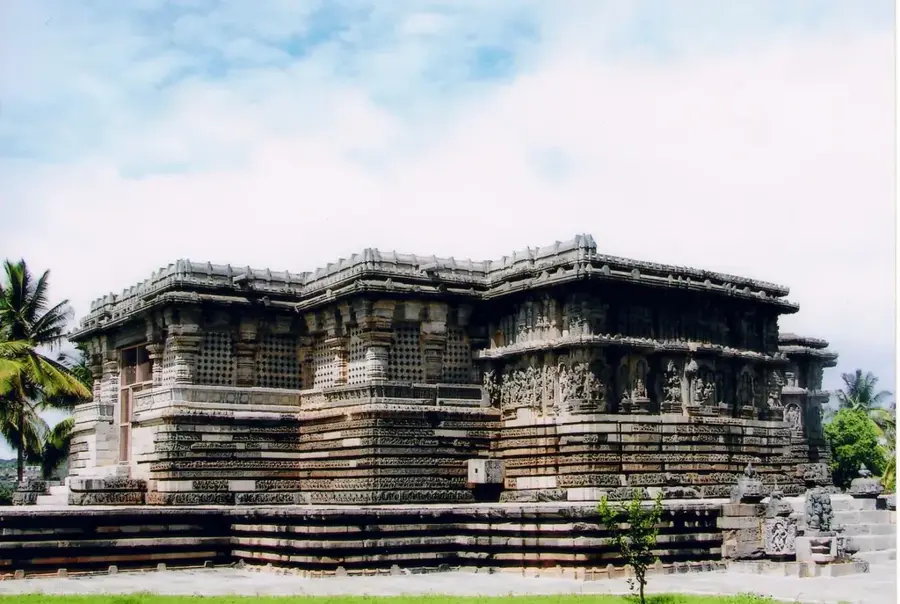
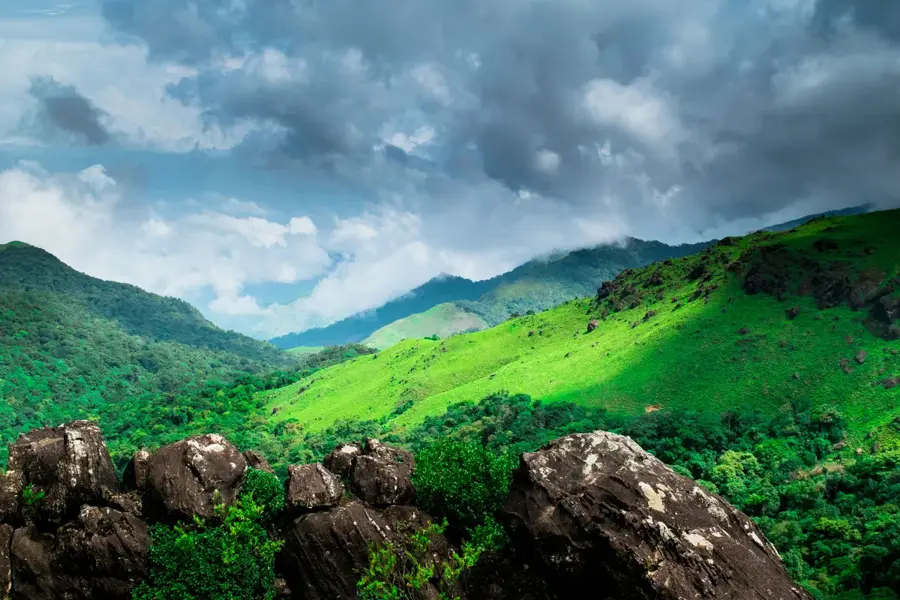
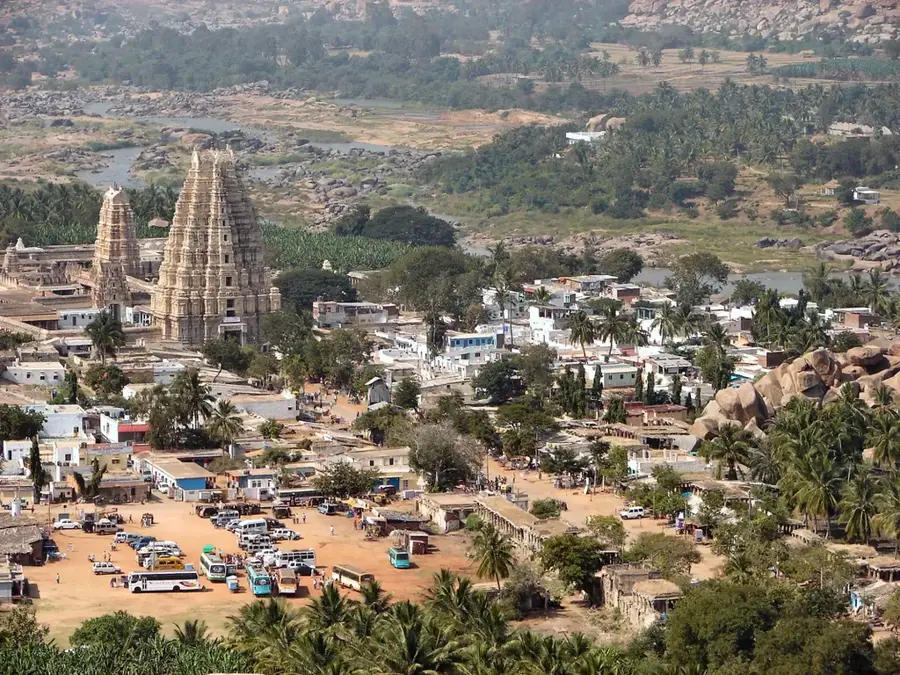
Hampi, located on the banks of the Tungabhadra River in Karnataka, served as the magnificent capital of the Vijayanagara Empire from the 14th to the 16th century. At its zenith, it was one of the wealthiest and largest cities in the world, renowned for its cosmopolitan trade with Persia and Europe. The city's glory ended abruptly in 1565 following the Battle of Talikota, when it was sacked and destroyed by an alliance of Deccan Sultanates. Today, Hampi is a UNESCO World Heritage site featuring over 1,600 surviving monuments, including grand temples, royal pavilions, stepped tanks, and sprawling market streets. The Virupaksha Temple, which pre-dates the empire, continues to be a major site of active worship. Another highlight is the Vittala Temple complex, famous for its intricately carved Stone Chariot and musical pillars. The unique landscape of massive granite boulders and lush riverine plains creates a dramatic backdrop for the ruins. Hampi is also deeply connected to Hindu mythology, believed to be the ancient kingdom of Kishkindha mentioned in the Ramayana.

Best time to visit & climate

The most pleasant time to visit is Jan, Nov, Dec.

JanFebMarAprMayJunJulAugSepOctNovDec
Avg °C232629313127262625252322
Rain mm1216326572879211785274

📋 Practical info

🚪
Visiting
The sprawling ruins of Hampi can be explored largely outdoors, though certain temple complexes also allow for interior visits. It is highly recommended to bring plenty of water and sun protection, as shaded areas are quite limited in the rocky landscape.
🕒
Typical hours
The grounds are typically accessible from sunrise to sunset, while the active temples are generally open during daytime hours. To avoid the intense midday heat and large crowds, it is best to plan your visit for the early morning hours.
📷
Photography
The impressive rocky landscape and ancient architecture offer countless fantastic photo opportunities for enthusiastic photographers. You will usually find the best lighting for atmospheric shots during the golden hour in the late afternoon or early morning.
⏱️
Time needed
For a basic tour of the most important sights, you should allocate at least one full day in your travel itinerary. Those who wish to explore the extensive surroundings and hidden ruins more thoroughly are better off staying for two to three days.
Combine with
This visit can be perfectly combined with a relaxing boat ride on the nearby Tungabhadra River. Alternatively, a short trip to Anjaneya Hill is highly recommended to enjoy a magnificent panoramic view over the entire historical region.
🧭
Getting there
The easiest way to arrive is via the city of Hospet, which is well connected to the Indian railway network and bus routes. From there, you can comfortably take a short ride in an auto-rickshaw or local taxi directly to the main area of the ruins.
💡
Insider tip
An often-mentioned insider tip is to rent a bicycle on-site to flexibly cover the considerable distances between the various monuments. This gives you the freedom to discover even the less visited temples at your very own pace.

Geography

Coordinates
15.33500, 76.46000

Facts

  • Hampi was the capital of the Vijayanagara Empire from 1336 to 1565.
  • It was designated a UNESCO World Heritage site in 1986.
  • The Virupaksha Temple is one of India's oldest functioning temples.
  • The iconic Stone Chariot is located within the Vittala Temple complex.
  • The city was systematically destroyed after the Battle of Talikota in 1565.
  • The archaeological site covers approximately 4,100 hectares of land.

Explore nearby

Notable places around
Route planner — Car & Motorhome

Where do you start? We build the route here, with stops and country notes along the way.

Vehicle
Only stops with (optional):

© OpenStreetMap contributors · OpenRouteService

Sights in the town Hampi Ruins (8)

Group of Monuments at Hampi📍 landmark

A UNESCO World Heritage site containing the ruins of the grand Vijayanagara Empire capital.

Matanga Hill🌿 nature

The highest point in Hampi, offering panoramic views of the temple ruins and the Tungabhadra River.

Open Air Sculpture Museum🏛 museum

A collection of stone carvings and idols salvaged from the surrounding ruins of Hampi.

🆓

Sculpture museum🏛 museum

An indoor gallery displaying intricate carvings and artifacts from the Vijayanagara period.

🕒 Sa-Th 10:00-17:00🆓

Archaelogical Museum🏛 museum

Houses a detailed scale model of the Hampi ruins along with stone sculptures and ancient coins.

🕒 Sa-Th 09:00-17:00💶

Kinnereshwara🏺 historical

A historic temple site dedicated to Lord Shiva, featuring traditional Dravidian architectural elements.

Sudha tirta🏺 historical

A sacred ritual water tank used by pilgrims for ceremonial bathing in the Hampi complex.

Vaanibhadreshwara🏺 historical

A historic riverside shrine featuring typical Vijayanagara stone architecture and carvings.

Sights nearby

Frequently asked questions

How many days should you plan for Hampi?
You should plan for at least 2 to 3 days to comfortably explore the extensive ruins of the temple city.
What is the most famous structure in Hampi?
The Virupaksha Temple and the stone chariot in the Vittala Temple complex are the primary highlights.
What is the best way to get around Hampi?
Renting bicycles or scooters is very popular, while auto-rickshaws are also available for guided tours.
Is there a dress code for the temples?
In active temples like Virupaksha, shoulders and knees should be covered; shoes must be removed before entering.
What is the best souvenir from Hampi?
Handmade leather goods, Lambani-style textiles, and small replicas of the stone chariot are popular choices.
Hampi Ruins: where is it located?
Hampi Ruins is located in India.
Hampi Ruins: what is there to see?
Highlights include Group of Monuments at Hampi, Matanga Hill, Open Air Sculpture Museum.
Hampi Ruins: when is the best time to visit?
The most pleasant time to visit is Jan, Nov, Dec.
Hampi Ruins: why is it worth visiting?

Hampi, located on the banks of the Tungabhadra River in Karnataka, served as the magnificent capital of the Vijayanagara Empire from the 14th to the 16th century.
View on map → The Top 50 Attractions → OpenStreetMap →
Asia
Explore with Plizio Discover more places in Asia
More places in India →

Nearby cities

History & landmarks
More places