Plizio Visual Lab
Tsim Sha Tsui Clock Tower
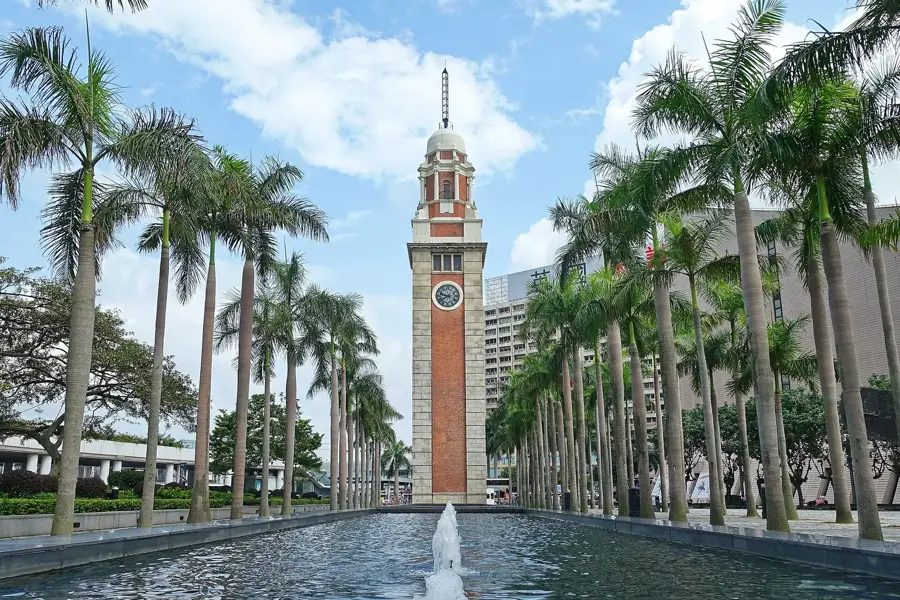
Standing as a silent witness to Hong Kong's colonial past, the Tsim Sha Tsui Clock Tower is the sole remaining vestige of the former Kowloon Station. Completed in 1915, this 44-meter-tall landmark was part of the original terminus for the Kowloon-Canton Railway, which once connected the city to mainland China and beyond to Europe via the Trans-Siberian line. Constructed from distinctive red bricks and granite, the tower reflects the architectural aesthetics of the Edwardian era. For decades, it served as a beacon for millions of immigrants arriving by train, marking the start of their lives in the bustling territory. While the main station building was tragically demolished in the late 1970s, public outcry helped preserve the tower, which was officially declared a statutory monument in 1990. Its four clock faces continue to tell the time for visitors strolling along the Victoria Harbour waterfront. The tower's elegant silhouette, topped by a 7-meter lightning rod, remains one of the most photographed structures in the city.
Explore on the map
How well do you know Hong Kong SAR China?
Find cities, landscapes and regions in 10 varied challenges on the interactive map.
Your journey, your memory
A postcard from Tsim Sha Tsui Clock Tower
Turn your own photo into a personal postcard with a local stamp. Free and no sign-up required.
Create a postcard- Location: Hong Kong SAR China
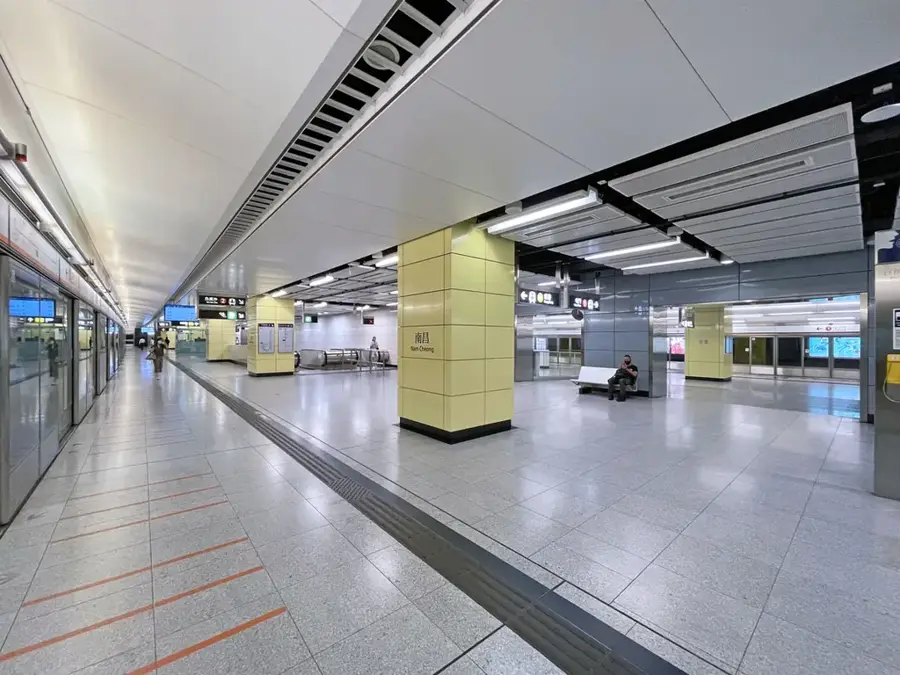
- Nearby: Nam Cheong (4 km)
Best time to visit & climate
The most pleasant time to visit is Mar, Nov, Dec.
| Jan | Feb | Mar | Apr | May | Jun | Jul | Aug | Sep | Oct | Nov | Dec | |
|---|---|---|---|---|---|---|---|---|---|---|---|---|
| Avg °C | 16 | 18 | 20 | 23 | 26 | 28 | 29 | 29 | 28 | 25 | 22 | 17 |
| Rain mm | 35 | 29 | 69 | 109 | 231 | 288 | 197 | 234 | 173 | 56 | 29 | 21 |
📋 Practical info
Geography
Facts
- The Clock Tower was built in 1915.
- It stands 44 meters tall.
- The clock mechanism was imported from England in 1920.
- It is built of red brick and granite.
- The original railway terminus was demolished in 1978.
- It has been a declared monument since 1990.
Explore nearby
Notable places around

Route planner — Car & Motorhome
Where do you start? We build the route here, with stops and country notes along the way.
© OpenStreetMap contributors · OpenRouteService
Sights in the town Tsim Sha Tsui Clock Tower (1)
Sights nearby
Frequently asked questions
Can you go inside the tower?
What is the history of the tower?
Where exactly is the tower located?
Is there an admission fee?
When is it illuminated?
Tsim Sha Tsui Clock Tower: where is it located?
Tsim Sha Tsui Clock Tower: when is the best time to visit?
Tsim Sha Tsui Clock Tower: why is it worth visiting?

Nearby cities