Plizio Visual Lab
Boé Plateau
Weather…
Water temperature…
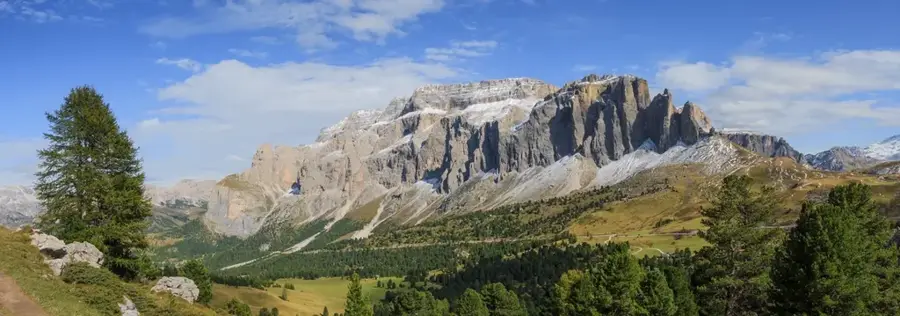
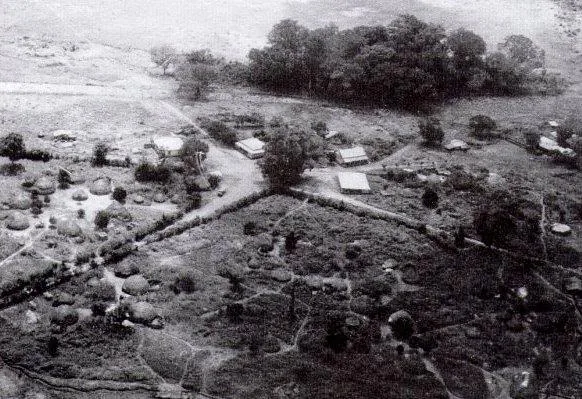
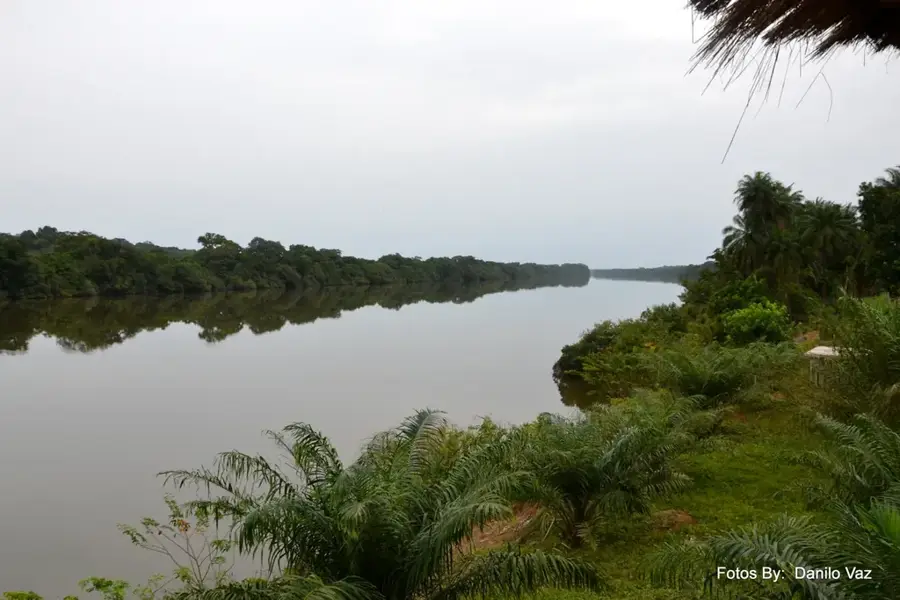
The Boé Plateau in southeastern Guinea-Bissau is one of the country's most distinctive geomorphological units. It is an extensive, slightly elevated plateau characterized by a massive laterite crust (canga). This relief feature formed over millions of years through intense weathering processes under tropical conditions. The plateau is dissected by deep valleys shaped by the erosion of the Corubal River and its tributaries. The vegetation on the plateau is specialized; due to the hard soil layer, vast grassy savannas and low, fire-resistant woody plants dominate. Geologically, the Boé Plateau is of immense significance as it houses one of the world's largest untapped bauxite deposits. Historically, the plateau's rugged relief provided strategic protection during the War of Independence, leading to the proclamation of the republic in Madina do Boé. The climate on the plateau is characterized by more extreme temperature fluctuations and heavy seasonal rains that drive the erosion of the laterite rocks. For geologists and ecologists, the Boé Plateau serves as a unique open-air laboratory for studying laterite formations and their influence on the flora.
Explore on the map
How well do you know Guinea-Bissau?
Find cities, landscapes and regions in 10 varied challenges on the interactive map.
Your journey, your memory
A postcard from Boé Plateau
Turn your own photo into a personal postcard with a local stamp. Free and no sign-up required.
Create a postcard- Location: Guinea-Bissau
- Nearby: Madina do Boe (6 km)
Best time to visit & climate
The most pleasant time to visit is Jan, Nov, Dec.
| Jan | Feb | Mar | Apr | May | Jun | Jul | Aug | Sep | Oct | Nov | Dec | |
|---|---|---|---|---|---|---|---|---|---|---|---|---|
| Avg °C | 27 | 29 | 31 | 33 | 32 | 29 | 26 | 26 | 26 | 26 | 25 | 25 |
| Rain mm | 1 | 1 | 1 | 2 | 38 | 165 | 365 | 464 | 314 | 145 | 16 | 0 |
📋 Practical info
Geography
Facts
- The plateau holds the most significant bauxite deposits in West Africa.
- Its surface is often covered by a rock-hard layer of iron-rich laterite.
- The Boé region is the highest elevated administrative unit in the country.
- Temperatures on the plateau can drop significantly during the dry season.
- Numerous waterfalls of the Corubal River are located at the plateau's edge.
- The relief served as a natural fortress for the national independence movement.
Explore nearby
Notable places around
Route planner — Car & Motorhome
Where do you start? We build the route here, with stops and country notes along the way.
© OpenStreetMap contributors · OpenRouteService
Sights nearby
Frequently asked questions
What characterizes the Boe Plateau?
What is the weather like on the plateau?
What animals can be seen here?
Is the plateau easily accessible?
What should be kept in mind during a visit?
Boé Plateau: where is it located?
Boé Plateau: when is the best time to visit?
Boé Plateau: why is it worth visiting?
Nearby cities
History & landmarks
Nature
More places