Plizio Visual Lab
Bissau
ℹ️Practical info — Bissau
▾
🌤 Weather — 5 days
📍 Nearby
Sights nearby
💡 Tips
- Visit Mercado de Bandim early in the morning to avoid the intense midday heat and largest crowds.
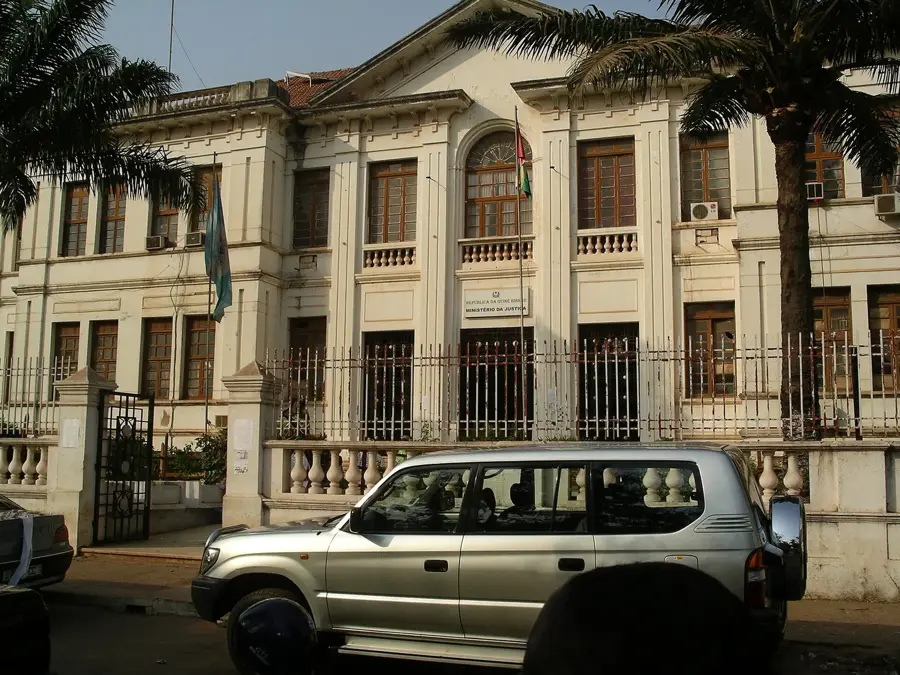
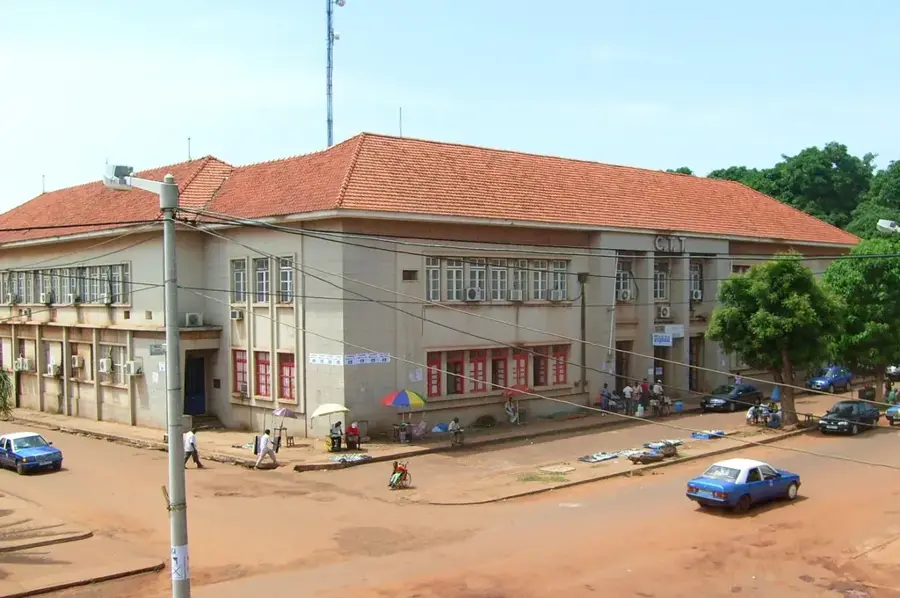
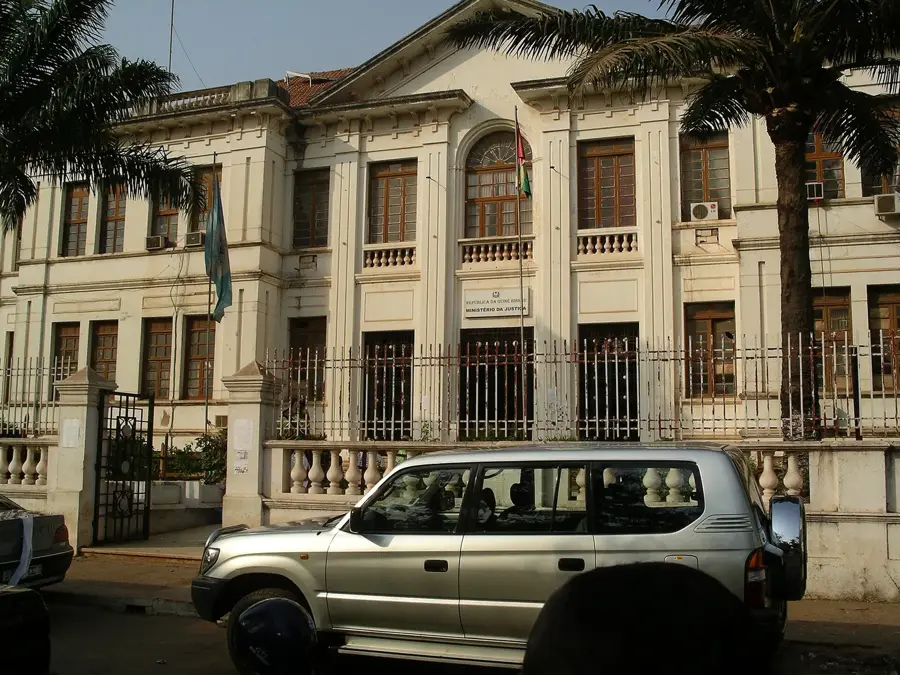
- Explore the historic Bissau Velho neighborhood for fading but welcoming Portuguese colonial architecture.
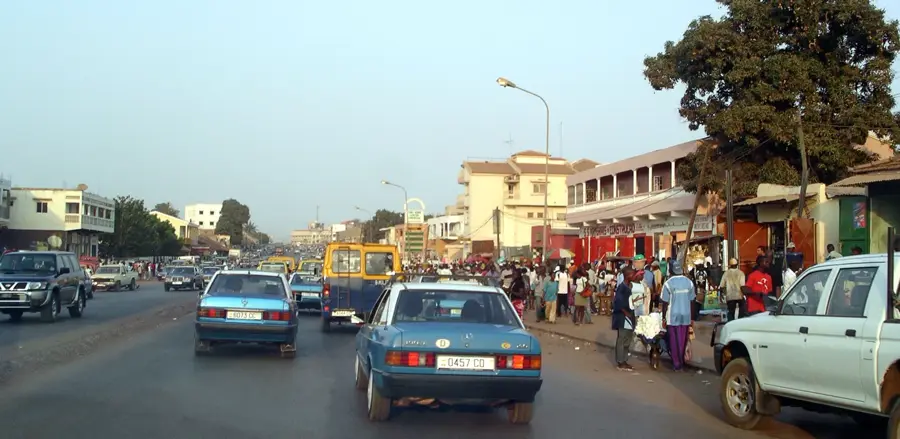
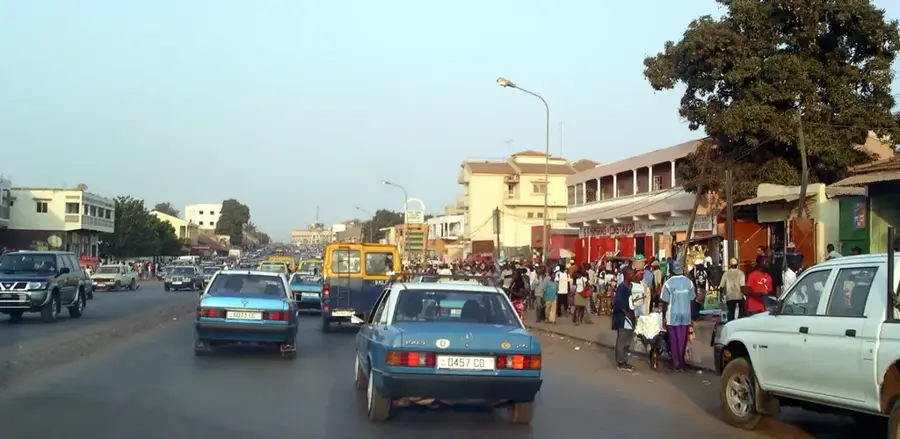
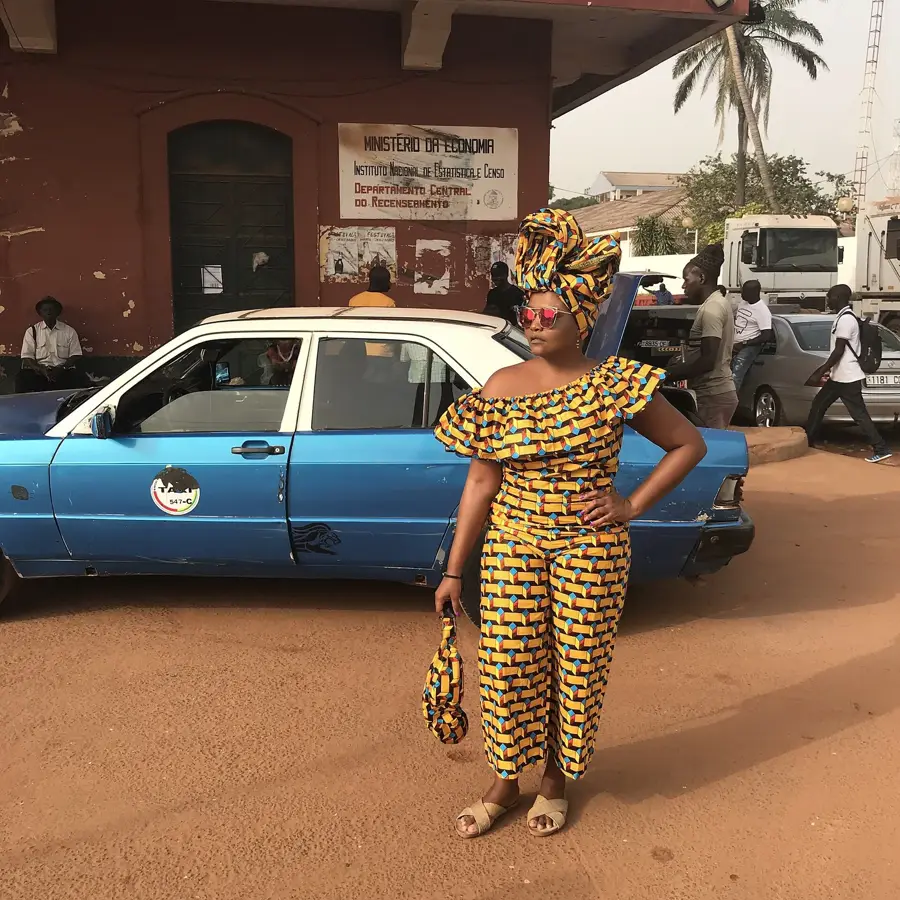
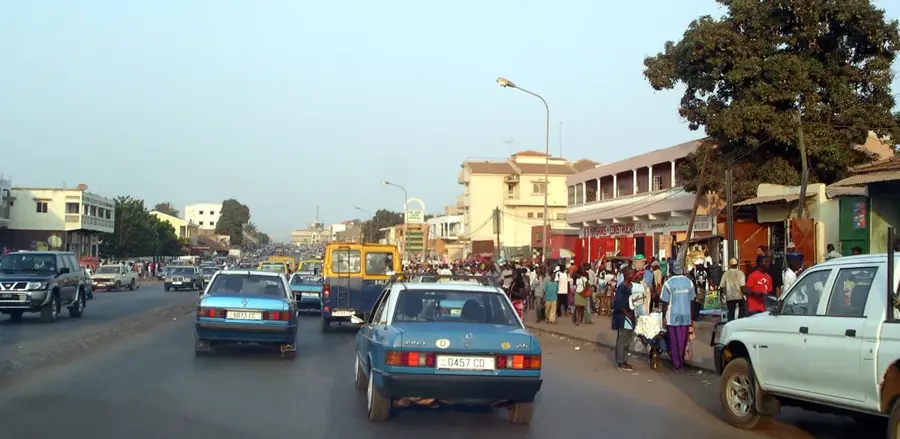
- Agree on the fare before taking a shared blue-and-yellow taxi (toca-toca).
- Carry cash in CFA francs, as card payments are rarely accepted outside large hotels.
- Use strong mosquito repellent, especially when walking near the Geba River estuary at dusk.
🍽 Food
A spicy, marinated grilled chicken dish, best enjoyed at informal eateries around the port.
A rich and hearty peanut stew usually served with chicken or fish, available at traditional local restaurants.
Try the catch of the day, often grilled with lemon and chili, at restaurants overlooking the estuary.
🛍 Shopping · 🧘 Quiet spots
The sprawling main market for bustling local textiles, carved wooden masks, and daily goods.
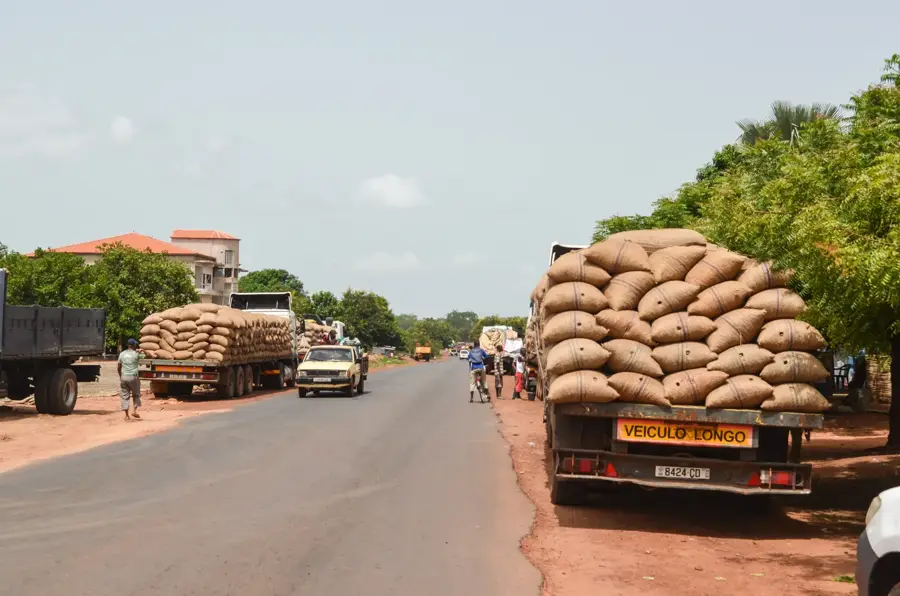
Guinea-Bissau is a major cashew producer; buy them roasted directly from street vendors.
Walk around the outer walls of this historic fort for a quieter moment and views of the surrounding area.
The historical port is relatively peaceful during mid-afternoon for a stroll by the water.
Water temperature…
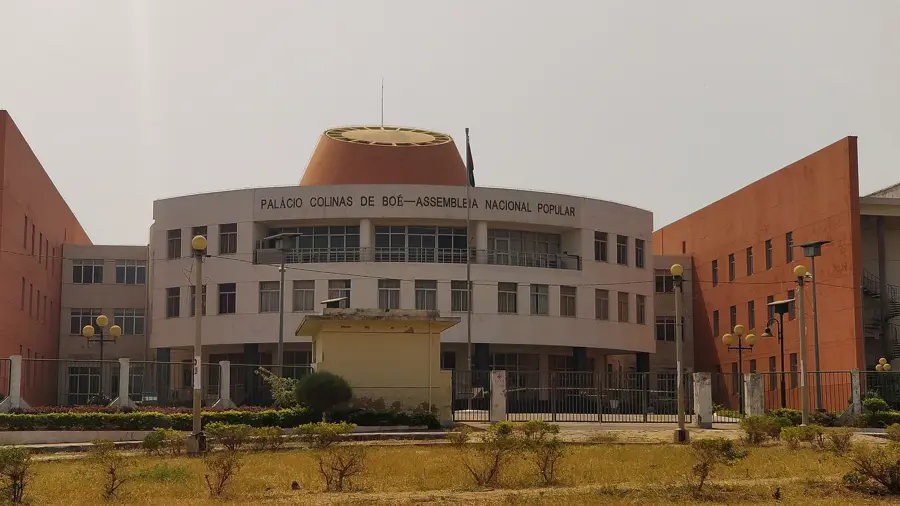
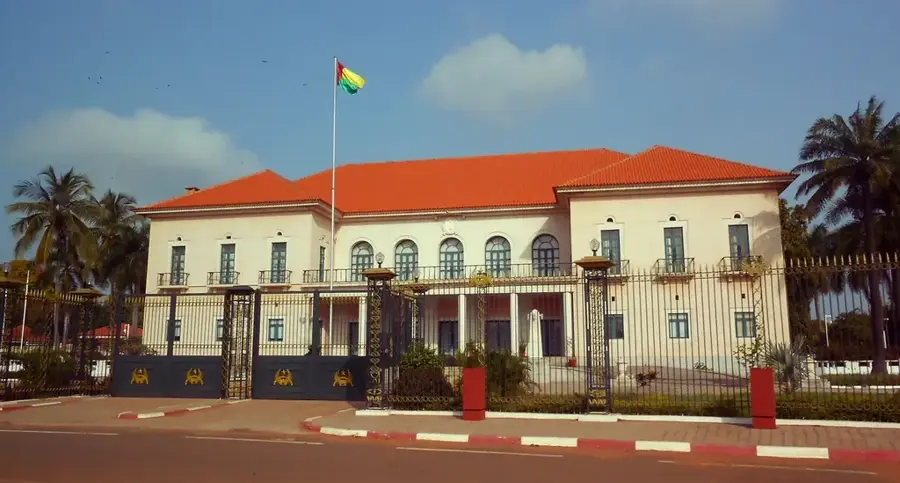
Bissau is the dynamic capital and largest city of Guinea-Bissau, located at the mouth of the Geba River estuary on the Atlantic coast. Established by Portuguese settlers in 1687, it initially served as a fortified trading post and port, securing Portuguese interests in the region. The city's historical heart, known as Bissau Velho (Old Bissau), is characterized by its characterful yet weathered colonial architecture, reminiscent of a Mediterranean town transposed to West Africa. In 1941, Bissau succeeded Bolama as the capital of Portuguese Guinea, leading to an era of administrative expansion and modern urban development. A dominant landmark is the Fortaleza de São José da Amura, an 18th-century fortress that now serves as a military headquarters and houses the mausoleum of national hero Amílcar Cabral. Economically, Bissau is the lifeblood of the nation, with its deep-water port handling the majority of international trade, particularly the export of cashew nuts, which are central to the country's GDP. The city is a spirited cultural mosaic, home to diverse ethnic groups including the Pepel, Balanta, and Mandinka, all contributing to the city's rich linguistic and social fabric. This diversity culminates in the famous Bissau Carnival, a massive annual festival featuring spectacular costumes, street parades, and traditional music that draws spectators from across the continent. The city's geography is defined by the massive Geba estuary, which experiences significant tidal shifts, influencing local fishing practices and maritime logistics. As the seat of government and international diplomacy, Bissau hosts the national assembly, embassies, and the Amílcar Cabral University. Despite historical political challenges, the city remains a center of resilience and artistic expression, with its bustling markets like Mercado de Bandim offering a true taste of West African urban life. The tropical savanna climate ensures warm temperatures year-round, punctuated by a dramatic monsoon season that transforms the surrounding landscape.
Explore on the map
How well do you know Guinea-Bissau?
Find cities, landscapes and regions in 10 varied challenges on the interactive map.
Your journey, your memory
A postcard from Bissau
Turn your own photo into a personal postcard with a local stamp. Free and no sign-up required.
Create a postcard- Location: Guinea-Bissau
- Highlights: Baluarte da Balança · Benjamim Corrêa · Augusto d'Oliveira
- Nearby: Safim (13 km)
- Population: ~439.704 (2024)
Best time to visit & climate
The most pleasant time to visit is Jan, Feb, Dec.
| Jan | Feb | Mar | Apr | May | Jun | Jul | Aug | Sep | Oct | Nov | Dec | |
|---|---|---|---|---|---|---|---|---|---|---|---|---|
| Avg °C | 23 | 25 | 27 | 29 | 29 | 28 | 27 | 26 | 26 | 27 | 26 | 24 |
| Rain mm | 1 | 0 | 0 | 0 | 21 | 132 | 375 | 487 | 355 | 173 | 11 | 0 |
Geography
Facts
- Bissau was founded in 1687 and served as a major center for the Atlantic slave trade.
- The city's population is estimated at approximately 500,000 residents.
- The Fortaleza de São José da Amura contains the graves of several national heroes.
- Bissau replaced Bolama as the capital in 1941 due to its superior harbor.
- The city experiences a tropical savanna climate with a distinct dry season (Nov–May).
- The Pidjiguiti Memorial in the port area commemorates the 1959 dockworkers' strike.
- The Mercado de Bandim is the city's largest informal retail and wholesale market.
- Bissau's architecture is a mix of 18th-century Portuguese and 20th-century functionalism.
Explore nearby
Notable places around
Route planner — Car & Motorhome
Where do you start? We build the route here, with stops and country notes along the way.
© OpenStreetMap contributors · OpenRouteService
Sights in the town Bissau (10)
Société Comerciale de l' Ouest Africain
Ruins of a former West African trading company in Bissau.
Baluarte da Puana🏰 castle
Historic fort in Bissau, part of the Portuguese fortifications.
Baluarte da Onça🏰 castle
Former bastion in Bissau, built by the Portuguese.
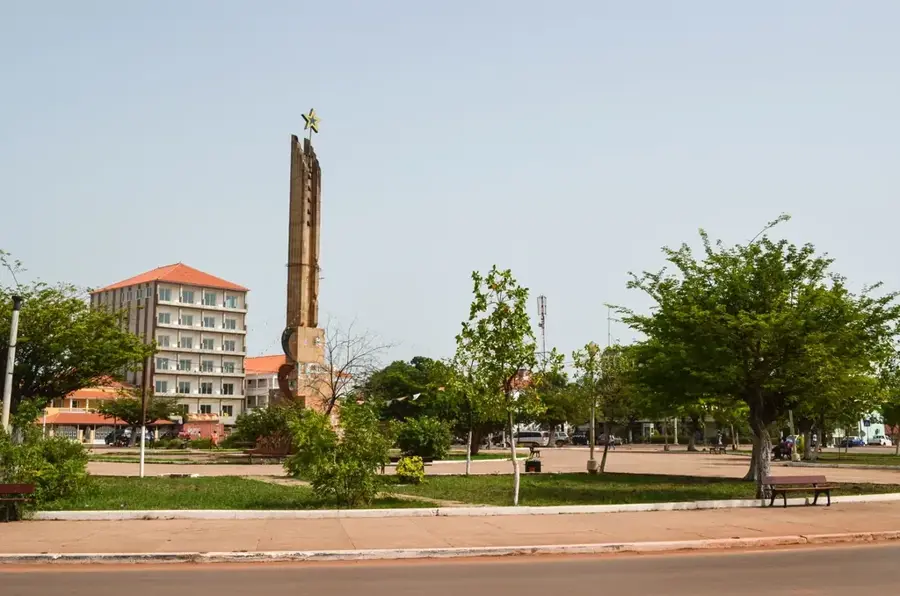
Praça dos Heróis Nacionais🌳 park
Central square in Bissau, dedicated to the nation's heroes.
Museu Etnográfico🏛 museum
Ethnographic museum in Bissau, showcasing traditional culture and art.
Coqueiros Craft Market
Craft market in Bissau, offering local goods and souvenirs.
Frequently asked questions
What must you see in Bissau?
How safe is the city?
Best means of transport?
Are there good restaurants?
When is the weather best?
Bissau: where is it located?
Bissau: what is there to see?
Bissau: when is the best time to visit?
Bissau: why is it worth visiting?
History & landmarks
Nature
More places