Plizio Visual Lab
Caravela
ℹ️Practical info — Caravela
▾
🌤 Weather — 5 days
📍 Nearby
Sights nearby
💡 Tips
- Be flexible with your travel plans, as boat trips in the Bijagós Archipelago are heavily dependent on tides and weather conditions.
- Bring plenty of cash (CFA francs) from the mainland, as there are no ATMs available on the island.
- Pack mosquito repellent and essential medications, as local supplies are very limited.
- Show respect for local animist traditions; always ask for permission before entering sacred sites or taking photos of locals.
🍽 Food
Enjoy freshly caught fish, often simply grilled over an open fire with lemon and local spices.
Try the oysters gathered fresh from the local mangrove forests, a specialty of the archipelago.
Taste the locally fermented palm wine, a traditional beverage shared in the Bijagós villages.
🛍 Shopping · 🧘 Quiet spots
Look for traditional wooden sculptures and masks crafted by local Bijagós artisans.
Buy handmade necklaces and bracelets crafted from local shells directly from the villagers.
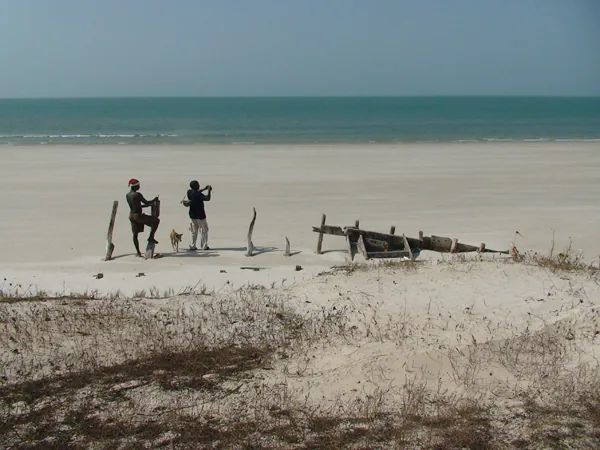
Walk along the completely pristine, empty beaches where you will likely not see another soul.
Observe the rich birdlife in the peaceful environment of the mangroves (best done with a local guide).
Water temperature…
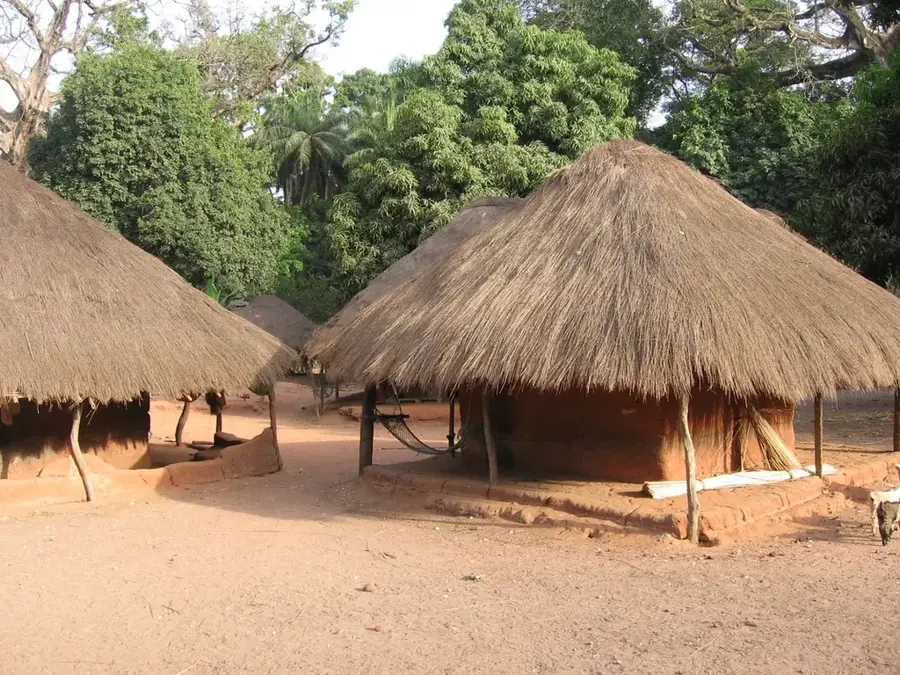
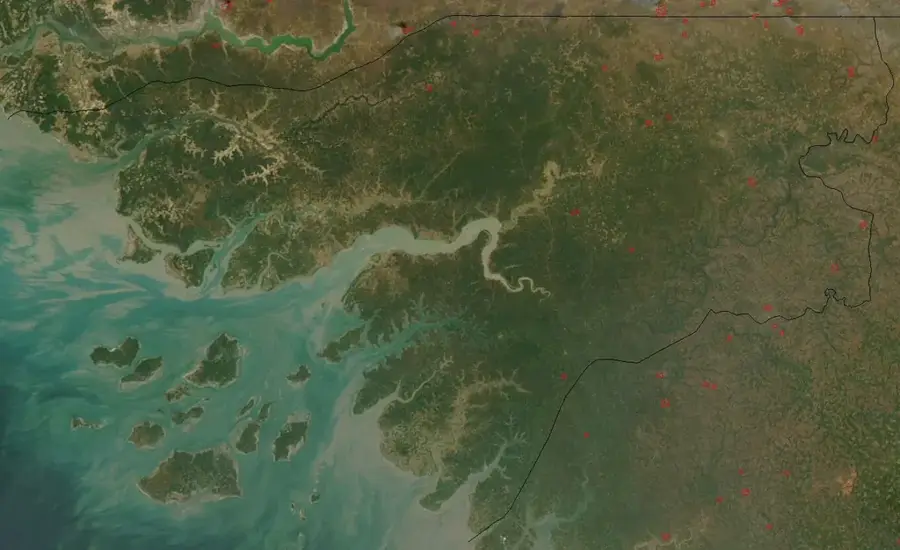
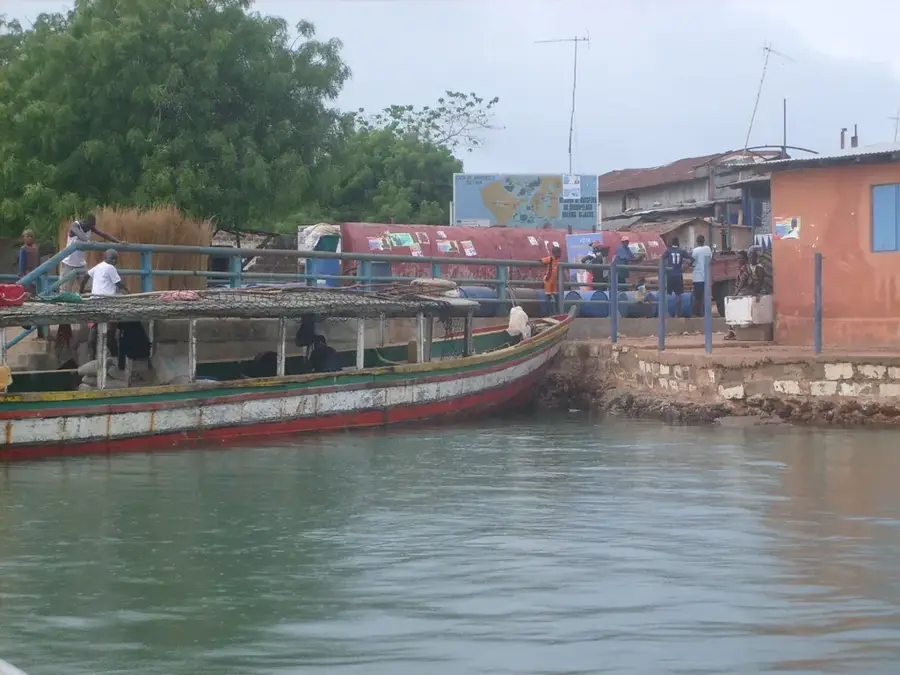
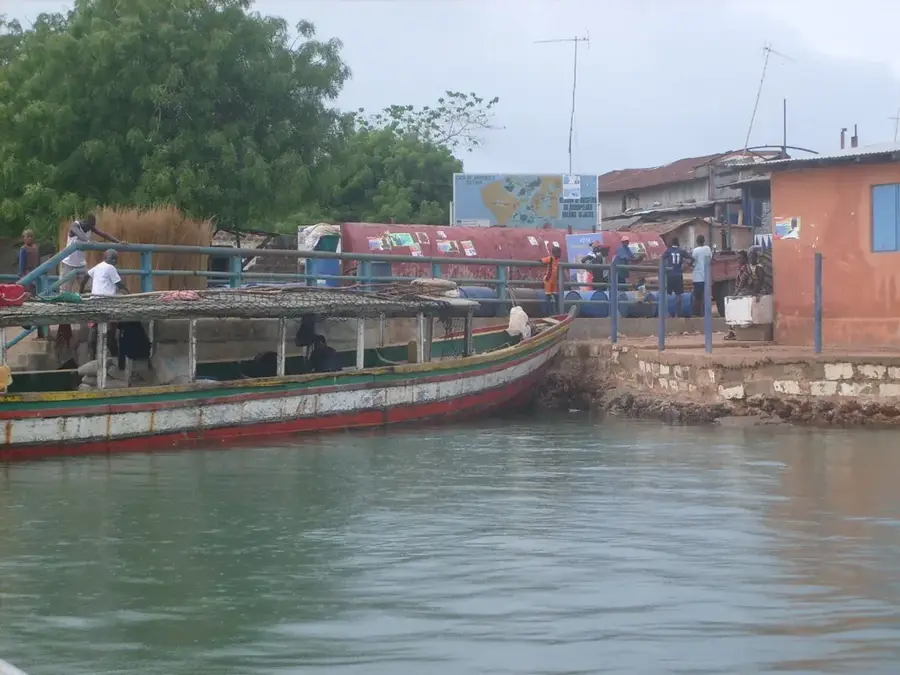
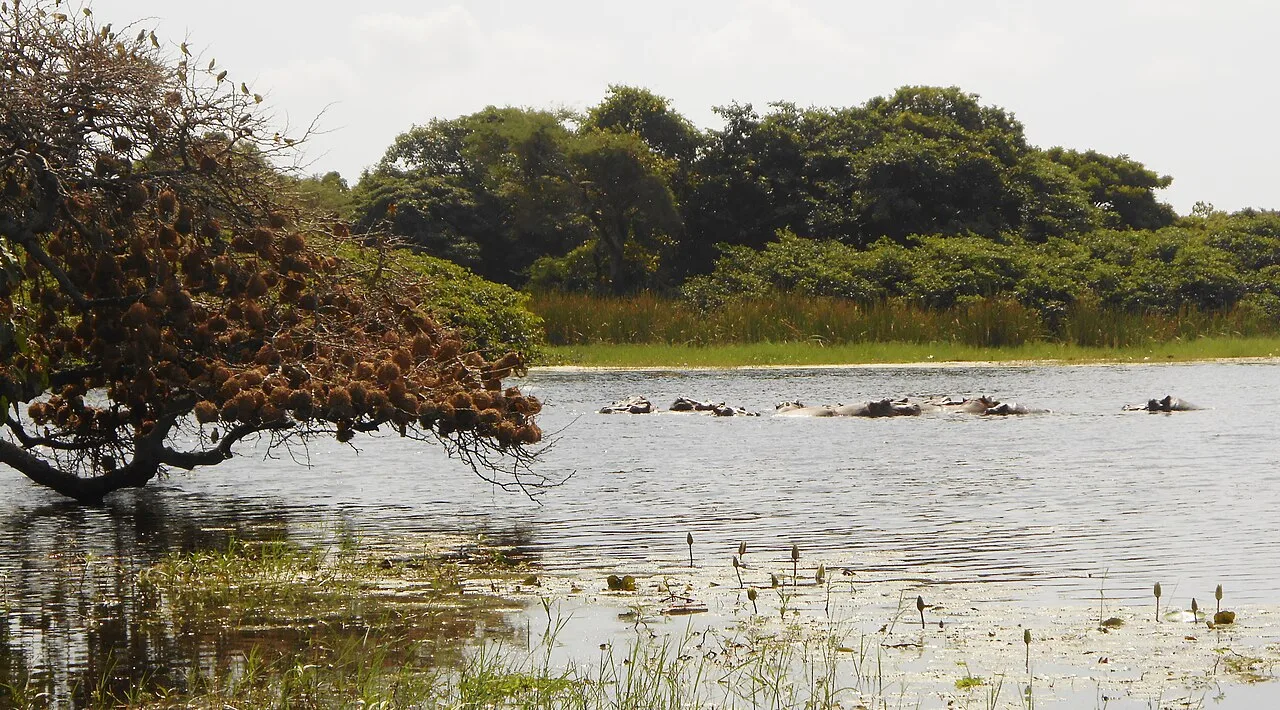
The settlement of Caravela on the eponymous island in the northern Bijagós Archipelago is one of the most isolated and authentic communities in the region. Caravela is more than a simple cluster of dwellings; it is a highly organized village deeply rooted in the spiritual traditions of the Bijagó people. The architecture consists almost entirely of natural materials such as mud, thatch, and palm wood, allowing the village to blend seamlessly into the dense tropical vegetation. Caravela's economy is largely self-sufficient, based on artisanal fishing and the harvesting of wild oil palms. Due to the lack of motorized infrastructure and its significant distance from the mainland, a lifestyle has been preserved here that remains largely untouched by modern external influences. Caravela functions as a cultural anchor for the northern islands and is renowned for its elaborate mask dances and complex initiation ceremonies. The surrounding area gives spectacular, untouched sandy beaches that are rarely visited by outsiders, maintaining a sense of profound isolation and natural purity.
Explore on the map
How well do you know Guinea-Bissau?
Find cities, landscapes and regions in 10 varied challenges on the interactive map.
Your journey, your memory
A postcard from Caravela
Turn your own photo into a personal postcard with a local stamp. Free and no sign-up required.
Create a postcard- Location: Guinea-Bissau
- Nearby: Carache Island (17 km)
Best time to visit & climate
The most pleasant time to visit is Jan, Feb, Dec.
| Jan | Feb | Mar | Apr | May | Jun | Jul | Aug | Sep | Oct | Nov | Dec | |
|---|---|---|---|---|---|---|---|---|---|---|---|---|
| Avg °C | 25 | 25 | 26 | 26 | 27 | 27 | 27 | 27 | 27 | 28 | 28 | 26 |
| Rain mm | 1 | 0 | 3 | 1 | 10 | 122 | 410 | 521 | 359 | 189 | 13 | 0 |
Geography
Facts
- Caravela is among the most difficult settlements to reach within the archipelago.
- Islanders are famous for crafting swift sailing dugouts from single trunks.
- There are no permanent commercial shops; trade is primarily conduct via barter.
- The village is renowned for its unique ritual songs and complex drum rhythms.
- The surrounding coastal waters are home to rare species like manatees.
- The tabanca (village community) is governed by a traditional council of elders.
Explore nearby
Notable places around
Route planner — Car & Motorhome
Where do you start? We build the route here, with stops and country notes along the way.
© OpenStreetMap contributors · OpenRouteService
Frequently asked questions
What does Caravela offer visitors?
Can you see shipwrecks there?
What is the terrain like?
Are there villages there?
Do you need a tent?
Caravela: where is it located?
Caravela: when is the best time to visit?
Caravela: why is it worth visiting?
Nearby cities
History & landmarks
More places