Plizio Visual Lab
Elbe
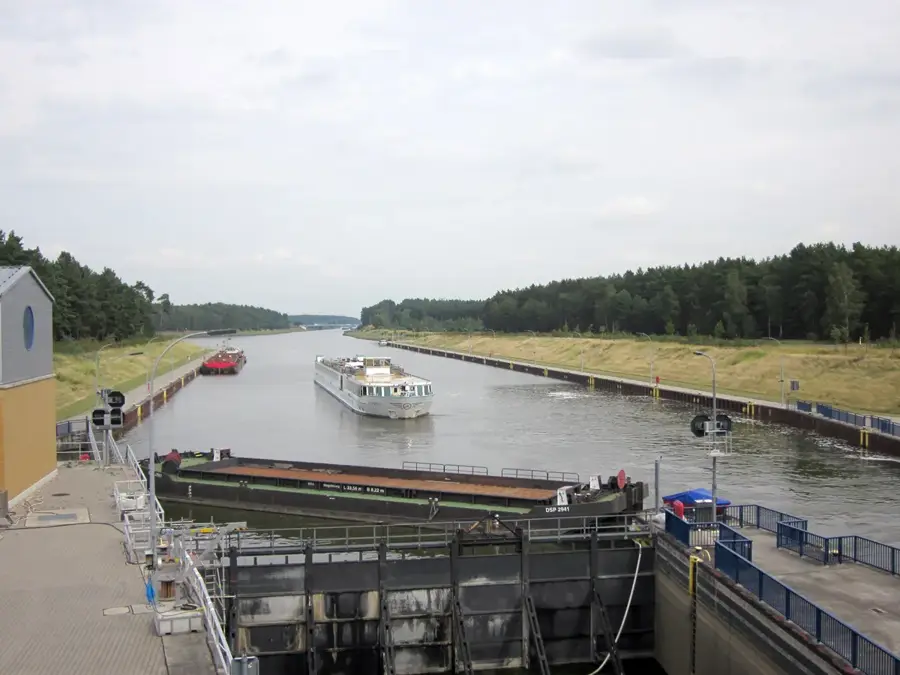
The Elbe is one of Central Europe's primary rivers, stretching 1,094 kilometers and ranking as Germany's third-largest waterway. It originates in the Giant Mountains of the Czech Republic at an elevation of roughly 1,386 meters, initially flowing south before curving northwest toward the North Sea. After cutting through the spectacular Elbe Sandstone Mountains in Saxony, the river enters the North German Plain, passing through historic cities such as Dresden, Magdeburg, and Hamburg. Its drainage basin spans approximately 148,000 square kilometers and is ecologically defined by extensive floodplain landscapes now protected as biosphere reserves. Historically, the Elbe marked the frontier between various territories for centuries and served as part of the Iron Curtain during the Cold War. Today, it remains an indispensable shipping route, particularly for the Port of Hamburg, which is linked to the global oceans via the long Elbe estuary. Despite significant engineering works in the 19th and 20th centuries, much of the river maintains a near-natural state, providing critical habitats for numerous endangered species.
Explore on the map
How well do you know Germany?
Find cities, landscapes and regions in 10 varied challenges on the interactive map.
Your journey, your memory
A postcard from Elbe
Turn your own photo into a personal postcard with a local stamp. Free and no sign-up required.
Create a postcard- Location: Germany
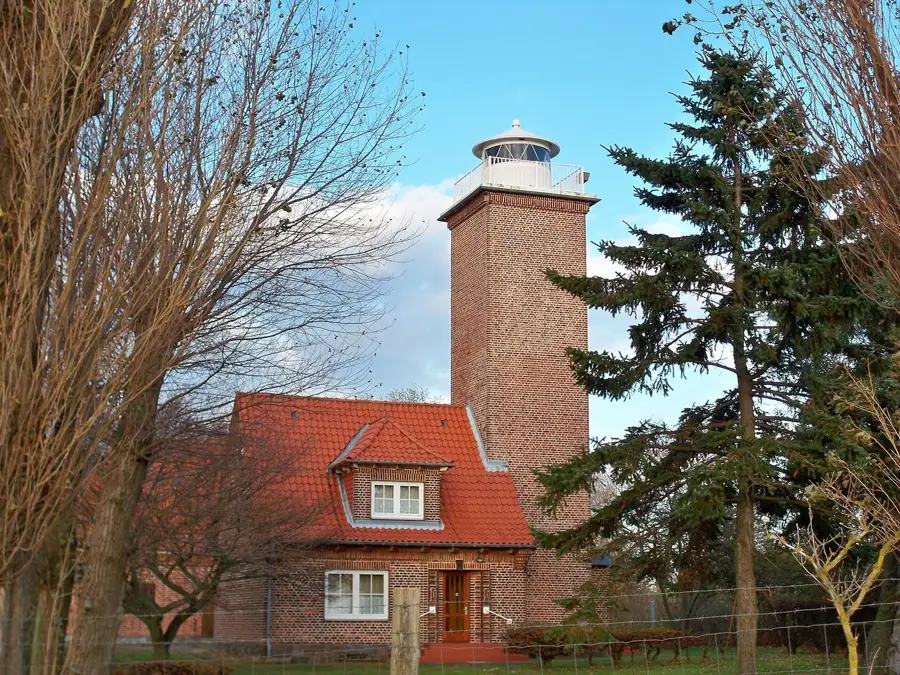
- Highlights: Schleuse Hohenwarthe · Taufwiesenberge · Leuchtturm Niegripp
- Nearby: Wolmirstedt (8 km)
Best time to visit & climate
The most pleasant time to visit is Jun–Aug.
| Jan | Feb | Mar | Apr | May | Jun | Jul | Aug | Sep | Oct | Nov | Dec | |
|---|---|---|---|---|---|---|---|---|---|---|---|---|
| Avg °C | 0 | 1 | 4 | 9 | 13 | 17 | 19 | 19 | 15 | 10 | 5 | 1 |
| Rain mm | 56 | 36 | 43 | 33 | 60 | 55 | 79 | 57 | 54 | 49 | 51 | 55 |
📋 Practical info
Geography
Facts
- Length: 1,094 kilometers, with 727 kilometers flowing within German borders.
- Source Elevation: The river begins at 1,386 meters in the Czech Giant Mountains.
- Basin Area: 148,268 km² is covered by the entire Elbe hydrological system.
- Port of Hamburg: Europe's third-largest seaport is located on the Lower Elbe.
- Biosphere Reserve: UNESCO protects 126,000 hectares of floodplain landscapes.
- Tidal Range: In Hamburg, the difference between high and low tide is about 3.6 meters.
Explore nearby
Notable places around
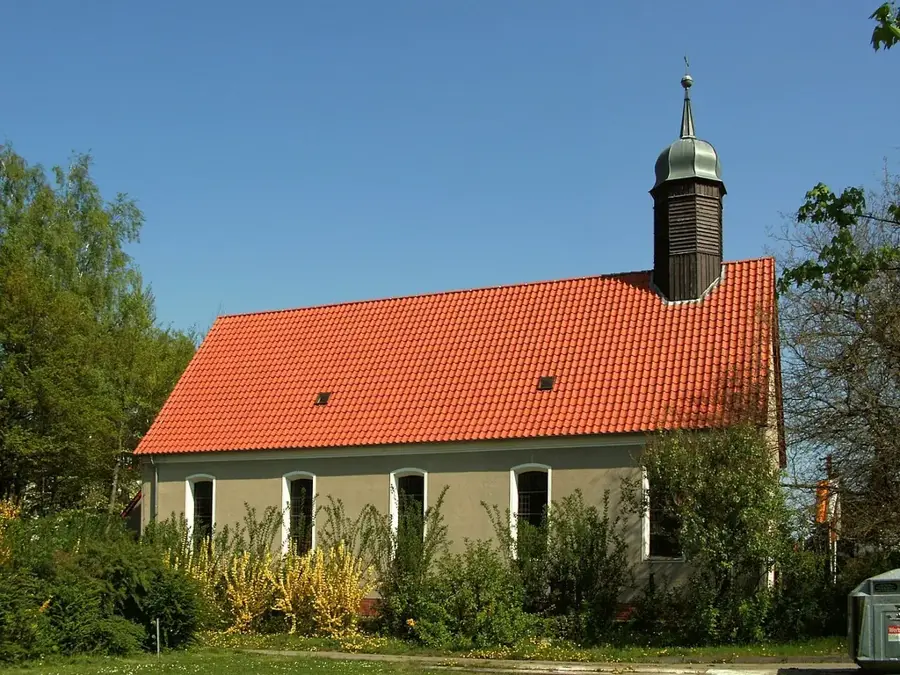
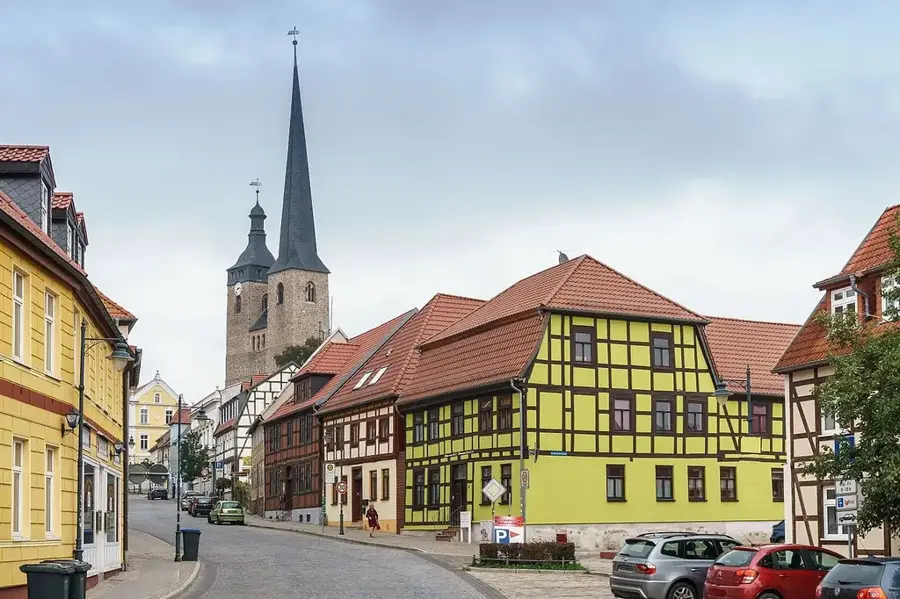

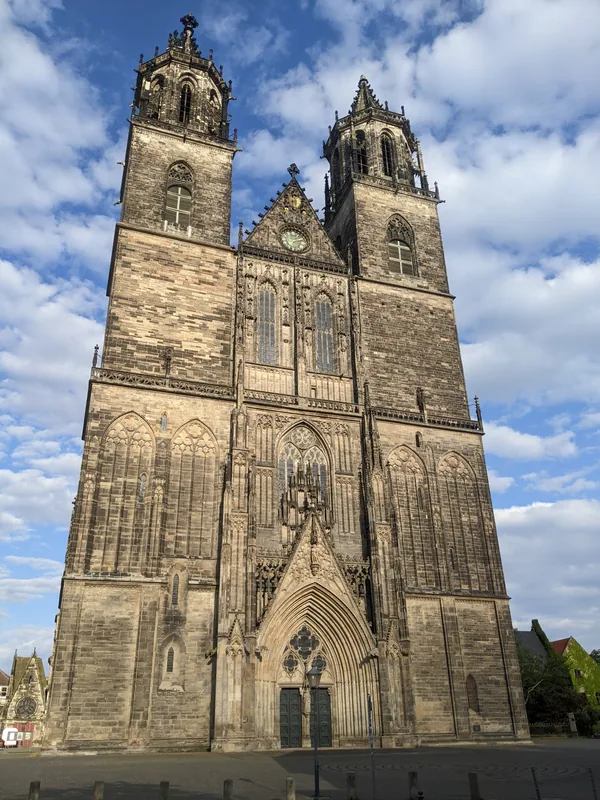
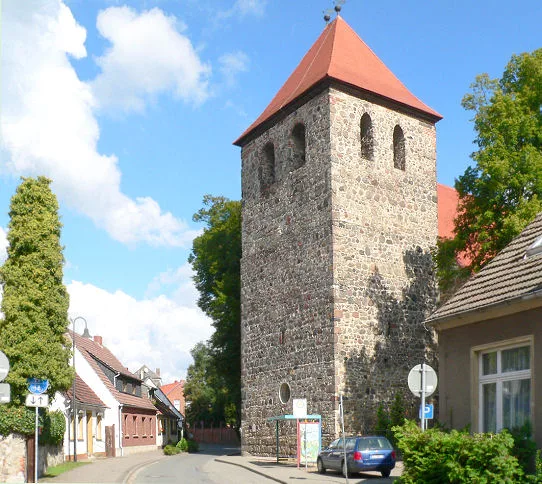
Route planner — Car & Motorhome
Where do you start? We build the route here, with stops and country notes along the way.
© OpenStreetMap contributors · OpenRouteService
Sights in the town Elbe (4)
Sights nearby
Frequently asked questions
Where does the Elbe rise?
What is the Elbe Sandstone Mountains?
How is the Port of Hamburg connected to the Elbe?
Can you cycle along the Elbe?
Is there a risk of flooding on the Elbe?
Elbe: where is it located?
Elbe: what is there to see?
Elbe: when is the best time to visit?
Elbe: why is it worth visiting?
Nearby cities