Plizio Visual Lab
Vashlovani National Park
Weather…
Water temperature…
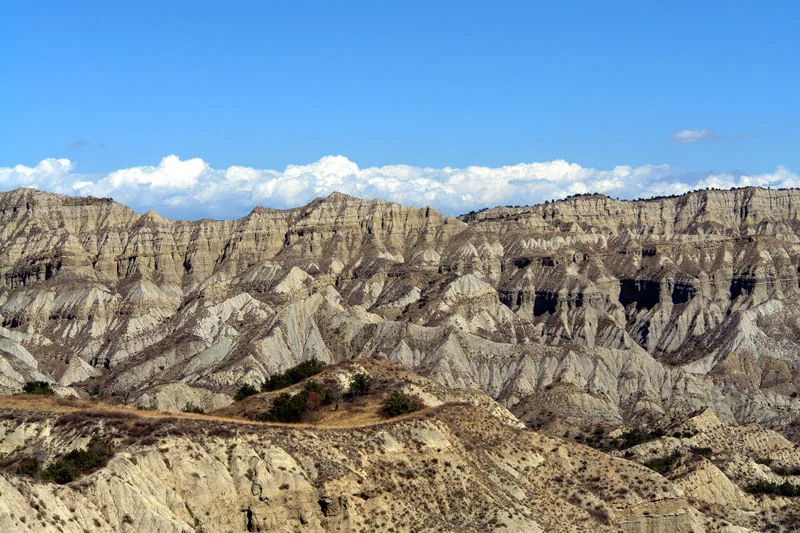
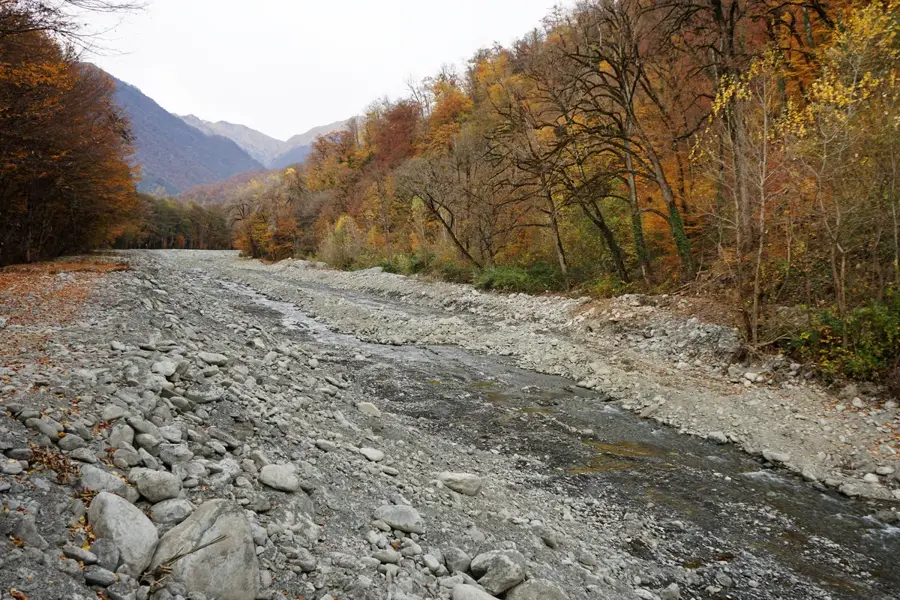
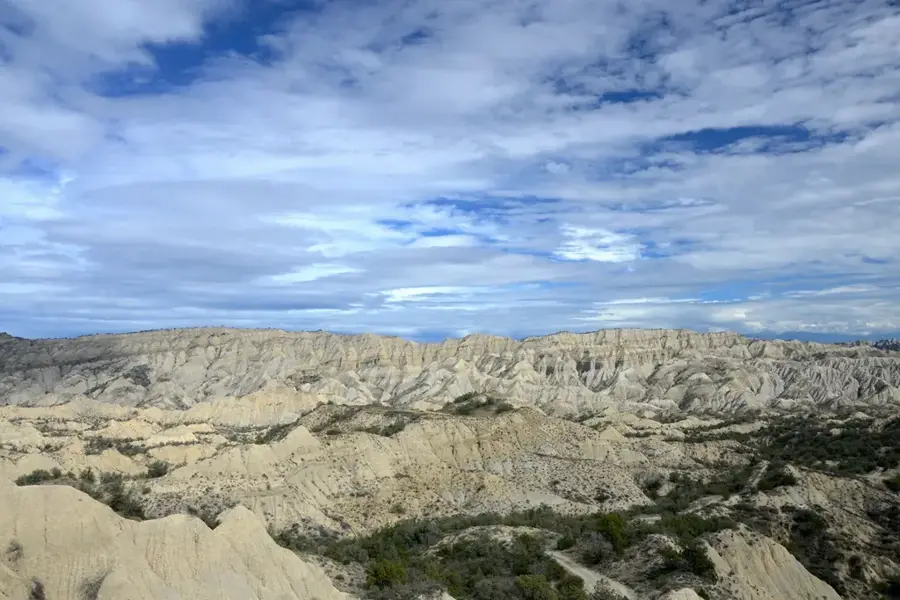
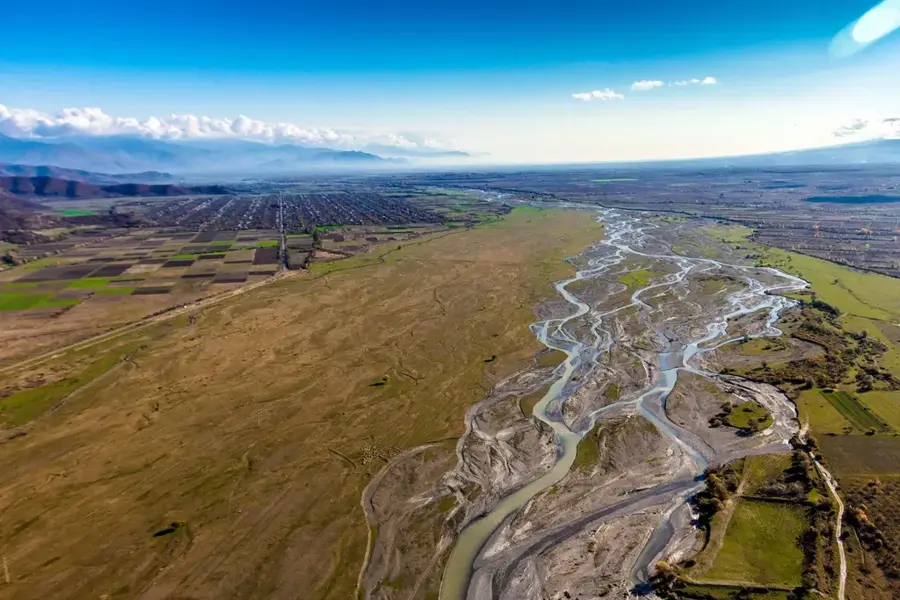
Vashlovani National Park is located in the far southeastern part of Georgia, within the Kakheti region, and was established as a national park in 2003. The landscape is unique within Georgia, often compared to African savannas or North American badlands, characterized by arid steppes, semi-deserts, and striking rock formations. The climate is dry and continental, which has fostered a specialized flora including rare pistachio forests and wild pomegranate trees. Along the Alazani River and within deep canyons, the park provides a habitat for endangered species such as the goitered gazelle, striped hyena, and occasionally the Caucasian leopard. Geologically, the park is renowned for its prehistoric marine fossils and the remarkable Takhti-Tepha mud volcanoes located nearby. Vashlovani is a significant ecological sanctuary, playing a crucial role in preserving the biodiversity of the Caucasus' dryland ecosystems and offering a dramatic, otherworldly environment for scientific research and nature observation.
Explore on the map
How well do you know Georgia?
Find cities, landscapes and regions in 10 varied challenges on the interactive map.
Your journey, your memory
A postcard from Vashlovani National Park
Turn your own photo into a personal postcard with a local stamp. Free and no sign-up required.
Create a postcard- Location: Georgia
- Highlights: rkinis sadnobi saxelosno · xorant`is nak`alak`ari · Bugha Moedani
- Nearby: Gurjaani (83 km)
Best time to visit & climate
The most pleasant time to visit is May, Jun, Sep.
| Jan | Feb | Mar | Apr | May | Jun | Jul | Aug | Sep | Oct | Nov | Dec | |
|---|---|---|---|---|---|---|---|---|---|---|---|---|
| Avg °C | 3 | 5 | 9 | 14 | 20 | 25 | 28 | 28 | 23 | 16 | 9 | 4 |
| Rain mm | 18 | 20 | 33 | 47 | 61 | 44 | 28 | 25 | 33 | 41 | 23 | 14 |
📋 Practical info
Geography
Facts
- Originally established as a state nature reserve in 1935.
- The national park covers an area of approximately 25,114 hectares.
- Home to the unique Takhti-Tepha mud volcanoes near the border.
- Contains significant stands of rare wild pistachio and juniper trees.
- Provides a sanctuary for the endangered striped hyena and goitered gazelle.
- Gained international attention in 2004 after a leopard was photographed.
Explore nearby
Notable places around

Route planner — Car & Motorhome
Where do you start? We build the route here, with stops and country notes along the way.
© OpenStreetMap contributors · OpenRouteService
Sights in the town Vashlovani National Park (5)
Sights nearby
Frequently asked questions
What kind of landscape awaits me in Vashlovani?
Is a permit required for the park?
Is a 4x4 vehicle necessary?
What animals can be seen there?
When is the best time to visit Vashlovani?
Vashlovani National Park: where is it located?
Vashlovani National Park: what is there to see?
Vashlovani National Park: when is the best time to visit?
Vashlovani National Park: why is it worth visiting?

Nearby cities


History & landmarks
Nature
More places