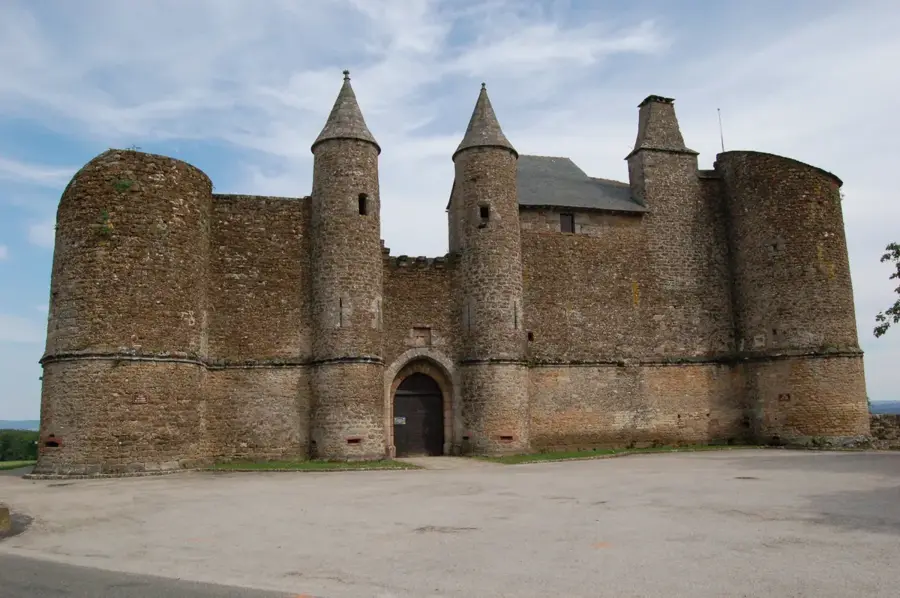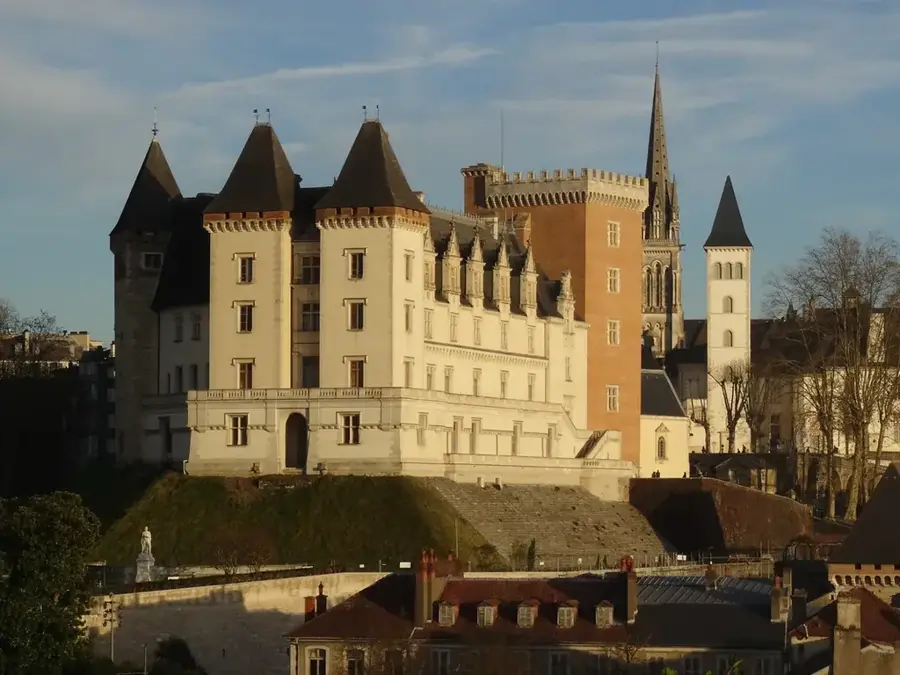
Guided tours of the Haras de Tarbes
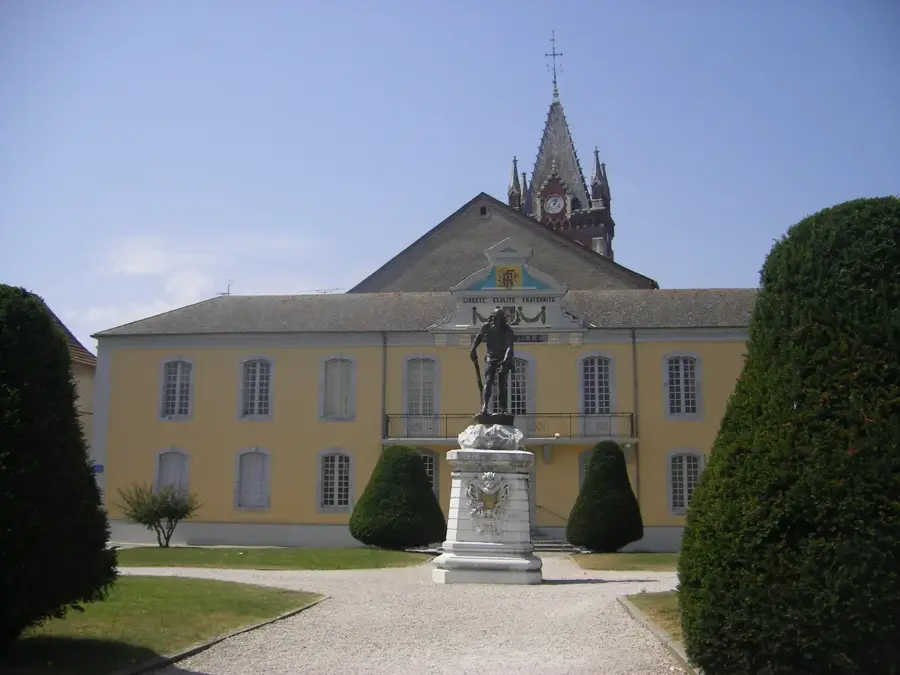
Guided visits explore the Napoleonic architecture, riding areas and history of the historic Haras in the heart of the city.
Plizio Visual Lab
The famous local white bean, best enjoyed in a traditional 'Garbure' stew.
A unique spit-roasted cake, a local delicacy found at the Halle Brauhauban market.
Try the high-quality ham made from this local breed in downtown deli shops.
The central market hall is the top spot for local food products and regional specialties.
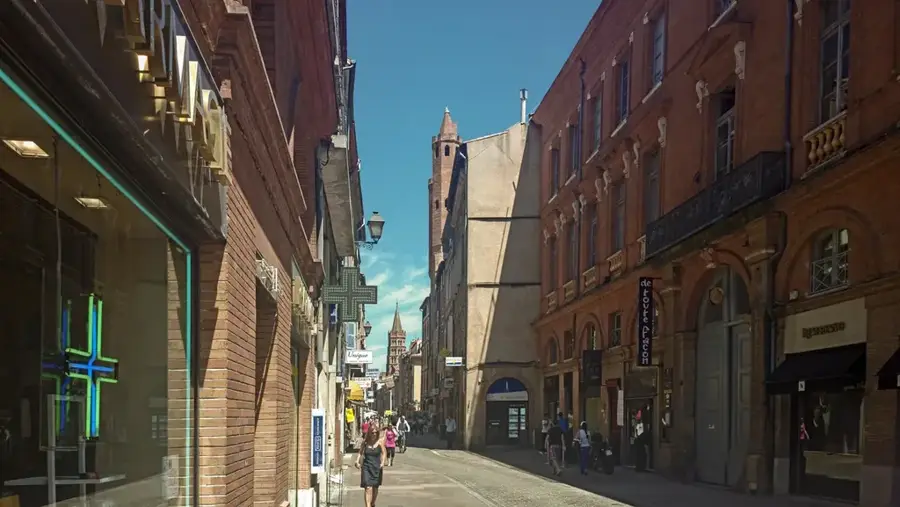
The main shopping street featuring both international brands and local boutiques.
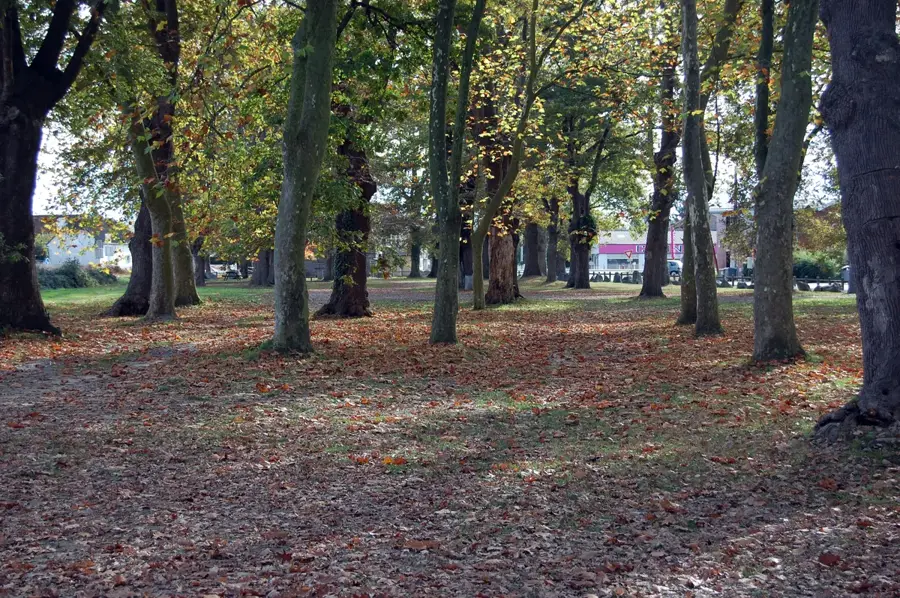
A sprawling English garden featuring a historic cloister and free-roaming peacocks.
A pleasant path along the Adour river, convenient for jogging or a quiet riverside walk.
Water temperature…
Guided visits explore the Napoleonic architecture, riding areas and history of the historic Haras in the heart of the city.
The Maison natale du Marechal Foch presents works and documents on the horse's symbolic and artistic role in history and art.
The horse-and-arts festival at the Haras de Tarbes celebrates its 30th edition with equestrian shows, performances and family-friendly programming.
Immerse yourself in the festive atmosphere of Tarbes with traditional music, dancing, and regional entertainment.
This international tango festival turns Tarbes into a tango capital with milongas, concerts, workshops and an Argentine atmosphere.
Experience the legendary Occitan music group Nadau in an unforgettable live performance in Tarbes.
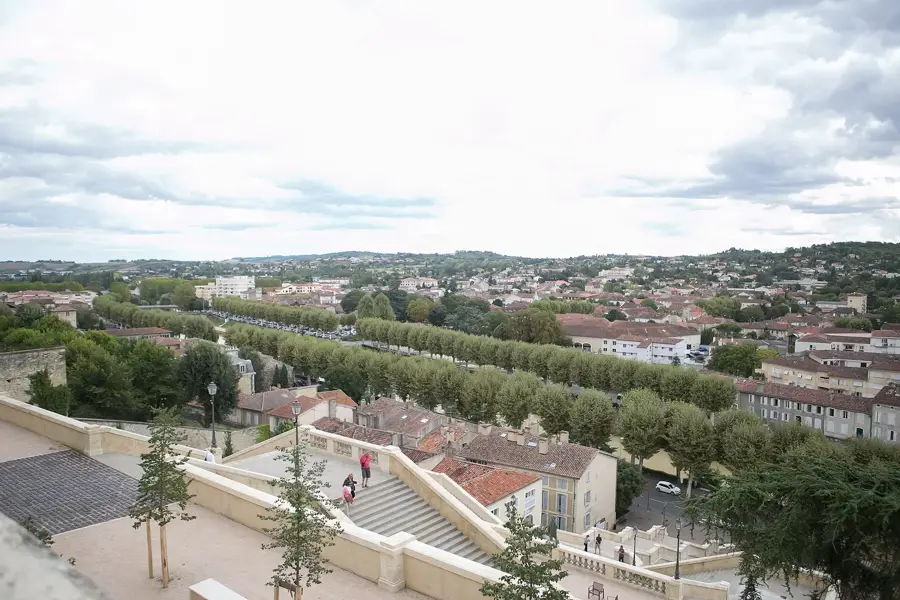
Tarbes is the capital of the Hautes-Pyrénées department, beautifully situated at the foot of the Pyrenees in the Occitania region. The city is renowned for its deep-rooted military traditions and its prestigious National Stud (Haras National), established by Napoleon in 1806. A major cultural landmark is the Jardin Massey, an exquisite 19th-century English-style garden that houses the International Hussar Museum. Tarbes is also famous as the birthplace of Marshal Ferdinand Foch, the supreme commander of Allied forces during World War I; his childhood home is now a public museum. The city features spectacular panoramic views of the Pyrenees mountain range, serving as a primary gateway for high-altitude tourism and skiing. Its urban landscape features grand classical architecture and expansive squares like the Place de Verdun. Gastronomically, the city is central to the production of the 'Haricot Tarbais', a prized variety of bean essential to regional cuisine. Today, Tarbes remains a significant industrial and educational center in southwestern France.
Explore on the map
Find cities, landscapes and regions in 10 varied challenges on the interactive map.
Your journey, your memory
Turn your own photo into a personal postcard with a local stamp. Free and no sign-up required.
Create a postcardThe most pleasant time to visit is Jun–Aug.
| Jan | Feb | Mar | Apr | May | Jun | Jul | Aug | Sep | Oct | Nov | Dec | |
|---|---|---|---|---|---|---|---|---|---|---|---|---|
| Avg °C | 2 | 2 | 5 | 8 | 12 | 16 | 18 | 18 | 15 | 11 | 6 | 3 |
| Rain mm | 87 | 69 | 75 | 86 | 93 | 65 | 52 | 52 | 56 | 70 | 93 | 74 |
Notable places around
Where do you start? We build the route here, with stops and country notes along the way.
© OpenStreetMap contributors · OpenRouteService
Start your day in the vibrant heart of Tarbes at Place de Verdun. After visiting the cathedral and Foch's birthplace, a relaxed walk leads you to the magnificent Jardin Massey. Spend the afternoon exploring hussar history at the Massey Museum and finish among the noble horses at the National Stud.
Explore Tarbes on two wheels! After starting in the center, cycle to Parc Bel-Air for a Pyrenean panorama. Pass by the theater on your way to Jardin Massey for a long break in the greenery. The tour finishes at the impressive National Stud Farm, just a short ride away.
Explore Tarbes efficiently in three car clusters. First, park in the center (Cluster A) for the cathedral and Foch house. Then, drive to Cluster B for Jardin Massey and the stud farm. Conclude your day at the peaceful Parc Bel-Air with mountain views before passing by the theater.