Day of the Butterflies
This nature outing, proposed with the national museum and estate of the Château de Pau, focuses on butterflies and living landscapes.
Plizio Visual Lab
Try this traditional, hearty cabbage and meat soup in the rustic bistros of the old town.
Taste this sweet or dry local white wine, often served in cozy wine bars near the castle.
Enjoy regional sheep's cheese (Brebis), best purchased at local farmers' markets or a fromagerie.
Visit this large covered market hall for fresh local produce, cheeses, and regional specialties.
A pleasant pedestrian street where you'll find a good selection of fashion boutiques and welcoming small shops.
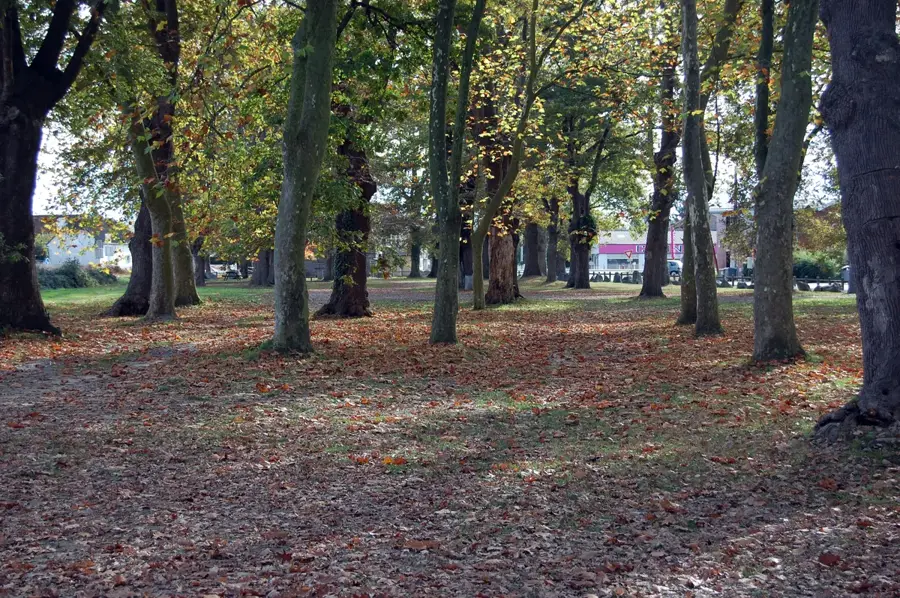
A wonderful park with mature trees, ponds, and walking paths, well-suited for an afternoon picnic.
While it can be busy on weekends, early in the morning the boulevard has absolute tranquility with fantastic mountain views.
Water temperature…
This nature outing, proposed with the national museum and estate of the Château de Pau, focuses on butterflies and living landscapes.
At the Château de Pau, a children's treasure-trail style visit offers a playful way to explore the permanent collections.
At Parc Ridgway, the city offers several days of free drop-in leisure activities with no registration required.
This free evening concert program at the Théâtre de Verdure closes the 2026 edition of Été à Pau.
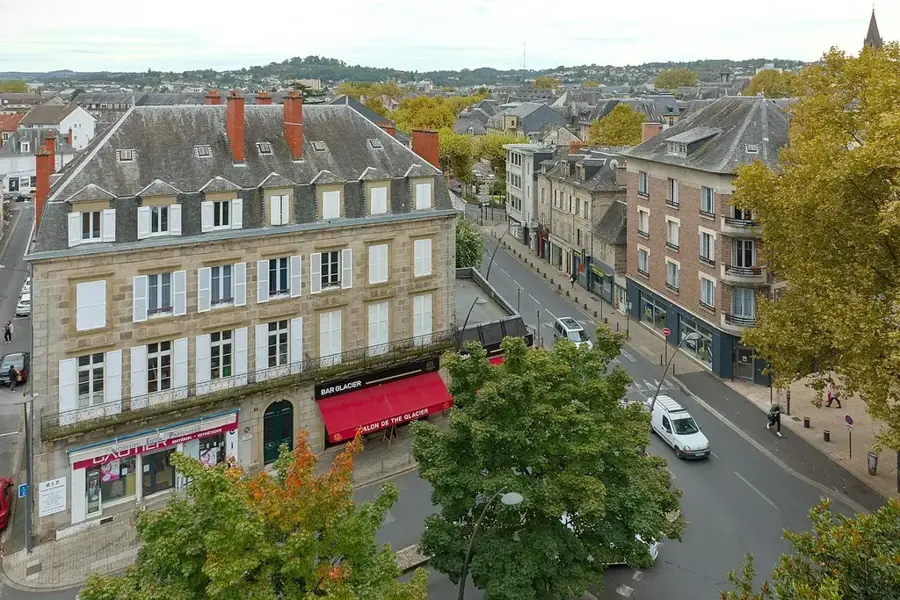
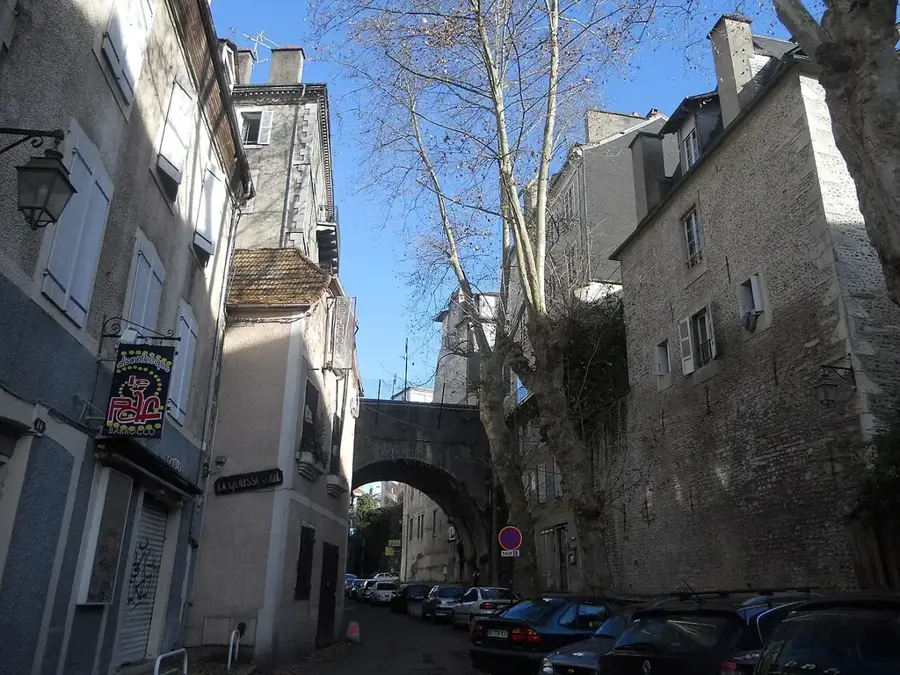
Pau is the capital of the Pyrénées-Atlantiques department, perched on a scenic ridge in southwestern France. The city is most famous as the birthplace of King Henri IV of France, and his ancestral home now serves as the centerpiece of the National Museum of the Château de Pau. This castle attracts numerous visitors and houses a prestigious collection of Flemish tapestries from the 16th to 18th centuries. A defining feature of the city is the Boulevard des Pyrénées, a 1.8-kilometer promenade offering a panoramic panoramic view of the Pyrenean mountain range. Pau is also a historic center for motorsport, hosting the Pau Grand Prix on its challenging street circuit since 1933. During the 19th century, its mild climate made it a favored winter resort for European aristocracy. Today, Pau is a leading hub for aerospace engineering and the chemical industry in the Aquitaine region.
Explore on the map
Find cities, landscapes and regions in 10 varied challenges on the interactive map.
Your journey, your memory
Turn your own photo into a personal postcard with a local stamp. Free and no sign-up required.
Create a postcardThe most pleasant time to visit is Jul–Sep.
| Jan | Feb | Mar | Apr | May | Jun | Jul | Aug | Sep | Oct | Nov | Dec | |
|---|---|---|---|---|---|---|---|---|---|---|---|---|
| Avg °C | 6 | 6 | 9 | 12 | 15 | 19 | 22 | 22 | 19 | 15 | 10 | 7 |
| Rain mm | 102 | 77 | 80 | 87 | 92 | 72 | 53 | 53 | 59 | 82 | 115 | 91 |
Notable places around
Where do you start? We build the route here, with stops and country notes along the way.
© OpenStreetMap contributors · OpenRouteService
Start your morning at the majestic Château and the old town streets. Midday is perfect for a stroll along the Boulevard des Pyrénées with its mountain views. After a traditional Béarn lunch, dive into history at the Bernadotte Museum. Spend a relaxing afternoon in Parc Beaumont before ending your walk back at Place Royale.
Explore both the historic center and the banks of the Gave de Pau by bike. Art in the morning, park relaxation at noon, and a sporty ride to the white-water stadium in the afternoon. A perfect blend of culture and active sightseeing.
This car tour combines the best of Pau with an excursion to the historic Cathedral of Lescar. Spend the morning in the historic center (Cluster A), explore the parks around Palais Beaumont at noon (Cluster B), and top off the afternoon with a visit to the medieval Cathedral of Lescar (Cluster C).
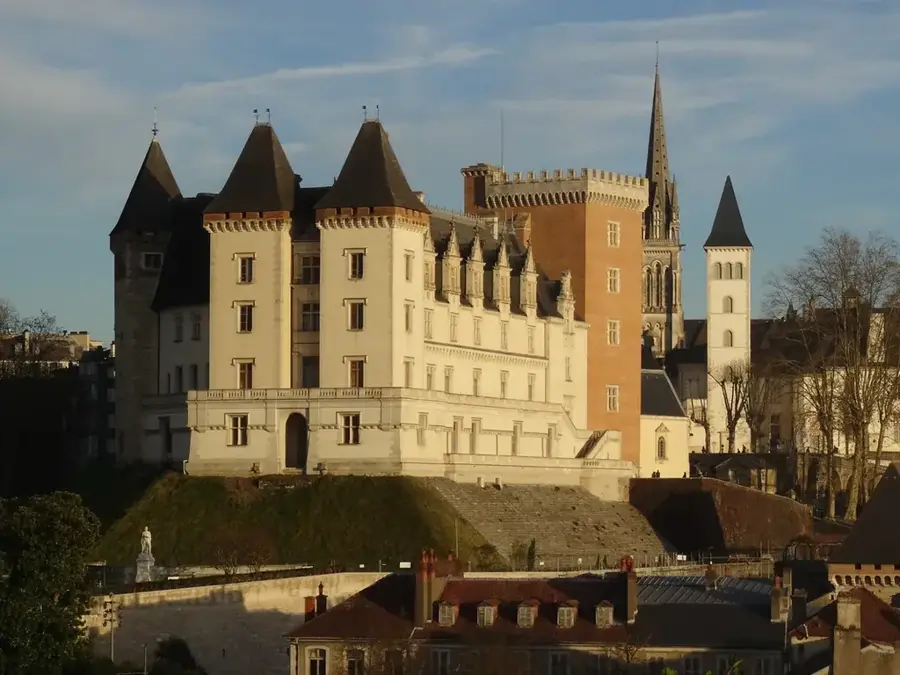
The birthplace of King Henry IV, this royal castle now serves as a national museum featuring an impressive collection of tapestries.