Plizio Visual Lab
Mbabane
ℹ️Practical info — Mbabane
▾
🌤 Weather — 5 days
📍 Nearby
Sights nearby
💡 Tips
- The city has a cooler mountain climate than the rest of the country; always carry a light jacket.
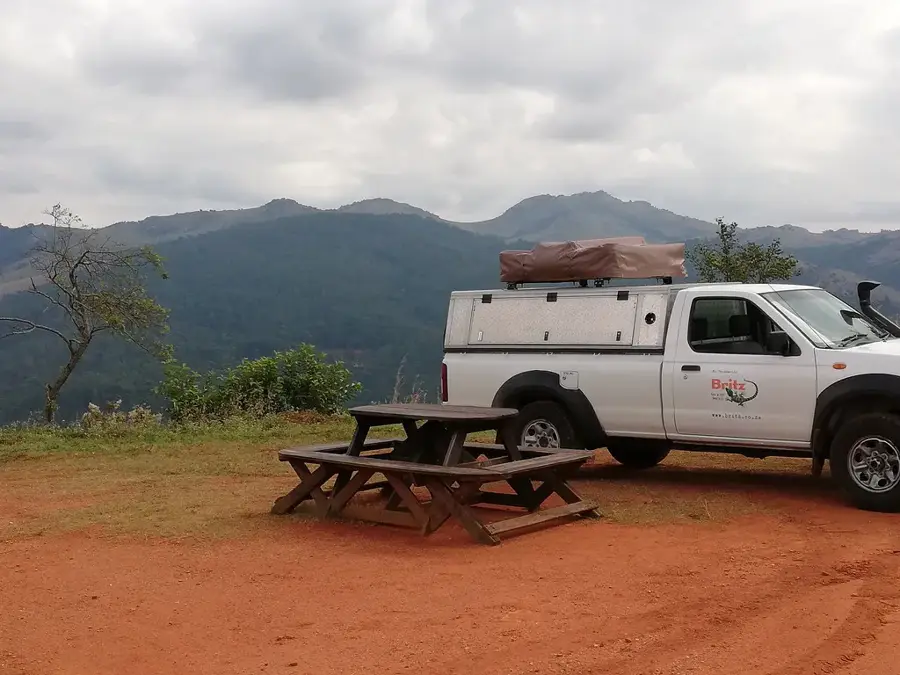
- Renting a car is the most convenient way to explore the surrounding valleys and nature reserves.
- Minibus taxis (kumbis) are cheap but operate without fixed schedules; ask locals for the right route.
- Greeting people with a friendly 'Sawubona' (hello) is expected and highly appreciated.
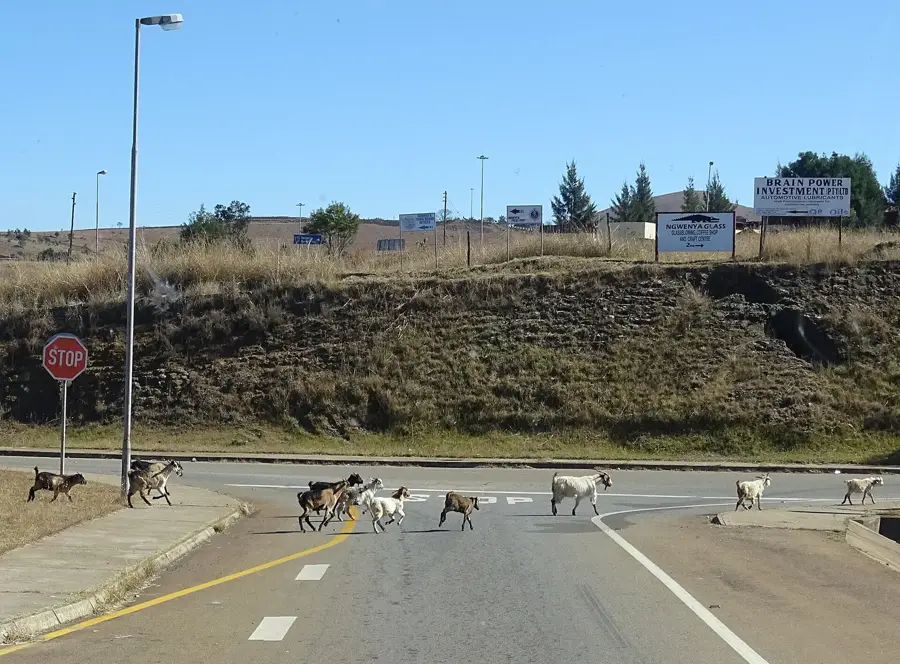
- Be cautious of potholes and stray livestock when driving outside the city center.
🍽 Food
Maize porridge with meat; found at traditional eateries near the main taxi rank.
Dried cured meat; pick some up from local butcheries or at the central market.
Try local brews at pubs and hotel bars in the city center.
🛍 Shopping · 🧘 Quiet spots
Bustling spot for fresh produce, spices, and traditional medicinal plants.
Beautiful artisanal crafts found in souvenir shops around the main mall area.
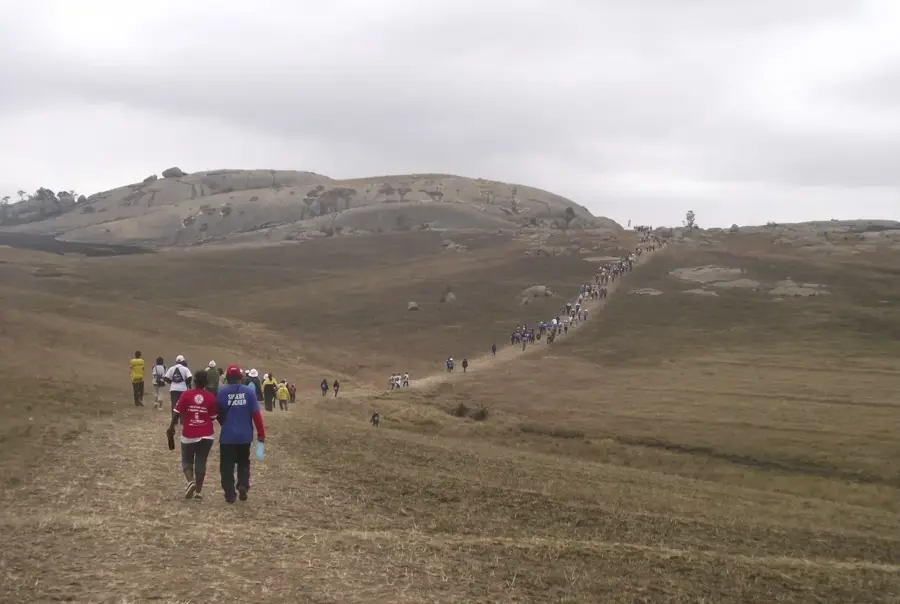
A massive granite dome just outside the city, first-rate for a quiet, scenic hike.
A calm green space in the city convenient for reading or a quick picnic.
Water temperature…
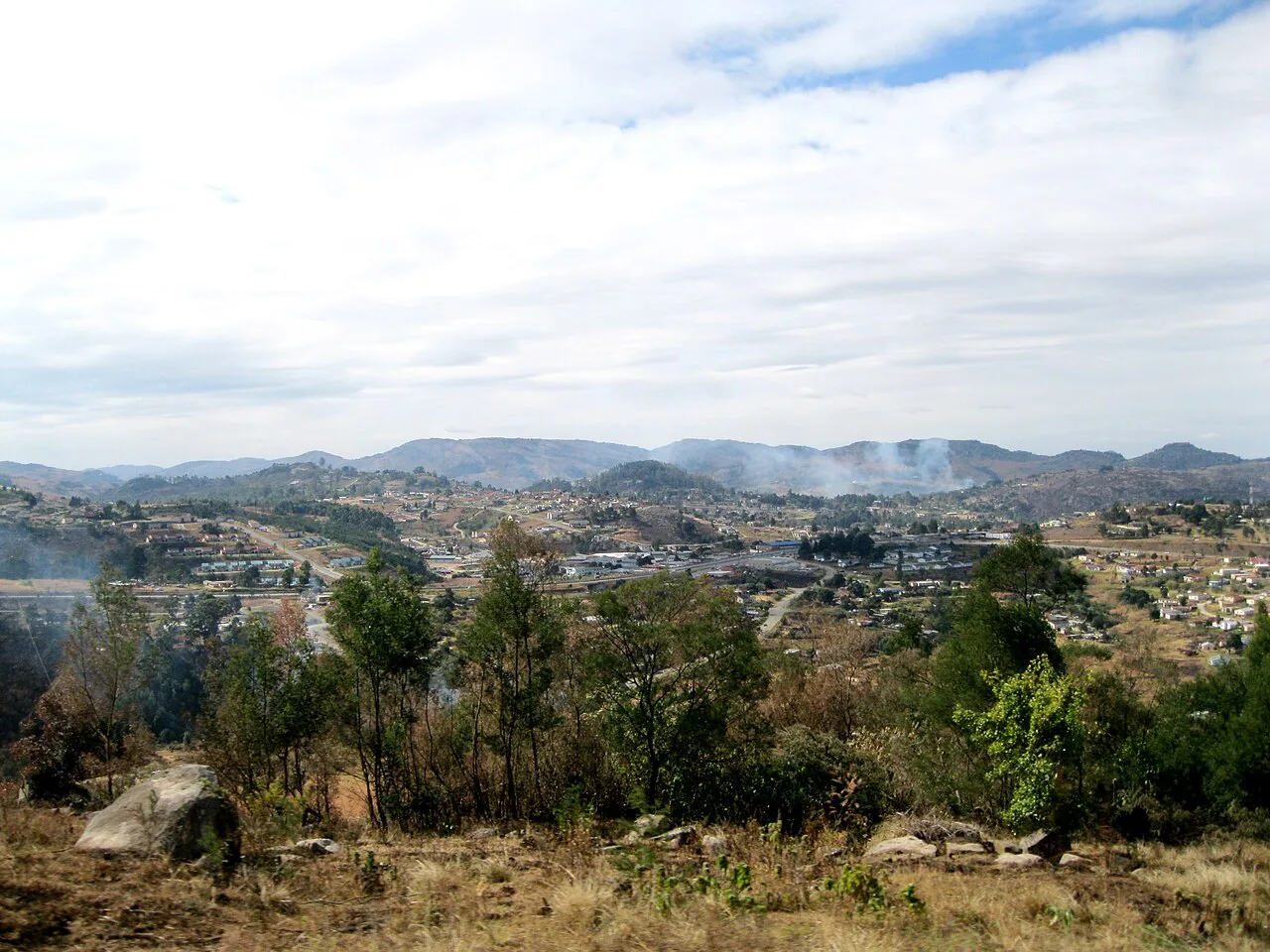
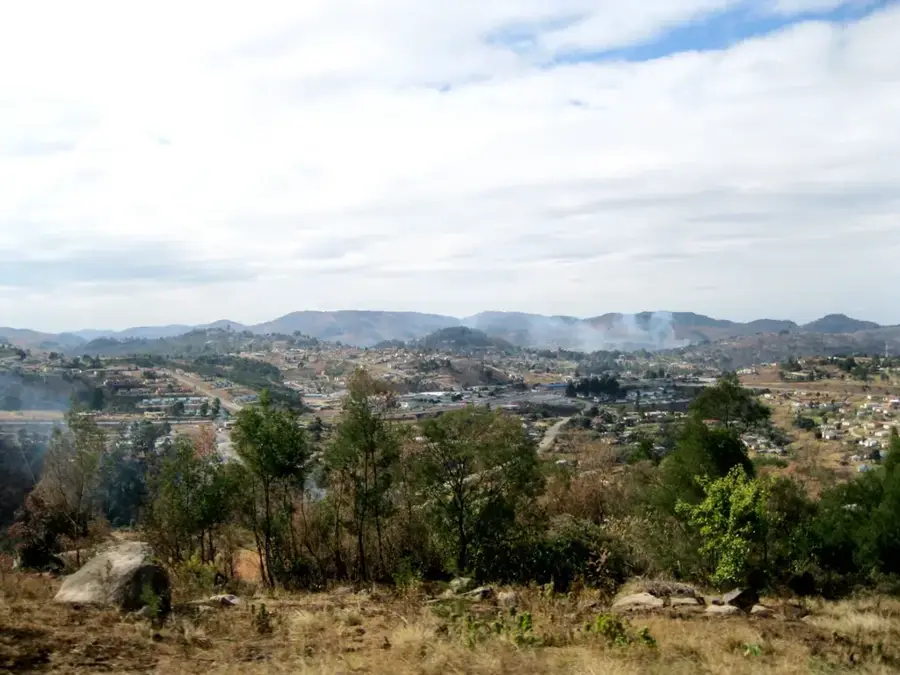
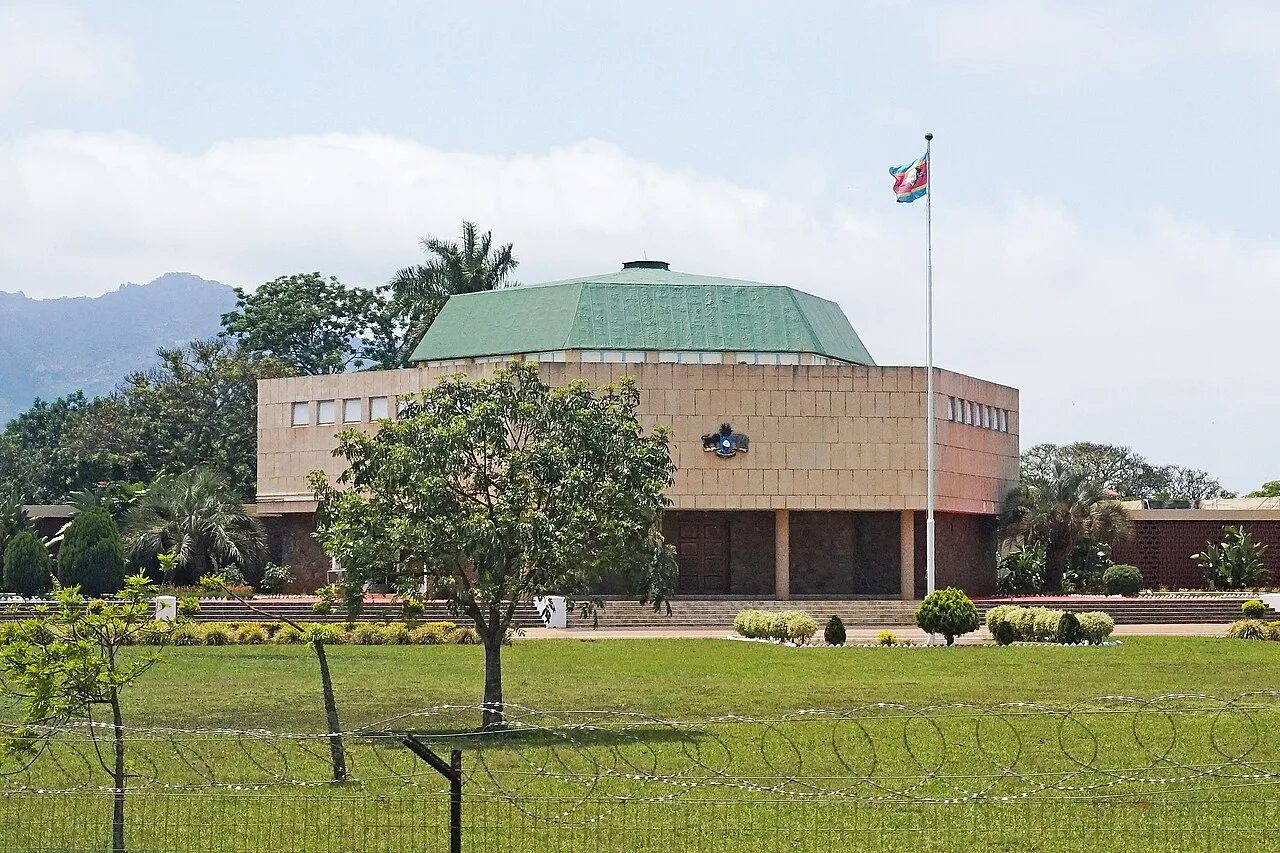
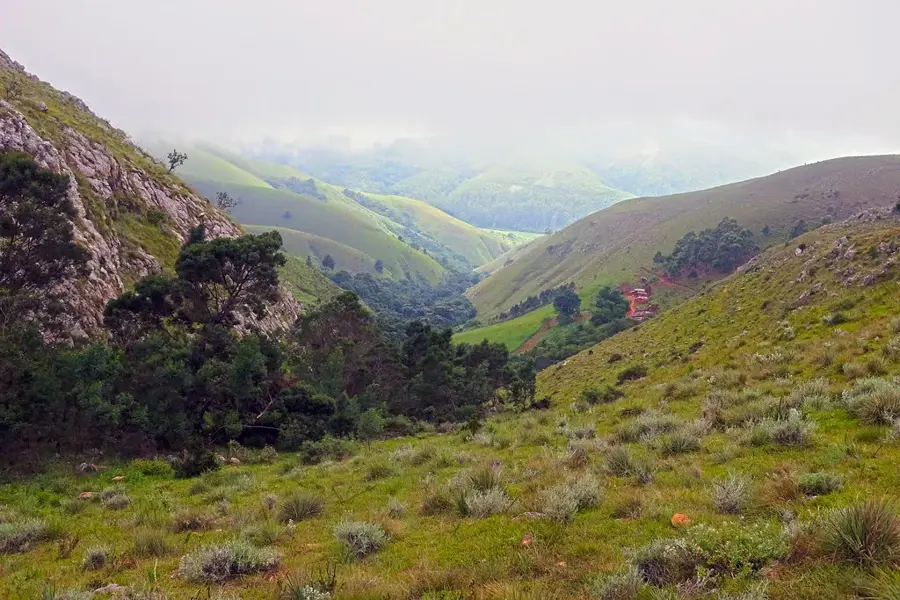
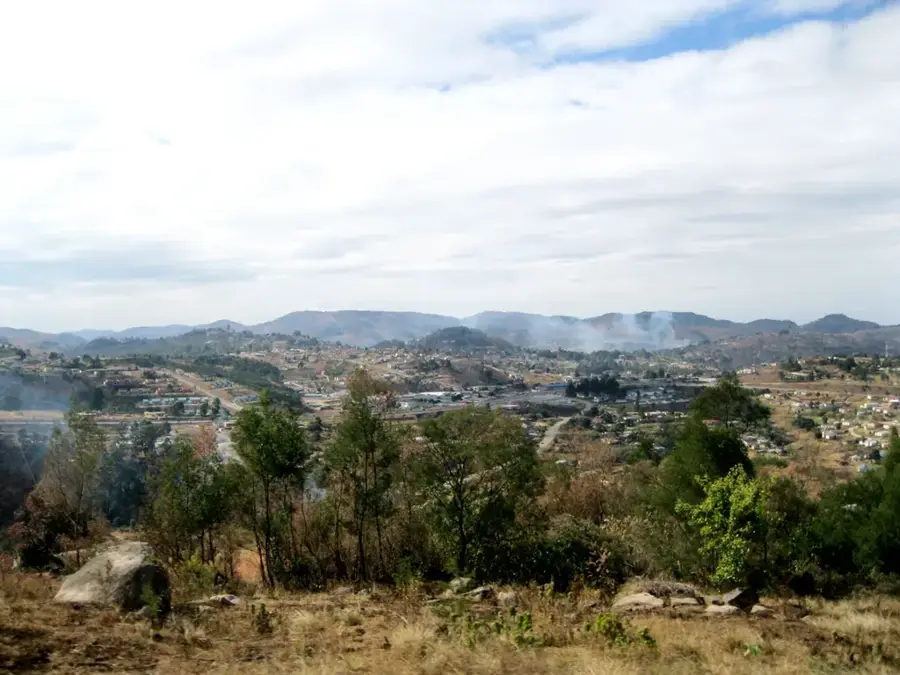
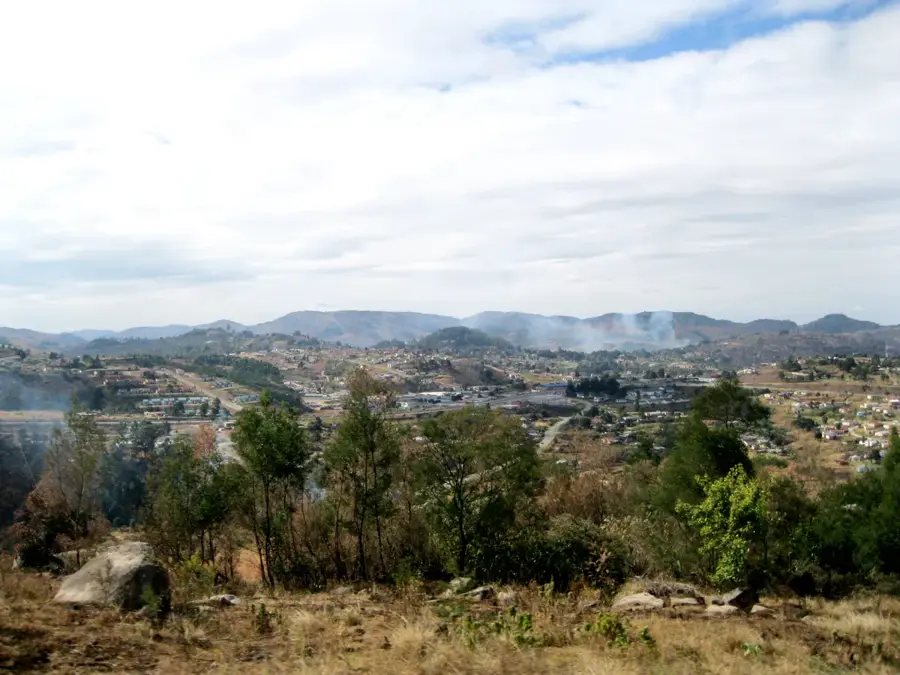
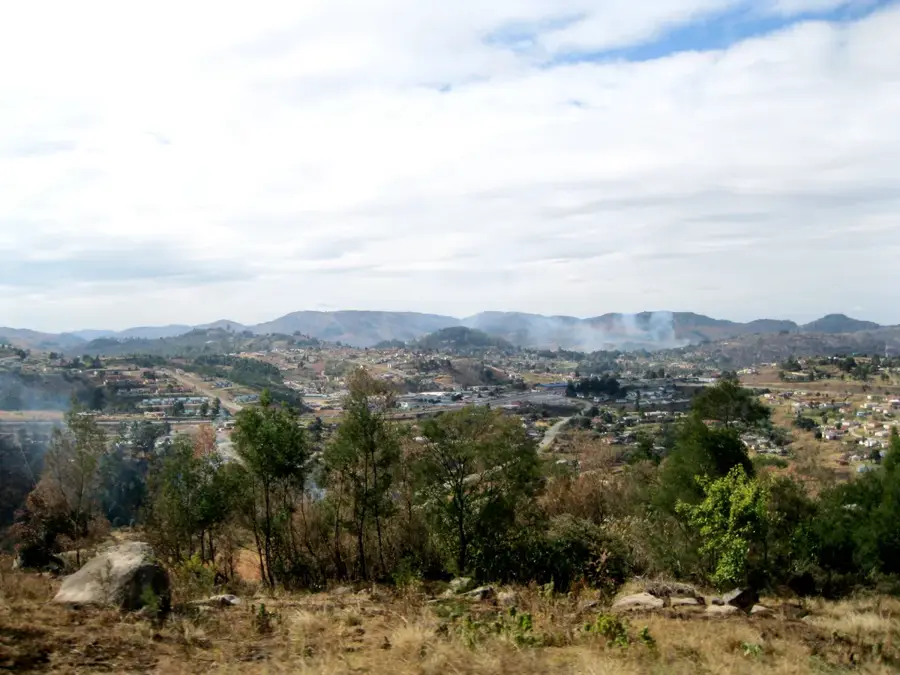
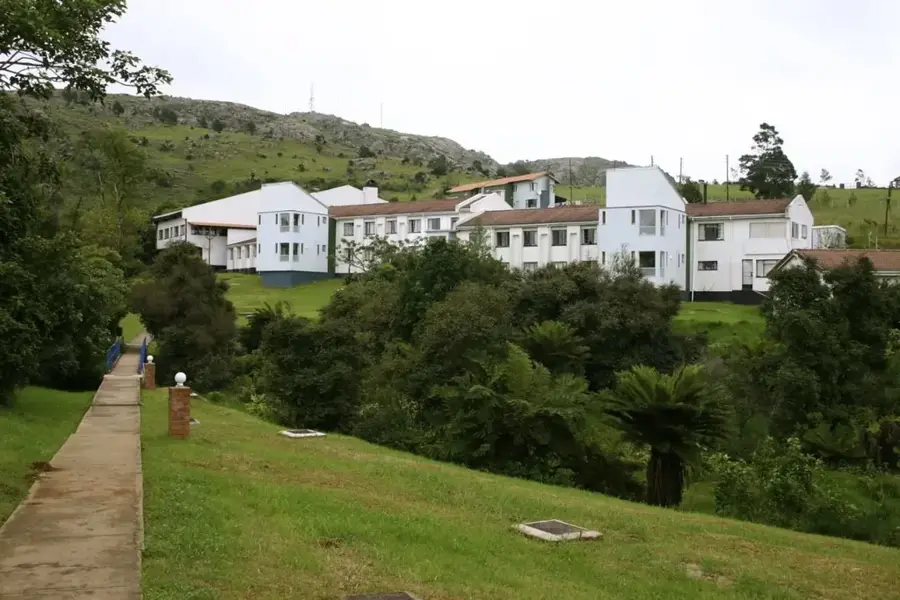
Mbabane, the administrative capital of Eswatini, is situated in the Dlangeni Hills of the Highveld region, commanding a strategic and scenic position at an altitude of 1,243 meters. Named after a local chief, Mbabane became the country's administrative center in 1902 during the British colonial era, chosen over Manzini for its healthier climate and cooler temperatures. The city serves as the hub for the nation's government departments, judiciary, and diplomatic corps, maintaining a professional and orderly atmosphere. Economically, Mbabane is the primary center for finance, telecommunications, and high-end services in Eswatini. The urban layout is defined by the steep terrain, with residential suburbs climbing the surrounding hillsides and the Central Business District located in the valley basin. Key landmarks include the Swazi Plaza and the Corporate Place, which represent the city's modern commercial aspirations. The climate is notably temperate, with occasional mists and rainfall that sustain a verdant landscape throughout much of the year. Mbabane is also a gateway to the country's tourism assets, including the Ezulwini Valley, famous for its cultural villages and nature reserves. Education is a priority here, with the city hosting several prestigious schools that attract students from across Southern Africa. The social fabric of Mbabane is deeply influenced by the Swazi monarchy, and while it is a modern city, traditional values remain central to daily life. The proximity to the Sibebe Rock, a massive granite outcrop, provides residents and visitors with world-class hiking and rock-climbing opportunities. Transportation within the city is facilitated by a network of well-maintained roads, linking it efficiently to the South African border at Ngwenya. As a growing urban center, Mbabane faces the challenges of sustainable development while striving to preserve the natural beauty and environmental integrity of its mountain setting. The city represents a unique synthesis of African tradition and modern governance, making it a distinctive capital in the Southern African region.
Explore on the map
How well do you know Eswatini?
Find cities, landscapes and regions in 10 varied challenges on the interactive map.
Your journey, your memory
A postcard from Mbabane
Turn your own photo into a personal postcard with a local stamp. Free and no sign-up required.
Create a postcard- Location: Eswatini
- Highlights: Art Centre · Indingilizi Art & Craft Gallery · Holy Resurrection church of Mbabane
- Nearby: Mondi (10 km)
- Population: ~76.218 (2019)
Best time to visit & climate
The most pleasant time to visit is Apr, Sep, Oct.
| Jan | Feb | Mar | Apr | May | Jun | Jul | Aug | Sep | Oct | Nov | Dec | |
|---|---|---|---|---|---|---|---|---|---|---|---|---|
| Avg °C | 23 | 23 | 22 | 19 | 17 | 15 | 14 | 17 | 20 | 21 | 22 | 23 |
| Rain mm | 137 | 96 | 86 | 53 | 16 | 10 | 12 | 13 | 29 | 59 | 104 | 122 |
Geography
Facts
- Mbabane is located at an elevation of 1,243 meters (4,078 feet).
- It was established as the administrative capital in 1902.
- The city's population is roughly 95,000 as of recent estimates.
- Sibebe Rock, near the city, is one of the world's largest granite plutons.
- The city experiences a subtropical highland climate (Cwb).
- Mbabane is the financial hub and seat of the Eswatini government.
- It is named after Mbabane Kunene, a chief of the area in the 1800s.
- The city is a major educational center for the Southern African region.
Explore nearby
Notable places around
Route planner — Car & Motorhome
Where do you start? We build the route here, with stops and country notes along the way.
© OpenStreetMap contributors · OpenRouteService
Sights in the town Mbabane (3)
Frequently asked questions
How much time is needed for Mbabane?
Best time to visit the capital?
How is the public transport connection?
Is Mbabane safe for tourists?
Are there good restaurants?
Mbabane: where is it located?
Mbabane: what is there to see?
Mbabane: when is the best time to visit?
Mbabane: why is it worth visiting?
Nearby cities
History & landmarks
Nature
More places