Plizio Visual Lab
Taba Protected Area
Weather…
Water temperature…
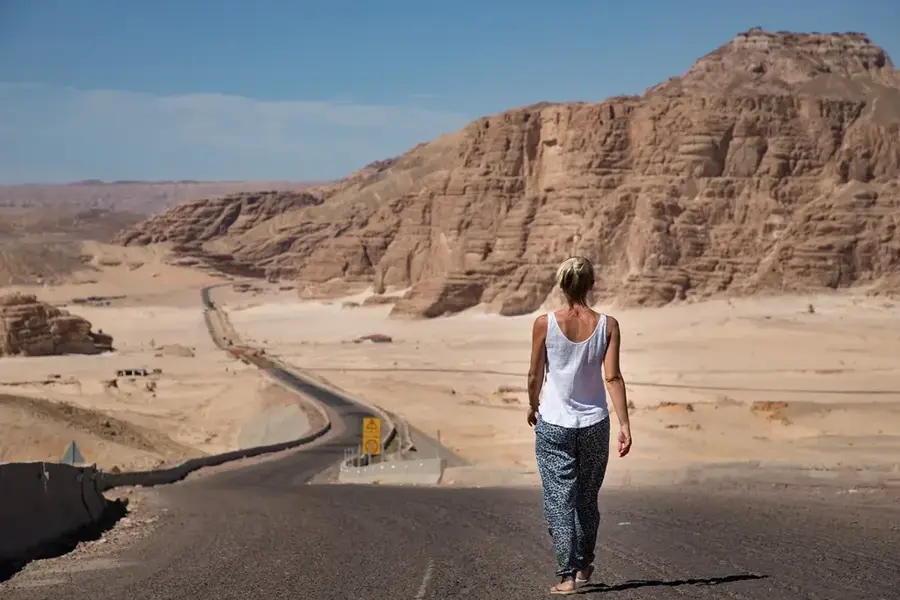
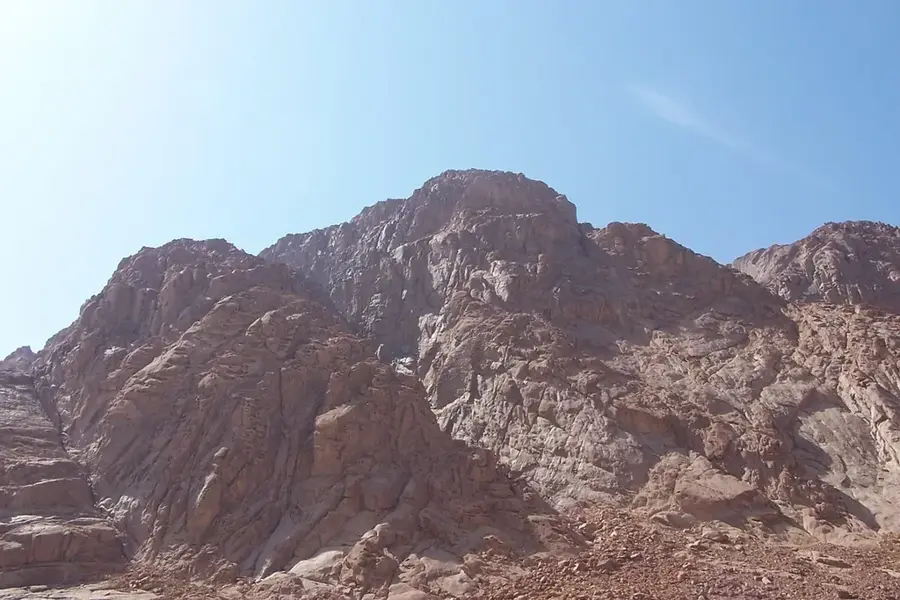
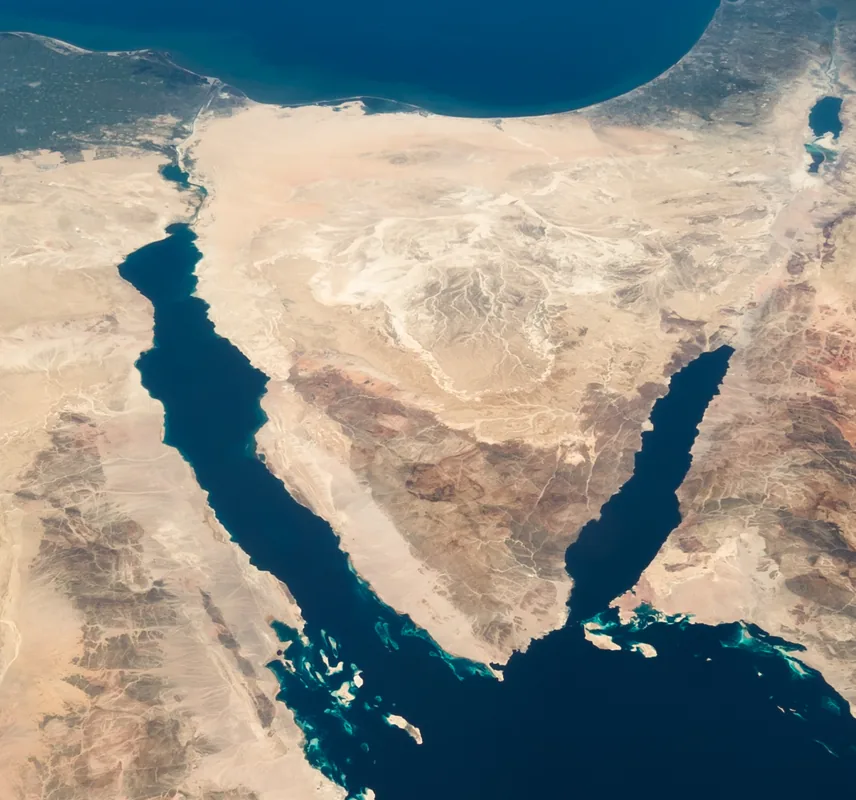
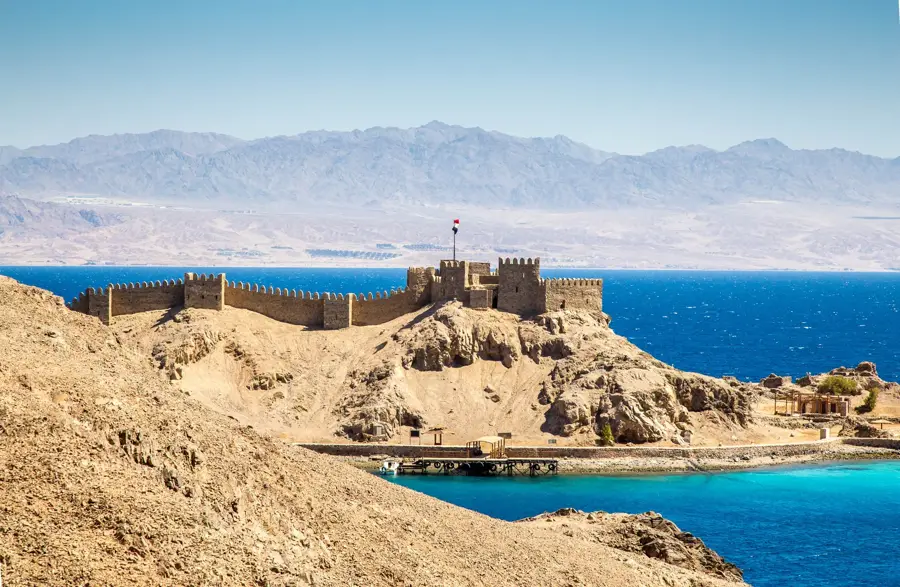
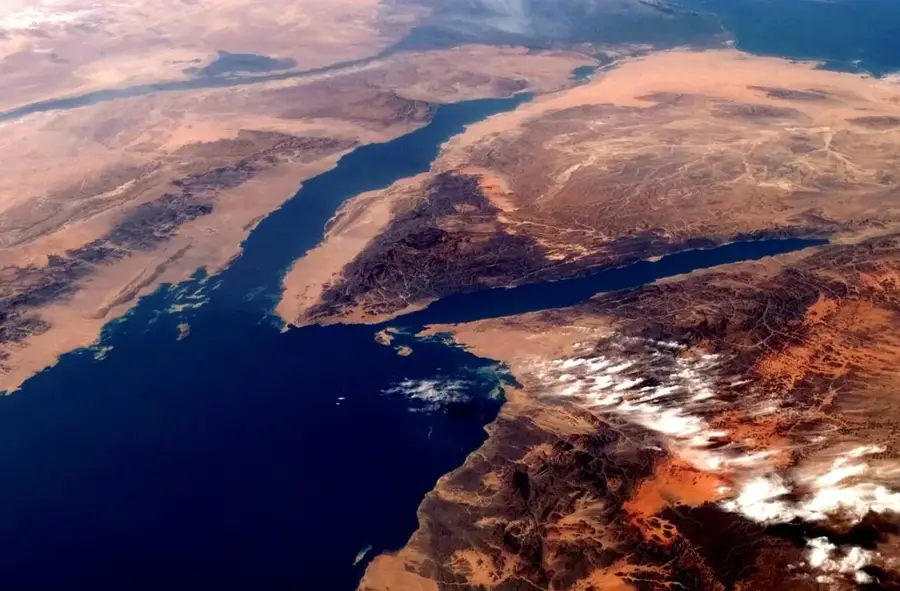
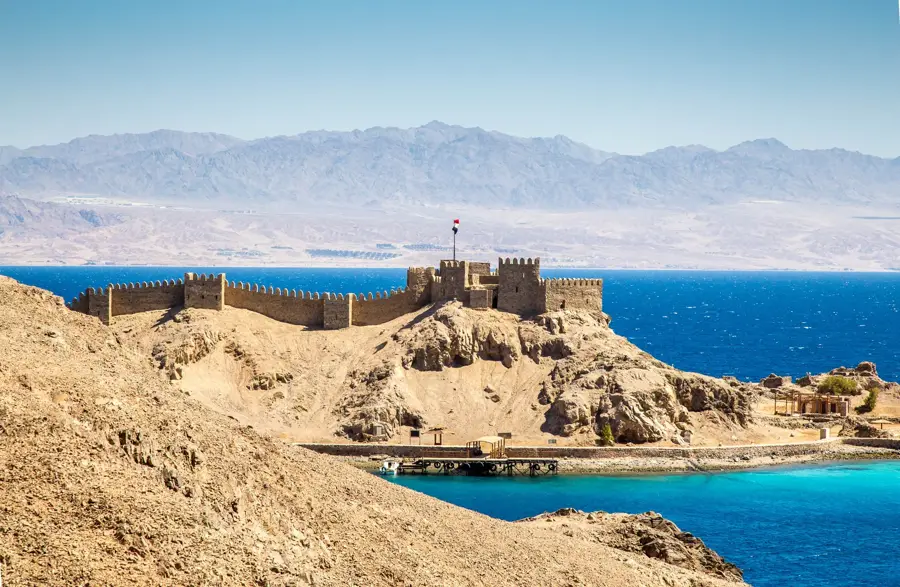
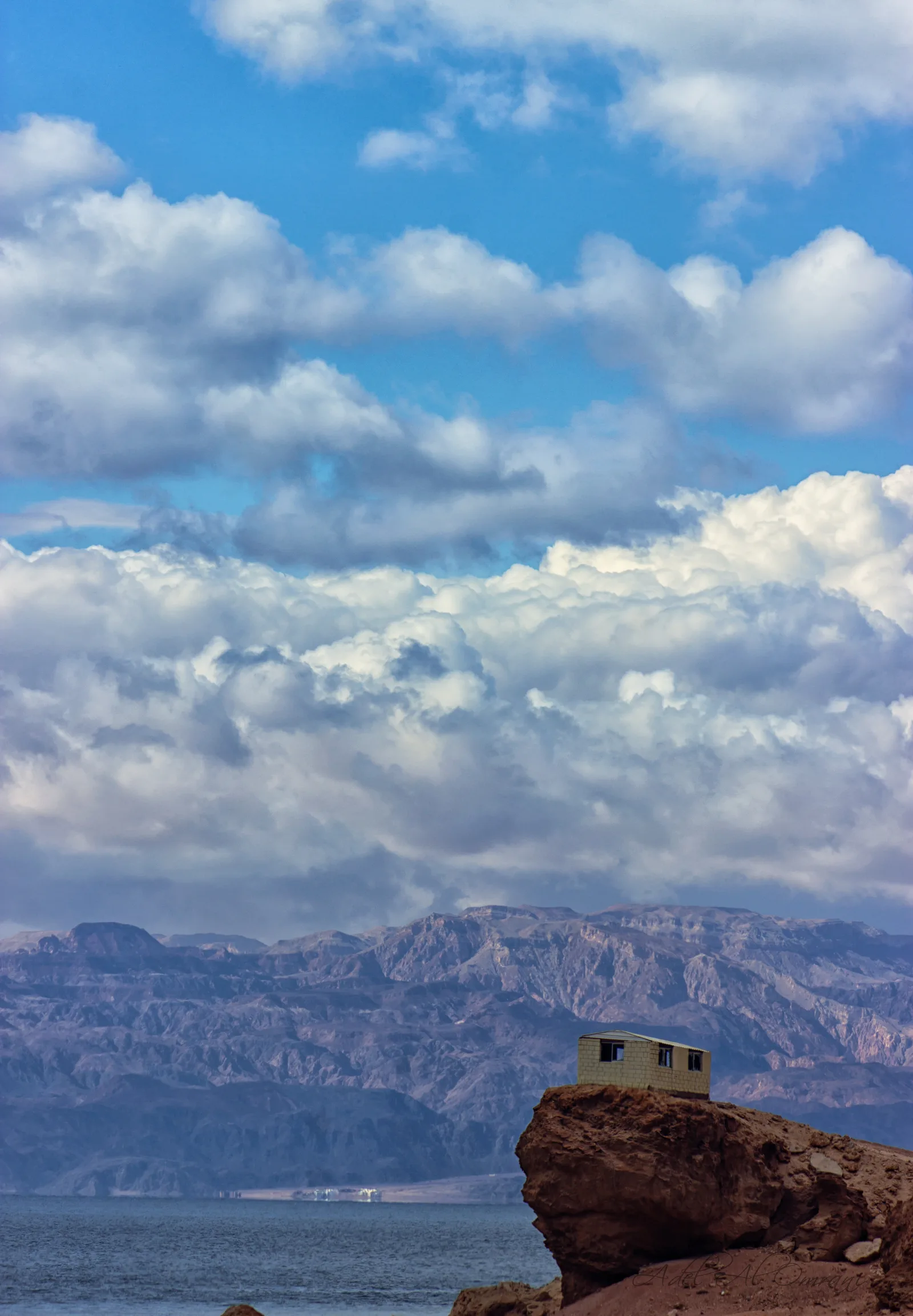
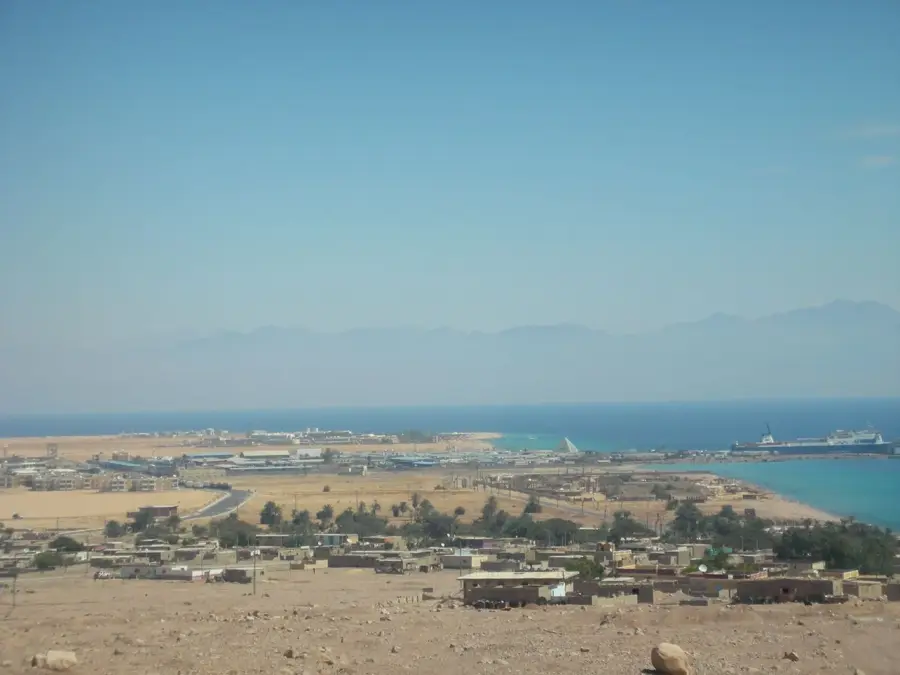
The Taba Protected Area in southern Sinai covers an area of about 3,590 square kilometers and is characterized by its mountain formations and deep canyons. The region is a sanctuary for rare wildlife such as the Nubian ibex, the rock hyrax, and the rare Arabian leopard. Geologically, the protected area gives a variety of rock layers millions of years old, as well as hidden caves with ancient inscriptions. The park's flora includes over 480 plant species, many of which are endemic and have adapted to extreme desert conditions. From the high plateaus of the protected area, one has expansive views over the Gulf of Aqaba to the coasts of Jordan and Saudi Arabia. The area is also known for its prehistoric sites such as the Nawamis tombs, which are among the oldest free-standing stone structures in the world. The rugged terrain provides hikers with numerous challenging routes to explore.
Explore on the map
How well do you know Egypt?
Find cities, landscapes and regions in 10 varied challenges on the interactive map.
Your journey, your memory
A postcard from Taba Protected Area
Turn your own photo into a personal postcard with a local stamp. Free and no sign-up required.
Create a postcard- Location: Egypt
- Nearby: Fjord Bay (15 km)
Best time to visit & climate
The most pleasant time to visit is May, Sep, Oct.
| Jan | Feb | Mar | Apr | May | Jun | Jul | Aug | Sep | Oct | Nov | Dec | |
|---|---|---|---|---|---|---|---|---|---|---|---|---|
| Avg °C | 9 | 11 | 14 | 18 | 22 | 25 | 26 | 26 | 24 | 21 | 15 | 11 |
| Rain mm | 5 | 5 | 3 | 4 | 0 | 0 | 0 | 0 | 0 | 4 | 3 | 5 |
📋 Practical info
Geography
Facts
- The area encompasses 3,590 square kilometers of high desert.
- Over 480 different plant species have been recorded.
- The Nawamis stone tombs are over 5,000 years old.
- Rare species such as the caracal live within the area.
- The protected area was established in 1998.
- There are significant underground water reservoirs here.
Explore nearby
Notable places around



Route planner — Car & Motorhome
Where do you start? We build the route here, with stops and country notes along the way.
© OpenStreetMap contributors · OpenRouteService
Sights nearby
Frequently asked questions
What does the Taba Protected Area offer for nature lovers?
Is hiking allowed there?
Which animals live in the Taba Protected Area?
When is the best time to visit?
Are there water sources available?
Taba Protected Area: where is it located?
Taba Protected Area: when is the best time to visit?
Taba Protected Area: why is it worth visiting?
Nearby cities

Nature
More places