Plizio Visual Lab
Pasto
ℹ️Practical info — Pasto
▾
🌤 Weather — 5 days
📍 Nearby
Sights nearby
💡 Tips
- The city sits at over 2,500 meters altitude; take it easy on your first day to acclimate.
- If visiting in early January, book accommodation months in advance for the Carnaval de Negros y Blancos.
- Nights can be surprisingly chilly; pack warm layers like a good jacket.
- Use regulated yellow taxis at night rather than walking the streets of the city center.
🍽 Food
Roasted guinea pig, an Andean delicacy best tried in specialized traditional restaurants.
Traditional artisanal ice cream hand-churned in copper pans, readily found in downtown shops.
Crispy empanadas made from fermented corn dough and filled with meat, popular in local cafes.
🛍 Shopping · 🧘 Quiet spots
A prominent craft market to buy 'Barniz de Pasto' wooden items decorated with colorful local resin.
The city's largest traditional market; chaotic, animated, but keep an eye on your belongings.
A beautiful, serene historical church in the city center offering a quiet retreat from the bustling streets.
The main central plaza, great for people-watching or relaxing near the historic architecture.
Water temperature…
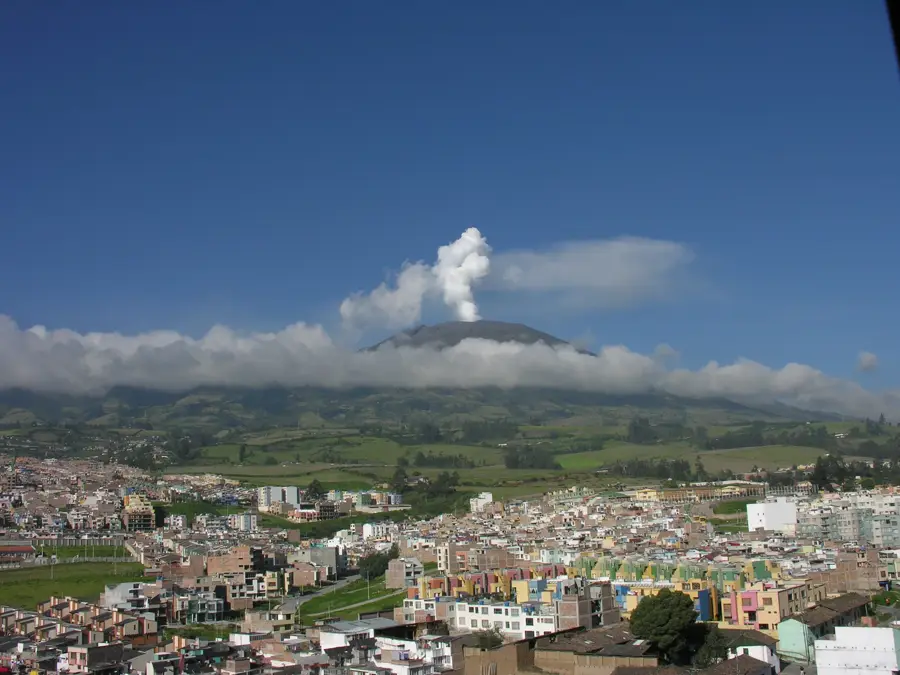
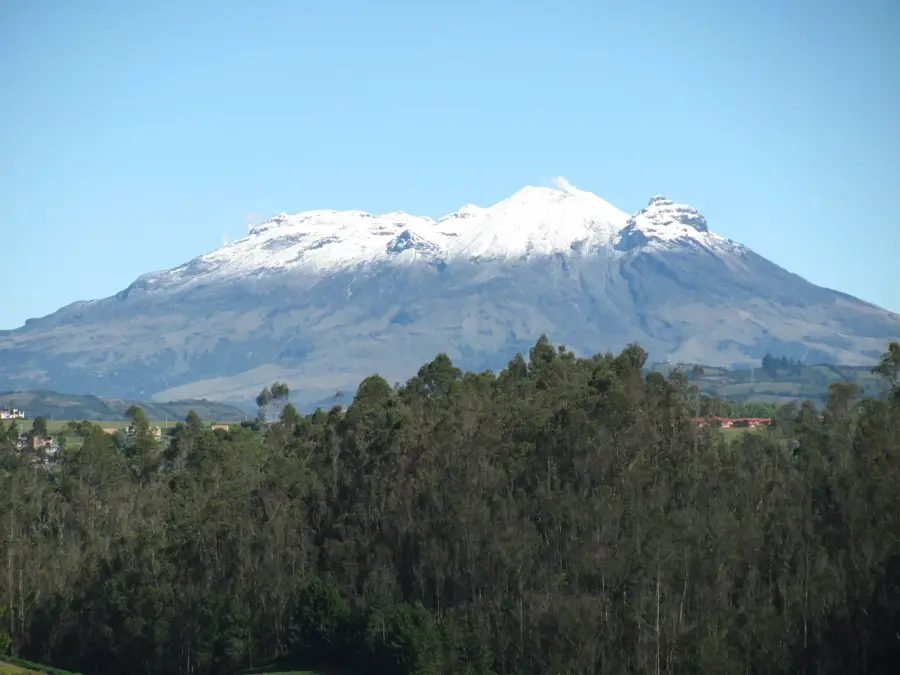
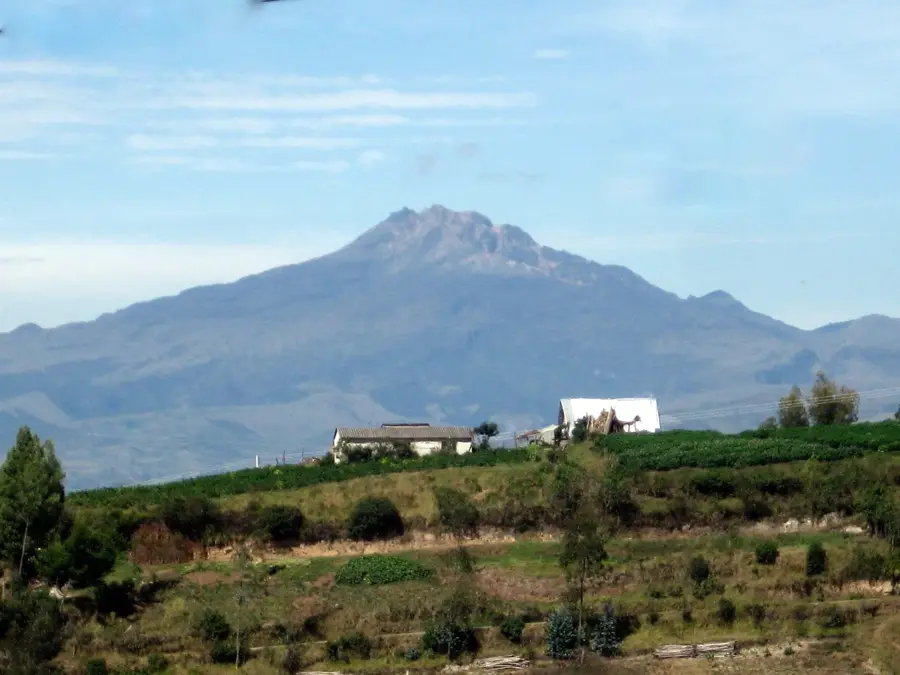
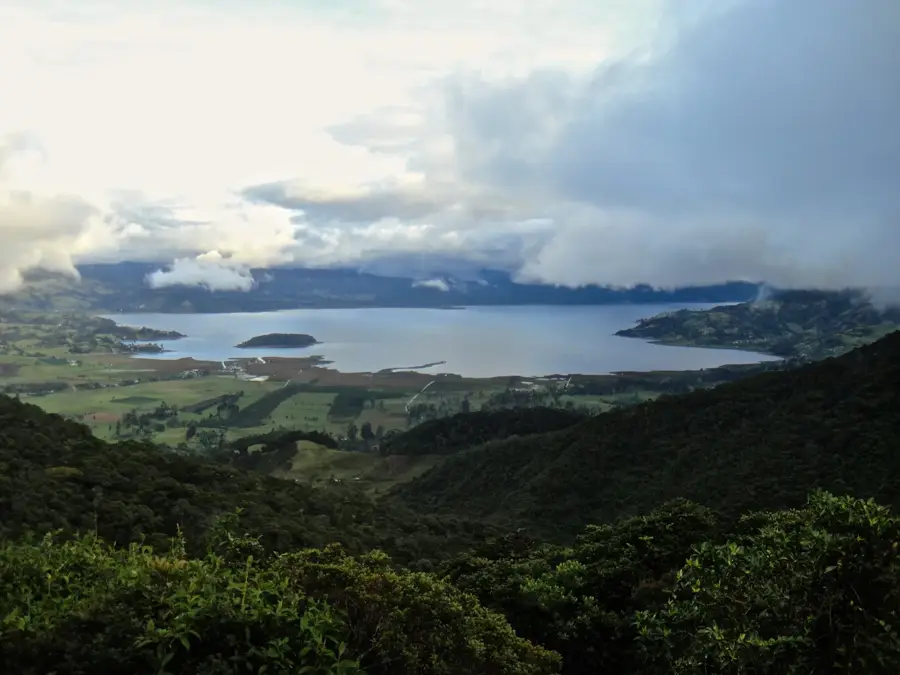
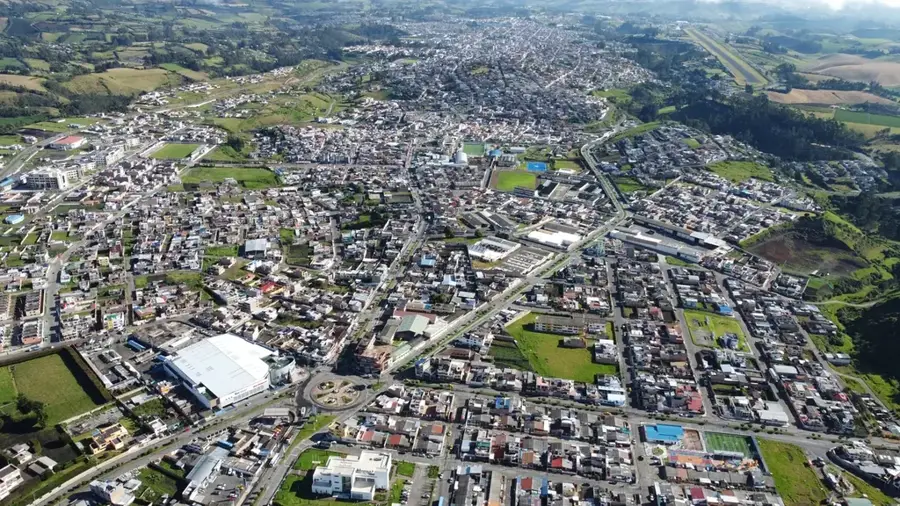
Pasto, officially San Juan de Pasto, is the capital of the Nariño department, perched in a high Andean valley at the foot of the Galeras Volcano in southwestern Colombia. Known as 'The Theological City' due to its impressive concentration of colonial churches, Pasto is one of Colombia's oldest urban centers, founded in 1537. Its high-altitude location, over 2,500 meters above sea level, gives it a cool mountain climate that sets it apart from the tropical lowlands. The city's geography is defined by its proximity to the active Galeras Volcano and the memorable Laguna de la Cocha, a high-altitude lake that is a hub for ecotourism. Culturally, Pasto is famous for the 'Carnaval de Negros y Blancos' (Blacks and Whites' Carnival), a UNESCO Intangible Cultural Heritage event that celebrates ethnic diversity and tolerance every January. Another unique cultural treasure is 'Barniz de Pasto,' a pre-Columbian decorative technique using the resin of the mopo-mopo tree to create intricate designs on wooden objects. The city's economy thrives on commerce, particularly with neighboring Ecuador via the Pan-American Highway, as well as agriculture and craftsmanship. Pasto’s culinary heritage is distinct, featuring traditional dishes like roasted 'cuy' (guinea pig) and 'frito pastuso,' which reflect its deep Andean roots. A center of learning and religious devotion, Pasto gives a rich tapestry of history, art, and natural beauty. It remains a proud guardian of its regional identity, making it a vital cultural and economic bridge between Colombia and the southern Andean nations.
Explore on the map
How well do you know Colombia?
Find cities, landscapes and regions in 10 varied challenges on the interactive map.
Your journey, your memory
A postcard from Pasto
Turn your own photo into a personal postcard with a local stamp. Free and no sign-up required.
Create a postcard- Location: Colombia
- Highlights: Museo del Carnaval · Museo del Oro · Museo Taminango
- Nearby: Ipiales (59 km)
- Population: ~392.930 (2026)
Best time to visit & climate
The most pleasant time to visit is Jul–Sep.
| Jan | Feb | Mar | Apr | May | Jun | Jul | Aug | Sep | Oct | Nov | Dec | |
|---|---|---|---|---|---|---|---|---|---|---|---|---|
| Avg °C | 14 | 14 | 14 | 14 | 13 | 12 | 12 | 13 | 13 | 13 | 14 | 13 |
| Rain mm | 82 | 82 | 105 | 122 | 99 | 75 | 52 | 37 | 48 | 102 | 129 | 105 |
Geography
Facts
- Pasto was founded in 1537, making it one of the oldest cities in the Americas.
- It sits at an average altitude of 2,527 meters (8,291 feet).
- The Galeras Volcano is constantly monitored due to its frequent activity.
- The 'Carnaval de Negros y Blancos' was declared UNESCO Heritage in 2009.
- The Pan-American Highway connects Pasto to the Rumichaca International Bridge.
- Barniz de Pasto is one of the few surviving pre-Hispanic craft techniques.
- The local specialty 'Cuy' is traditionally served roasted with potatoes.
- The city's motto is 'Gracia plena' (Full of Grace), reflecting its religious history.
Explore nearby
Notable places around
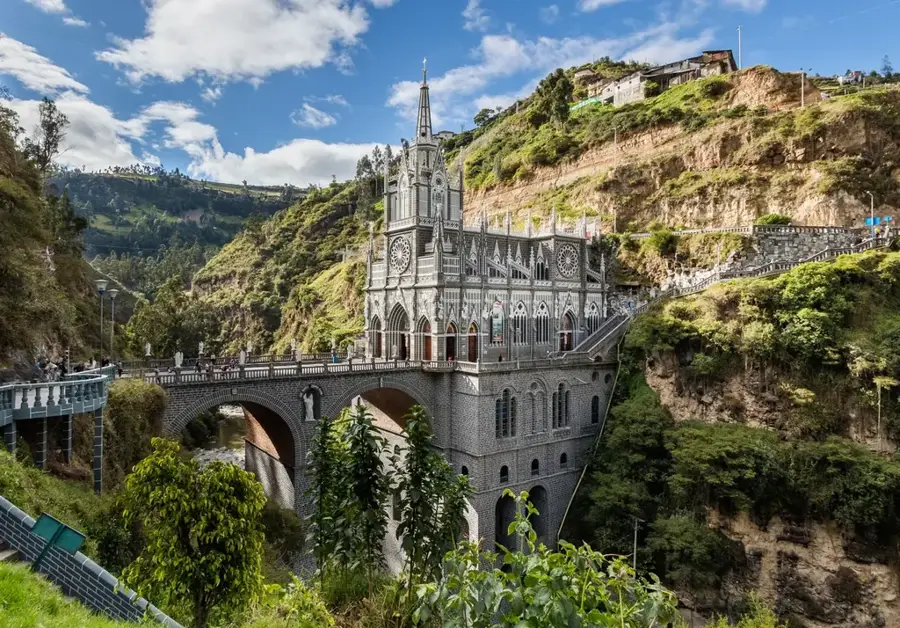
Route planner — Car & Motorhome
Where do you start? We build the route here, with stops and country notes along the way.
© OpenStreetMap contributors · OpenRouteService
Sights in the town Pasto (15)
Iglesia Pentecostal Unida de Colombia⛪ religious
A Pentecostal house of worship with a significant local presence.
Frequently asked questions
When is the carnival in Pasto?
What is Laguna de la Cocha?
What is 'Cuy'?
Is Pasto a cold city?
What is the Galeras?
Pasto: where is it located?
Pasto: what is there to see?
Pasto: when is the best time to visit?
Pasto: why is it worth visiting?
Nearby cities
History & landmarks
Nature
More places