Plizio Visual Lab
Valledupar
ℹ️Practical info — Valledupar
▾
🌤 Weather — 5 days
📍 Nearby
Sights nearby
💡 Tips
- Plan your day like the locals: rest during the hot midday hours and become active in the late afternoon.
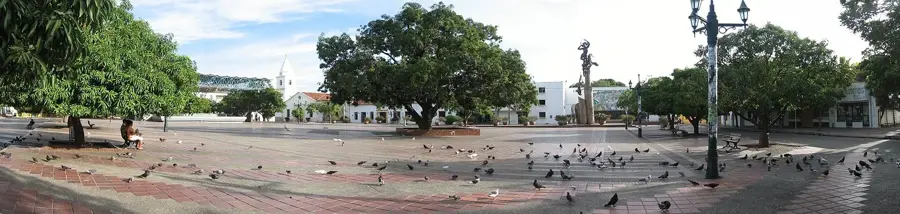
- Visit the Plaza Alfonso López to experience the center of Vallenato culture.
- If traveling in April, book your accommodation well in advance as the Vallenato Festival fills the city.
- For longer distances at night, it's best to use an official taxi.
🍽 Food
A hearty soup that is especially popular on Sundays in restaurants along the Guatapurí River.
Cheese arepas, often freshly grilled by street vendors in the evening.
Roast goat, a regional specialty that you can find in traditional eateries.
🛍 Shopping · 🧘 Quiet spots
Hand-woven indigenous bags. It is best to buy these in authentic craft shops or from cooperatives.
A street where you can find traditional handicrafts and Vallenato hats (Vueltiaos).
Go to this section of the Guatapurí River early in the morning to avoid the crowds.
A shaded park near the river, well-suited for relaxing next to Vallenato sculptures.
Water temperature…
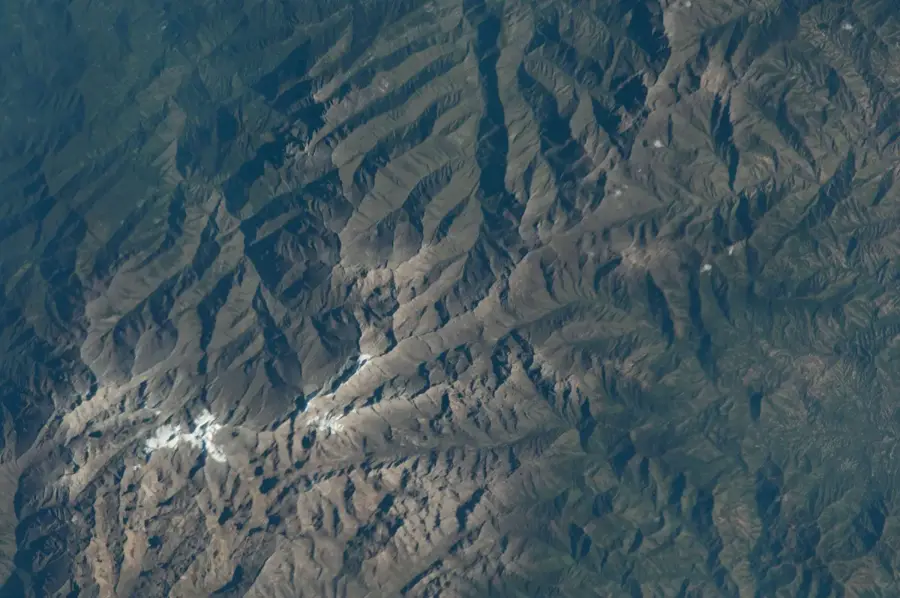
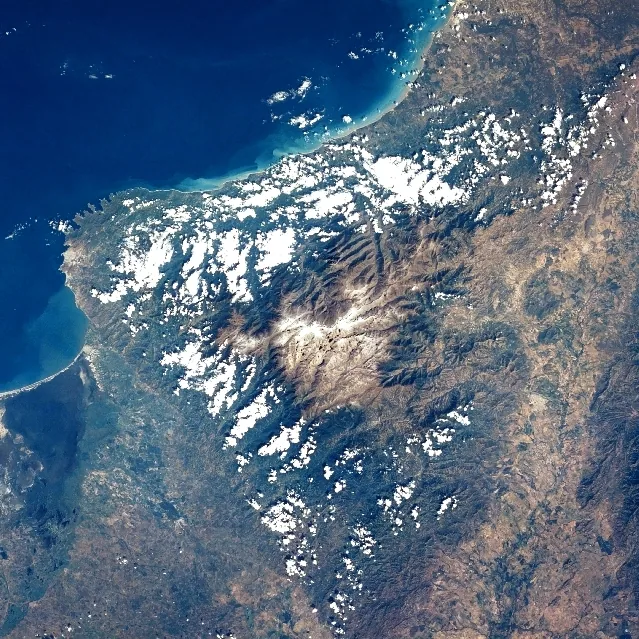
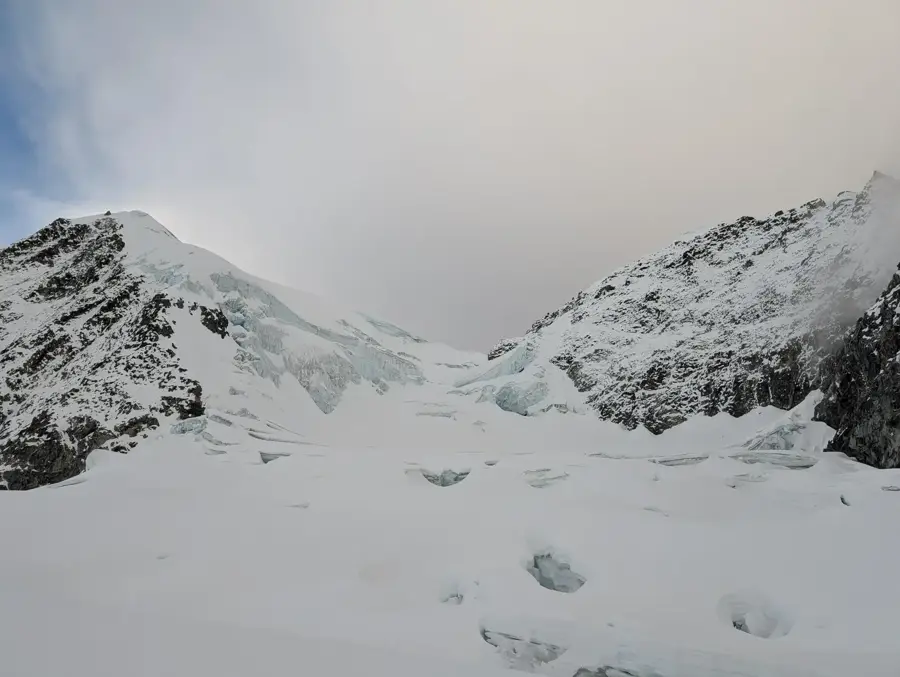
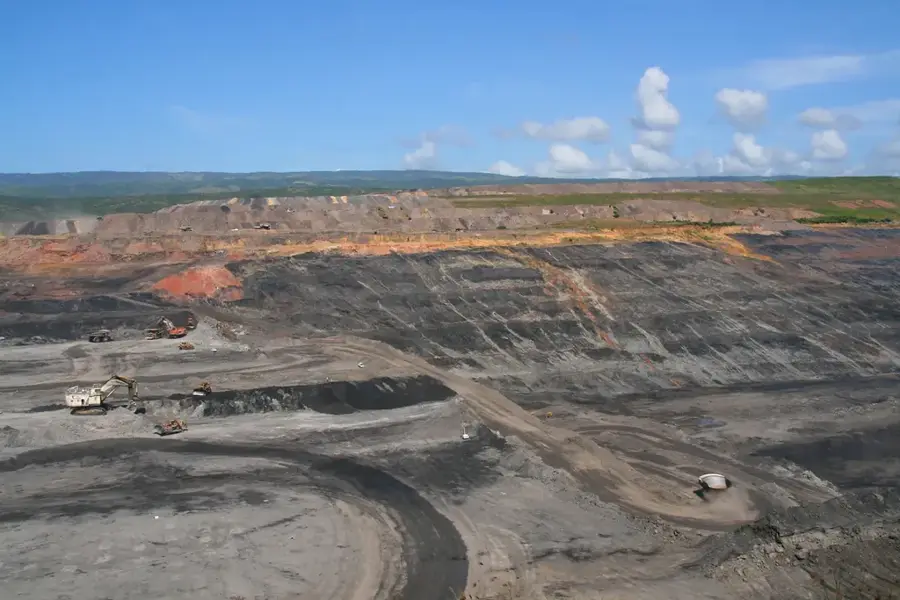
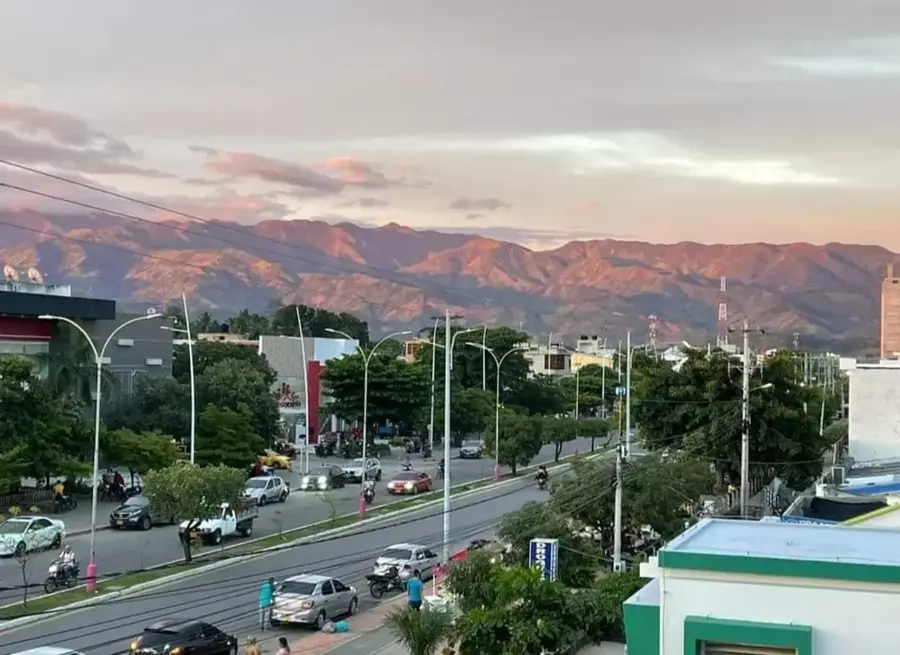
Valledupar, the capital of the Cesar Department in northeastern Colombia, stands as a premier cultural and economic hub situated in the valley formed by the Sierra Nevada de Santa Marta and the Serranía del Perijá. Renowned globally as the epicenter of Vallenato music, a genre recognized by UNESCO as Intangible Cultural Heritage, the city’s identity is deeply intertwined with the sounds of the accordion, the caja, and the guacharaca. Founded in 1550 by Spanish explorers, the city takes its name from the indigenous Cacique Upar, who ruled the valley prior to the colonial era. Geographically, the city is defined by the Guatapurí River, whose crystalline and cold waters descend from the high mountain peaks, providing a stark contrast to the tropical heat of the plains. Economically, Valledupar has historically relied on vast cattle ranching and large-scale agriculture, particularly cotton, rice, and oil palm production. More recently, the city has become a strategic logistics center for the mining operations in the nearby Cesar coal basin, leading to rapid urban expansion and modernization. The urban landscape is characterized by its lush vegetation, with mango trees and yellow flowering species lining the streets, earning it a reputation as one of Colombia's greenest cities. Every April, the city hosts the Vallenato Legend Festival, a massive event that crowns the 'Vallenato King' and celebrates the folklore of the region. Beyond the music, Valledupar serves as an important entry point for those wishing to learn about the indigenous cultures of the Sierra Nevada, such as the Arhuaco people, who manage significant parts of the surrounding highlands. The city’s infrastructure includes a modern airport, several university campuses, and a growing culinary scene that blends traditional Caribbean flavors with international influences. Valledupar remains a vital piece of the Colombian tapestry, representing a successful fusion of colonial history, indigenous heritage, and an animated, evolving contemporary culture.
Explore on the map
How well do you know Colombia?
Find cities, landscapes and regions in 10 varied challenges on the interactive map.
Your journey, your memory
A postcard from Valledupar
Turn your own photo into a personal postcard with a local stamp. Free and no sign-up required.
Create a postcard- Location: Colombia
- Highlights: Parroquia Maria Madre de la Unidad · Parque Lineal Hurtado · Museo del Acordeon
- Population: ~490.075 (2026)
Best time to visit & climate
The most pleasant time to visit is Jan, Feb, Dec.
| Jan | Feb | Mar | Apr | May | Jun | Jul | Aug | Sep | Oct | Nov | Dec | |
|---|---|---|---|---|---|---|---|---|---|---|---|---|
| Avg °C | 22 | 23 | 24 | 23 | 23 | 23 | 23 | 23 | 22 | 21 | 21 | 22 |
| Rain mm | 3 | 3 | 14 | 38 | 103 | 66 | 60 | 74 | 90 | 140 | 85 | 25 |
Geography
Facts
- Valledupar was founded on January 6, 1550, by Hernando de Santana.
- It sits at an average elevation of 168 meters (551 feet) above sea level.
- The city is the birthplace of Vallenato, a folk music genre using the accordion.
- The Guatapurí River provides the primary water supply for the metropolitan area.
- Valledupar is known as 'The World Capital of Vallenato' and a UNESCO City of Music.
- The municipality covers an extensive area of 4,493 square kilometers.
- Agriculture and cattle ranching are the traditional pillars of the local economy.
- The city serves as a gateway to the indigenous reserves of the Sierra Nevada.
Explore nearby
Notable places around
Route planner — Car & Motorhome
Where do you start? We build the route here, with stops and country notes along the way.
© OpenStreetMap contributors · OpenRouteService
Sights in the town Valledupar (12)
Museo del Acordeon🏛 museum
This museum in Valledupar is dedicated to the history of the accordion and the Vallenato music tradition.
Frequently asked questions
How many days should you spend in Valledupar?
When is the best time to visit?
What is a typical local dish?
How is the weather in Valledupar?
Is the city family-friendly?
Valledupar: where is it located?
Valledupar: what is there to see?
Valledupar: when is the best time to visit?
Valledupar: why is it worth visiting?
Nearby cities
More places