Plizio Visual Lab
Lake Fitri
Weather…
Water temperature…
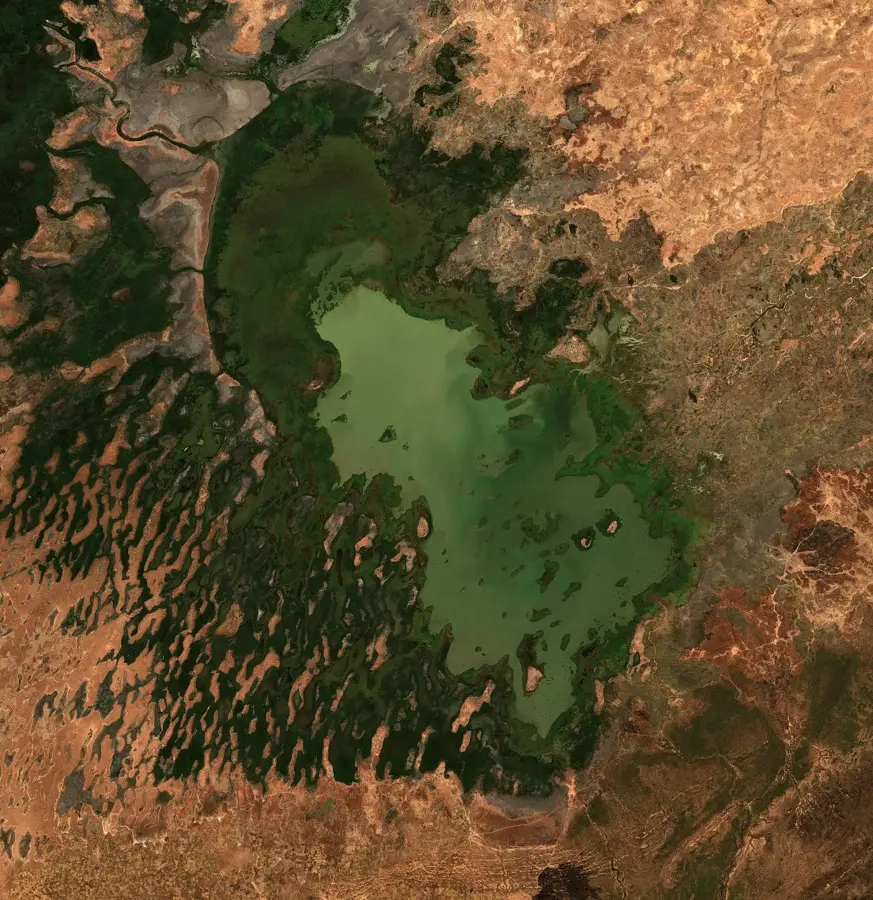
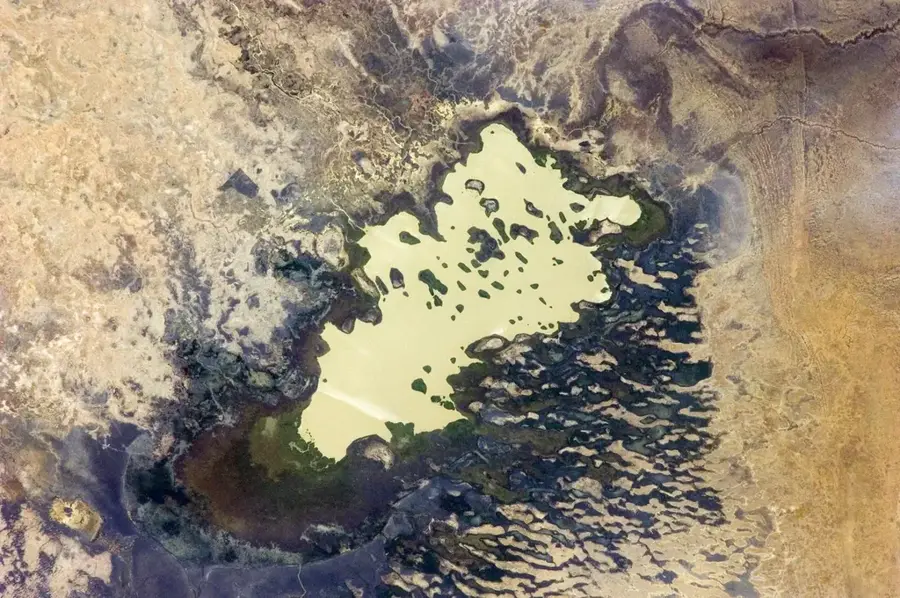
Lake Fitri is a significant endorheic lake situated in the center of Chad, approximately 300 kilometers east of N'Djamena. It is a shallow body of freshwater with a surface area that fluctuates significantly depending on seasonal rainfall, typically covering around 420 square kilometers during the wet season. The lake is a remnant of the much larger ancient Lake Mega-Chad and is designated as a Wetland of International Importance under the RAMSAR Convention since 1990. Its ecosystem is vital for the survival of numerous migratory bird species that use the lake as a stopover during their journeys across the African continent. The surrounding plains provide essential grazing lands for the livestock of local semi-nomadic populations, such as the Bilala people. Unlike Lake Chad, Lake Fitri has maintained a relatively stable water level over recent decades, even during periods of severe drought in the Sahel. The lake is also a primary source of fish for the regional markets, contributing significantly to the local economy and food security.
Explore on the map
How well do you know Chad?
Find cities, landscapes and regions in 10 varied challenges on the interactive map.
Your journey, your memory
A postcard from Lake Fitri
Turn your own photo into a personal postcard with a local stamp. Free and no sign-up required.
Create a postcardBest time to visit & climate
The most pleasant time to visit is Feb, Mar, Nov.
| Jan | Feb | Mar | Apr | May | Jun | Jul | Aug | Sep | Oct | Nov | Dec | |
|---|---|---|---|---|---|---|---|---|---|---|---|---|
| Avg °C | 16 | 20 | 24 | 29 | 32 | 34 | 33 | 32 | 32 | 28 | 22 | 17 |
| Rain mm | 0 | 0 | 0 | 0 | 54 | 1 | 7 | 21 | 3 | 0 | 0 | 0 |
📋 Practical info
Geography
Facts
- Located approximately 300 kilometers east of the capital N'Djamena.
- The average surface area during the wet season is 420 square kilometers.
- Officially listed as a RAMSAR site since the year 1990.
- The Bilala people traditionally utilize the lake for fishing.
- Considered one of the last stable remnants of the prehistoric Mega-Chad.
- Important wintering ground for Palearctic migratory birds.
Explore nearby
Notable places around
Route planner — Car & Motorhome
Where do you start? We build the route here, with stops and country notes along the way.
© OpenStreetMap contributors · OpenRouteService
Sights nearby
Frequently asked questions
Is Lake Fitri a national park?
When is the best time for bird watching?
Can you swim in Lake Fitri?
Do you need a boat to see the lake?
Is the area malaria-free?
Lake Fitri: where is it located?
Lake Fitri: when is the best time to visit?
Lake Fitri: why is it worth visiting?
Nearby cities

More places