Plizio Visual Lab
Cuiabá
ℹ️Practical info — Cuiabá
▾
🌤 Weather — 5 days
📍 Nearby
Sights nearby
💡 Tips
- Cuiabá is extremely hot year-round; plan your outdoor activities for the early morning or late afternoon.
- As the gateway to the northern Pantanal, it's the best place to arrange specialized tours.
- Drink plenty of 'tereré' (cold mate tea) to stay hydrated like the locals.
- Use strong insect repellent, especially if you visit parks near the river.
🍽 Food
Baked local river fish, often found at riverside restaurants.
A hearty stew made with pintado fish and cassava, try it in traditional downtown eateries.
Freshly grated guarana, a local energy booster available at juice stands.
🛍 Shopping · 🧘 Quiet spots
A historic building offering a wide range of regional indigenous crafts and ceramics.
A bustling market excellent for finding local spices, fruits, and hot pepper sauces.
A large park where you can enjoy shaded trails and spot small local monkeys like marmosets.
Visit in the early evening for a calm atmosphere before it turns into a nightlife hub.
Water temperature…
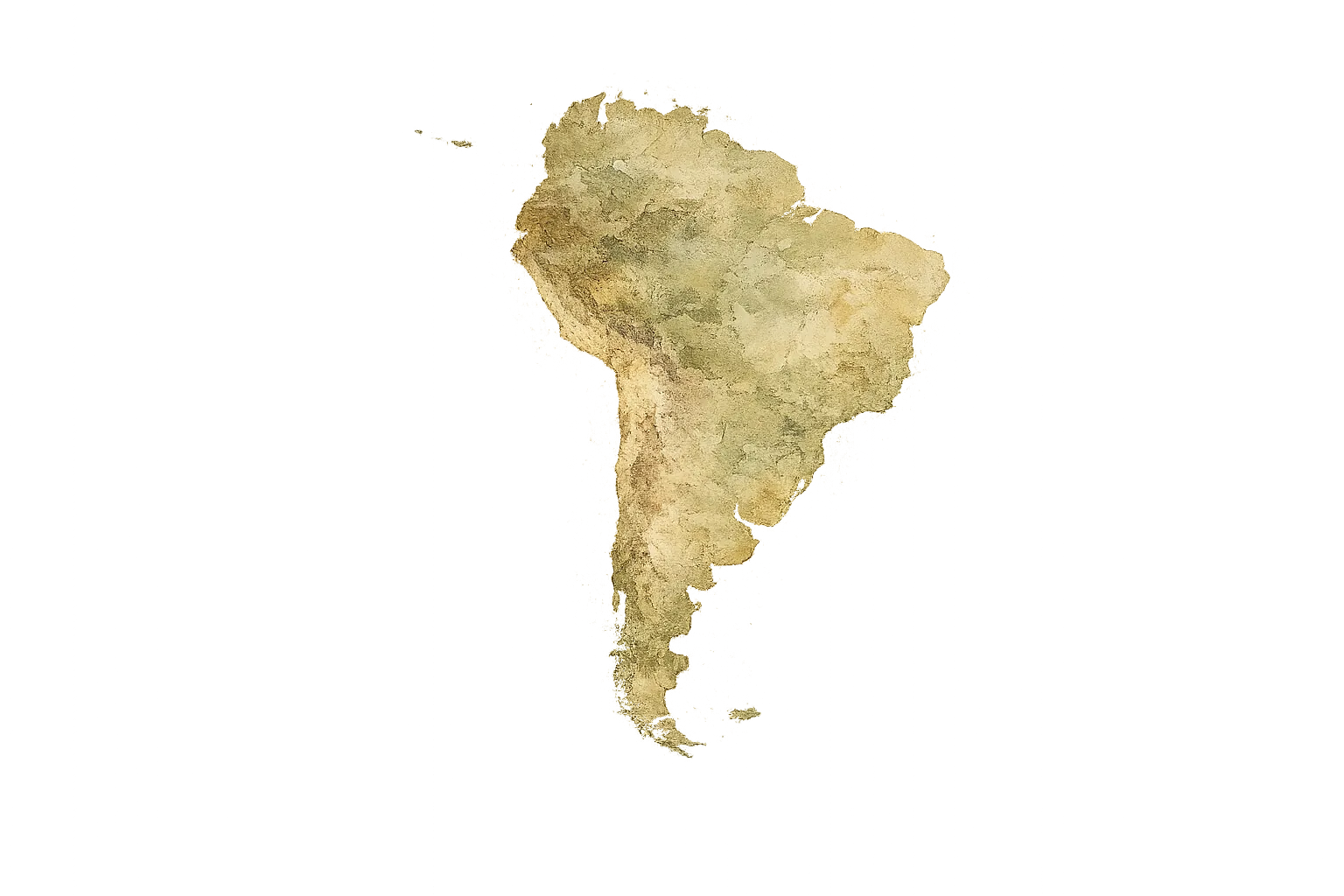
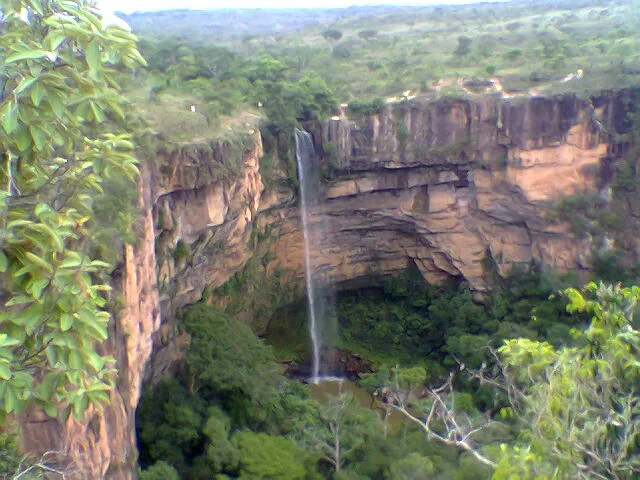
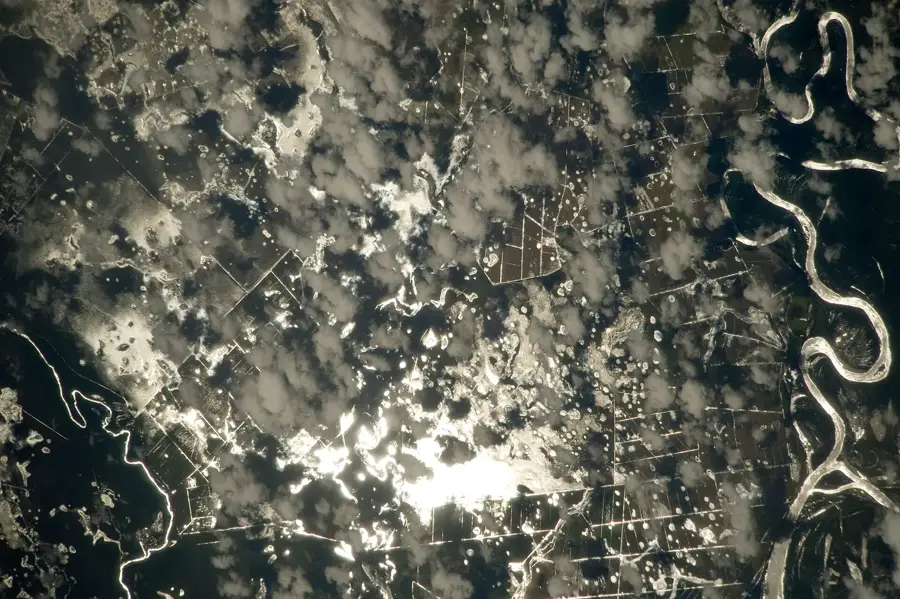
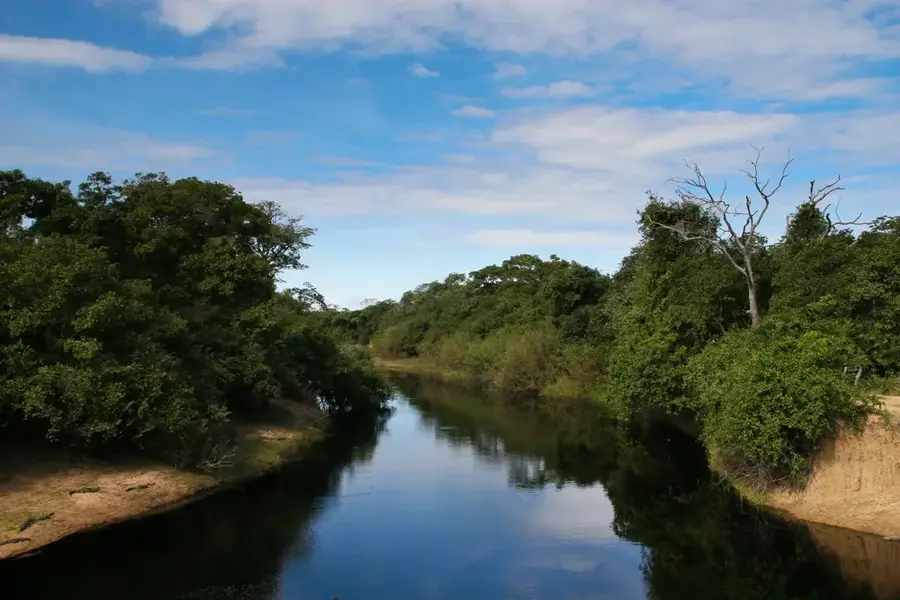
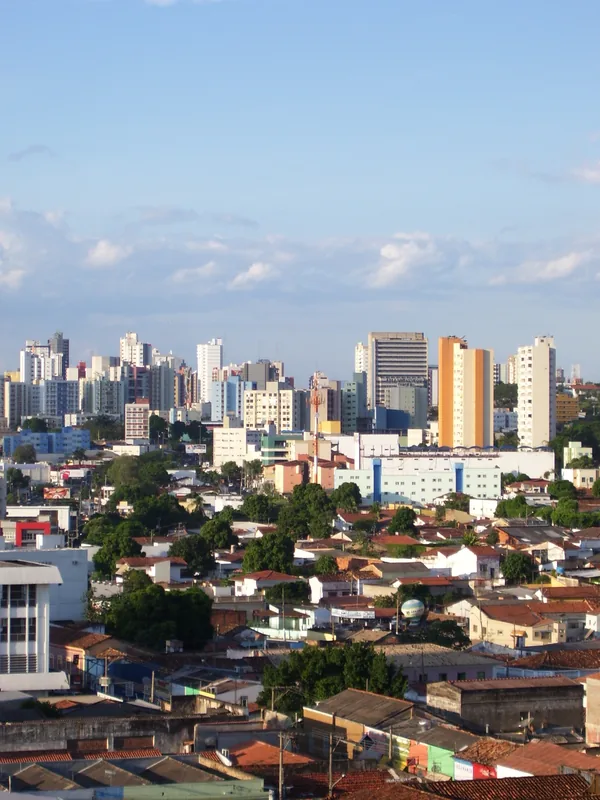
Cuiabá, the capital of Mato Grosso state, is a city defined by its strategic location and historical depth, famously known as the Geodesic Center of South America. Founded in 1719 by gold-seeking explorers, it was one of the first major settlements established in the Brazilian interior, a legacy still visible in the colonial churches and winding streets of its historic district. The city sits at the confluence of three massive biomes: the Amazon, the Cerrado, and the Pantanal, giving it an ecological significance matched by few other urban centers. Cuiabá is notorious for its intense heat, frequently ranking as the hottest city in Brazil, a characteristic that has shaped its architecture and the laid-back, nocturnal lifestyle of its inhabitants. Today, the city is the administrative and financial hub for the world-leading agribusiness sector of Mato Grosso, which dominates global soy and beef exports. The wealth generated by the surrounding plains has fueled a rapid skyline expansion and the development of high-end services. Cultural life in Cuiabá, or 'Cuiabanía,' is bustling and distinct, featuring traditional folk dances like Siriri and Cururu, and a cuisine that heavily features freshwater fish like pacu and pintado, often seasoned with local fruits. As the main gateway to the Northern Pantanal and the memorable cliffs of Chapada dos Guimarães, the city is a vital starting point for environmental tourism. The 2014 FIFA World Cup brought the modern Arena Pantanal to the city, symbolizing its integration into the global stage. Despite its rapid modernization, Cuiabá retains a strong sense of local pride and a welcoming atmosphere, bridging the gap between its frontier past and its future as a major continental metropolis.
Explore on the map
How well do you know Brazil?
Find cities, landscapes and regions in 10 varied challenges on the interactive map.
Your journey, your memory
A postcard from Cuiabá
Turn your own photo into a personal postcard with a local stamp. Free and no sign-up required.
Create a postcard- Location: Brazil
- Highlights: Grande Templo · Basílica de Nosso Senhor do Bom Jesus de Cuiabá · Centro Geodésico da América do Sul
- Nearby: Chapada dos Guimaraes (40 km)
- Population: ~618.124 (2026)
Best time to visit & climate
The most pleasant time to visit is May–Jul.
| Jan | Feb | Mar | Apr | May | Jun | Jul | Aug | Sep | Oct | Nov | Dec | |
|---|---|---|---|---|---|---|---|---|---|---|---|---|
| Avg °C | 27 | 26 | 26 | 26 | 24 | 24 | 25 | 27 | 30 | 30 | 28 | 27 |
| Rain mm | 218 | 224 | 187 | 102 | 48 | 9 | 11 | 15 | 34 | 115 | 169 | 183 |
Geography
Facts
- Cuiabá was founded in 1719 by the bandeirante Pascoal Moreira Cabral.
- The city's landmark Obelisk marks the exact center of the South American continent.
- Cuiabá is one of the few cities in the world located at the meeting of three major biomes.
- The heat in Cuiabá is often trapped by the surrounding hills, increasing humidity.
- The city was a major base for the Rondon Commission's telegraph line project.
- Cuiabá's airport is named after Marechal Rondon, a famous Brazilian explorer.
- The 'Cuiabano' accent is one of the most distinct and recognizable in Brazil.
- The city is a major producer of artisanal sweets made from tropical fruits.
Route planner — Car & Motorhome
Where do you start? We build the route here, with stops and country notes along the way.
© OpenStreetMap contributors · OpenRouteService
Sights in the town Cuiabá (15)
IECLB - Comunidade de Cuiabá⛪ religious
This local Evangelical Lutheran parish gathers the community for worship services in a modest, modern building.
Frequently asked questions
How many days should you plan for Cuiabá?
What is the most famous dish in Cuiabá?
What is the weather like in Cuiabá?
Is Cuiabá a good starting point for the Pantanal?
What can you see in the historic center?
Cuiabá: where is it located?
Cuiabá: what is there to see?
Cuiabá: when is the best time to visit?
Cuiabá: why is it worth visiting?