Plizio Visual Lab
Manuripi-Heath Reserve

Weather…
Water temperature…
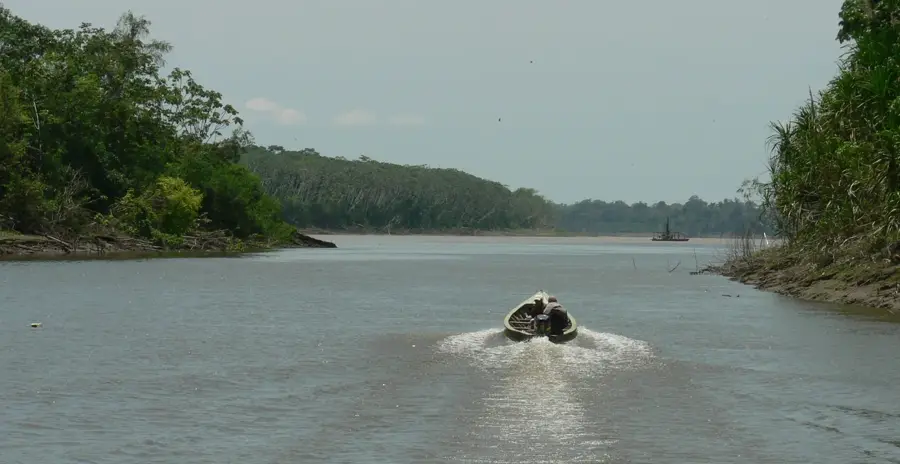
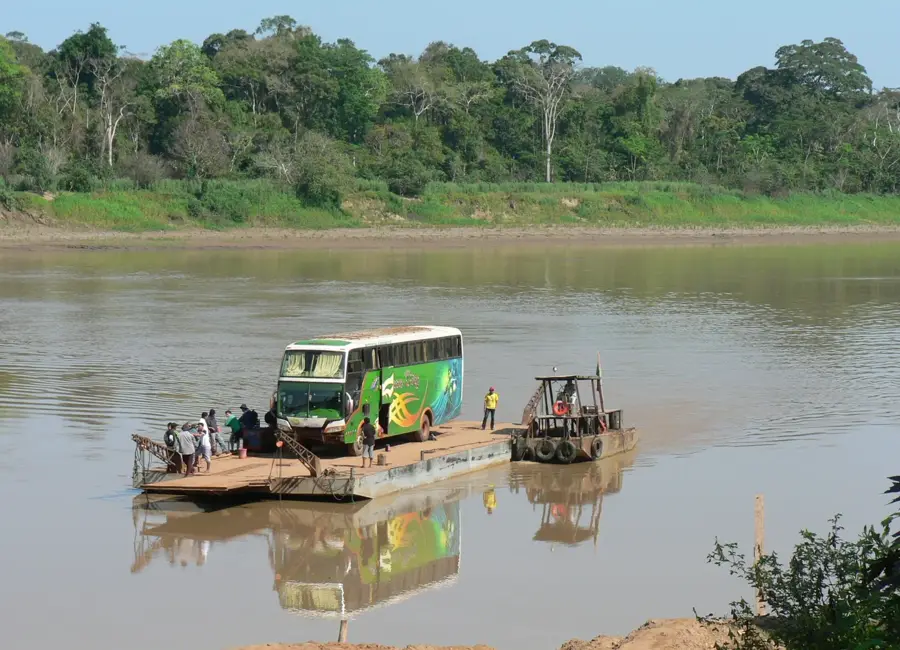
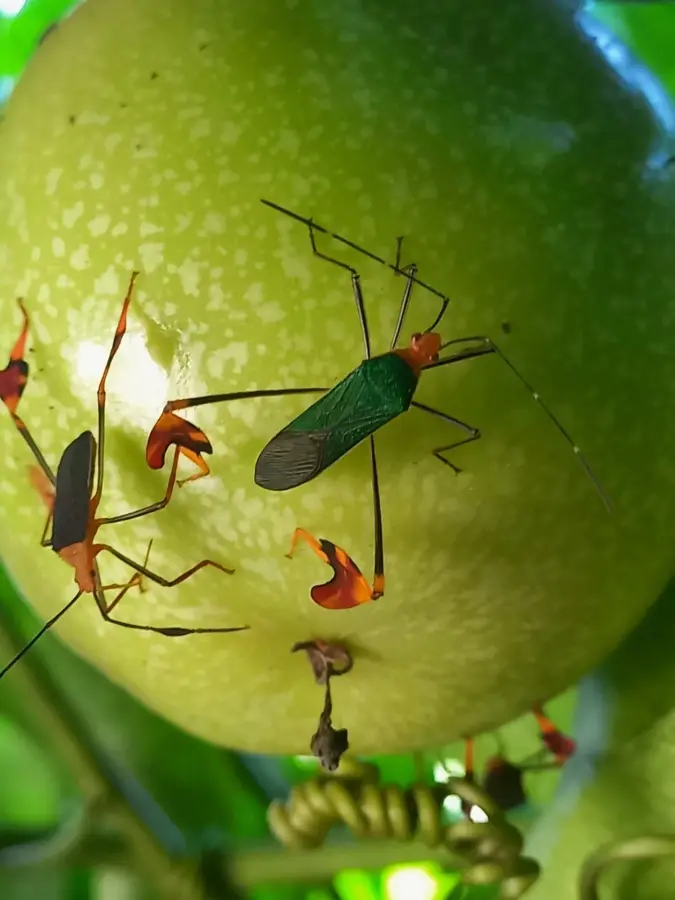
The Manuripi-Heath Amazonian Wildlife National Reserve is located in the Pando Department of northern Bolivia and is one of the country's most remote protected areas. Established in 1973, it covers an area of approximately 7,470 square kilometers of Amazonian rainforest. The territory is bordered by the Manuripi and Madre de Dios rivers, which provide vital ecosystems for aquatic species and riparian vegetation. The park is famous for its vast stands of Brazil nut trees (Bertholletia excelsa), which form the economic backbone of local communities. Biodiversity is immense; the reserve hosts giant otters, black caimans, jaguars, and a variety of primate species such as the Goeldi's marmoset. Due to its location in the 'humid Amazon,' the climate is hot and rainy year-round. Manuripi-Heath is a prime example of attempting to combine nature conservation with sustainable resource use through the harvesting of wild products. Nevertheless, gold mining and illegal logging threaten the integrity of this precious primary forest.
Explore on the map
How well do you know Bolivia?
Find cities, landscapes and regions in 10 varied challenges on the interactive map.
Your journey, your memory
A postcard from Manuripi-Heath Reserve
Turn your own photo into a personal postcard with a local stamp. Free and no sign-up required.
Create a postcardBest time to visit & climate
The most pleasant time to visit is May–Jul.
| Jan | Feb | Mar | Apr | May | Jun | Jul | Aug | Sep | Oct | Nov | Dec | |
|---|---|---|---|---|---|---|---|---|---|---|---|---|
| Avg °C | 25 | 25 | 25 | 25 | 24 | 24 | 25 | 27 | 29 | 28 | 27 | 26 |
| Rain mm | 251 | 271 | 226 | 141 | 70 | 28 | 20 | 30 | 66 | 135 | 177 | 241 |
📋 Practical info
Geography
Facts
- The reserve was established on December 20, 1973.
- Pando is the only Bolivian department located entirely within the Amazon basin.
- Over 90% of households in the reserve depend on the Brazil nut harvest.
- More than 500 species of birds have been documented in the park.
- The average annual temperature is approximately 26 degrees Celsius.
- The rivers are home to the giant freshwater fish Arapaima (Paiche).
Explore nearby
Notable places around
Route planner — Car & Motorhome
Where do you start? We build the route here, with stops and country notes along the way.
© OpenStreetMap contributors · OpenRouteService
Sights nearby
Frequently asked questions
Where is the Manuripi-Heath Reserve located?
What is the main purpose of the reserve?
Are there lakes there?
How is access to the reserve?
Can you see wildlife there?
Manuripi-Heath Reserve: where is it located?
Manuripi-Heath Reserve: when is the best time to visit?
Manuripi-Heath Reserve: why is it worth visiting?