Plizio Visual Lab
Hakaluki Haor

Weather…
Water temperature…
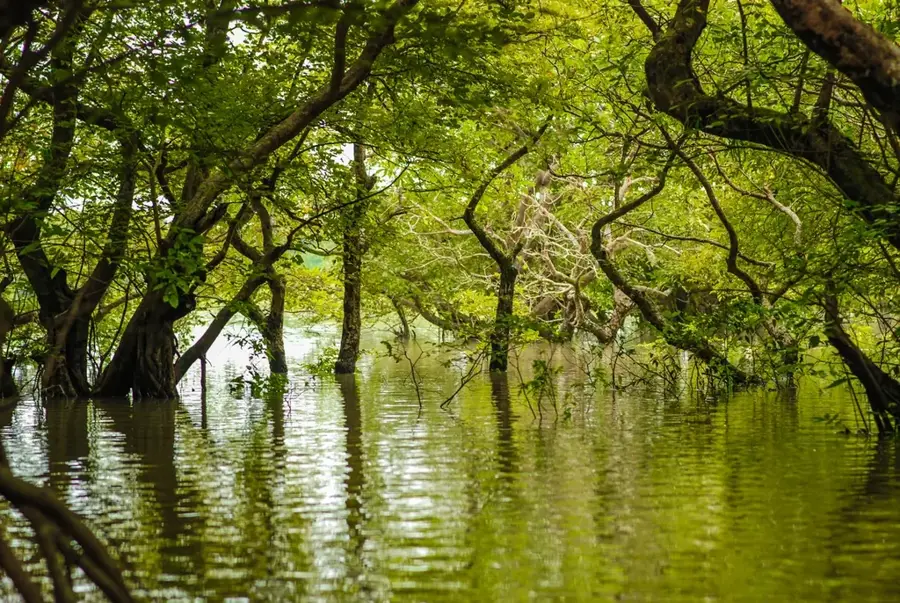
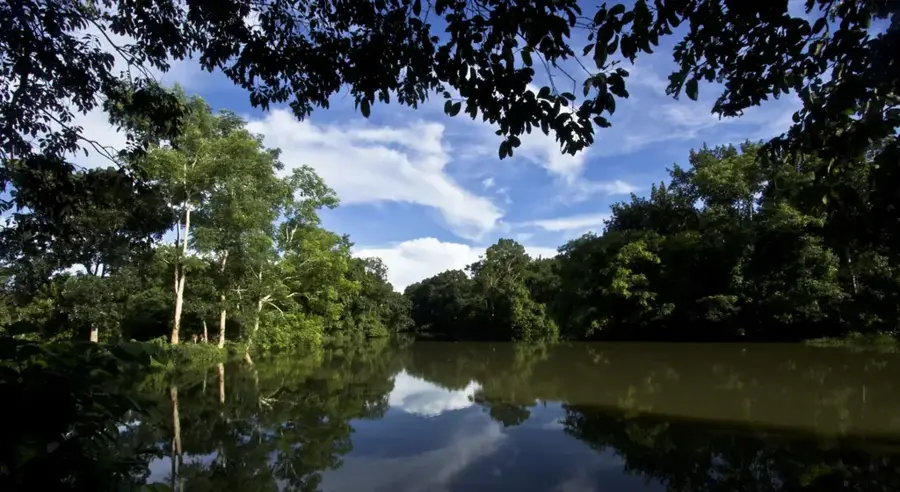
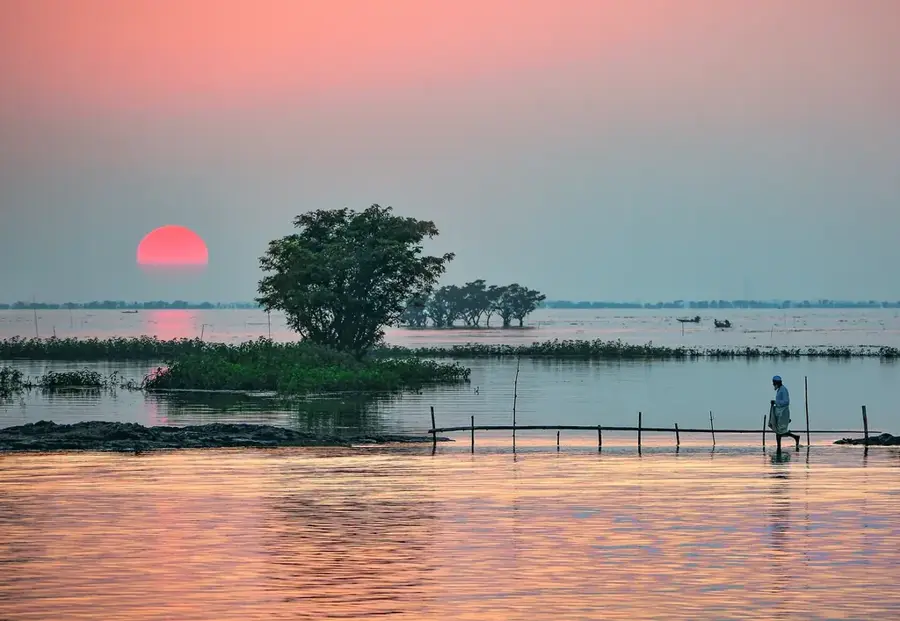
Hakaluki Haor is one of the largest marshland ecosystems in South Asia, spanning the Sylhet and Moulvibazar districts in northeastern Bangladesh. Covering a total area of roughly 180 square kilometers, it comprises a complex network of over 230 small and large water bodies known locally as beels. During the monsoon, the entire region transforms into a massive body of water, while in the winter, the water recedes to reveal vast stretches of grassland. This seasonal cycle makes the haor one of the nation's most productive inland fishing grounds. Furthermore, Hakaluki Haor is a premier destination for migratory birds and has been designated as an Ecologically Critical Area (ECA). The wetland plays a fundamental role in flood control and groundwater recharge for the Sylhet region, while providing habitat for several globally threatened species.
Explore on the map
How well do you know Bangladesh?
Find cities, landscapes and regions in 10 varied challenges on the interactive map.
Your journey, your memory
A postcard from Hakaluki Haor
Turn your own photo into a personal postcard with a local stamp. Free and no sign-up required.
Create a postcard- Location: Bangladesh
- Highlights: Mujib Nagar Jame Mosjid, Mosque · Moddho Basirpur Jame Masjid, Mosque · Tulapur Eidgah
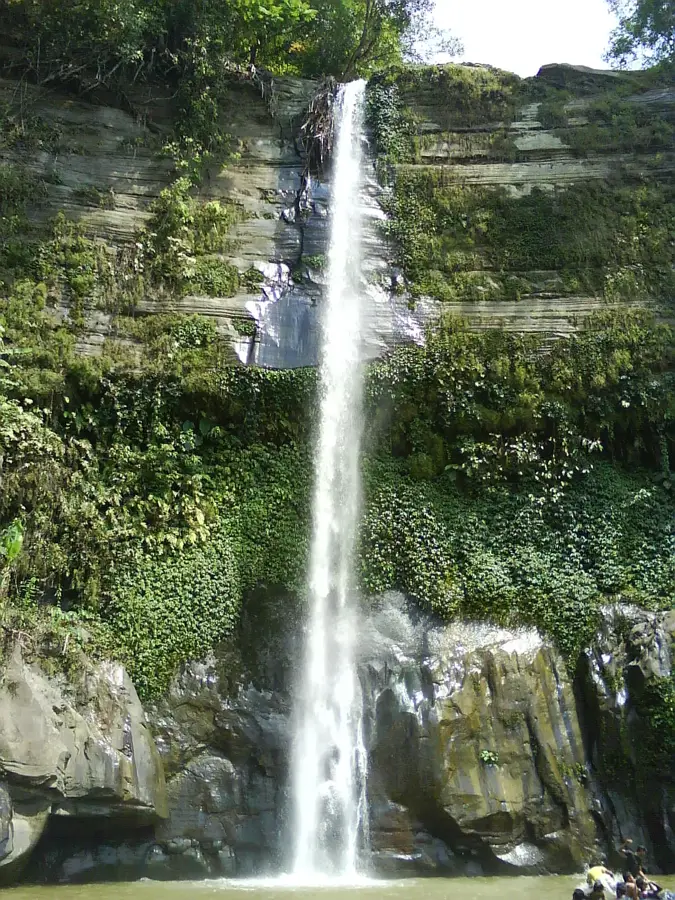
- Nearby: Madhabkunda (18 km)
Best time to visit & climate
The most pleasant time to visit is Feb, Nov, Dec.
| Jan | Feb | Mar | Apr | May | Jun | Jul | Aug | Sep | Oct | Nov | Dec | |
|---|---|---|---|---|---|---|---|---|---|---|---|---|
| Avg °C | 17 | 21 | 25 | 28 | 28 | 28 | 29 | 28 | 28 | 26 | 22 | 18 |
| Rain mm | 11 | 29 | 81 | 304 | 475 | 574 | 523 | 432 | 343 | 203 | 28 | 22 |
📋 Practical info
Geography
Facts
- Hakaluki Haor consists of a total of 238 interconnected beels or ponds.
- The total area of the wetland ecosystem is approximately 18,115 hectares.
- Roughly 526 different species of plants have been identified in the area.
- About 190,000 people depend directly on the haor for their livelihood.
- The wetland hosts over 100 species of waterbirds during the winter months.
- It was designated as an Ecologically Critical Area (ECA) in 1999.
Explore nearby
Notable places around

Route planner — Car & Motorhome
Where do you start? We build the route here, with stops and country notes along the way.
© OpenStreetMap contributors · OpenRouteService
Sights in the town Hakaluki Haor (3)
Sights nearby
Frequently asked questions
How large is Hakaluki Haor?
Can you see migratory birds here?
Are there fixed hiking trails?
What is the main income source for locals?
What is the weather like in winter?
Hakaluki Haor: where is it located?
Hakaluki Haor: what is there to see?
Hakaluki Haor: when is the best time to visit?
Hakaluki Haor: why is it worth visiting?

Nearby cities




History & landmarks
Nature
More places