Plizio Visual Lab
Dilmun Burial Mounds
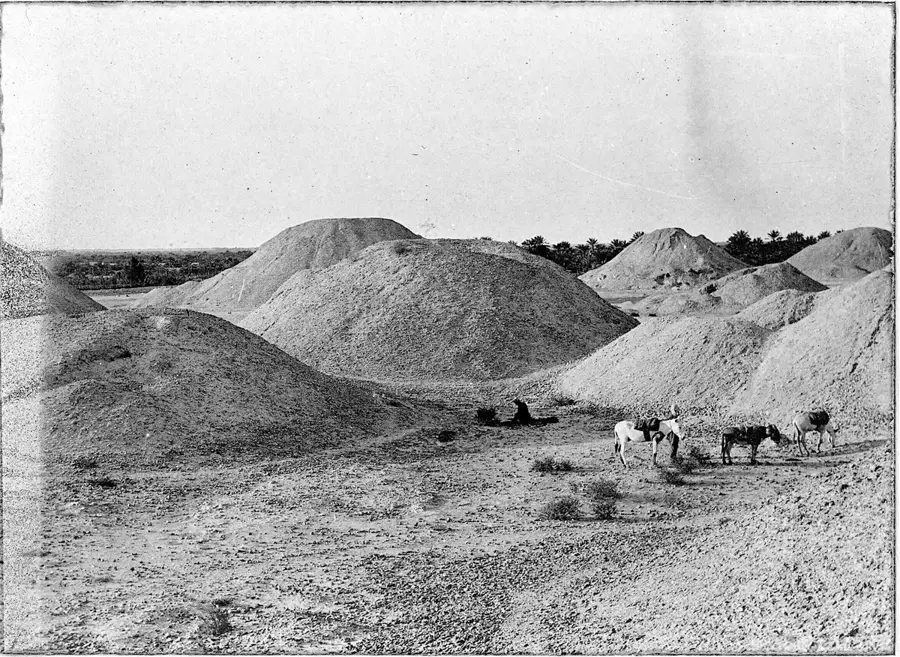
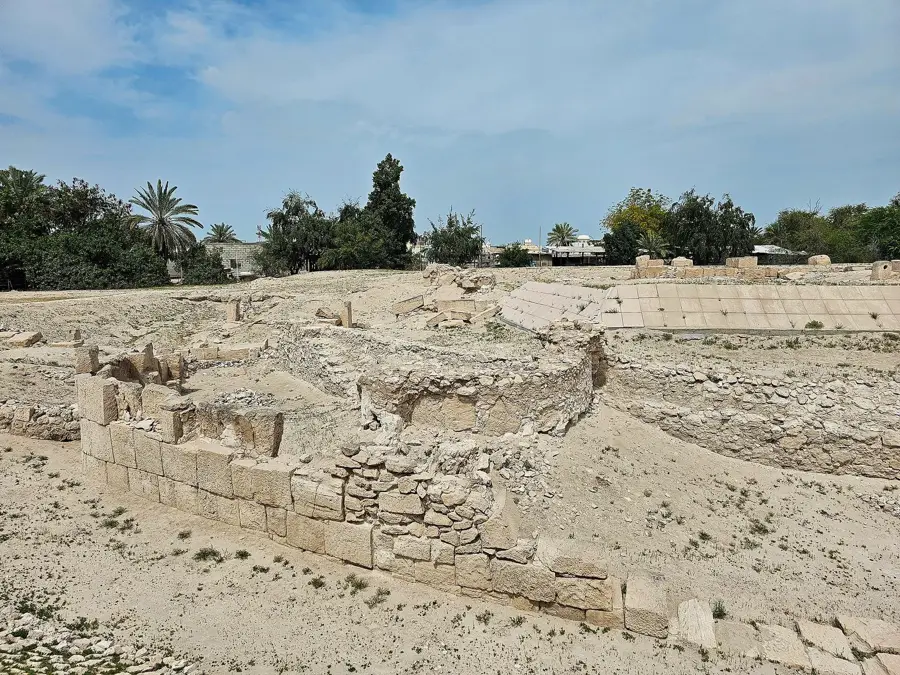
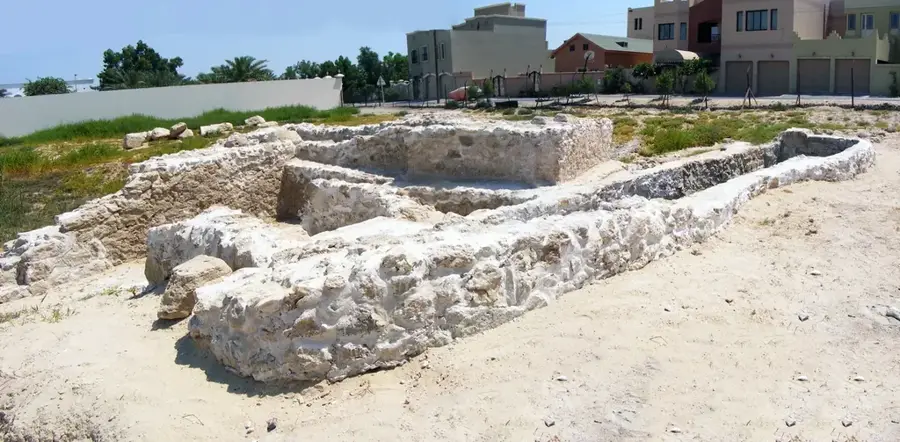
The Dilmun Burial Mounds are one of the largest and oldest prehistoric necropolises in the world. This archaeological site, declared a UNESCO World Heritage Site in 2019, consists of tens of thousands of burial mounds scattered across the landscape of Bahrain. The mounds date back to the Dilmun culture, from between 2200 and 1750 BC. Their size and complexity vary significantly, reflecting the social hierarchy of the time. Some of the largest mounds, known as 'royal tombs', are located near the village of A'ali. Each mound was constructed from local stone and contains a central burial chamber where the deceased were interred with grave goods such as pottery, tools, and jewelry. This site provides a unique insight into the burial rites and social structures of one of the most important Bronze Age civilizations in the Persian Gulf.
Explore on the map
How well do you know Bahrain?
Find cities, landscapes and regions in 10 varied challenges on the interactive map.
Your journey, your memory
A postcard from Dilmun Burial Mounds
Turn your own photo into a personal postcard with a local stamp. Free and no sign-up required.
Create a postcard- Location: Bahrain
- Highlights: Royal Mound 15 · Madinat Hamad 1 Burial Mound Field · A'ali Burial Mounds
- Nearby: Salmabad (4 km)
Best time to visit & climate
The most pleasant time to visit is Feb, Mar, Dec.
| Jan | Feb | Mar | Apr | May | Jun | Jul | Aug | Sep | Oct | Nov | Dec | |
|---|---|---|---|---|---|---|---|---|---|---|---|---|
| Avg °C | 18 | 18 | 21 | 25 | 30 | 33 | 35 | 35 | 34 | 30 | 25 | 20 |
| Rain mm | 7 | 5 | 3 | 4 | 0 | 0 | 0 | 1 | 0 | 1 | 10 | 8 |
📋 Practical info
Geography
Facts
- UNESCO World Heritage site since 2019.
- Dates from the Dilmun culture (2200-1750 BC).
- One of the largest prehistoric cemeteries in the world.
- Tens of thousands of burial mounds, some known as 'royal tombs'.
- The mounds contain central burial chambers.
- Grave goods include pottery, weapons, and jewelry.
- Reflect the social structure of Dilmun society.
- The largest tombs are found in A'ali.
Explore nearby
Notable places around

Route planner — Car & Motorhome
Where do you start? We build the route here, with stops and country notes along the way.
© OpenStreetMap contributors · OpenRouteService
Sights in the town Dilmun Burial Mounds (6)
Sights nearby
Frequently asked questions
What are the Dilmun Burial Mounds?
Are they part of the World Heritage?
Where can you find the most mounds?
Can you see the mounds from inside?
How old are the mounds?
Dilmun Burial Mounds: where is it located?
Dilmun Burial Mounds: what is there to see?
Dilmun Burial Mounds: when is the best time to visit?
Dilmun Burial Mounds: why is it worth visiting?
Nearby cities


History & landmarks

More places