Plizio Visual Lab
Kalkalpen National Park
Weather…
Water temperature…
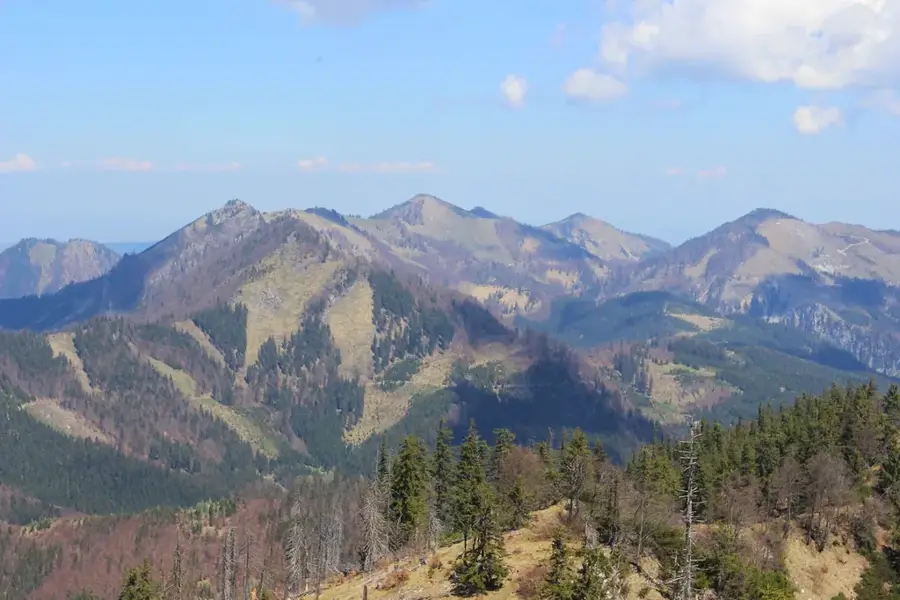
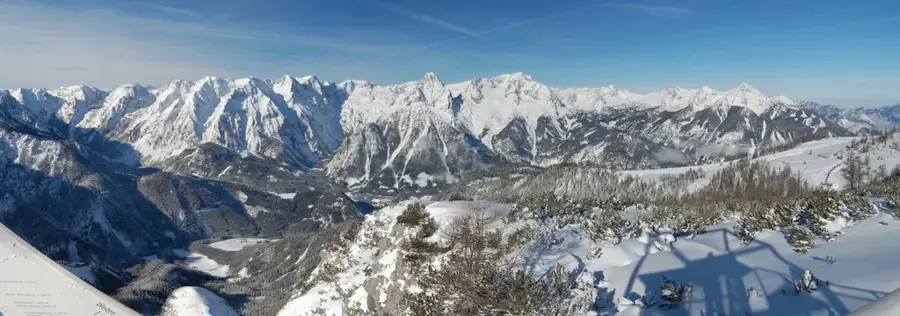
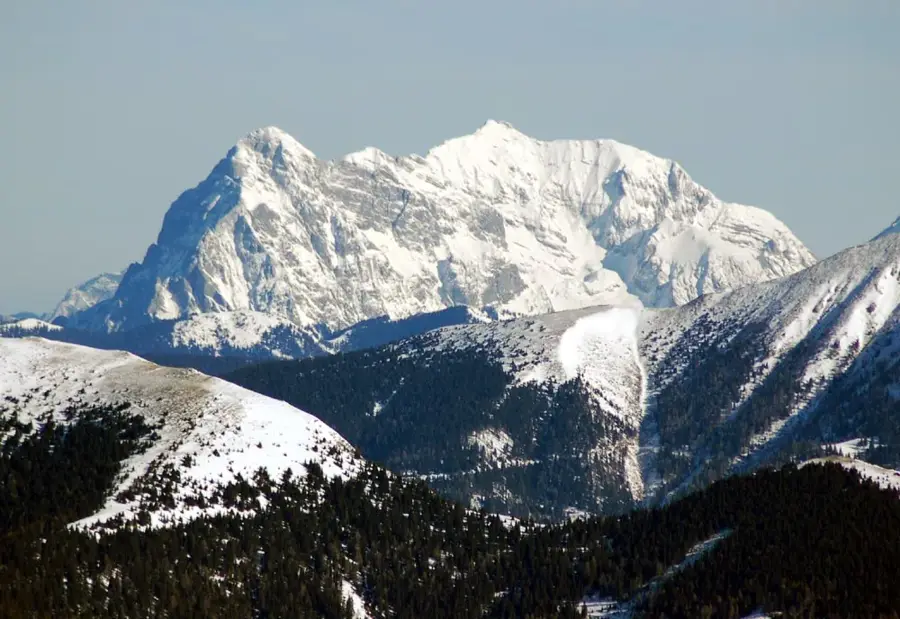
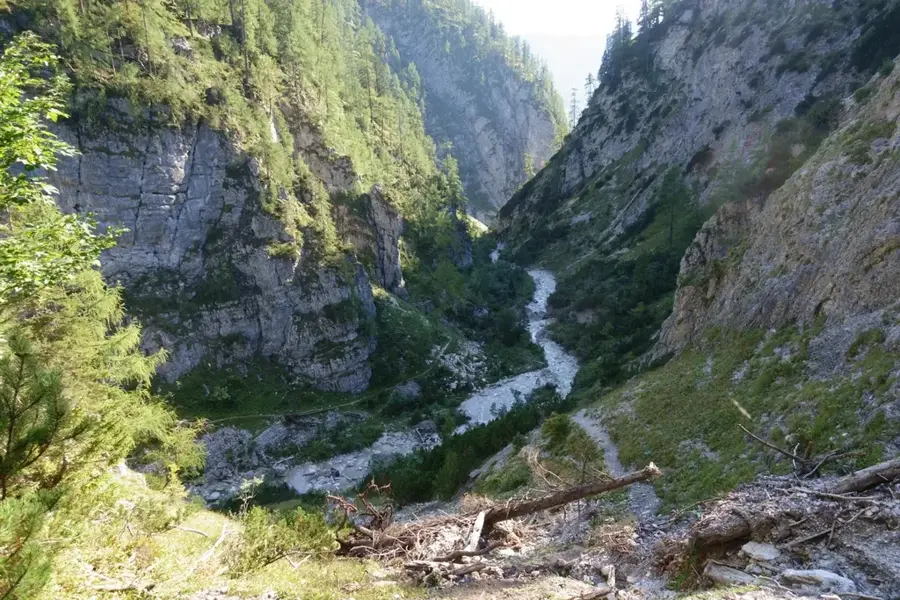
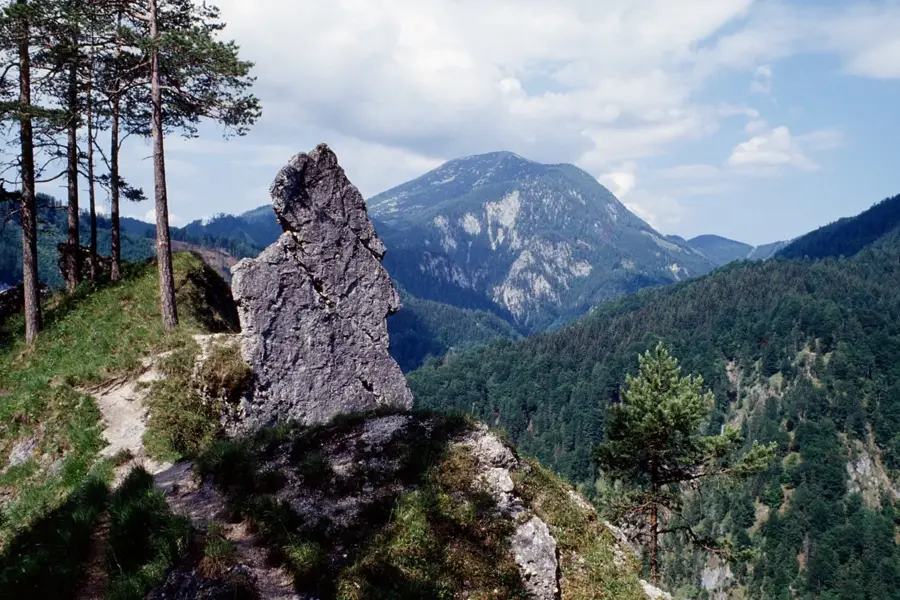
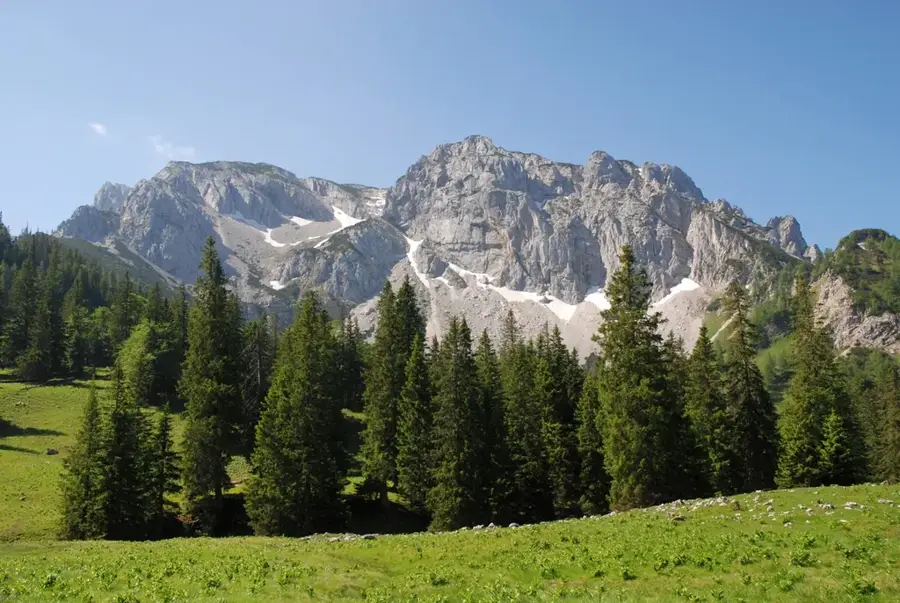
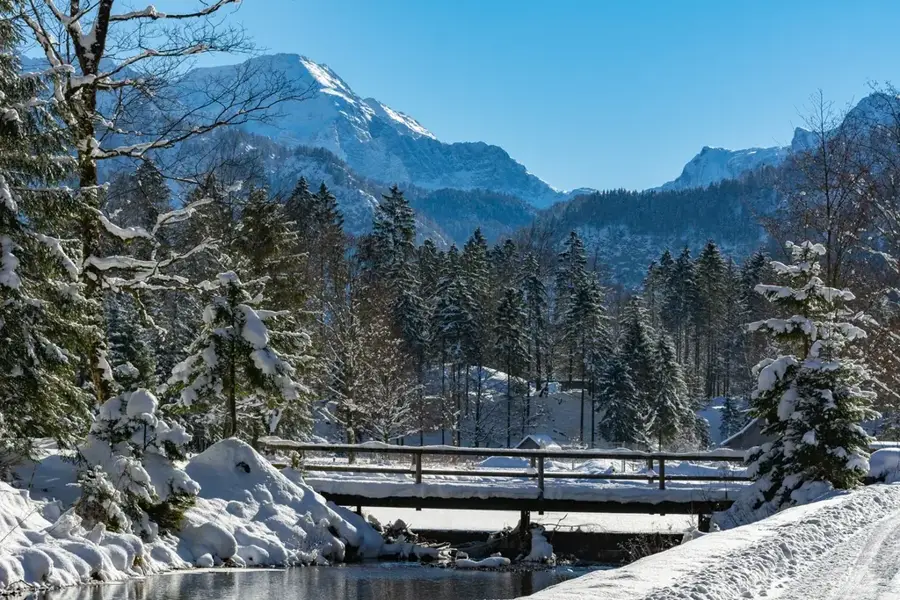
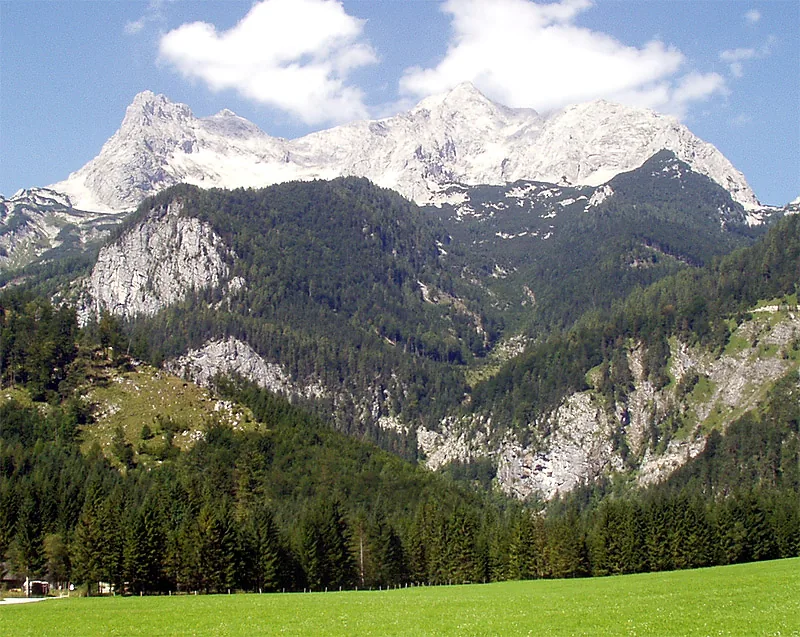
The Kalkalpen National Park in Upper Austria protects the largest contiguous forest area in the country, serving as a vital sanctuary for biodiversity in the Northern Limestone Alps. Spanning the Sengsengebirge and Reichraminger Hintergebirge mountain ranges, the park is characterized by its dramatic karst landscape, deep ravines, and crystal-clear mountain streams. Its ancient beech forests are of global significance, having been designated as a UNESCO World Natural Heritage site because they represent the original, untouched woodland that once covered much of the continent. The park is perhaps best known for its successful efforts to provide a habitat for the elusive lynx, which has returned to these dense woods after long being extinct in the region. Beyond its forests, the park hosts over 30 different forest types and provides a home to numerous rare orchids and butterflies. Tourism is carefully managed to ensure that the core wilderness areas remain undisturbed, with educational programs focusing on the concept of 'letting nature be nature.' Visitors can experience the silence of the high moors or climb to peaks like the Hohe Nock, where the geological history of the Triassic and Jurassic periods is written in the limestone layers beneath their feet.
Explore on the map
How well do you know Austria?
Find cities, landscapes and regions in 10 varied challenges on the interactive map.
Your journey, your memory
A postcard from Kalkalpen National Park
Turn your own photo into a personal postcard with a local stamp. Free and no sign-up required.
Create a postcard- Location: Upper Austria, Austria
- Highlights: Rohrauer Größtenberg · Gamsplan · Hoher Nock
- Nearby: Hinterstoder (16 km)
Best time to visit & climate
The most pleasant time to visit is Jun–Aug.
| Jan | Feb | Mar | Apr | May | Jun | Jul | Aug | Sep | Oct | Nov | Dec | |
|---|---|---|---|---|---|---|---|---|---|---|---|---|
| Avg °C | -2 | -1 | 3 | 8 | 13 | 17 | 19 | 18 | 14 | 9 | 4 | -1 |
| Rain mm | 76 | 60 | 71 | 58 | 117 | 135 | 138 | 138 | 106 | 76 | 59 | 65 |
📋 Practical info
Geography
Facts
- Established in 1997
- Total area of approximately 209 sq km
- Highest peak is Hohe Nock at 1,963 m
- Contains over 800 natural springs
- UNESCO World Heritage beech forests since 2017
- Home to around 1,600 species of butterflies
Explore nearby
Notable places around
Route planner — Car & Motorhome
Where do you start? We build the route here, with stops and country notes along the way.
© OpenStreetMap contributors · OpenRouteService
Sights in the town Kalkalpen National Park (3)
Sights nearby
Frequently asked questions
What does the Kalkalpen National Park protect?
Are there wild animals there?
Where is the visitor center located?
Is cycling allowed in the national park?
What are the opening hours?
Kalkalpen National Park: where is it located?
Kalkalpen National Park: what is there to see?
Kalkalpen National Park: when is the best time to visit?
Kalkalpen National Park: why is it worth visiting?

Nearby cities
Nature
More places