Plizio Visual Lab
San Rafael
ℹ️Practical info — San Rafael
▾
🌤 Weather — 5 days
📍 Nearby
Sights nearby
💡 Tips
- Rent a car to explore the Atuel Canyon at your own pace.
- The sun is very strong here; sunglasses and a hat are essential.
- Combine a morning rafting session with an afternoon wine tasting tour.
- Buy regional products directly from the local fruit farms (fincas).
- Water levels in Valle Grande fluctuate depending on the season, so check ahead.
🍽 Food
Try this tender meat baked inside a dough crust, often served at traditional bodegas.
Pick up some cured ham from the local charcuteries (fiambrerías) for an excellent picnic.
Look for grilled goat meat at the rustic restaurants on the outskirts of the city.
🛍 Shopping · 🧘 Quiet spots
Buy fresh almonds, walnuts, and dried peaches directly from farmer stalls along the main roads.
Take home homemade fig or quince jams sold right at the local farms.
Spend a quiet afternoon at this turquoise reservoir, filled with scenic and sheltered bays.
Enjoy a relaxing stroll along this green pathway in the city center, well-suited for early evening.
Water temperature…
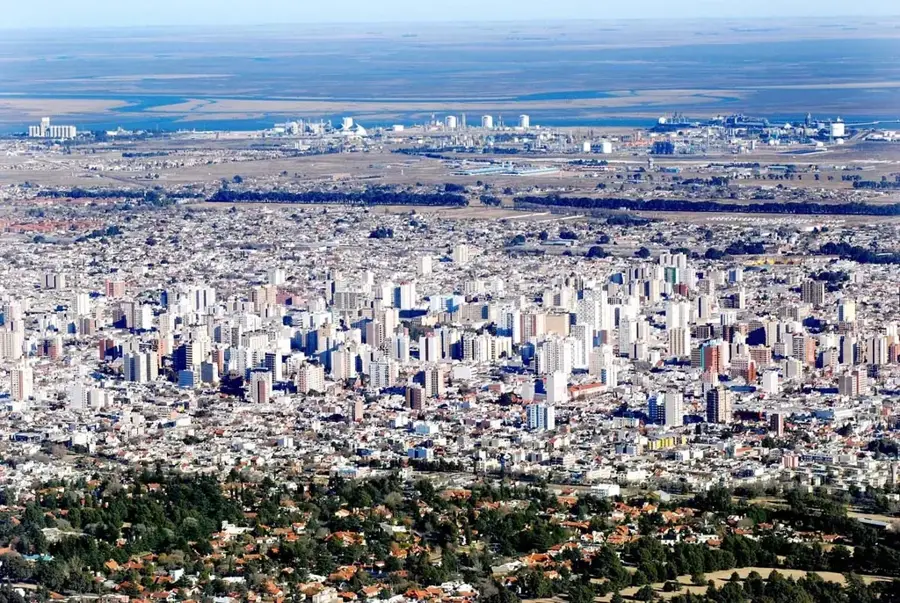
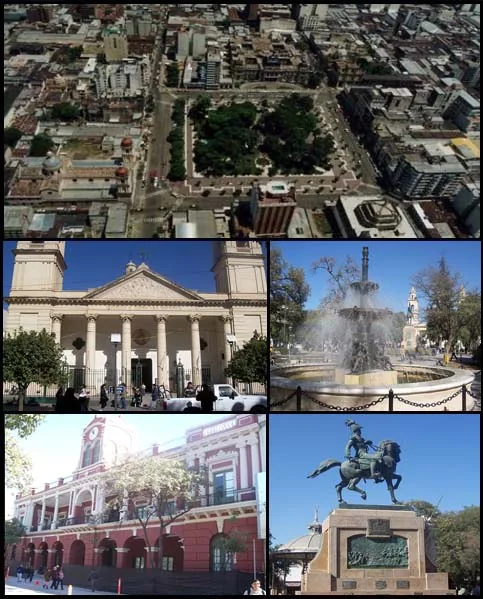
San Rafael is located in the heart of Mendoza province, serving as the region's second most important urban center after the provincial capital. Founded on April 2, 1805, as a military outpost on the banks of the Diamante River, the city originally focused on frontier security. Today, San Rafael is a vital hub for agriculture, particularly fruit farming and wine production, supported by an extensive network of irrigation canals. The city is the gateway to the spectacular Atuel Canyon, a massive geological formation carved by erosion over millions of years. Several reservoirs, such as Valle Grande and El Nihuil, regulate the local rivers and provide handy conditions for adventure tourism and hydroelectric power generation. The city's wide avenues and manicured parks showcase the careful urban planning typical of Mendoza's oasis cities. San Rafael is also renowned for its olive oil production and world-class wineries that attract visitors globally.
Explore on the map
How well do you know Argentina?
Find cities, landscapes and regions in 10 varied challenges on the interactive map.
Your journey, your memory
A postcard from San Rafael
Turn your own photo into a personal postcard with a local stamp. Free and no sign-up required.
Create a postcard- Location: Argentina
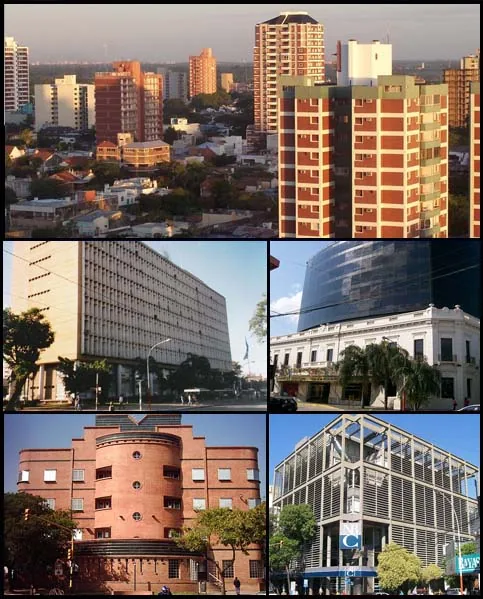
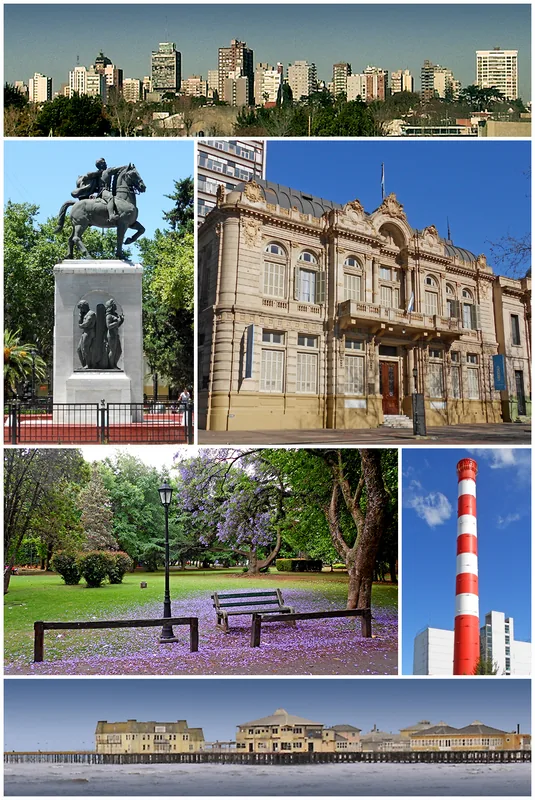
- Highlights: Teatro Griego · La Vieja Usina · Centro Cultural Argentino
- Population: ~118.009 (2026)
Best time to visit & climate
The most pleasant time to visit is Jan, Feb, Dec.
| Jan | Feb | Mar | Apr | May | Jun | Jul | Aug | Sep | Oct | Nov | Dec | |
|---|---|---|---|---|---|---|---|---|---|---|---|---|
| Avg °C | 22 | 21 | 18 | 13 | 9 | 6 | 5 | 7 | 10 | 14 | 18 | 21 |
| Rain mm | 57 | 59 | 45 | 30 | 33 | 11 | 21 | 18 | 21 | 34 | 33 | 40 |
Geography
Facts
- Founded on April 2, 1805, by Rafael de Sobremonte.
- The Atuel Canyon stretches over a length of approximately 50 kilometers.
- Home to the Valentin Bianchi winery, one of Argentina's most famous.
- The region enjoys more than 300 sunny days per year.
- Key center for uranium mining and processing at the Sierra Pintada complex.
- The city is situated at an average altitude of 750 meters above sea level.
Route planner — Car & Motorhome
Where do you start? We build the route here, with stops and country notes along the way.
© OpenStreetMap contributors · OpenRouteService
Sights in the town San Rafael (5)
Frequently asked questions
How many days do you need for San Rafael?
When is the best time to go?
How do you get there?
What local food should you try?
Is San Rafael family-friendly?
San Rafael: where is it located?
San Rafael: what is there to see?
San Rafael: when is the best time to visit?
San Rafael: why is it worth visiting?
Nearby cities