Plizio Visual Lab
Algiers
ℹ️Practical info — Algiers
▾
🌤 Weather — 5 days
📍 Nearby
Sights nearby
💡 Tips
- Wear very comfortable walking shoes when exploring the Casbah, as it consists of steep, uneven stairs and narrow alleys.
- Use the modern metro and tram networks; they are cheap, clean, and the best way to bypass heavy city traffic.
- French and Arabic are widely spoken, but learning a few words of Darja (Algerian Arabic) will greatly charm the locals.
- Keep your camera discreet in non-touristy areas, and avoid taking photos of military or government buildings.
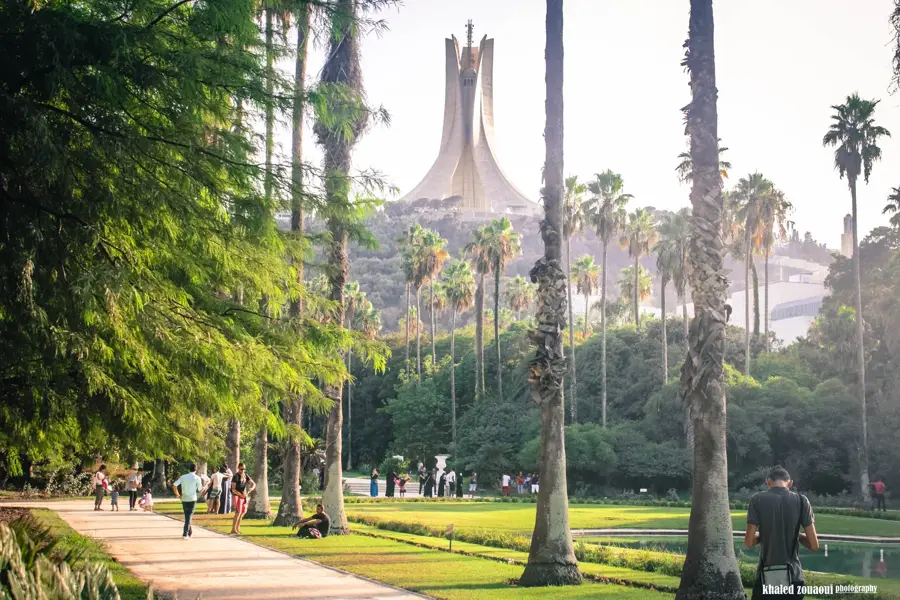
- The Botanical Garden El Hamma is a great escape from the noisy city center, best visited in the early afternoon.
🍽 Food
Traditionally eaten on Fridays, find rich couscous with lamb, chicken, or fish in authentic restaurants in the Casbah or downtown.
A popular street food crepe made of semolina and filled with a spicy mix of tomatoes, onions, and chili, found at local fast-food stalls.
Enjoy traditional Algerian mint tea with these honey-dipped, date-filled pastries in the historic cafes around the port.
🛍 Shopping · 🧘 Quiet spots
A bustling main avenue well-suited for buying clothes, books, and experiencing the grand French colonial architecture while shopping.
Look for traditional brassware, intricate leather goods, and ceramics hidden in the narrow workshop alleys of the old city.
A massive, beautifully landscaped park with giant exotic trees and quiet shaded pathways.
A great waterfront place for a relaxing late afternoon walk, offering peaceful views over the Mediterranean Sea.
Water temperature…
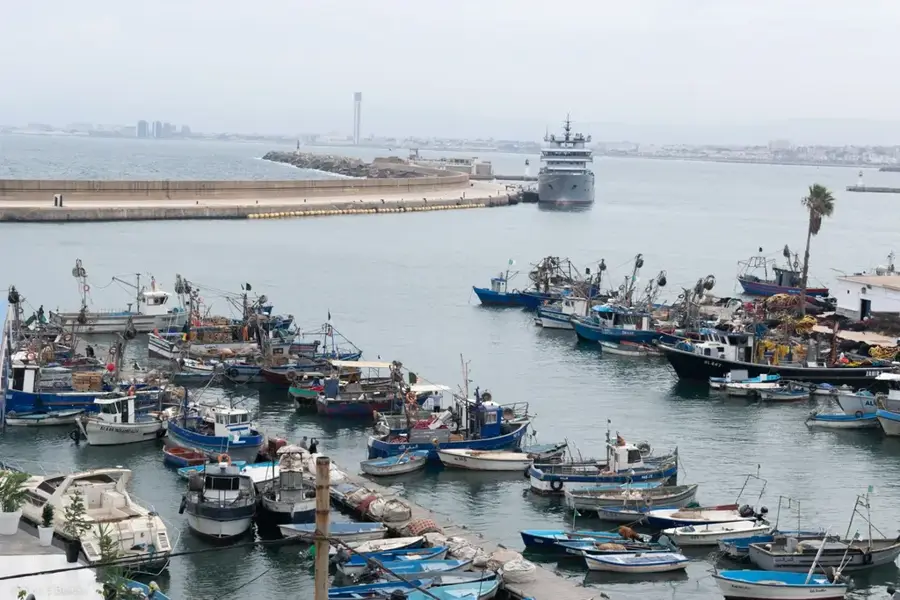
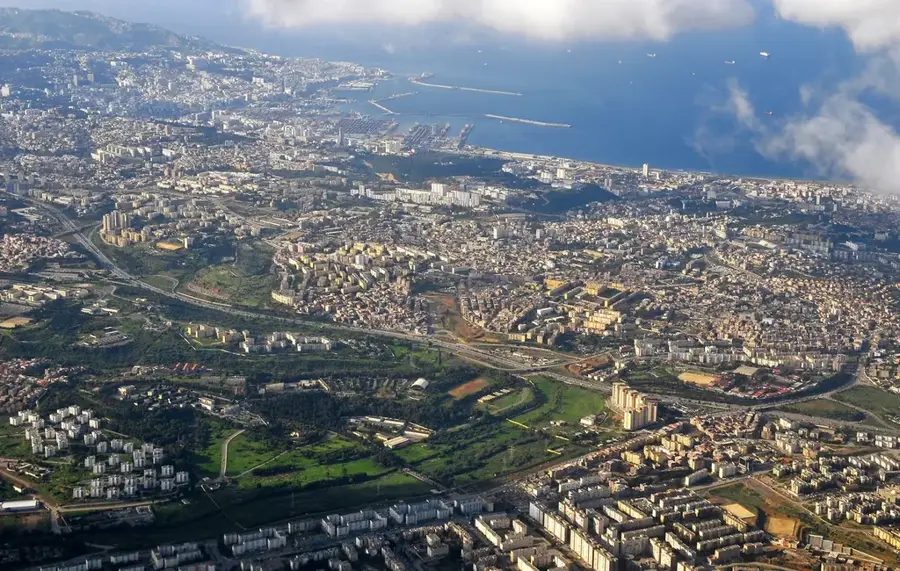
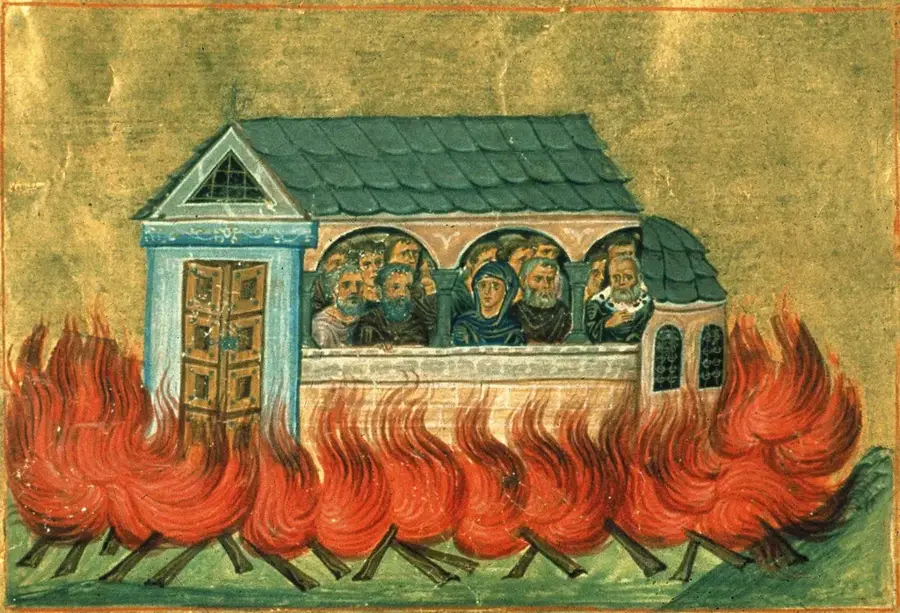
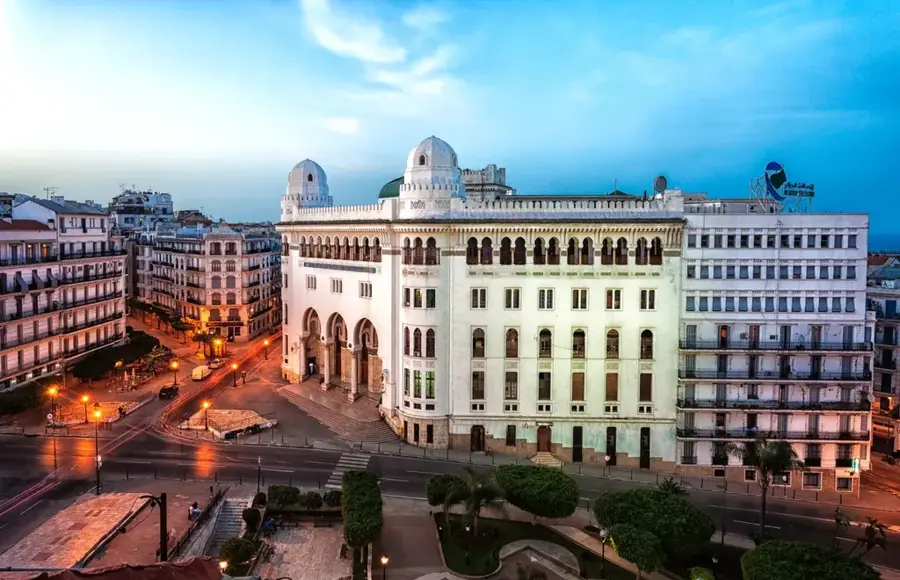
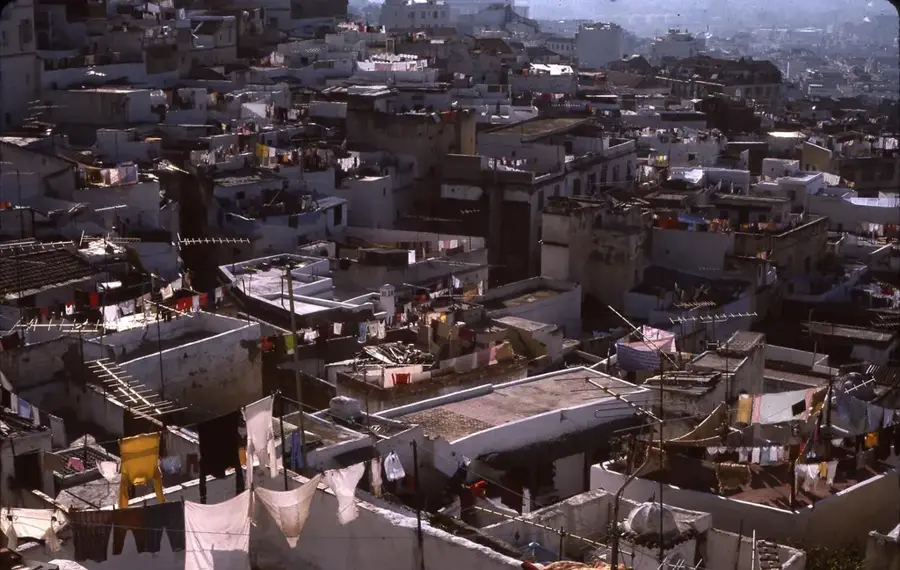
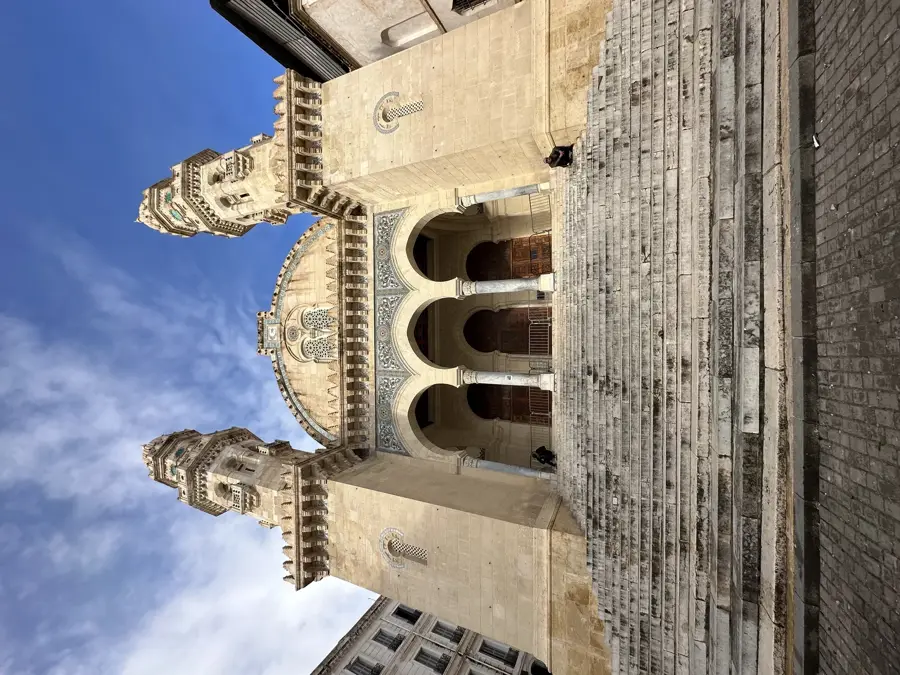
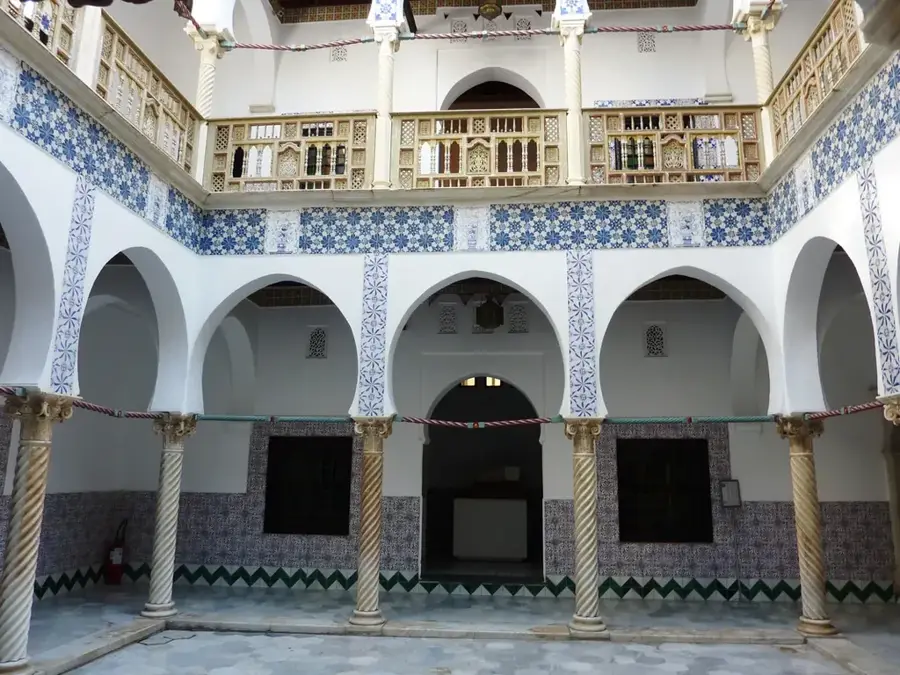
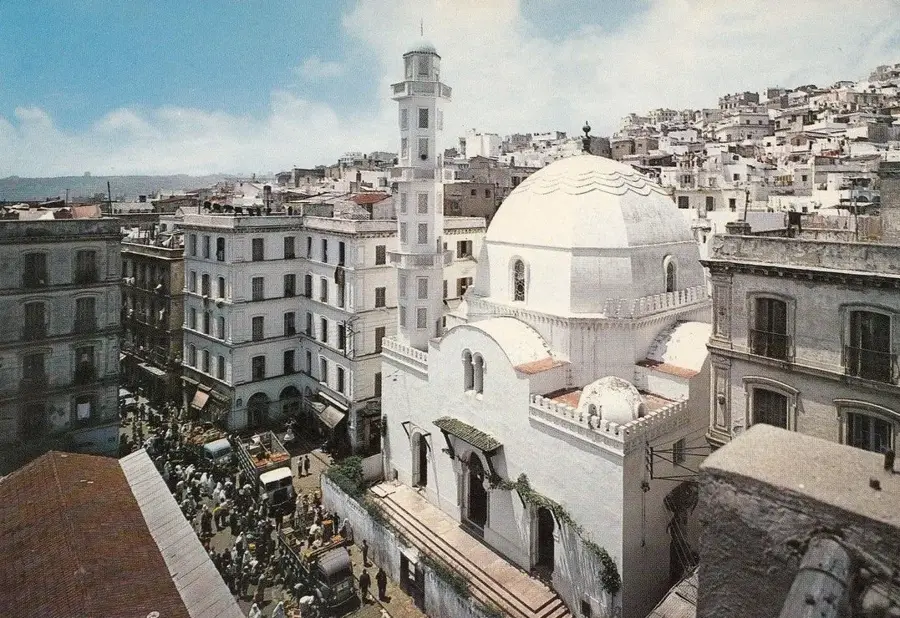
Algiers, the capital and largest city of Algeria, is magnificently situated on the western side of a bay of the Mediterranean Sea. Known as 'Algiers the White' due to the gleaming white buildings that rise from the sea, it serves as the nation's political, economic, and cultural hub. The city's topography is defined by steep hills, with the ancient Casbah overlooking the bustling modern districts along the coast. Algiers has a profound history that dates back to the Phoenicians and Romans, when it was known as Icosium. During the medieval period, it flourished under Berber dynasties before becoming a major base for Barbary pirates under Ottoman protection in the 16th century. French colonial rule, which began in 1830, drastically reshaped the city's appearance, introducing broad boulevards and Parisian-style architecture that contrast with the traditional Islamic quarters. The Casbah, a UNESCO World Heritage site since 1992, remains a labyrinth of narrow alleys and centuries-old mosques. Economically, Algiers is centered around its port and the headquarters of major national and international corporations, particularly in the energy sector. Demographically, the metropolitan area is home to over 3 million people, reflecting a young and diverse population. The city's skyline is dominated by the Maqam Echahid (Martyrs' Memorial), a tribute to the Algerian War of Independence. Other significant landmarks include the Great Mosque of Algiers and the Basilica of Notre Dame d'Afrique, which provides panoramic views of the bay. Cultural life in Algiers is a spirited mix of Arab, Berber, and French influences, expressed through its music, arts, and cuisine. The Mediterranean climate provides mild, rainy winters and hot, dry summers, making it a pleasant city throughout the year. As Algiers continues to modernize with new infrastructure like the metro system, it maintains its position as one of the most significant cities in the Mediterranean region.
Explore on the map
How well do you know Algeria?
Find cities, landscapes and regions in 10 varied challenges on the interactive map.
Your journey, your memory
A postcard from Algiers
Turn your own photo into a personal postcard with a local stamp. Free and no sign-up required.
Create a postcard- Location: Algeria
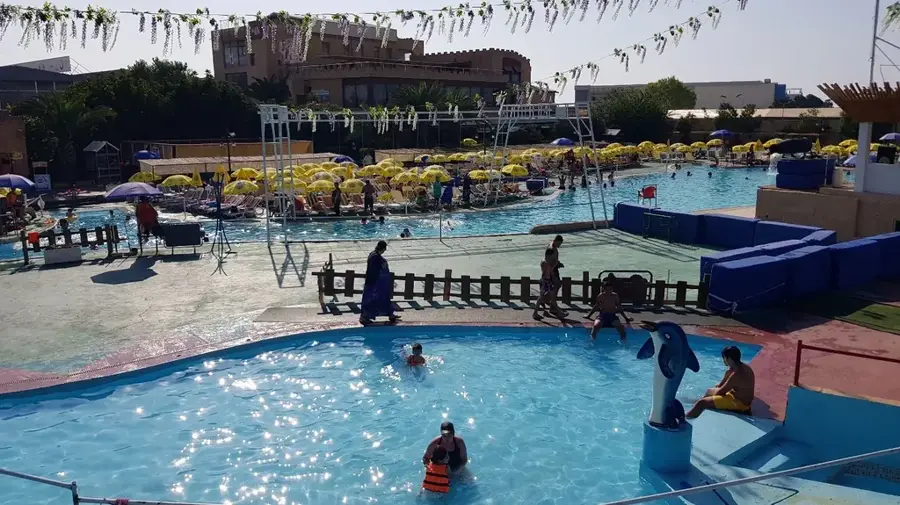
- Highlights: Le grand huit · Tigres · Hippopotame
- Nearby: Burj Al Kifan (12 km)
- Population: ~2.364.230 (2024)
Best time to visit & climate
The most pleasant time to visit is May, Jun, Oct.
| Jan | Feb | Mar | Apr | May | Jun | Jul | Aug | Sep | Oct | Nov | Dec | |
|---|---|---|---|---|---|---|---|---|---|---|---|---|
| Avg °C | 14 | 13 | 15 | 16 | 19 | 22 | 25 | 26 | 24 | 22 | 18 | 15 |
| Rain mm | 84 | 67 | 60 | 53 | 39 | 11 | 5 | 12 | 39 | 64 | 107 | 85 |
Geography
Facts
- Algiers was refounded in 944 AD by the Zirid dynasty ruler Buluggin ibn Ziri.
- The Casbah of Algiers was designated a UNESCO World Heritage site in 1992.
- The city's Great Mosque, Djamaâ el-Djazaïr, was completed in 2019.
- The Martyrs' Memorial was inaugurated in 1982 on the 20th anniversary of independence.
- Algiers is the largest port city in North Africa after Casablanca and Alexandria.
- The city's metro system was the second in Africa (after Cairo) to be operational.
- The Botanical Garden of Hamma features over 3,000 species of plants.
- Average summer temperatures in Algiers typically range from 28°C to 32°C.
Explore nearby
Notable places around
Route planner — Car & Motorhome
Where do you start? We build the route here, with stops and country notes along the way.
© OpenStreetMap contributors · OpenRouteService
Sights in the town Algiers (17)
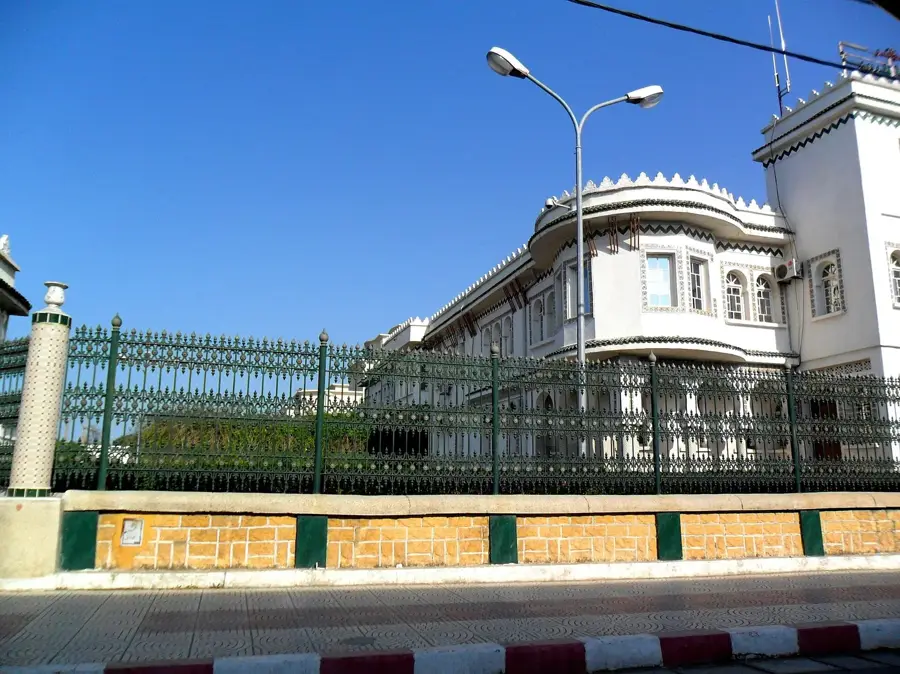
Embassy of Brazil🌳 park
The grounds of this South American diplomatic mission in Algiers feature secure gardens blended with local North African flora.
Frequently asked questions
What is the main tourist attraction in Algiers?
What is the best way to get around the city?
Which dish should you try?
When is the best time to visit Algiers?
How many days should you plan for?
Algiers: where is it located?
Algiers: what is there to see?
Algiers: when is the best time to visit?
Algiers: why is it worth visiting?
History & landmarks
More places