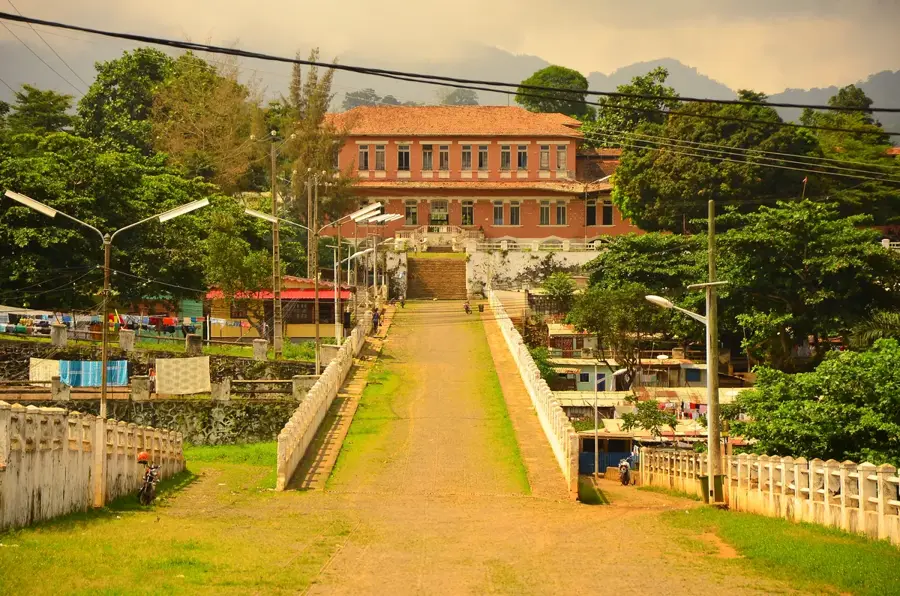
Attractions in São Tomé & Príncipe
The finest attractions in São Tomé & Príncipe at a glance: castles, natural wonders, historic old towns and more. Each place links to a detailed page with map, tips and photos.
Culture & History
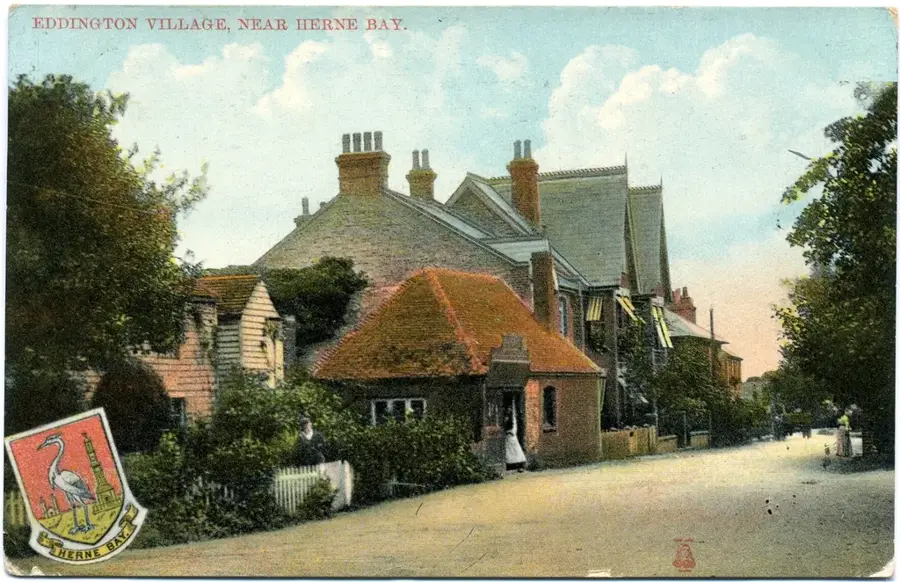
Eddington Monument
The Eddington Monument at Roça Sundy commemorates the 1919 scientific expedition during which Sir Arthur Eddington proved Einstein's theory of relati…
Learn more →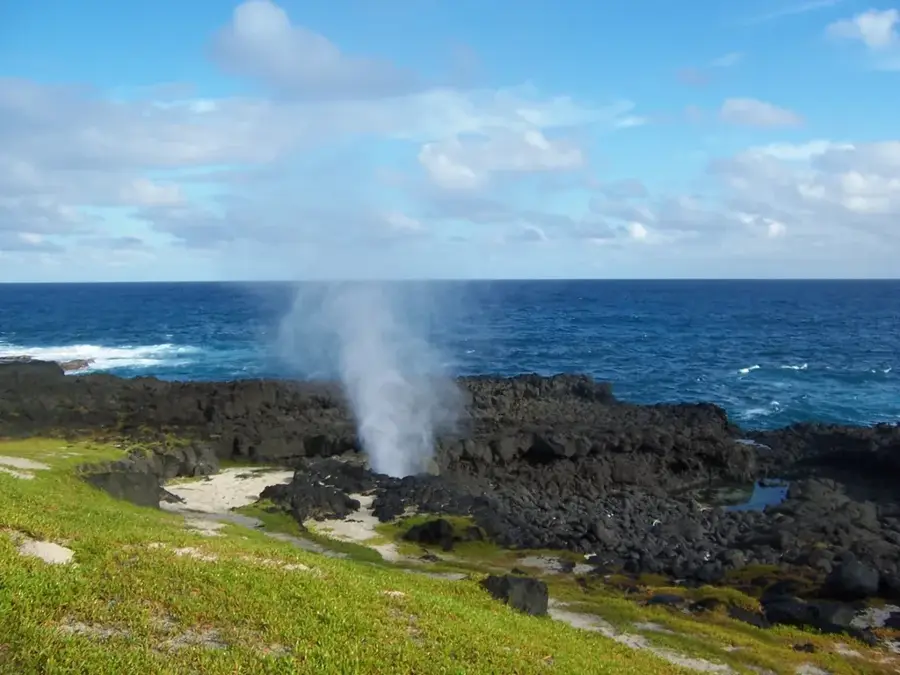
Ilhéu das Rolas Lighthouse
The lighthouse on Ilhéu das Rolas marks the southernmost point of the archipelago and is an important maritime signal near the Equator.
Learn more →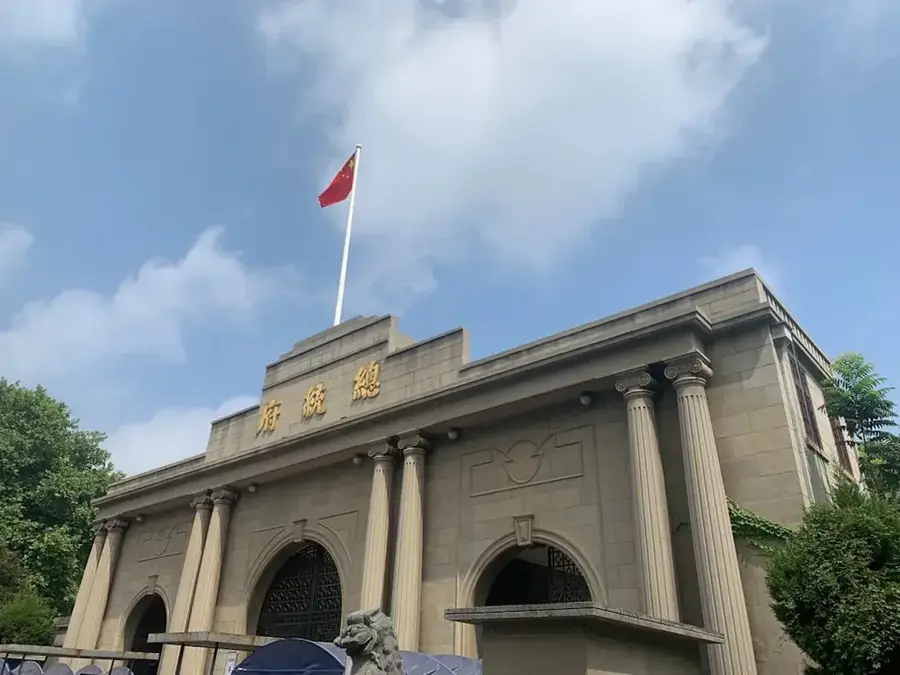
Presidential Palace
The Presidential Palace is an elegant colonial-era building in the heart of the capital, serving as the official residence of the head of state.
Learn more →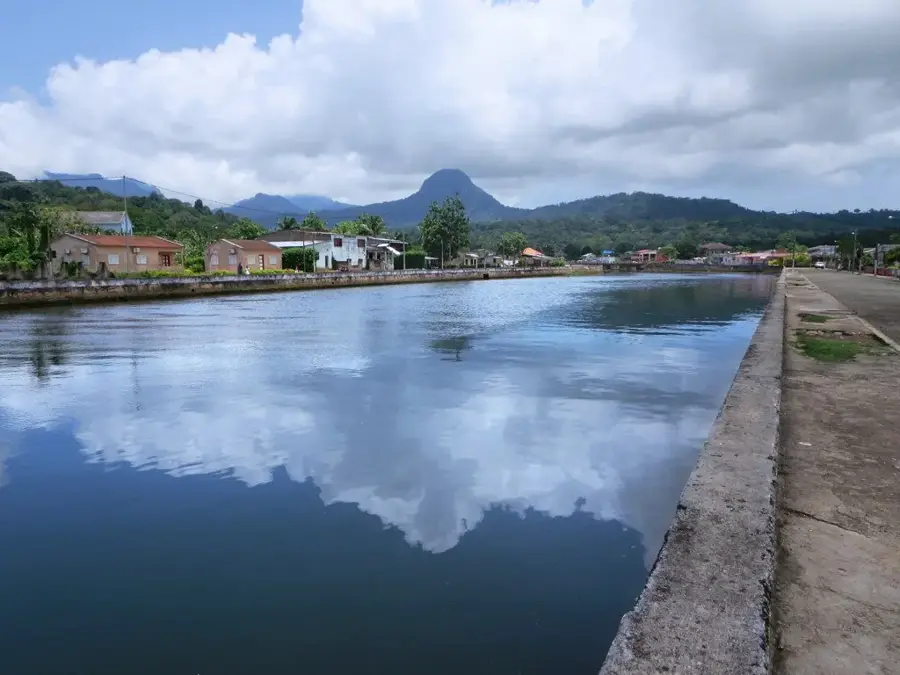
Port of Santo António
The small but vital Port of Santo António is the logistical backbone of Príncipe Island.
Learn more →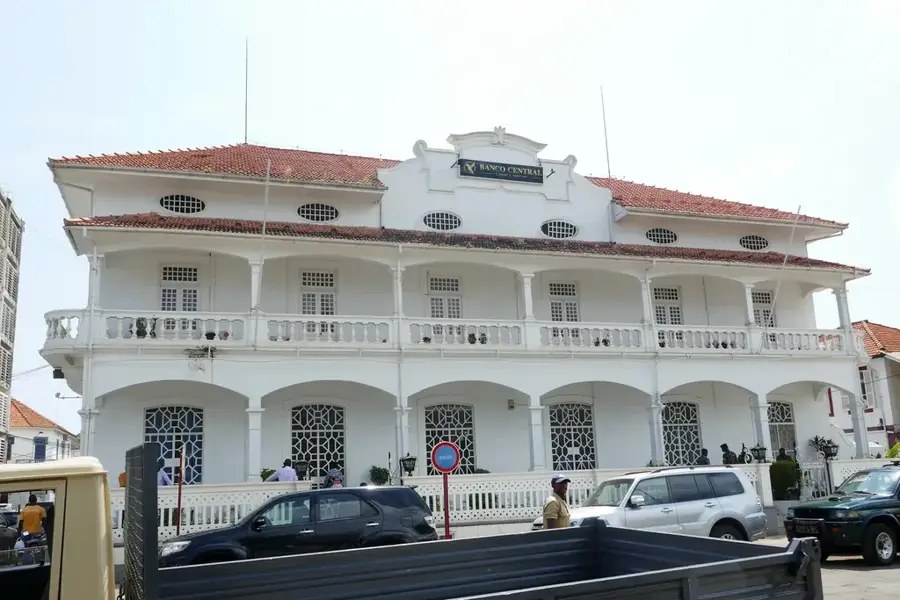
Central Bank
The Central Bank is the supreme monetary authority of the country and an architecturally striking building in the city center.
Learn more →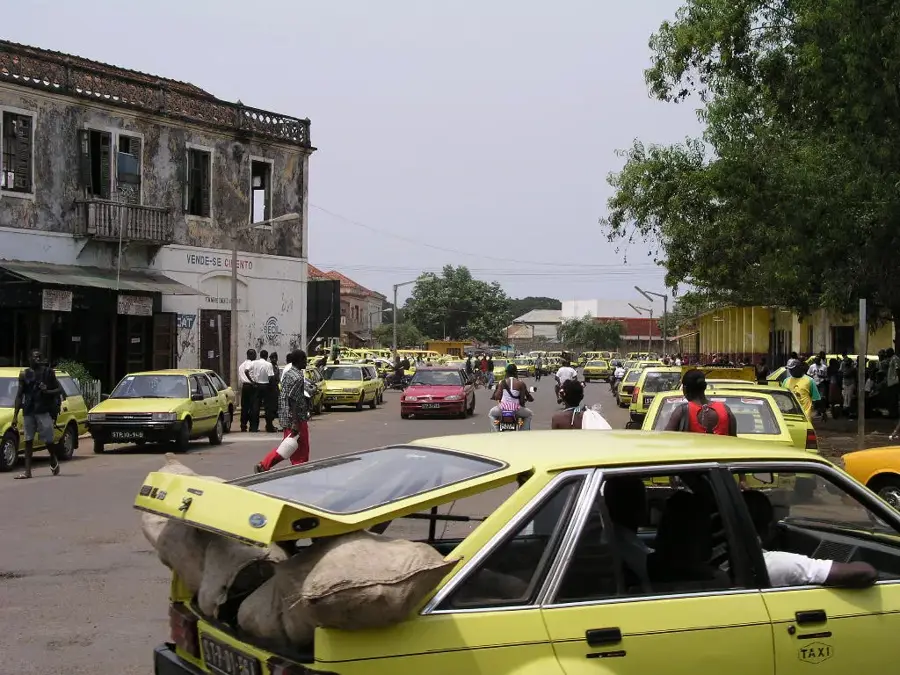
Waterfront Promenade
The Waterfront Promenade, locally known as the Marginal, is the most popular strolling area in the capital.
Learn more →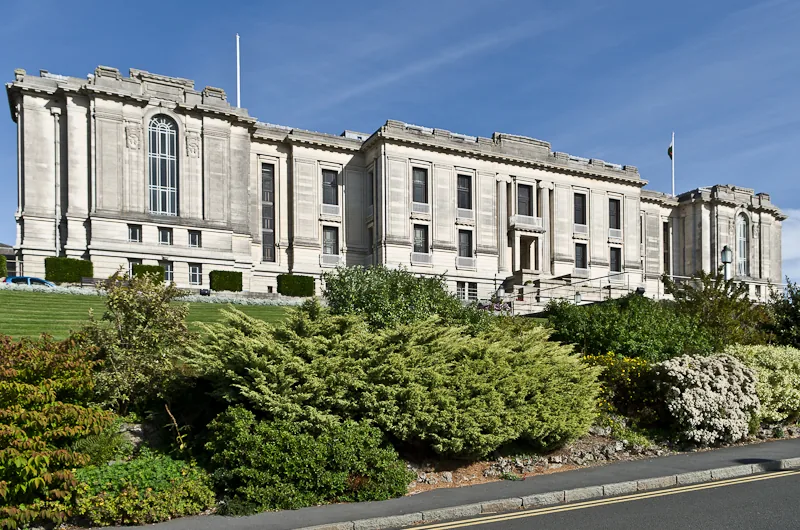
National Library
The National Library of São Tomé and Príncipe is the primary site for preserving the country's literary heritage.
Learn more →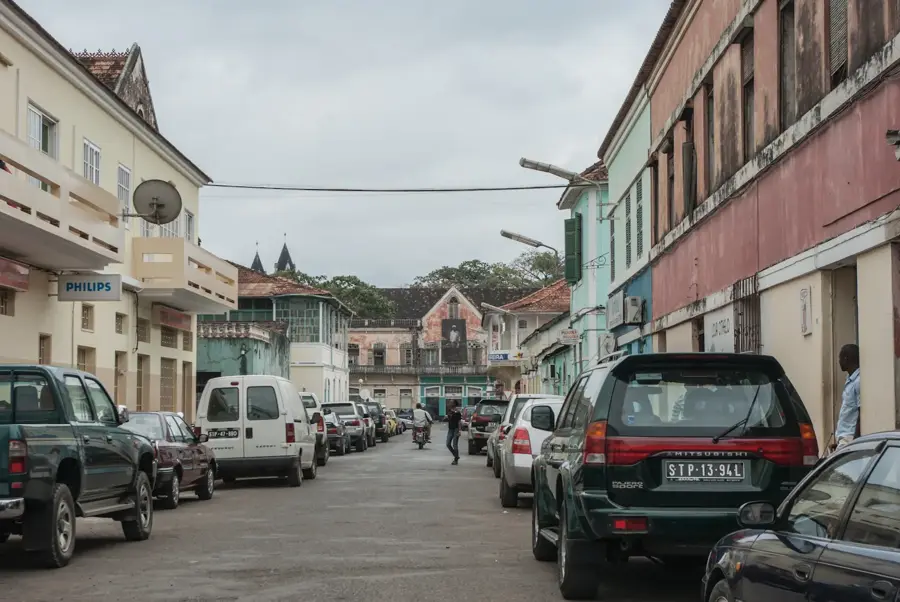
São Tomé International Airport
The international airport is the island nation's primary link to the African mainland and Europe.
Learn more →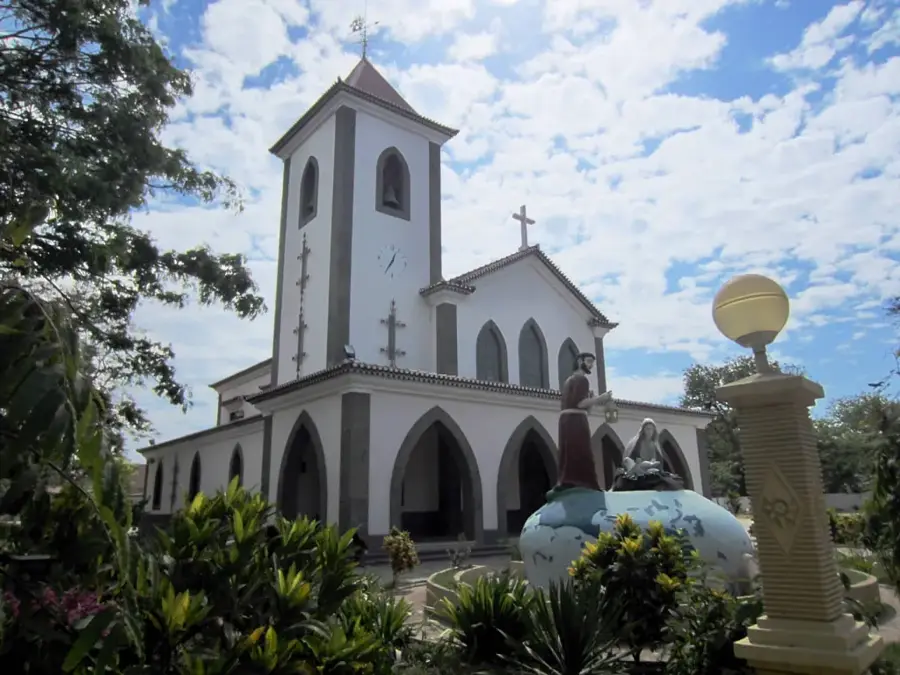
Santo António Market
The Santo António Market on Príncipe Island is a colorful meeting place where local products from the rainforest and the sea are offered.
Learn more →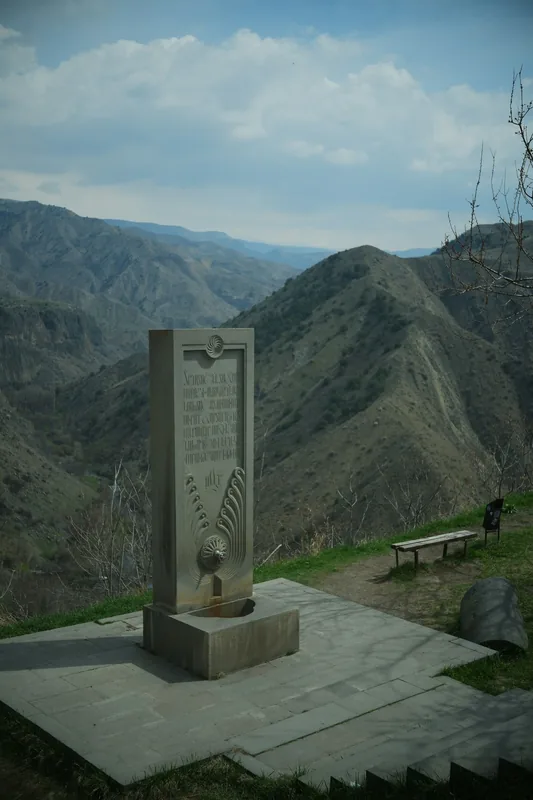
Batepá Memorial
The Batepá Memorial in Fernão Dias commemorates the victims of the 1953 massacre, a turning point in national consciousness and the quest for indepen…
Learn more →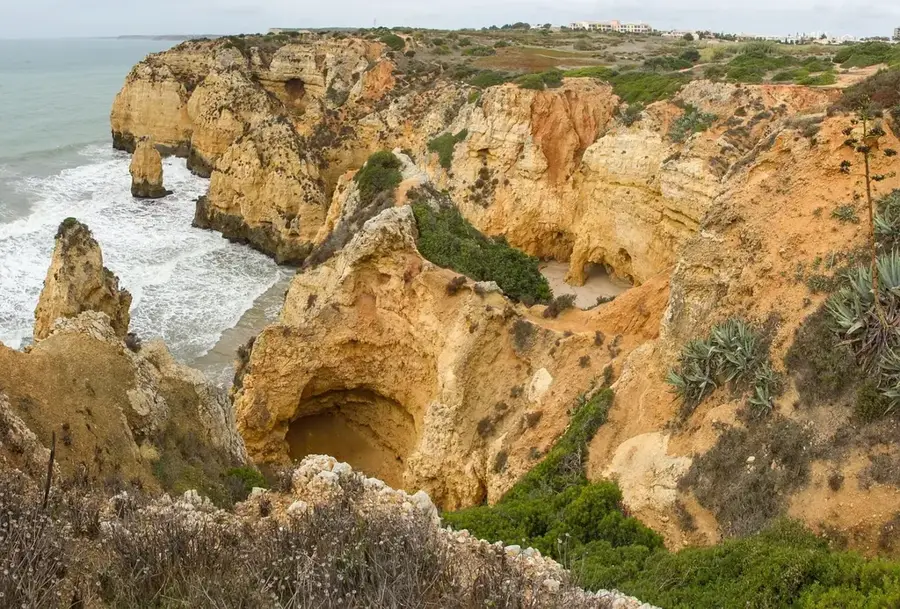
Ponta da Mina Lighthouse
The Ponta da Mina Lighthouse is located at the eastern tip of the Santo António Bay on Príncipe.
Learn more →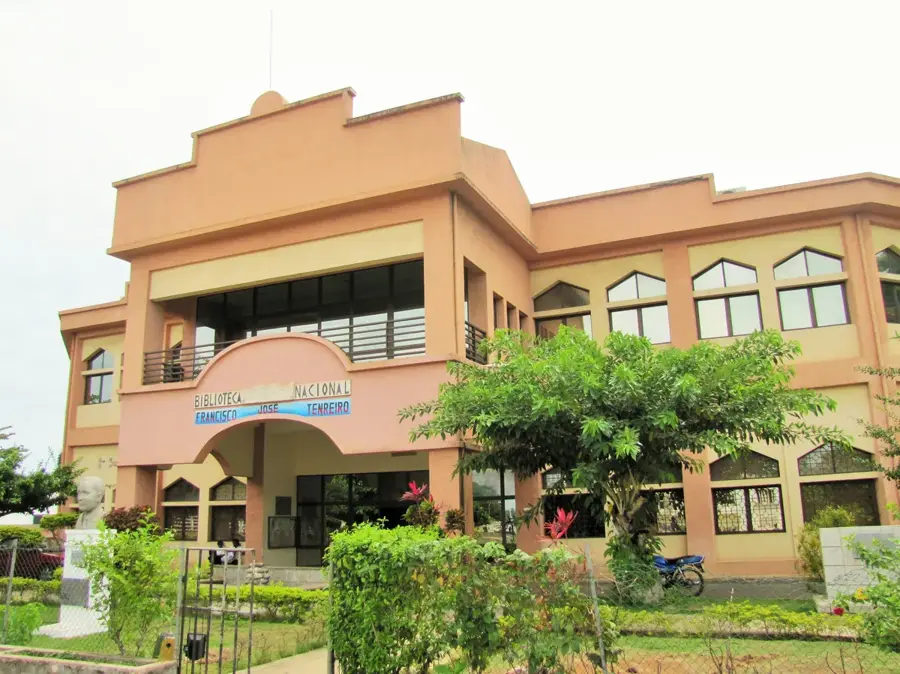
Portuguese Cultural Center
The Portuguese Cultural Center is an important venue for intellectual and artistic exchange in the capital.
Learn more →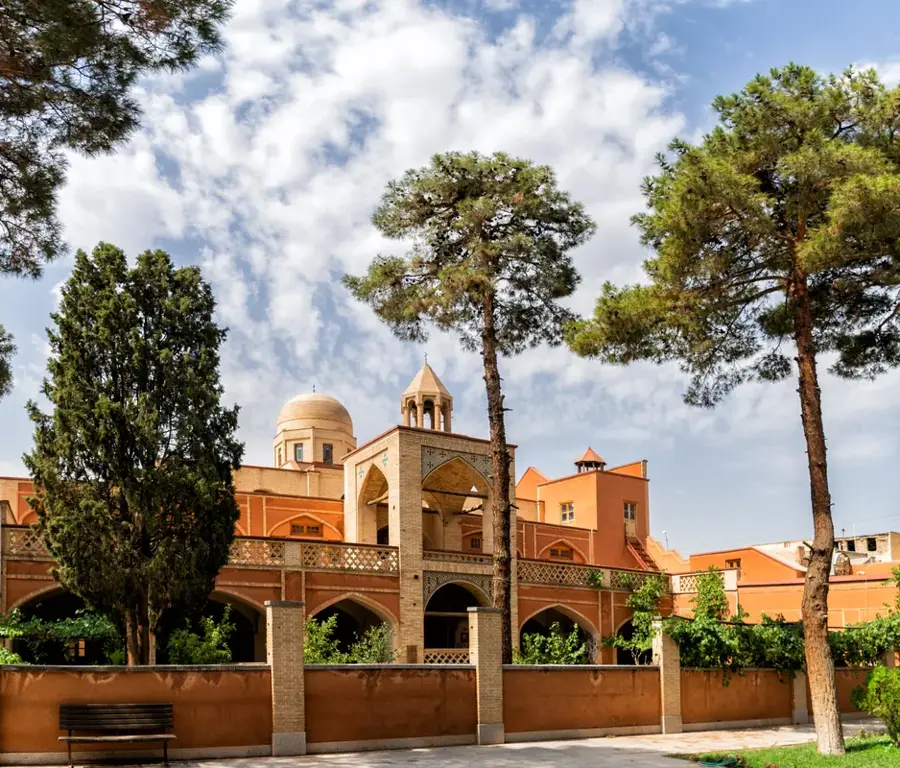
Church of Our Lady of the Rosary
The Church of Our Lady of the Rosary is the religious landmark of Santo António on Príncipe.
Learn more →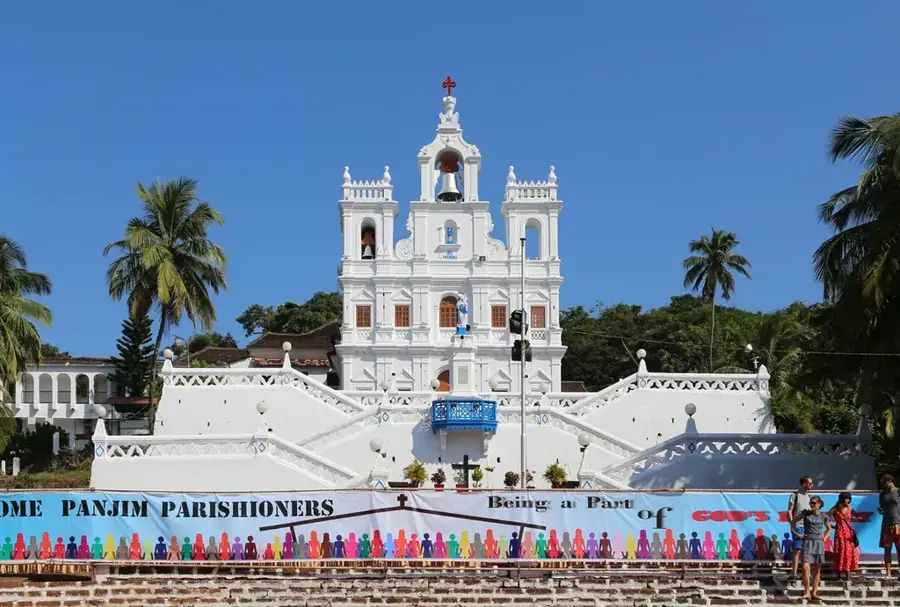
Church of Our Lady of Conception
This charming church in the city center is a fine example of colonial-era sacred architecture.
Learn more →
Supreme Court of Justice
The Supreme Court of Justice is the highest judicial authority in the country, housed in an architecturally significant building.
Learn more →Nature
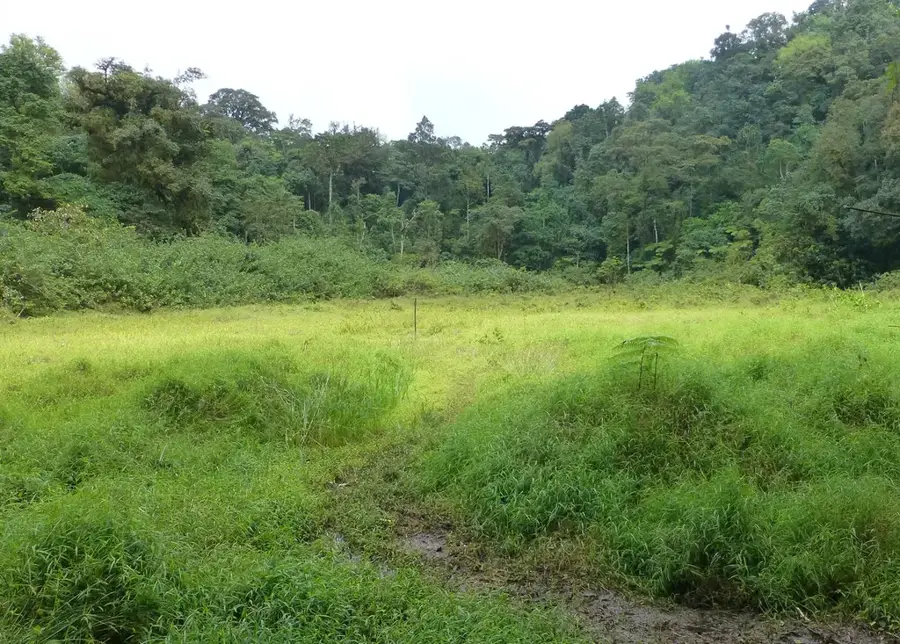
Lagoa Amélia
Lagoa Amélia is not an ordinary lake but a rainwater-filled volcanic crater in the mountains of São Tomé, which now houses a fascinating marsh landsc…
Learn more →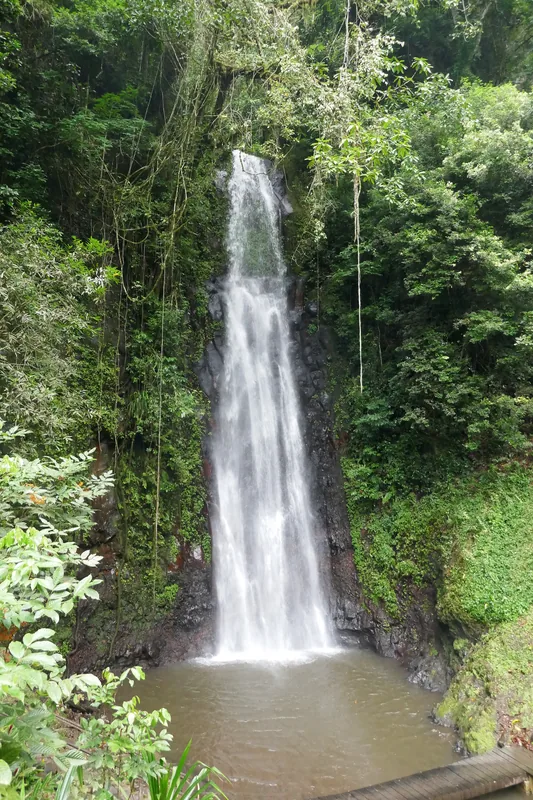
São Nicolau Waterfall
São Nicolau Waterfall is one of the island's most famous and photogenic waterfalls, nestled in the cool mountain forests of the Mé-Zóchi district.
Learn more →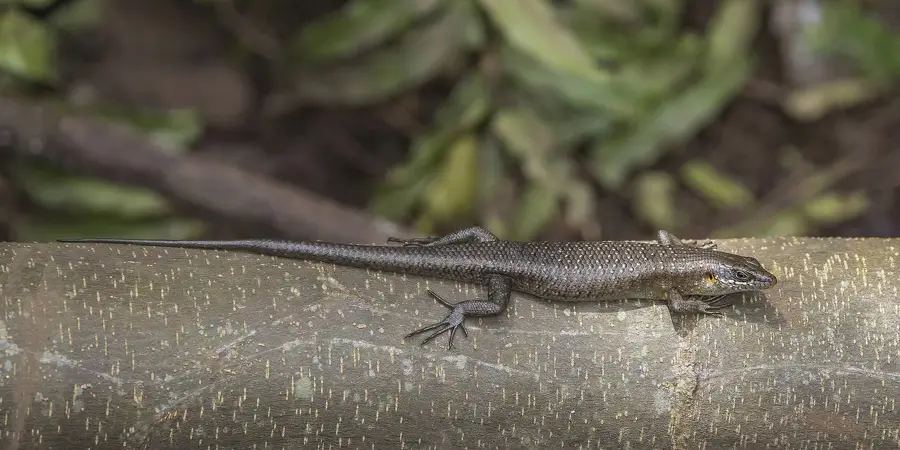
Rio Caué
Rio Caué is the lifeline of São Tomé's southernmost district, flowing through the heart of Obô National Park.
Learn more →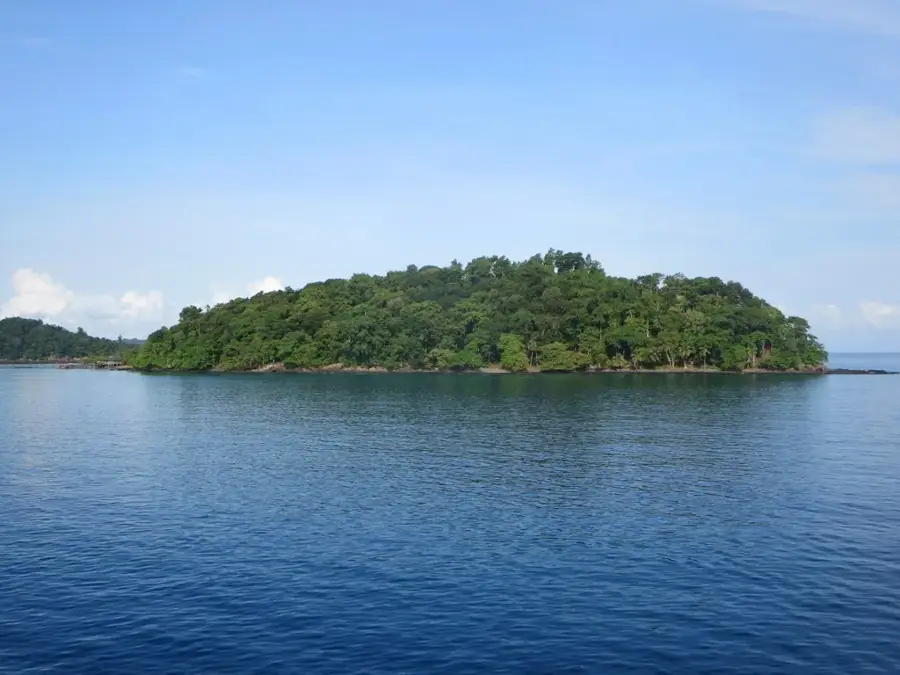
Ilhéu Bom Bom
Ilhéu Bom Bom is a small, green pearl off the north coast of Príncipe, connected to the main island by a long wooden walkway.
Learn more →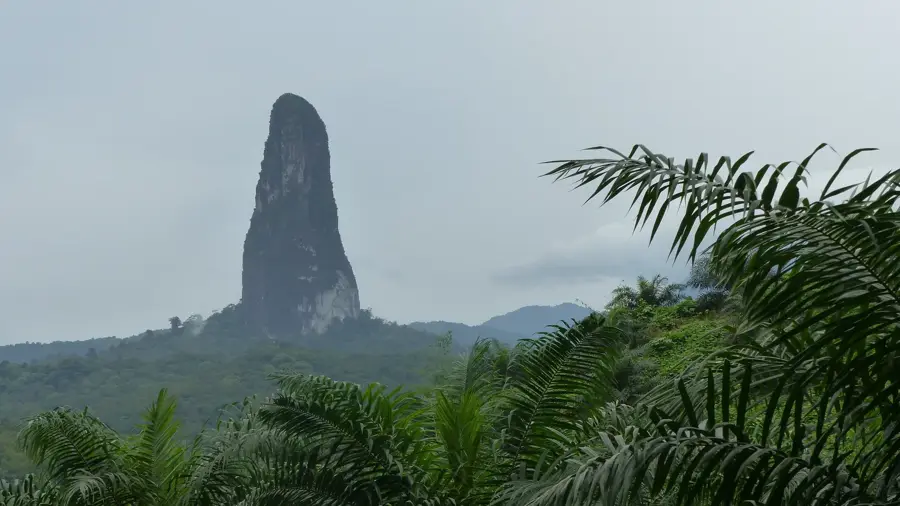
Pico Cão Grande
Pico Cão Grande is a spectacular volcanic plug that rises like a giant needle above the southern rainforest.
Learn more →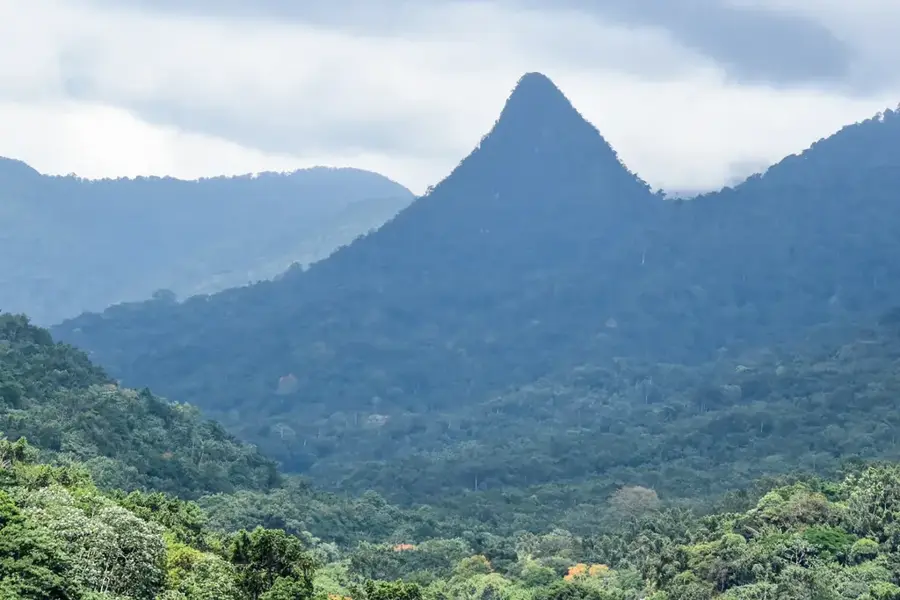
Rio Lembá
Rio Lembá is the most significant river in the west of the island, a symbol of nature's untamed power.
Learn more →
Rio Manuel Jorge
Rio Manuel Jorge is a lively river on the east coast of São Tomé, flowing through fertile plantation areas and dense forest.
Learn more →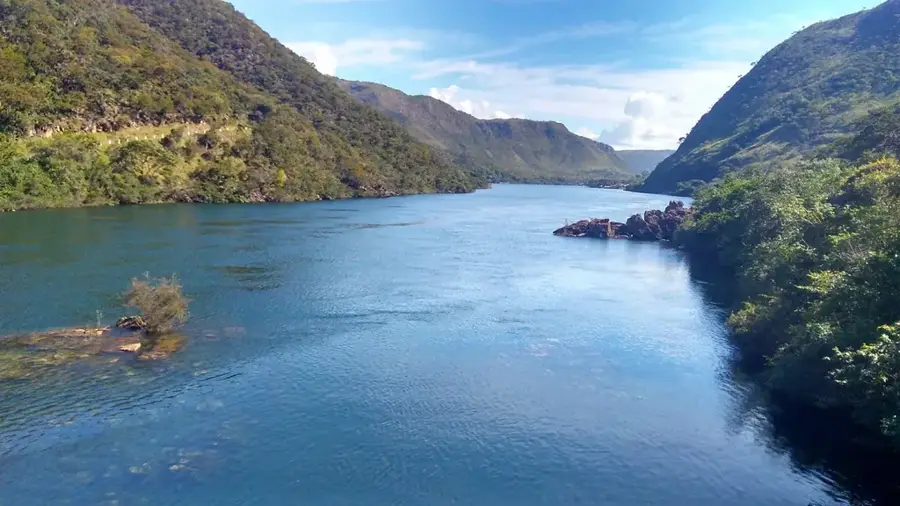
Rio Água Grande
Rio Água Grande is the historic river that gives the capital and its district their names.
Learn more →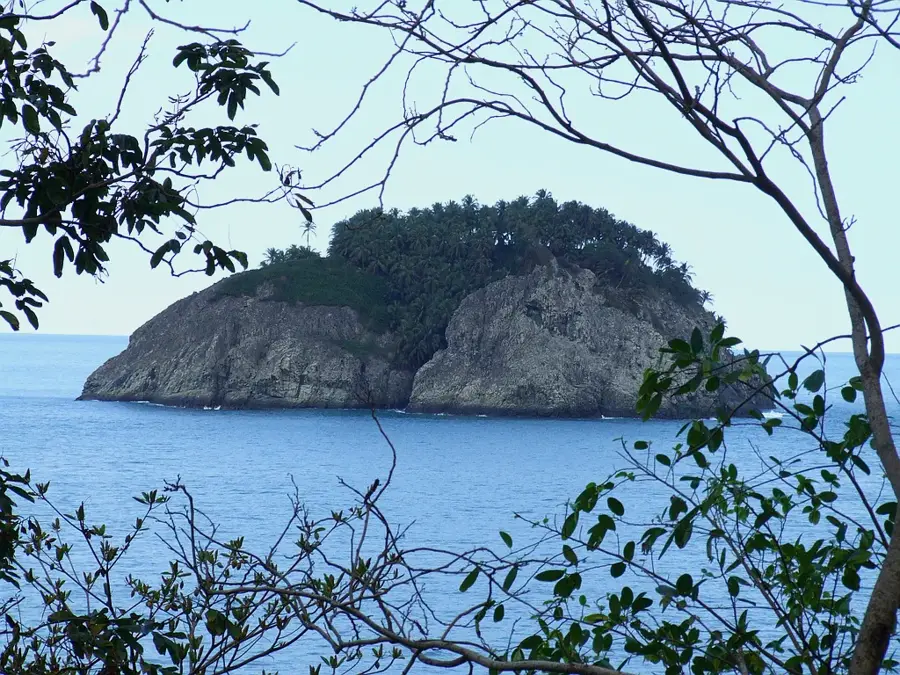
Ilhéu Santana
Ilhéu Santana is a rocky island off the east coast of São Tomé, rising majestically from the blue of the Atlantic.
Learn more →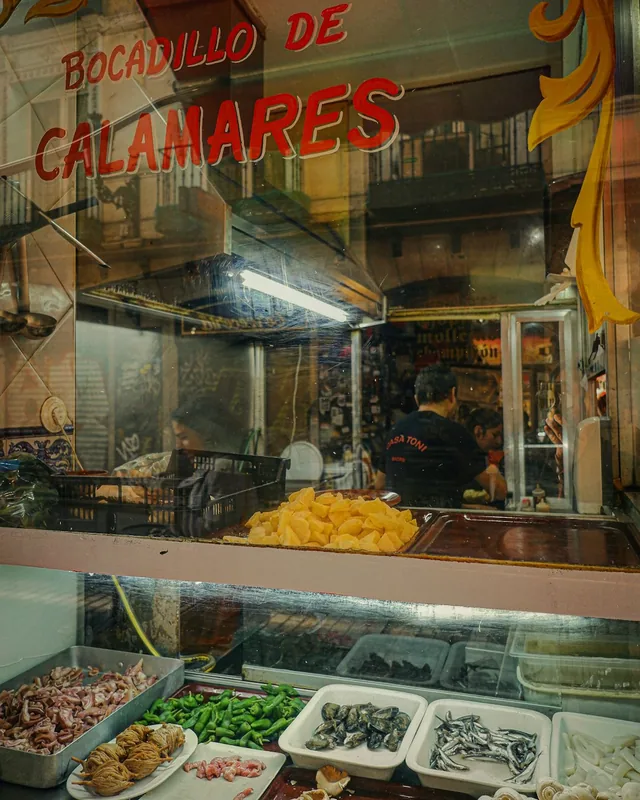
Pico Cabumbé
Pico Cabumbé is a prominent peak in the south of São Tomé, rising above the dense rainforest.
Learn more →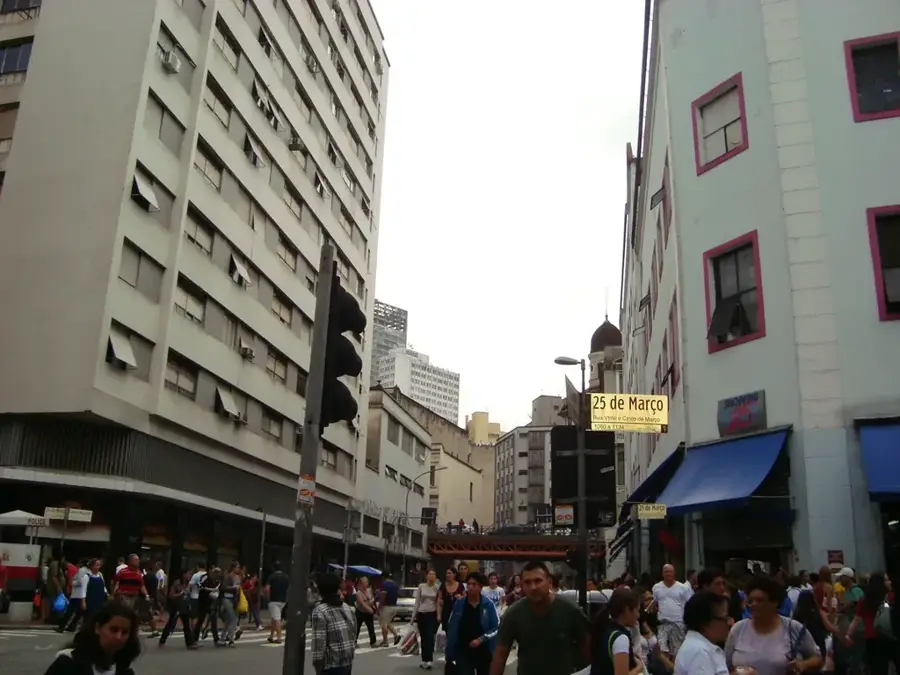
Pico Vinte e Cinco
This mountain in the far southwest of São Tomé marks a wild and inaccessible region.
Learn more →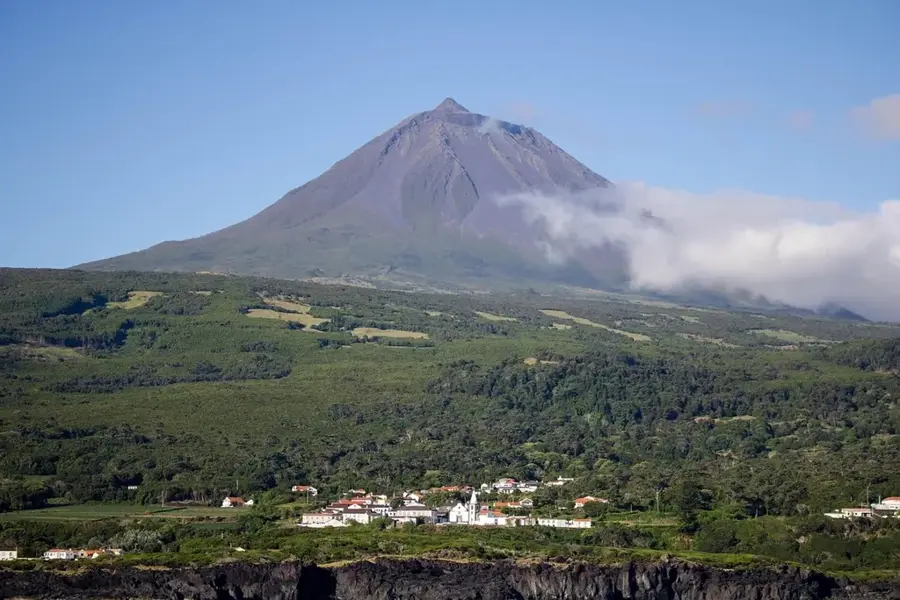
Pico Carvalhal
Located in the heart of the Mé-Zóchi district, Pico Carvalhal is a symbol of Central São Tomé's mountainous landscape.
Learn more →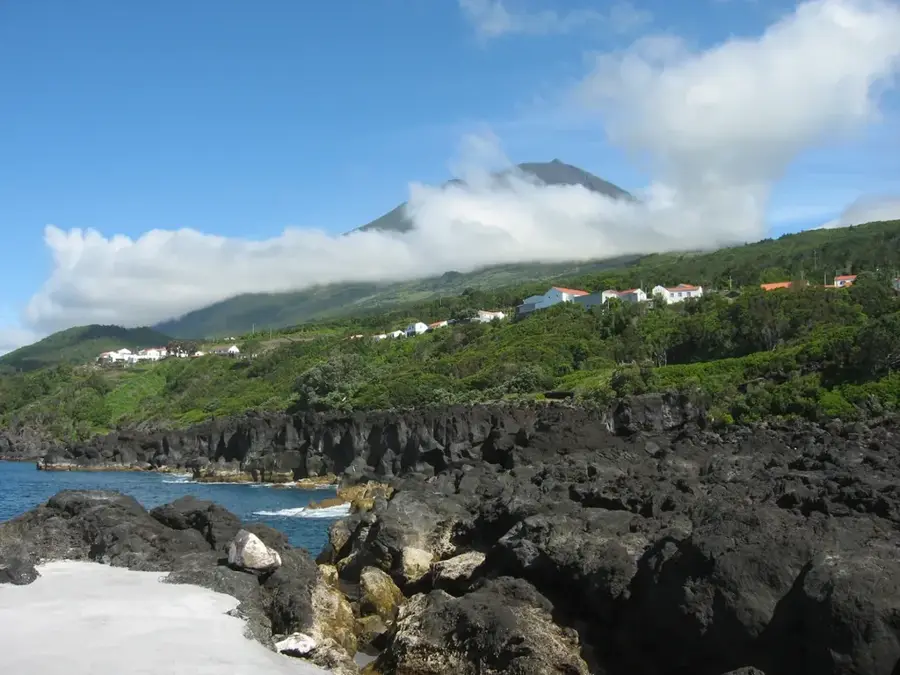
Pico de São João
This mountain in eastern São Tomé towers over the bay of the same name and the surrounding valleys.
Learn more →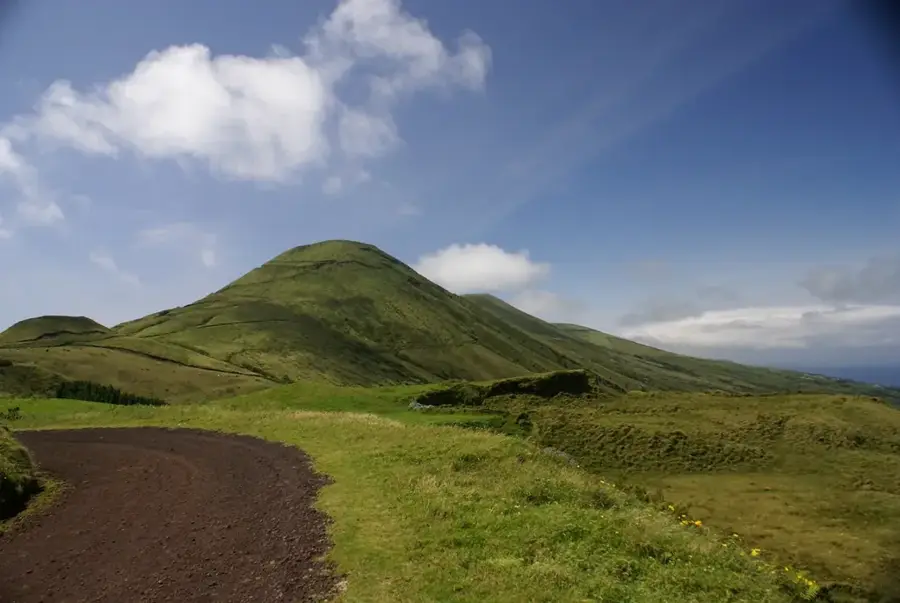
Pico da Esperança
Pico da Esperança is an elevation in eastern São Tomé, known for its scenic diversity.
Learn more →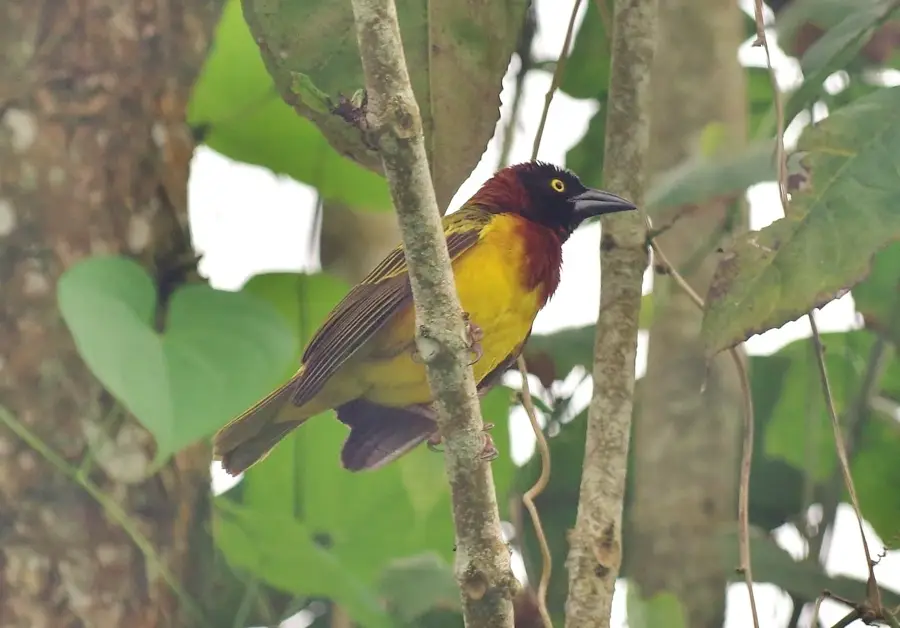
Pico de Ana Chaves
This mountain in the center of São Tomé island is named after the legendary Ana Chaves.
Learn more →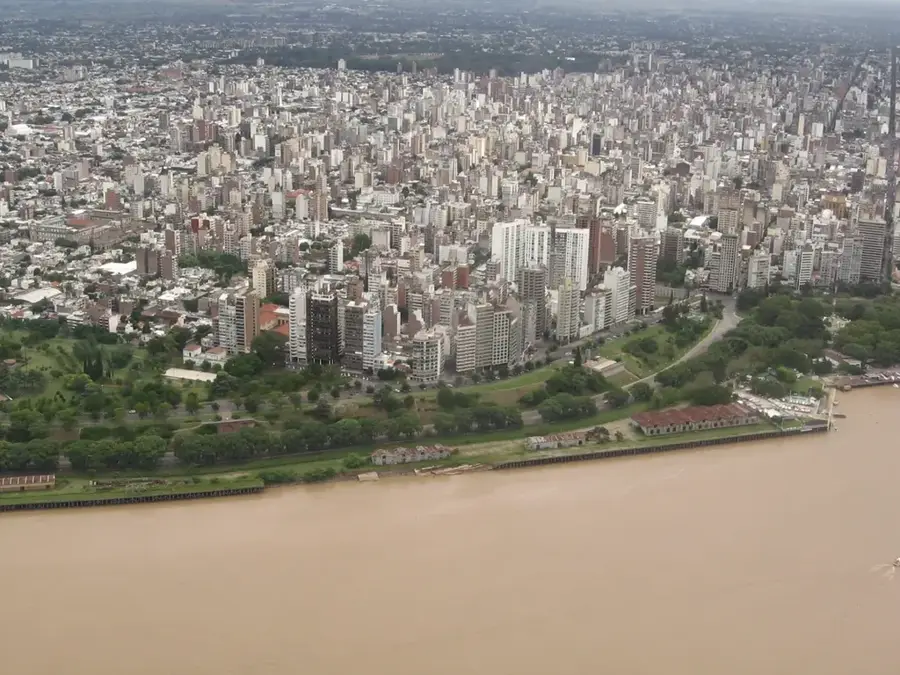
Pico de Palmira
Pico de Palmira is a mountain in the heart of São Tomé's coffee-growing region.
Learn more →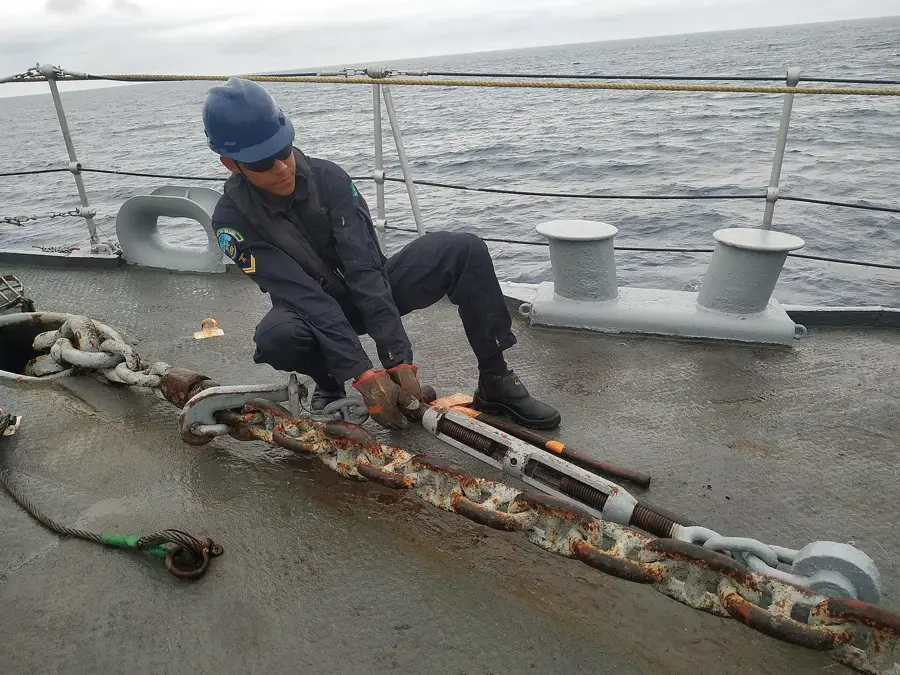
Pico de São Pedro
Pico de São Pedro is a prominent peak near the capital that marks the beginning of the central highlands.
Learn more →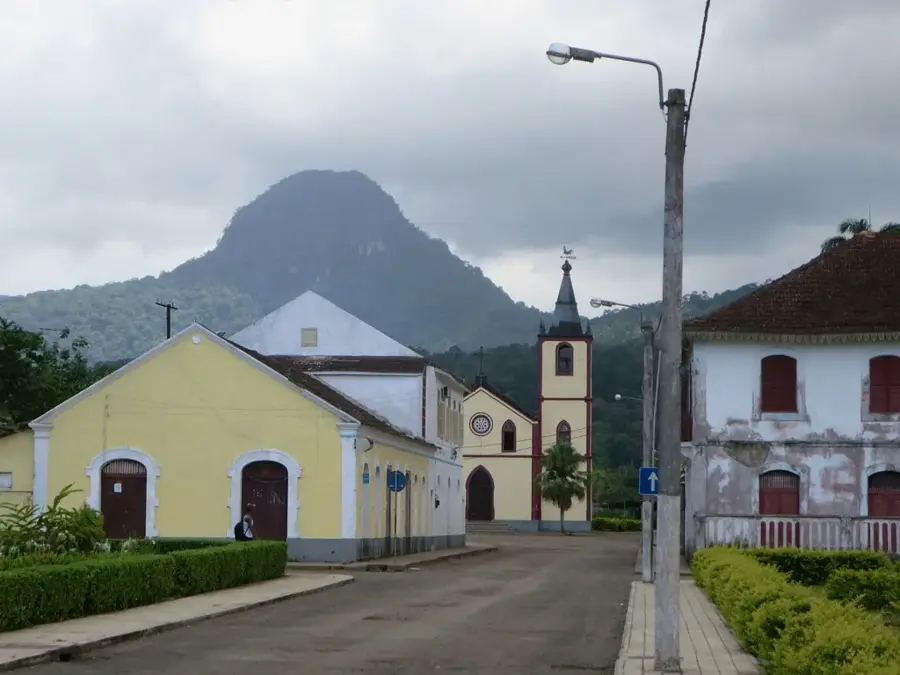
Pico Bastião
Pico Bastião is a distinctive geological formation on Príncipe Island.
Learn more →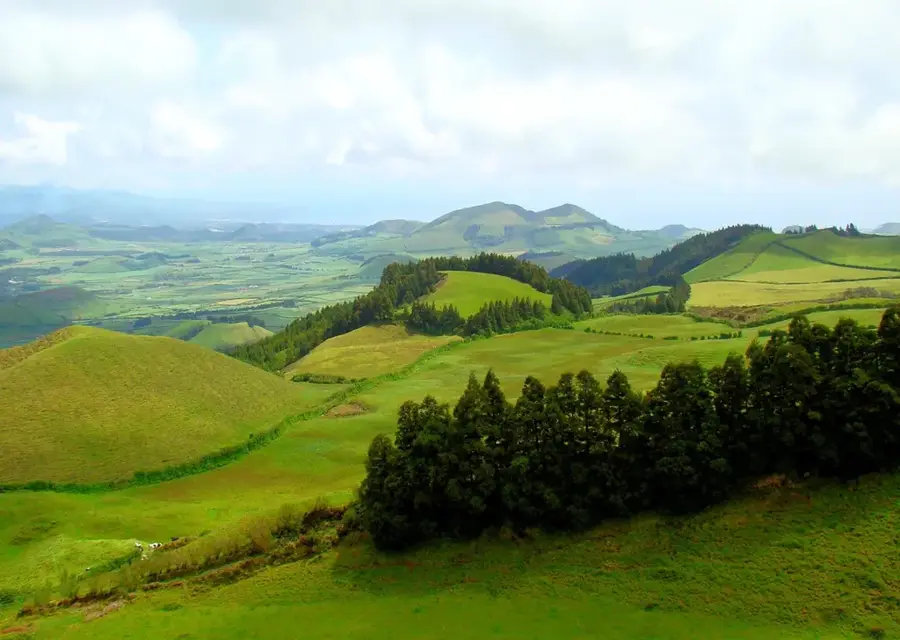
Pico de Formoso
Pico de Formoso, whose name means 'Beautiful Peak', lives up to its name.
Learn more →More highlights
Agostinho Neto Educational Farm
The educational farm at the historic Roça Agostinho Neto is an innovative educational project that brings the importance of agriculture closer to stu…
Learn more →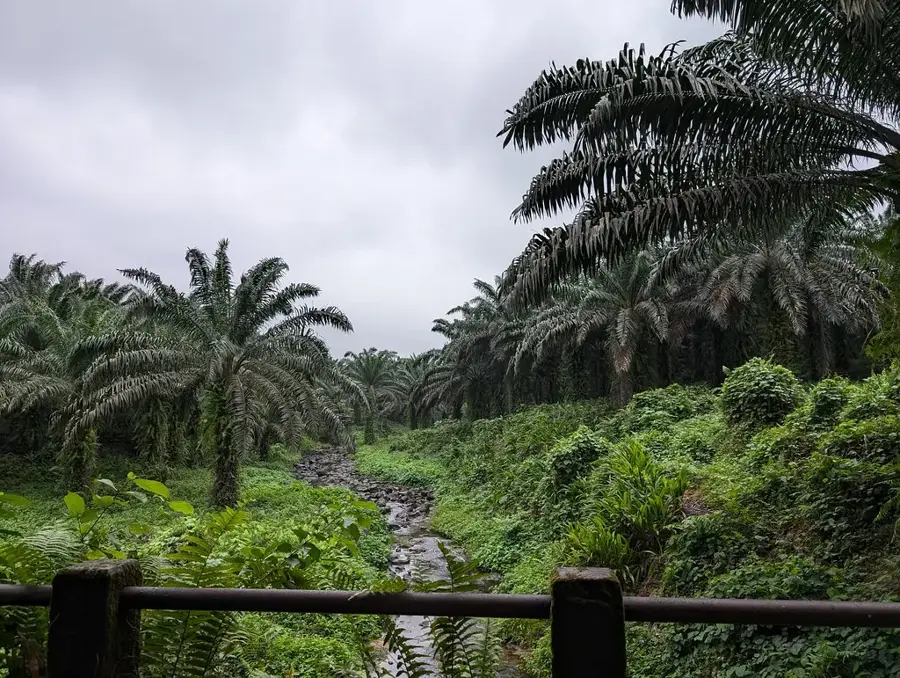
Ribeira Peixe Oil Palm Center
Ribeira Peixe in the deep south of the island is the heart of Santomean oil palm production.
Learn more →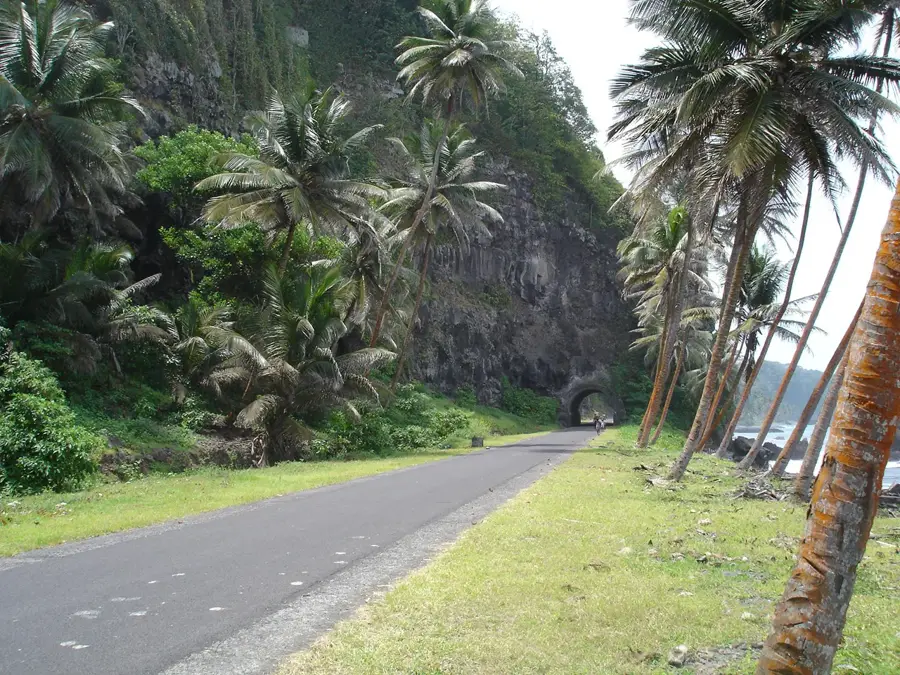
Diogo Vaz Cocoa Farm
The Diogo Vaz cocoa farm is a significant center for cultivating high-quality fine cocoa on the west coast.
Learn more →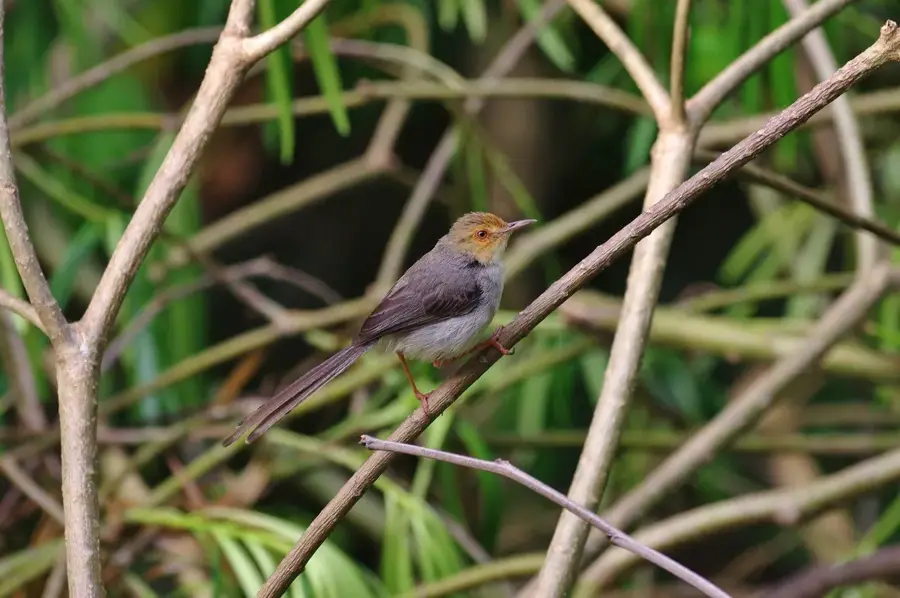
Neves Adventure Playground
The adventure playground in the industrial city of Neves offers the region's children an exciting place for physical activity and communal play.
Learn more →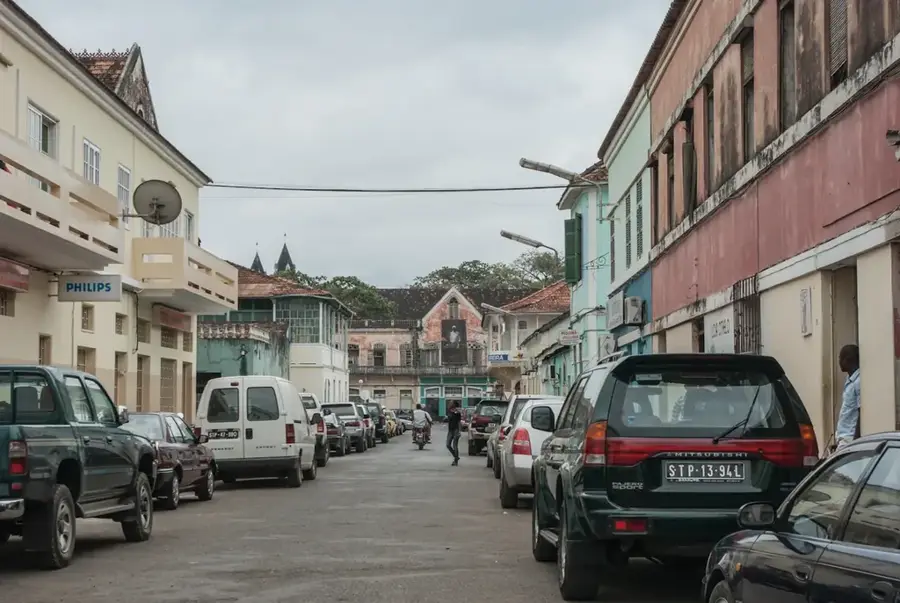
São Tomé Children's Park
The children's park in the center of the capital is a colorful oasis of joy where the island's youngest residents can play to their heart's content.
Learn more →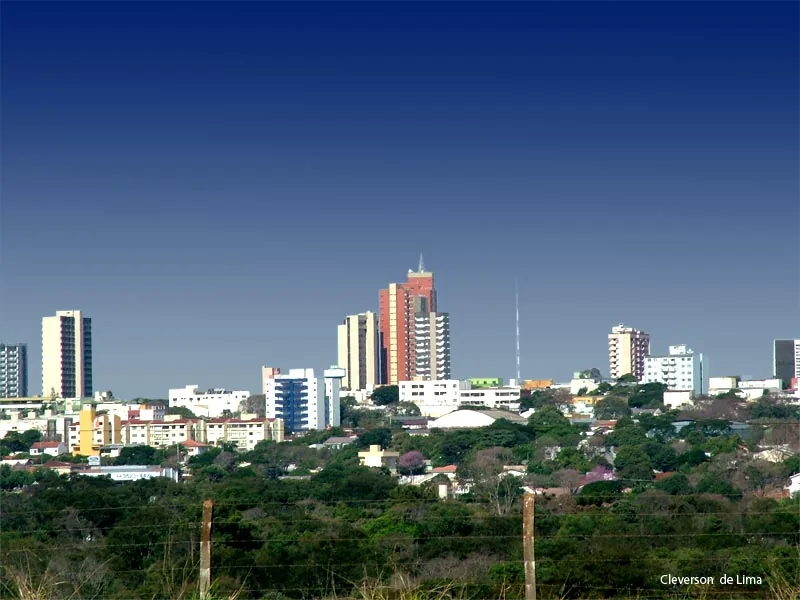
Cantagalo Orchid Garden
In the heart of the Cantagalo district lies this specialized garden dedicated to the preservation and breeding of the fascinating orchids of São Tomé.
Learn more →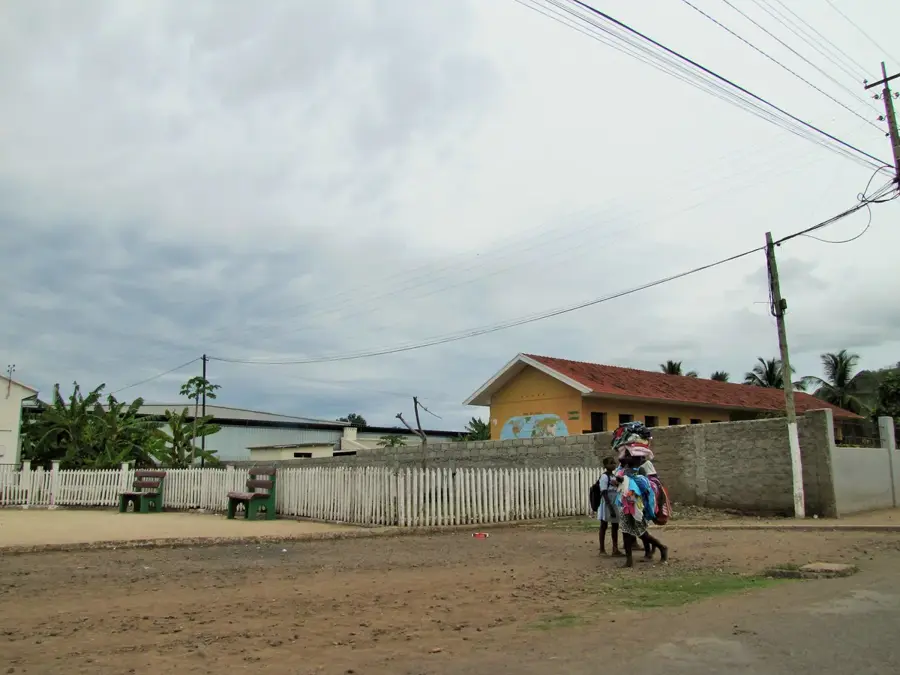
Humpback Whale Observation Station
Off the west coast of São Tomé, near Neves, lies an important area for observing humpback whales during their annual migration.
Learn more →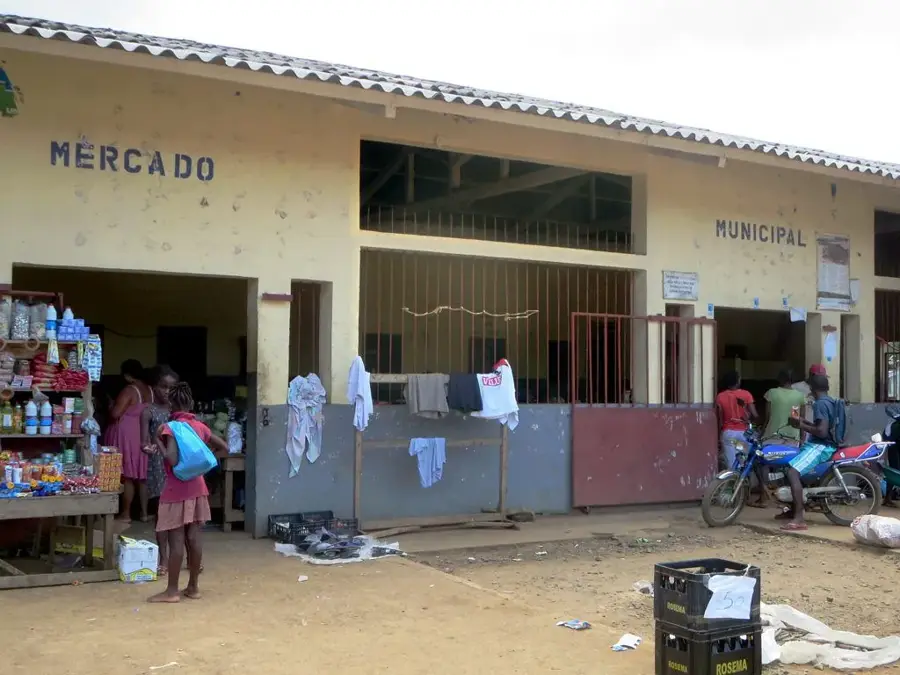
Príncipe Children's Leisure Center
The children's leisure center in Santo António is the hub for play and education for the children on Príncipe Island.
Learn more →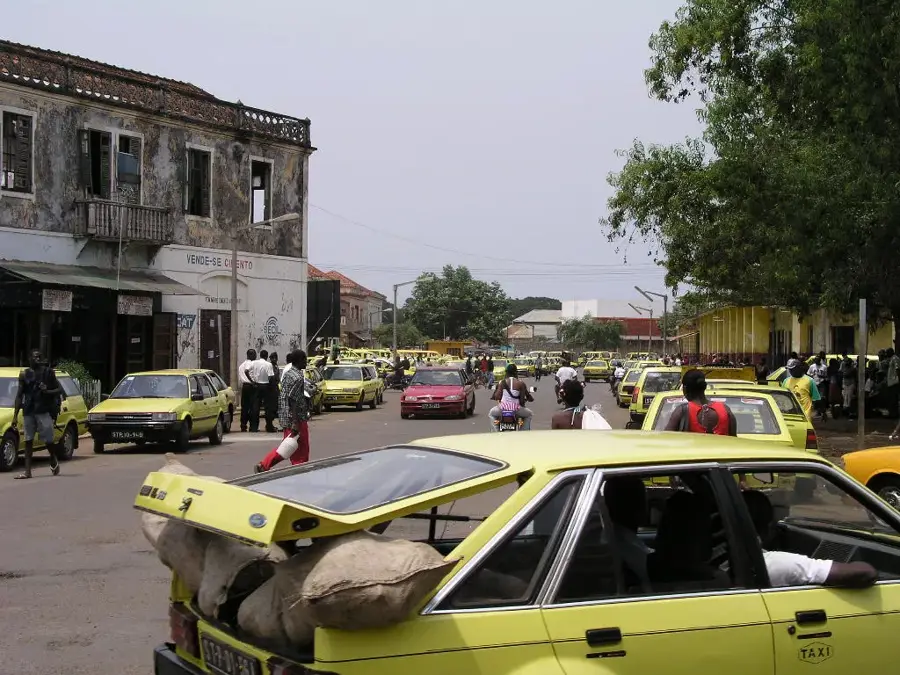
Independence Square Playground
The playground at Independence Square in São Tomé is a favorite spot for urban families where children can play in a safe environment.
Learn more →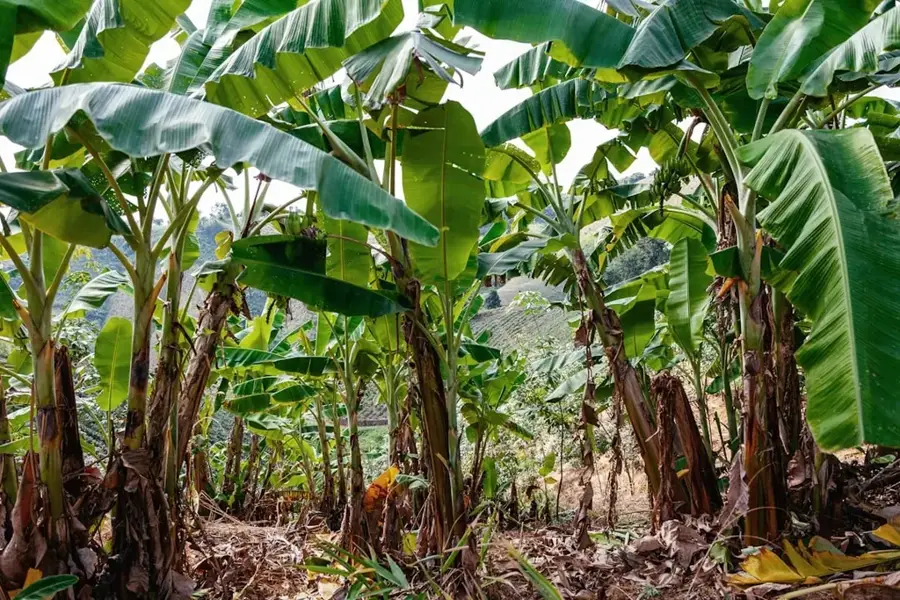
Generosa Banana Plantation
The Generosa banana plantation in the west of the island is a prime example of the sustainable cultivation of various banana varieties.
Learn more →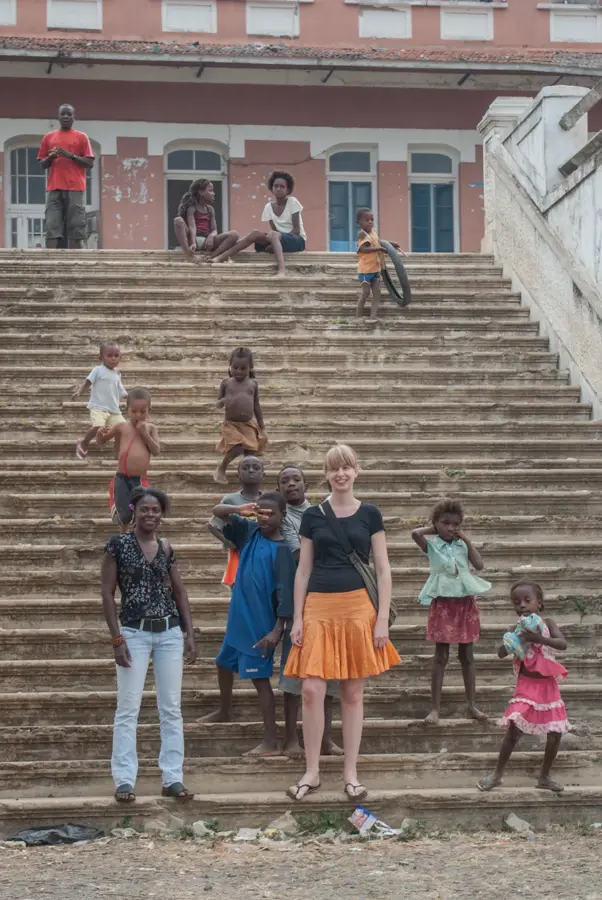
Morro Peixe Turtle Camp
The Morro Peixe Turtle Camp is a dedicated conservation center on the northwestern coast run by the local community.
Learn more →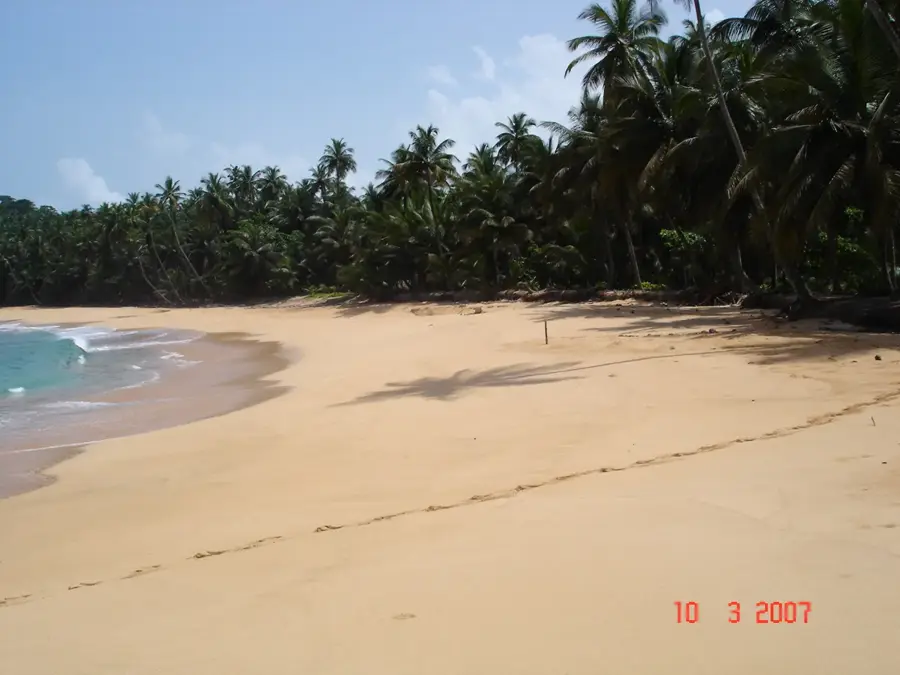
Praia Jalé
Praia Jalé is a wild, natural beach in the deep south, world-renowned for its ecological significance.
Learn more →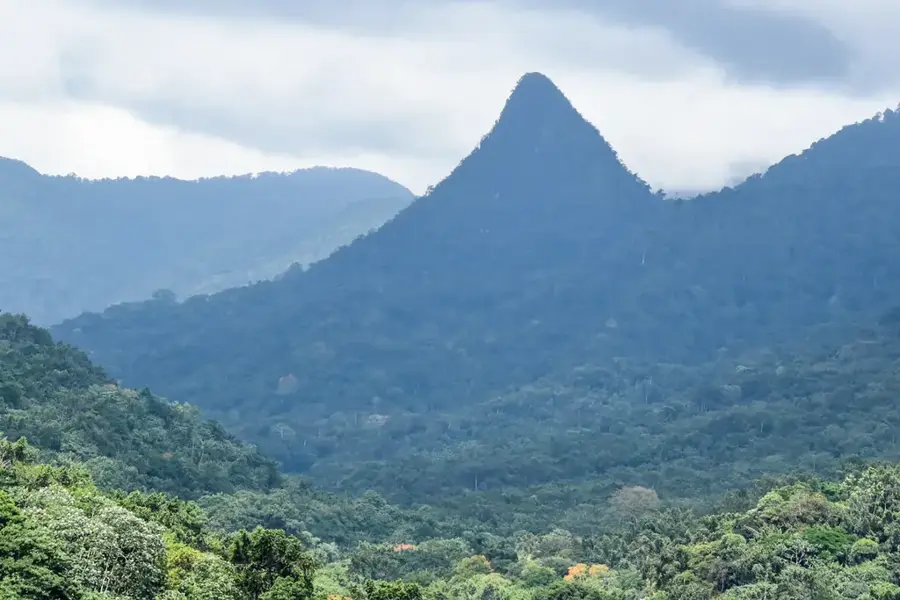
Obô National Park
Obô National Park protects the archipelago's most valuable rainforests and is a hotspot of biodiversity.
Learn more →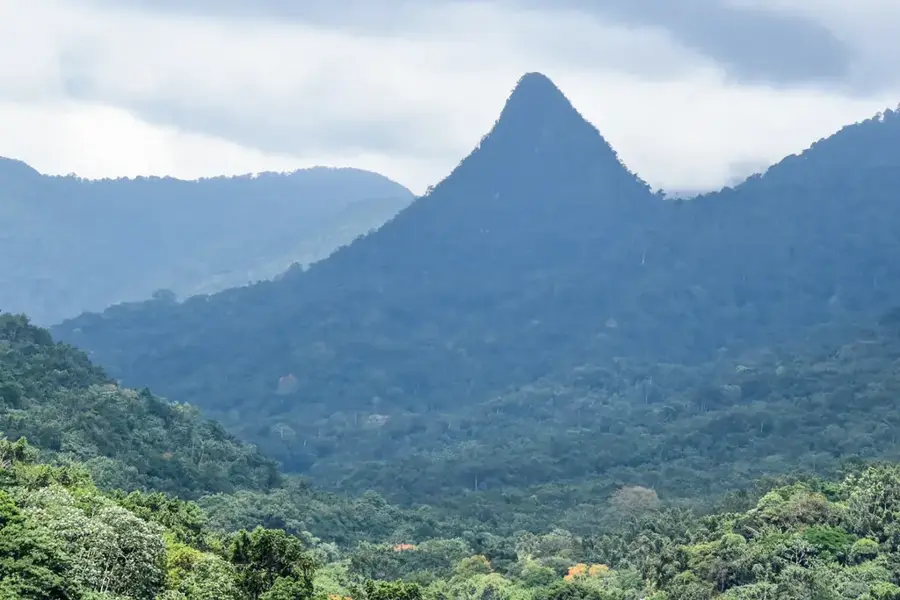
São Tomé Volcanic Massif
The central volcanic massif is the geological backbone of São Tomé island.
Learn more →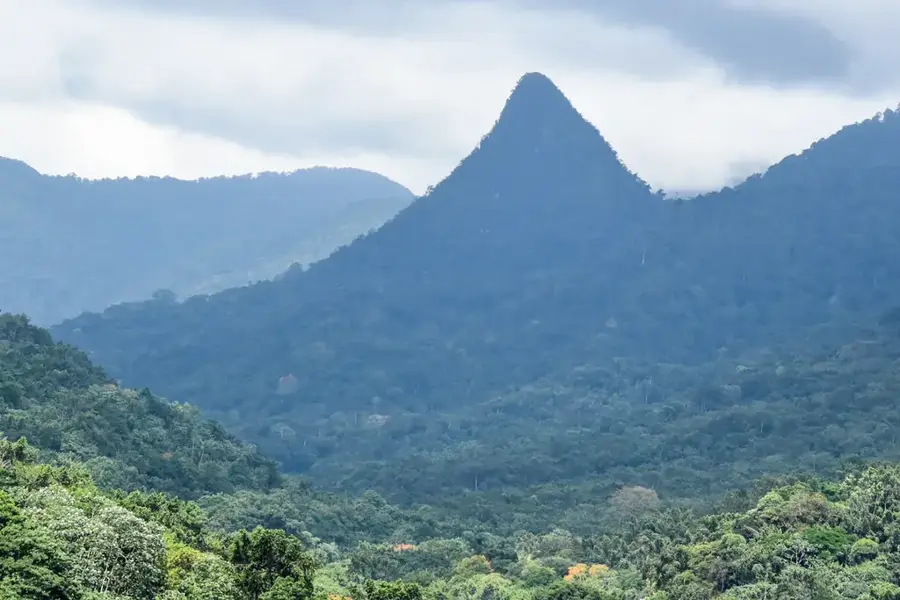
Mé-Zóchi Cloud Forest
In the higher elevations of the Mé-Zóchi district lies the mysterious cloud forest.
Learn more →
Porto Alegre Mangrove
In the far south of São Tomé, near Porto Alegre, extensive mangrove swamps stretch out.
Learn more →Frequently asked questions
What are the top attractions in São Tomé & Príncipe?
Among the most popular are Agostinho Neto Educational Farm, Lagoa Amélia, Ribeira Peixe Oil Palm Center, Diogo Vaz Cocoa Farm, Neves Adventure Playground and many more – the full top 50 list is on this page.
When is the best time to visit São Tomé & Príncipe?
May to October offers the most pleasant weather; July and August are warmest and busiest.