Attractions in Moldova
The finest attractions in Moldova at a glance: castles, natural wonders, historic old towns and more. Each place links to a detailed page with map, tips and photos.
Culture & History
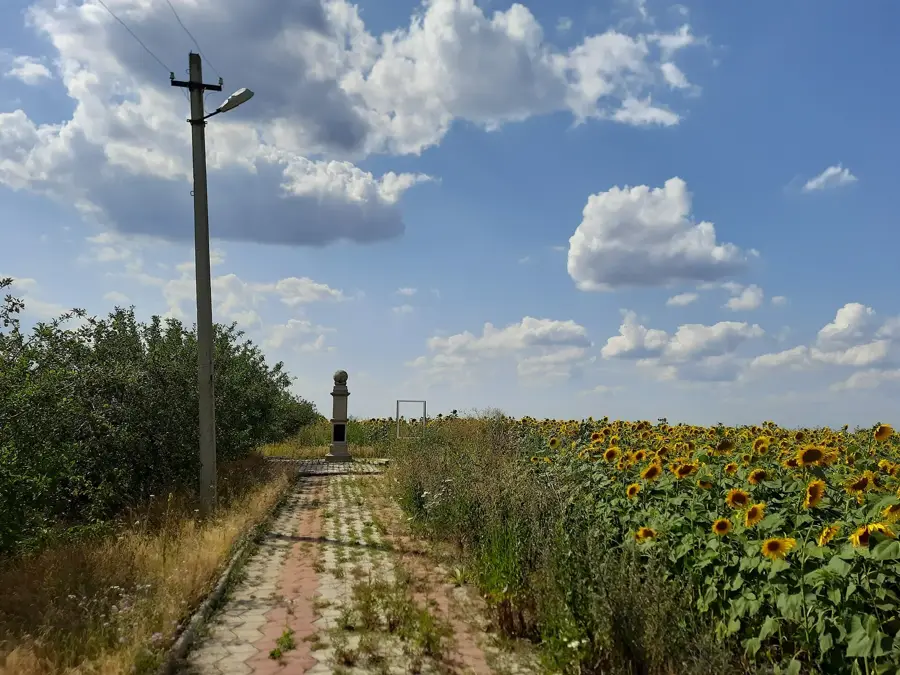
Struve Geodetic Arc (Rudi)
The Struve Geodetic Arc in Rudi is the only UNESCO World Heritage site in Moldova.
Learn more →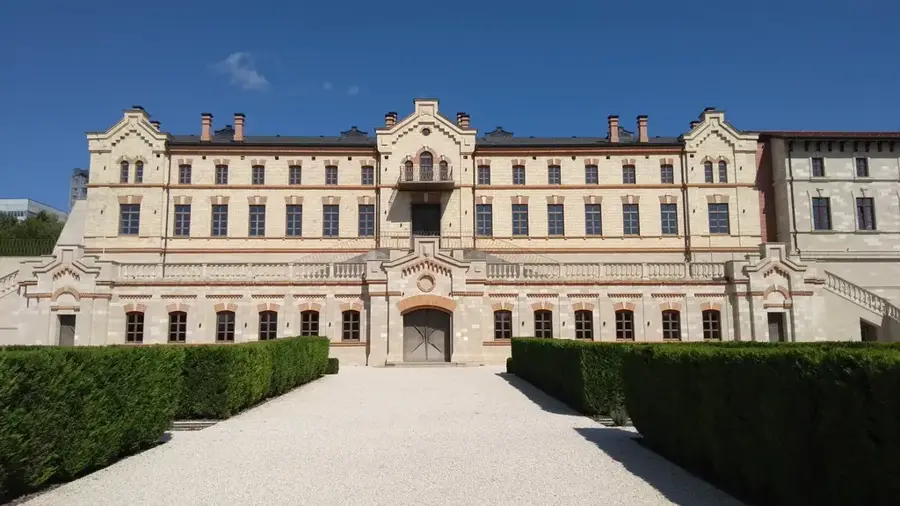
Mimi Castle
Mimi Castle is the first wine castle in Moldova, built in 1893 by Constantin Mimi.
Learn more →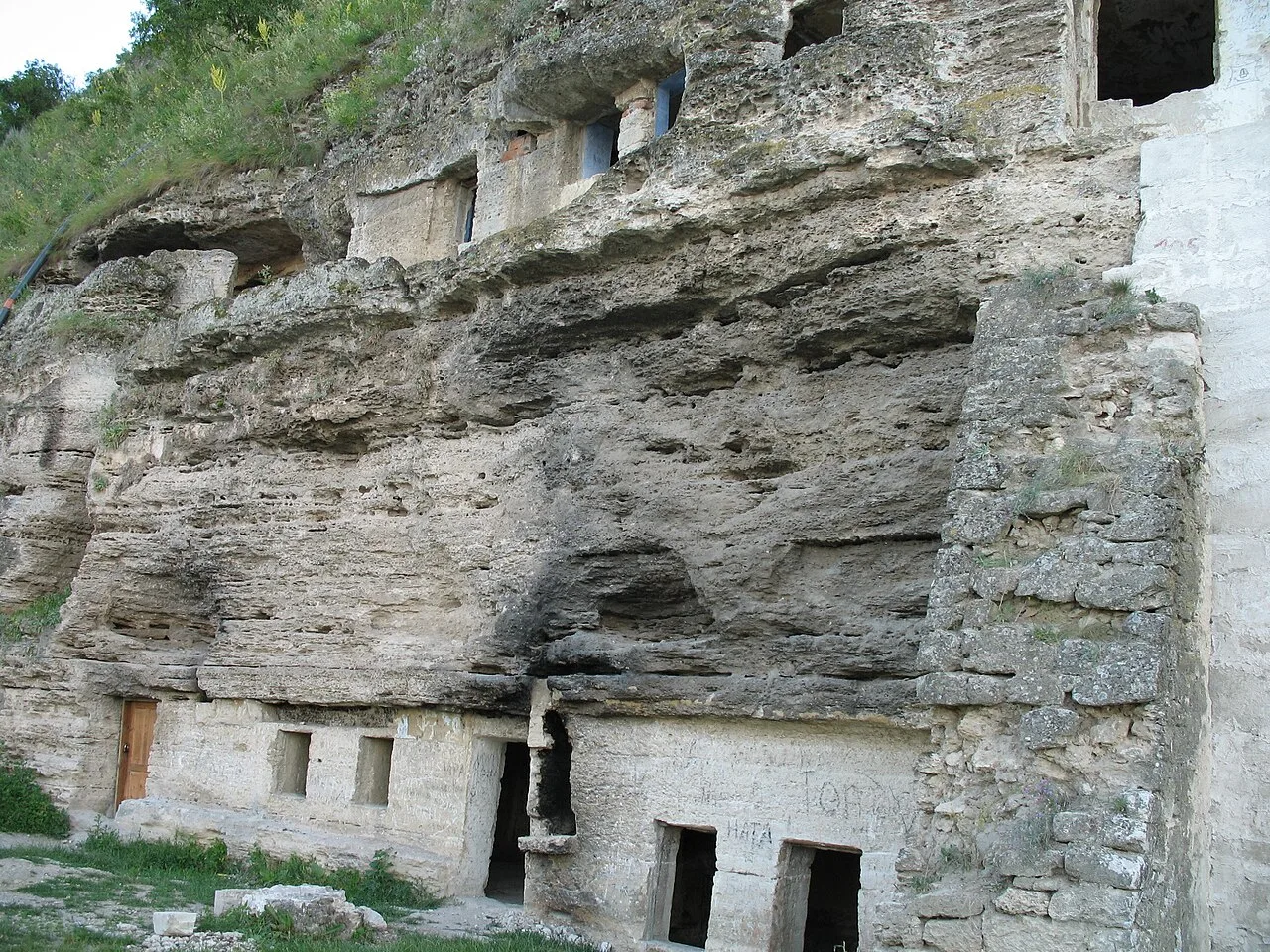
Țipova Cliffs
The Țipova Cliffs rise majestically above the Dniester, forming one of the most impressive rocky landscapes in Moldova.
Learn more →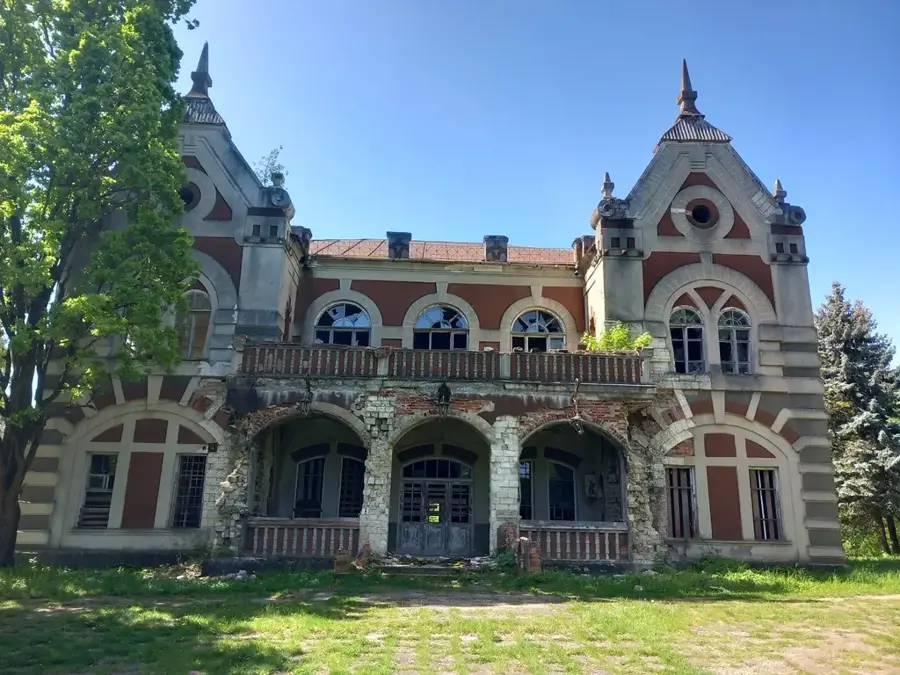
Pommer Mansion (Țaul)
The Pommer Mansion is located within the largest landscape park in Moldova.
Learn more →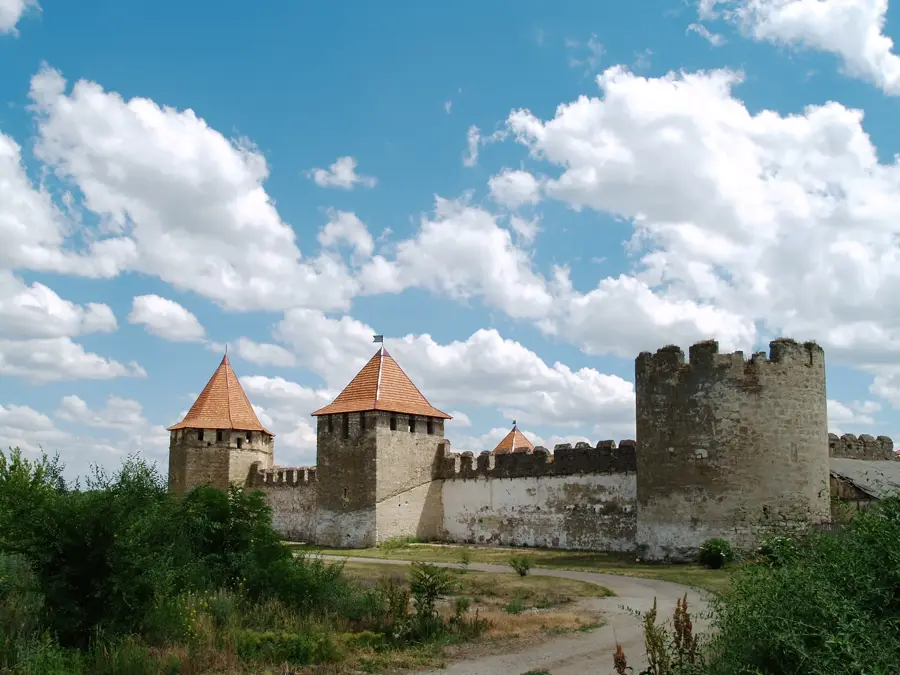
Bender Fortress (Tighina)
Bender Fortress is a massive 16th-century Ottoman fortification located on the right bank of the Dniester River.
Learn more →
Prut Toltry
The Prut Toltry are a chain of limestone hills in northwestern Moldova, formed millions of years ago as coral reefs.
Learn more →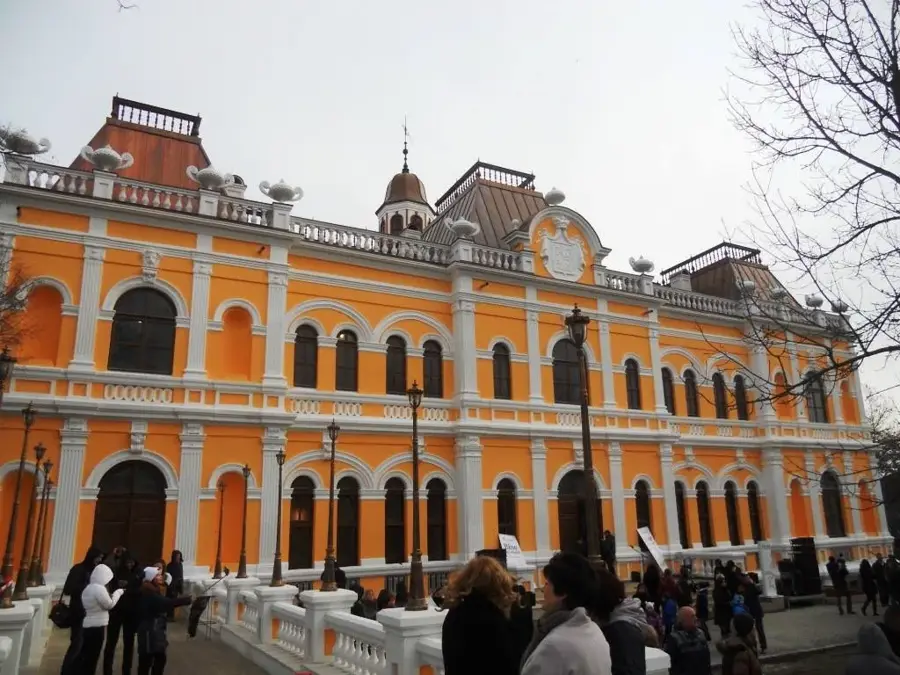
Manuc Bey Mansion
Manuc Bey Mansion in Hîncești is a splendid architectural ensemble designed in the French Classicism style.
Learn more →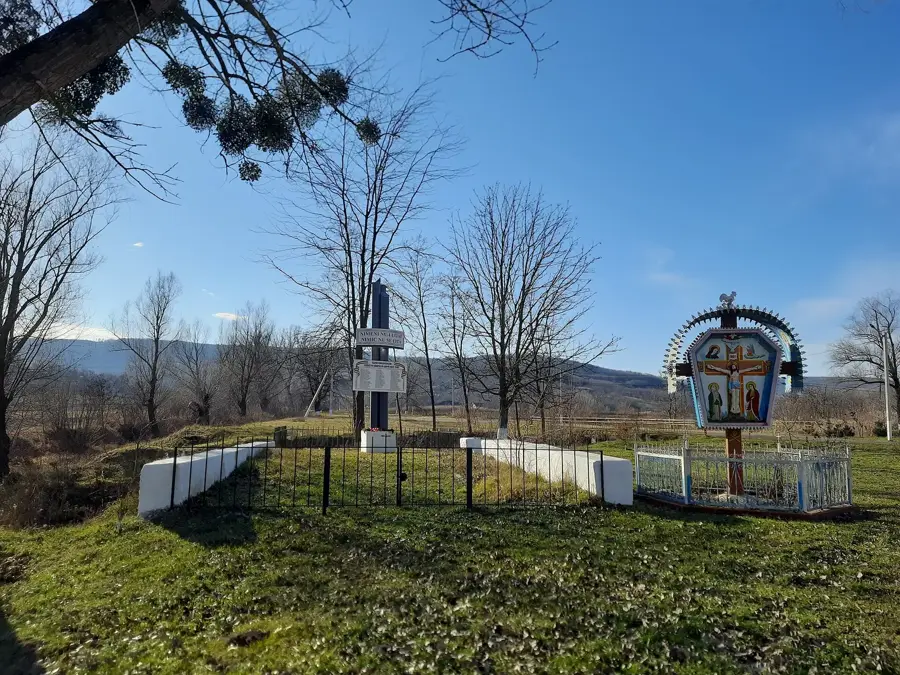
Codru Highlands
The Codru Highlands form the geographical center of Moldova, characterized by highly fragmented hills and deep valleys.
Learn more →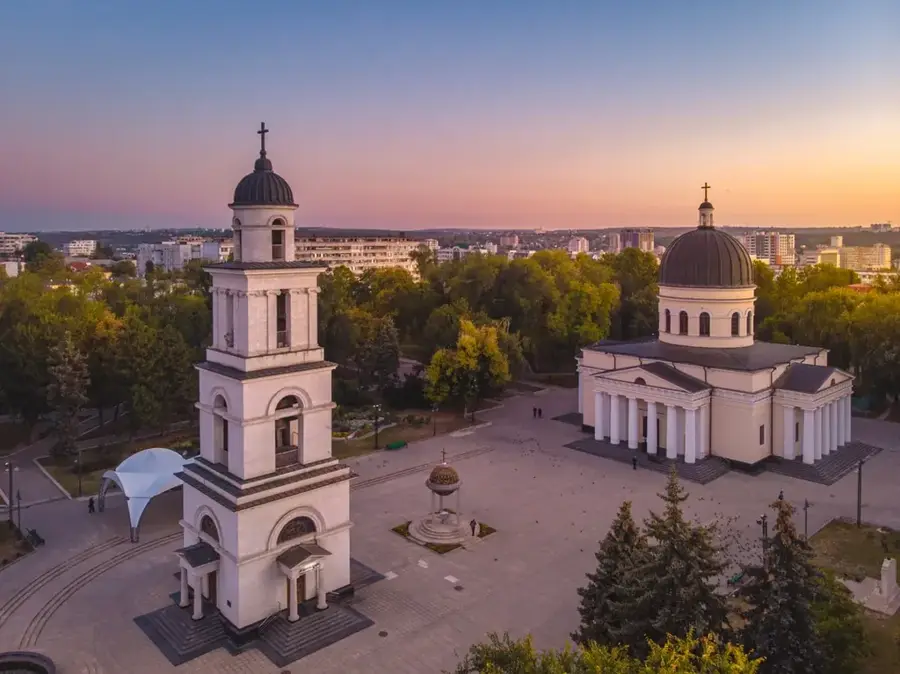
Nativity Cathedral (Chișinău)
The Metropolitan Cathedral in Chișinău is the city's primary Orthodox place of worship.
Learn more →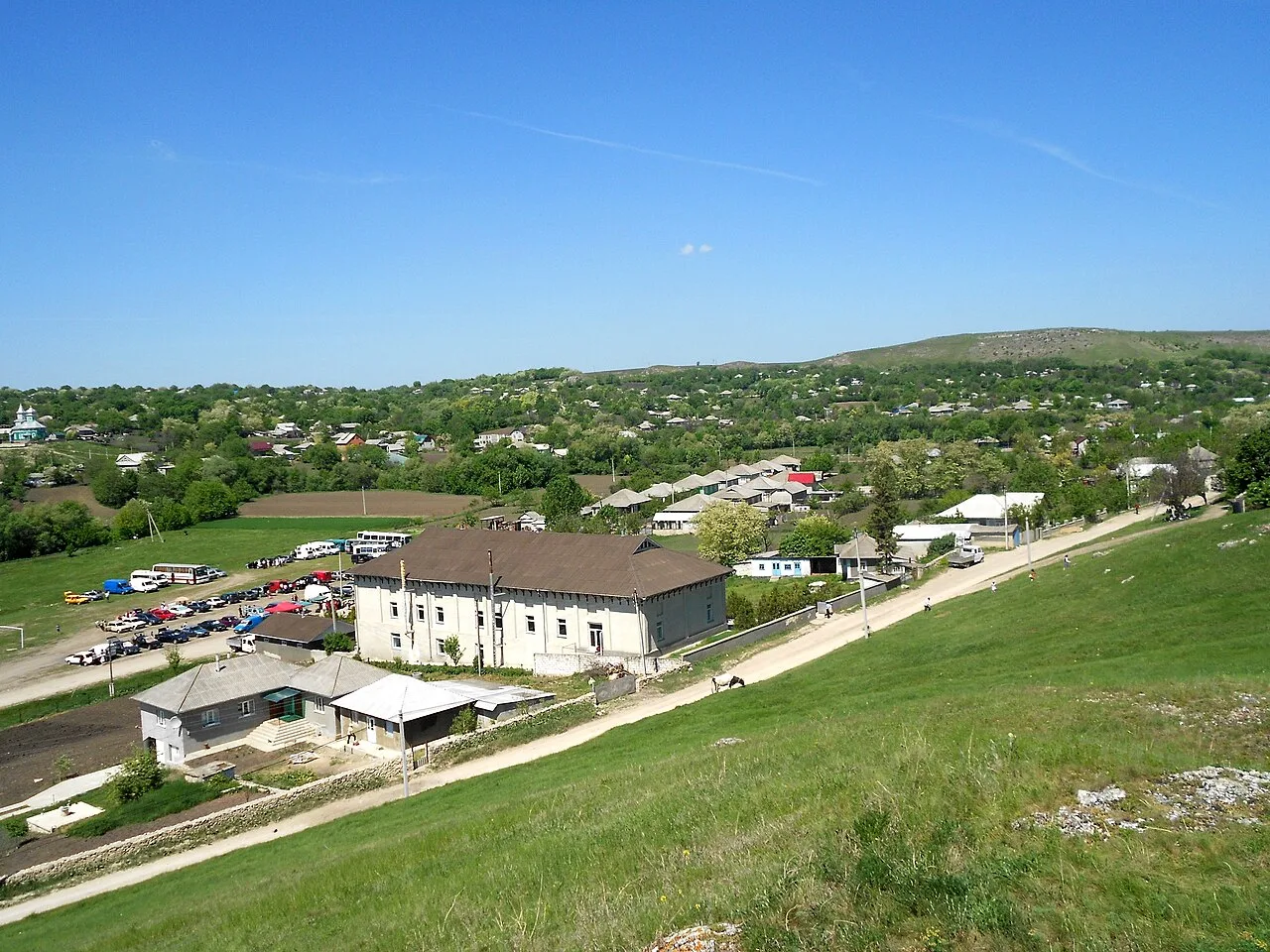
Moldavian Switzerland (Fetești)
The area around Fetești village is nicknamed 'Moldavian Switzerland' due to its dramatic limestone formations and deep valleys.
Learn more →
Bălți Steppe
The Bălți Steppe is a hilly plain in northern Moldova, famous for its fertile chernozem soils.
Learn more →
The Hundred Hills
The Hundred Hills (Suta de Movile) is a unique geological phenomenon on the banks of the Prut.
Learn more →
Lăpușna Hills
The Lăpușna Hills are part of the southwestern Codru Highlands.
Learn more →
Ciuluc-Soloneț Hills
The Ciuluc-Soloneț Hills are located between the Bălți Steppe and the Dniester Plateau.
Learn more →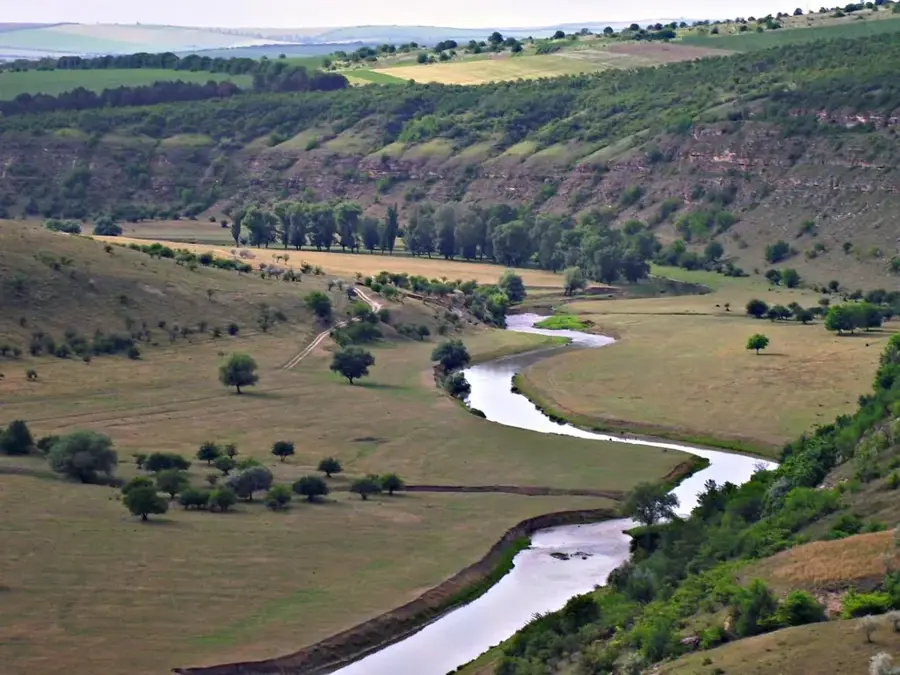
Cogâlnic Plain
The Cogâlnic Plain stretches across the south-central part of Moldova.
Learn more →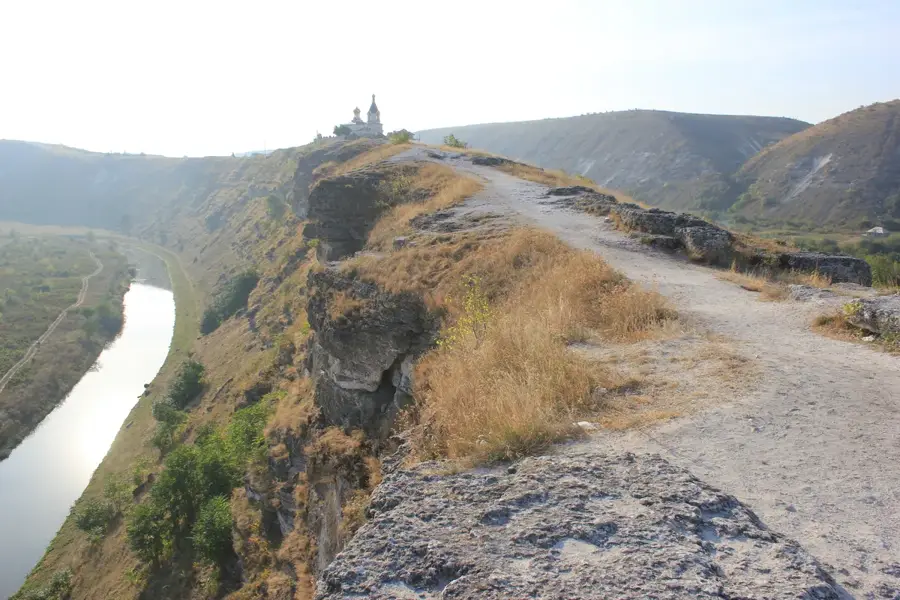
Old Orhei Cave Monastery
The cave monastery is part of an archaeological complex carved into limestone cliffs overlooking the Răut River.
Learn more →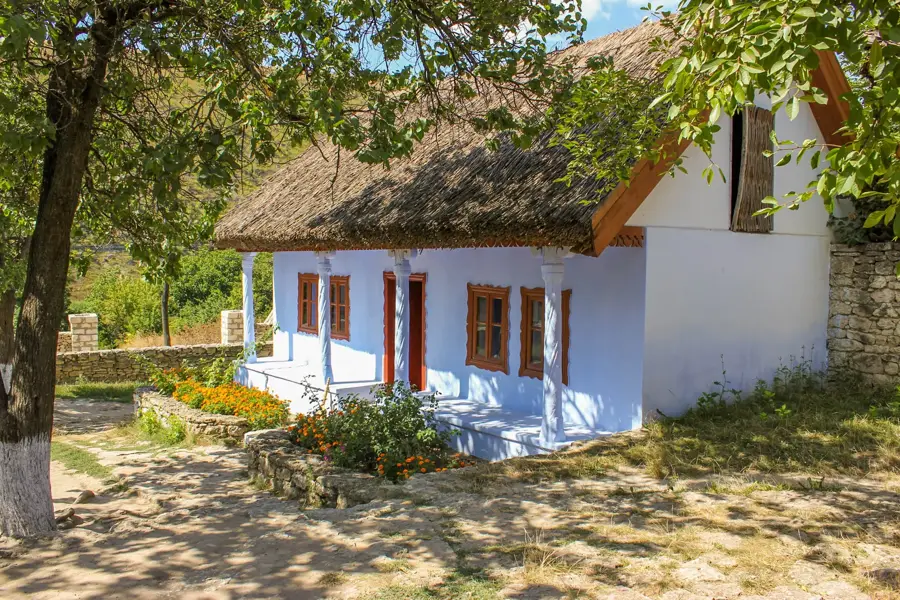
Trebujeni
A picturesque village in the Răut valley that, along with Butuceni, forms the historical heart of Orheiul Vechi, known for its traditional rural life…
Learn more →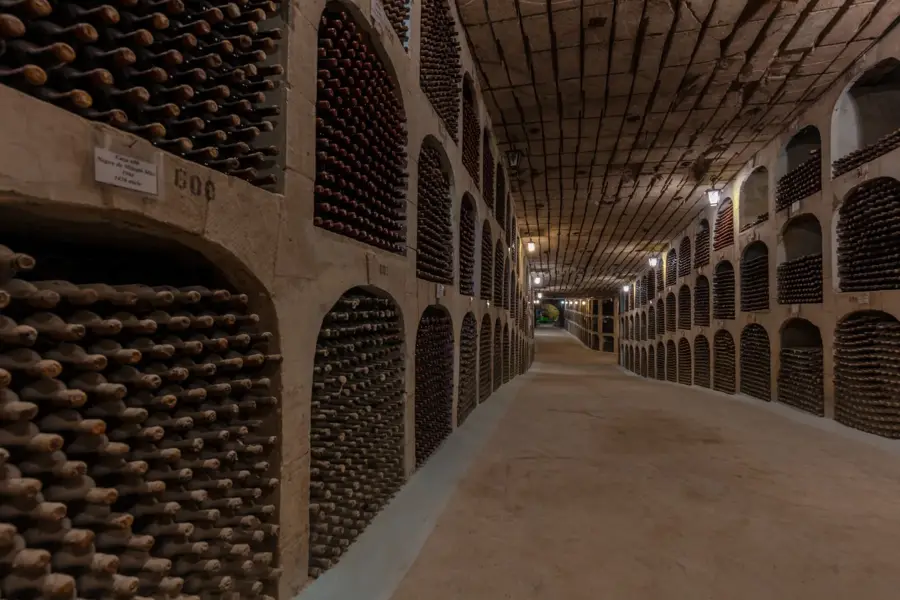
Mileștii Mici
Home to the world's largest wine cellar according to Guinness World Records, featuring over 200 kilometers of underground limestone tunnels.
Learn more →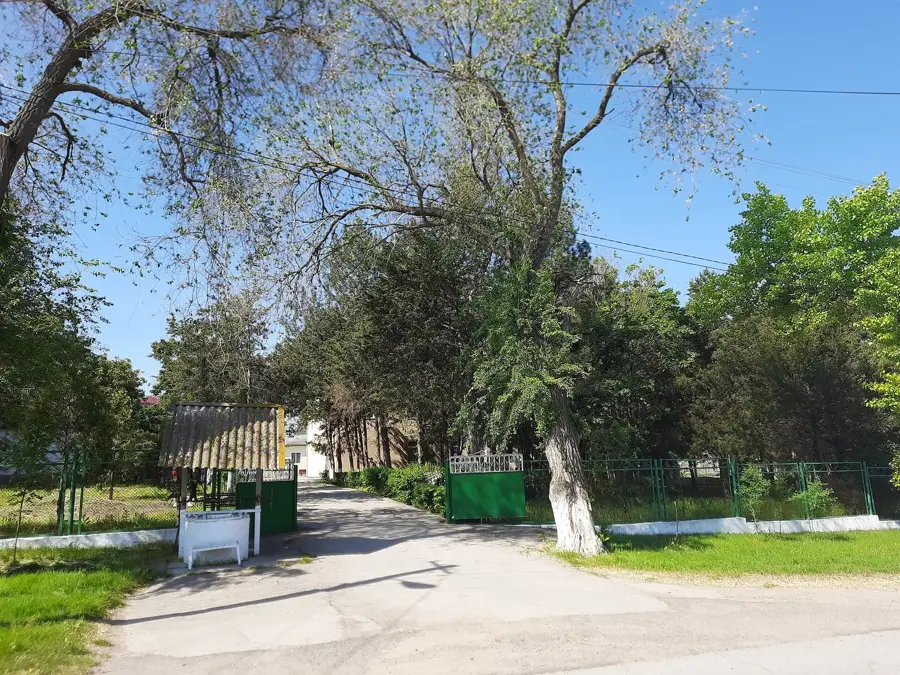
Bulboaca (Castel Mimi)
A magnificent architectural monument and one of the world's most modern wineries, housed in a late 19th-century castle.
Learn more →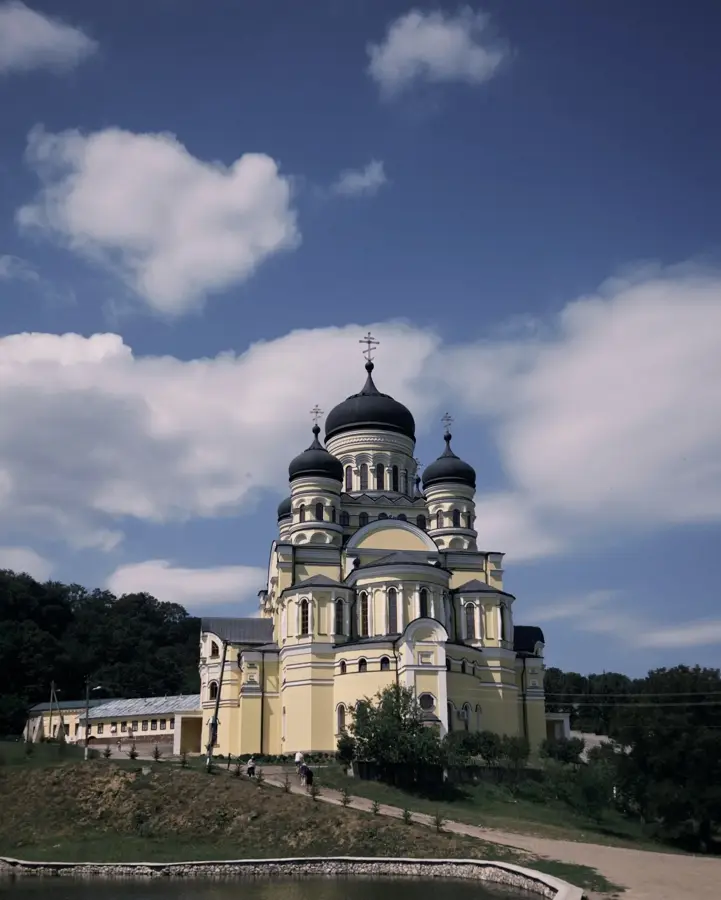
Hâncu Monastery
Hâncu Monastery was founded in 1678 by boyar Mihail Hâncu as a nunnery.
Learn more →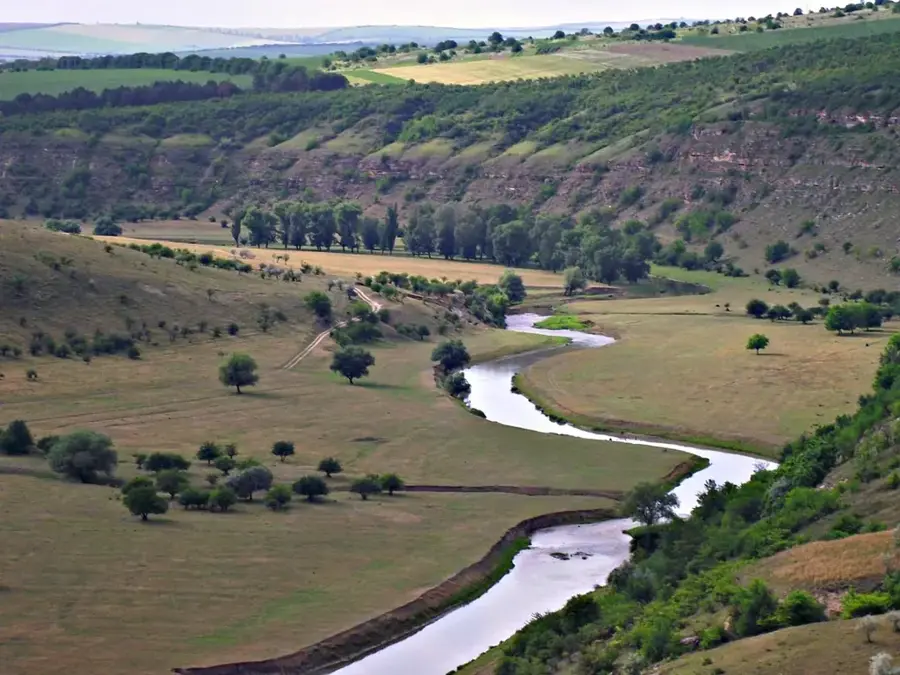
Jeloboc Spring
Jeloboc Spring is the largest natural water source in Moldova.
Learn more →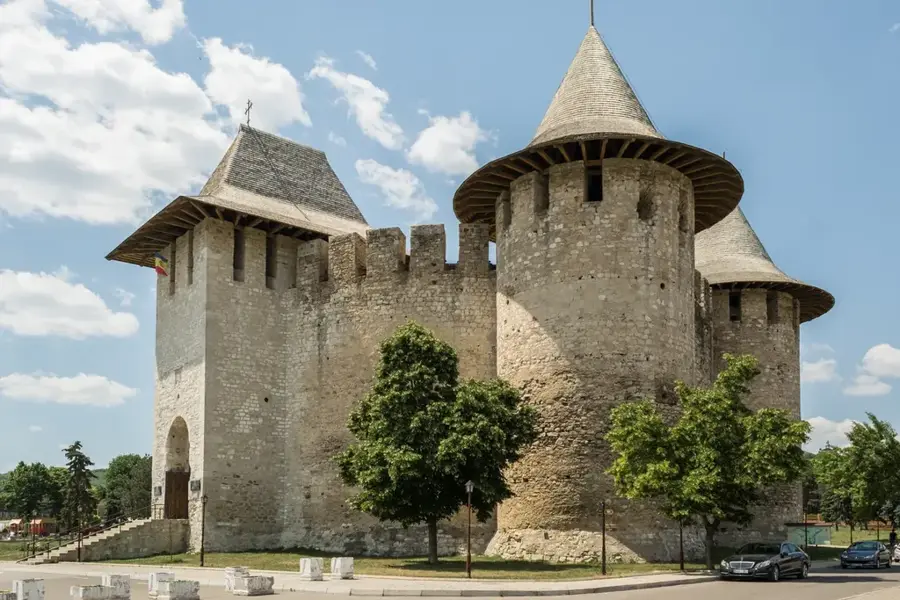
Soroca Fortress
A perfectly circular medieval fortress on the banks of the Dniester, built in the 15th century for defense against invasions.
Learn more →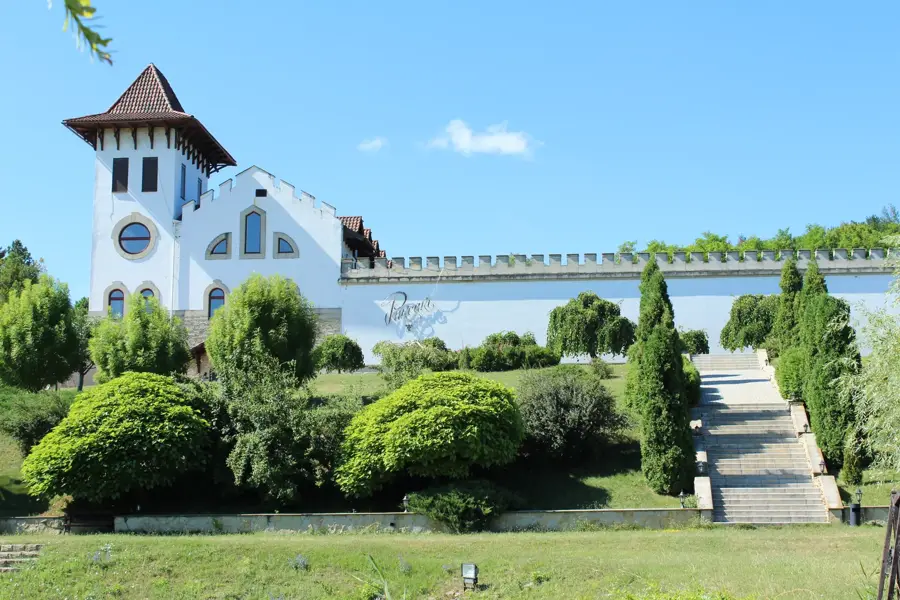
Purcari
A world-renowned winery established in 1827, famous for its award-winning wines and historic underground cellars.
Learn more →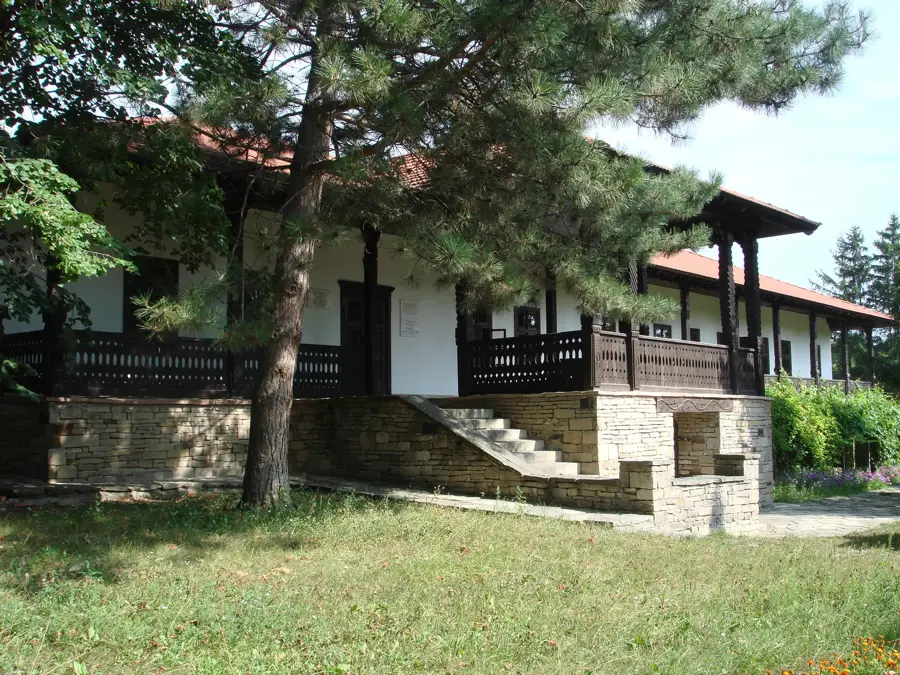
Zamfir Ralli Mansion
A historic estate in Dolna, famous as the summer residence where Russian poet Alexander Pushkin was a guest in 1821.
Learn more →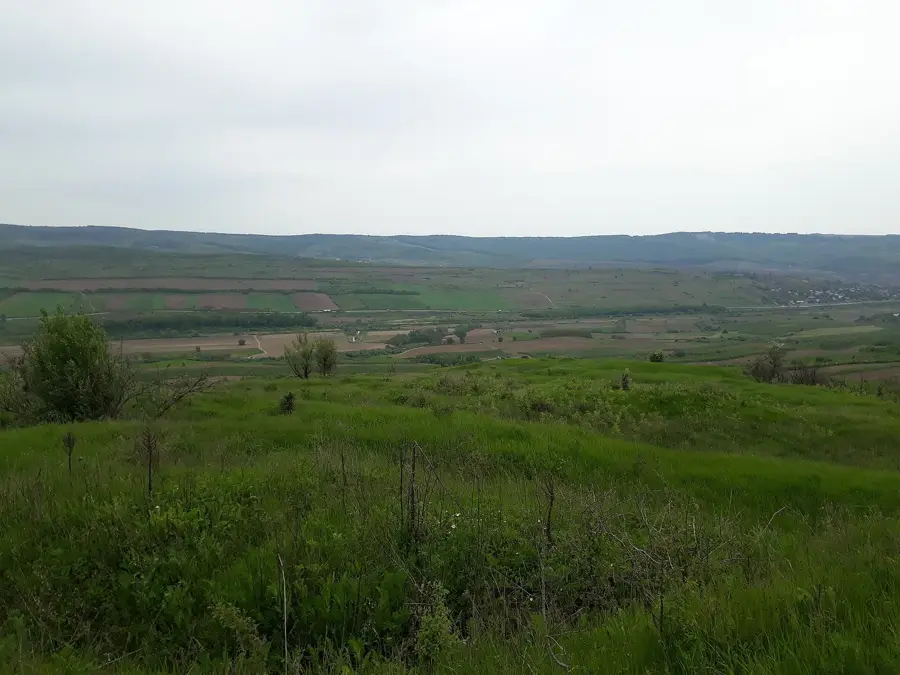
Valea Mare Mansion
Architecturally significant 19th-century mansion.
Learn more →
Codru Estate
A mansion reflecting local estate history.
Learn more →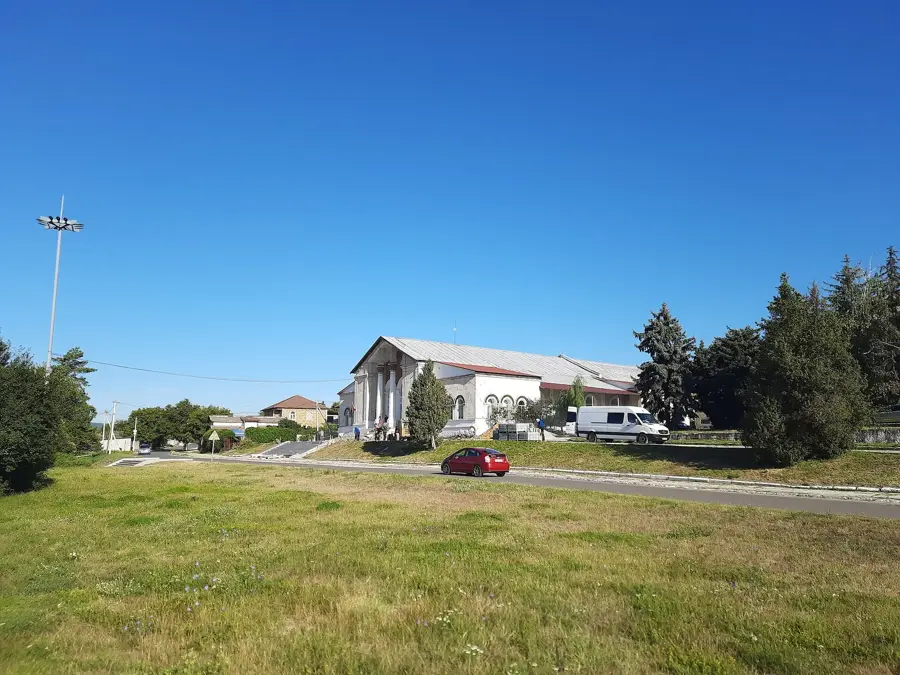
Cojușna
A significant wine-producing village near the capital, famous for its underground cellars and dessert wines.
Learn more →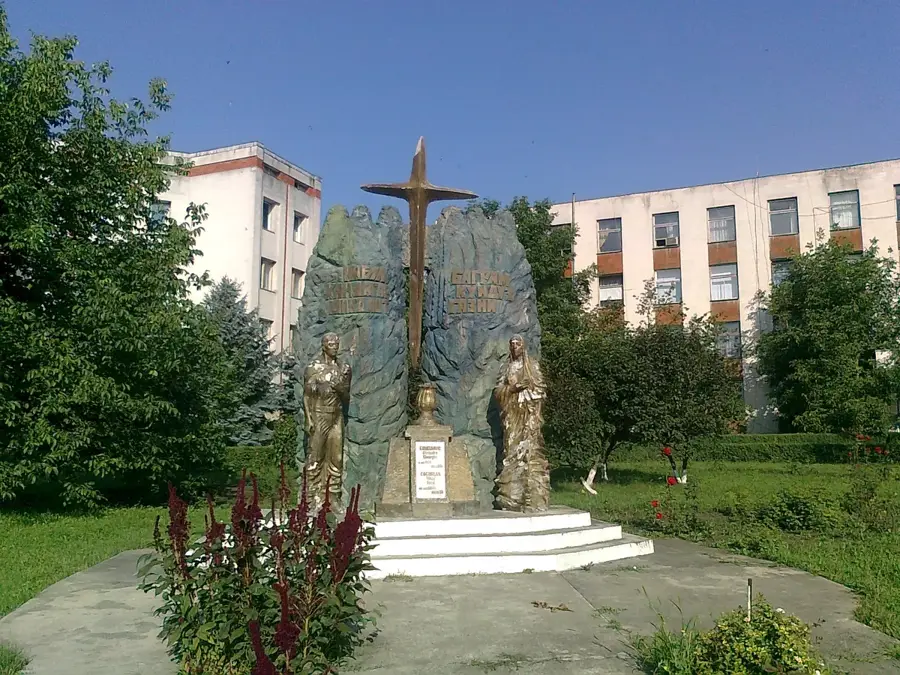
Glodeni Mansion
A well-preserved 19th-century mansion.
Learn more →Nature
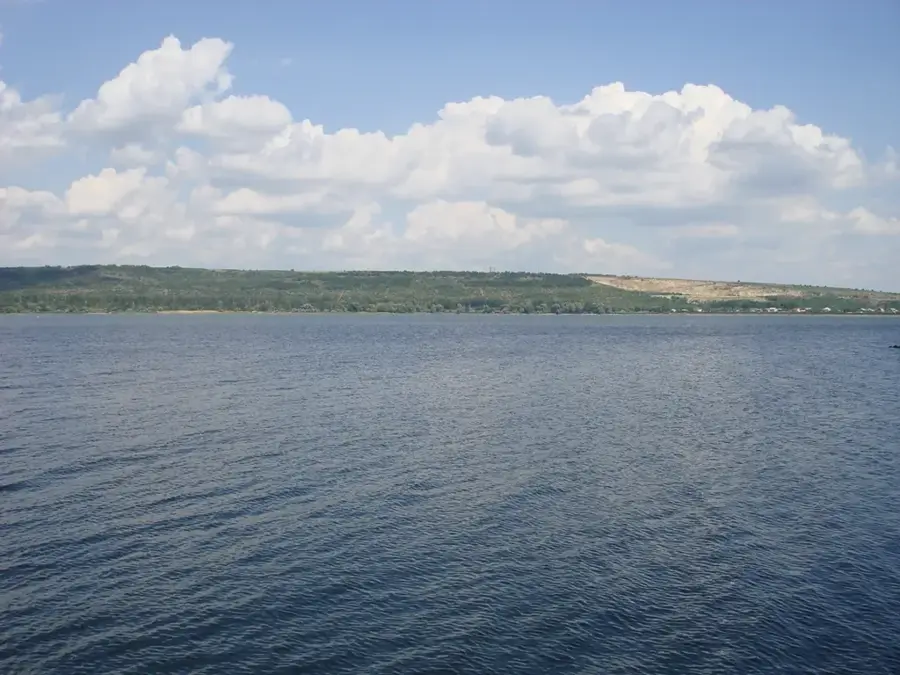
Ghidighici Reservoir
The Ghidighici Reservoir, located northwest of Chișinău, is one of the largest artificial water bodies in the country.
Learn more →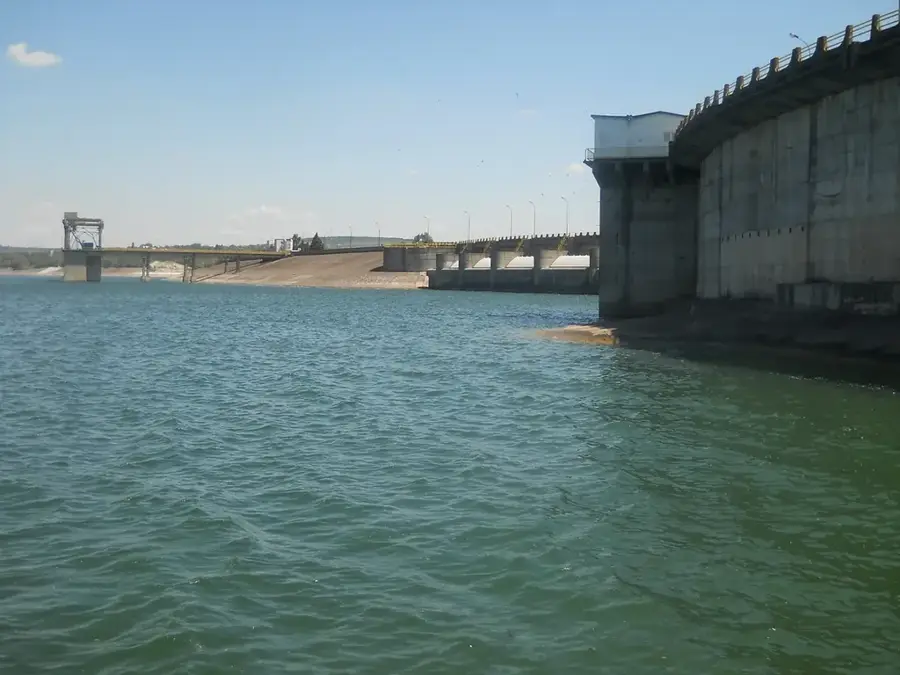
Stinca-Costesti Reservoir
The largest reservoir on the Prut river is often called the 'Moldovan sea'.
Learn more →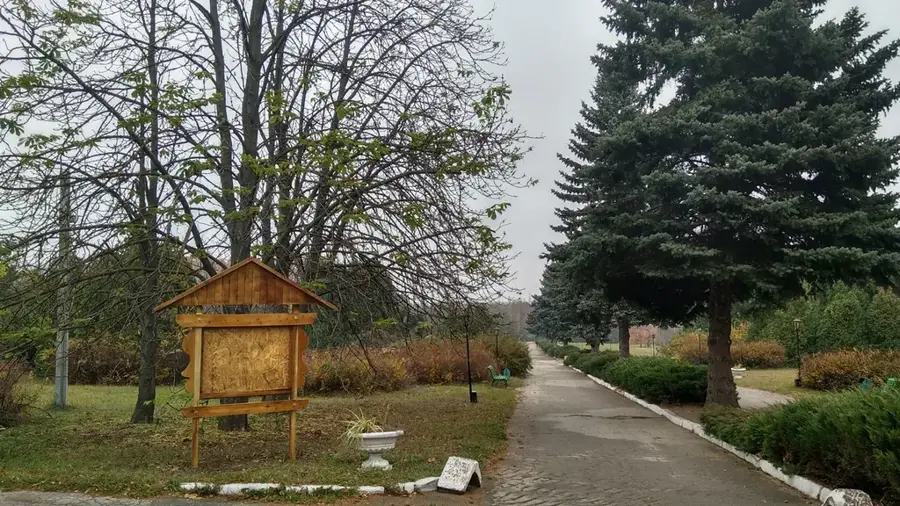
Chișinău Botanical Garden
The Chișinău Botanical Garden covers 76 hectares and features thousands of plant species from around the world.
Learn more →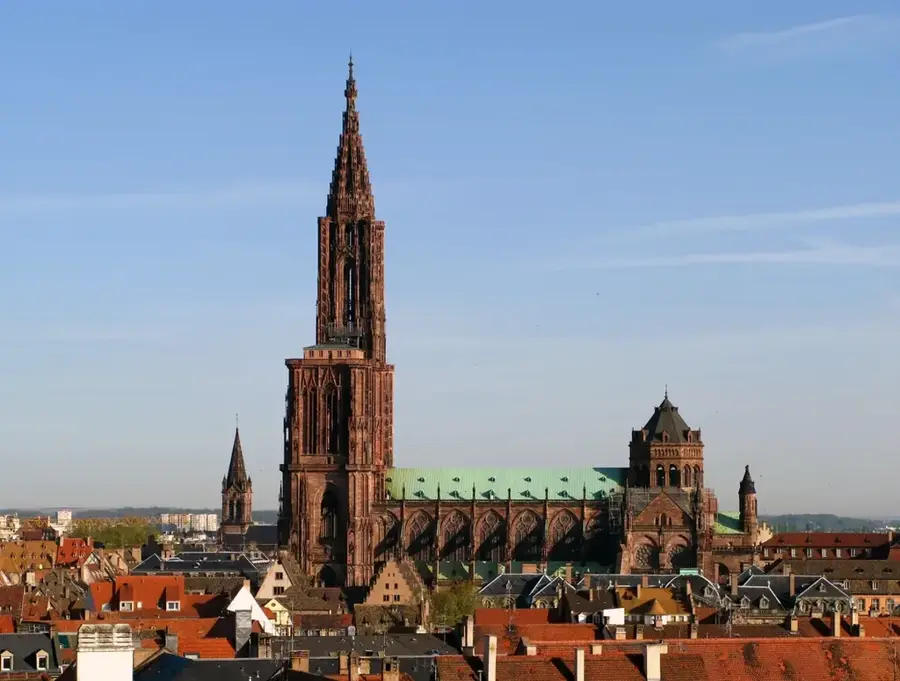
Taul Park
Taul Park is the largest dendrological park in Moldova, surrounding a historical manor house.
Learn more →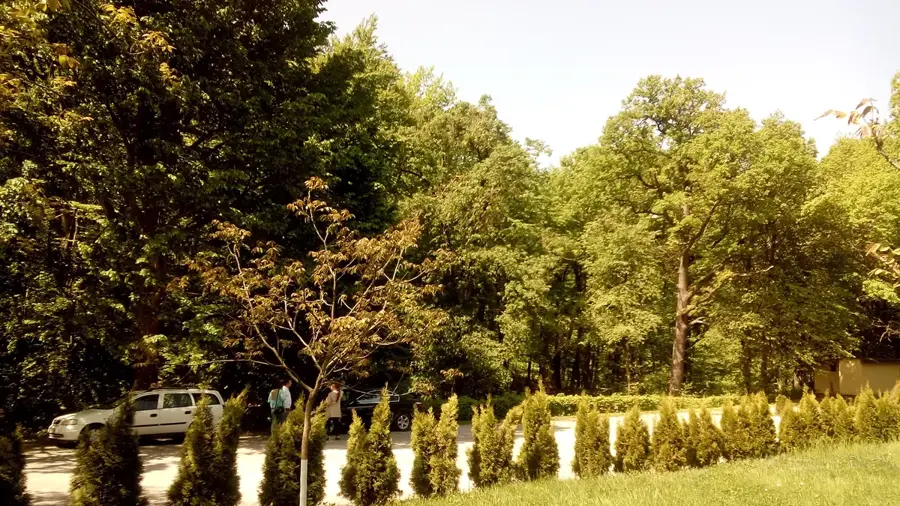
Codru Scientific Reserve
Founded in 1971, Codru Reserve is the oldest protected area in Moldova, preserving the central forest massifs of the country.
Learn more →
Royal Forest
This reserve along the Prut River is famous for its centuries-old oak forests and the reintroduction of European bison.
Learn more →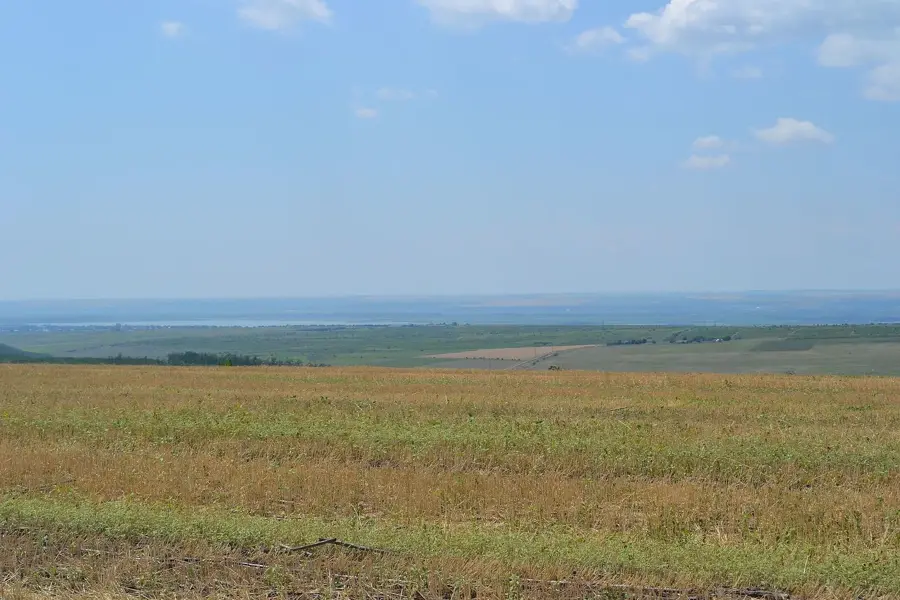
Beleu Lake
Beleu Lake is a relict lake in the Prut valley and the heart of the Lower Prut Reserve.
Learn more →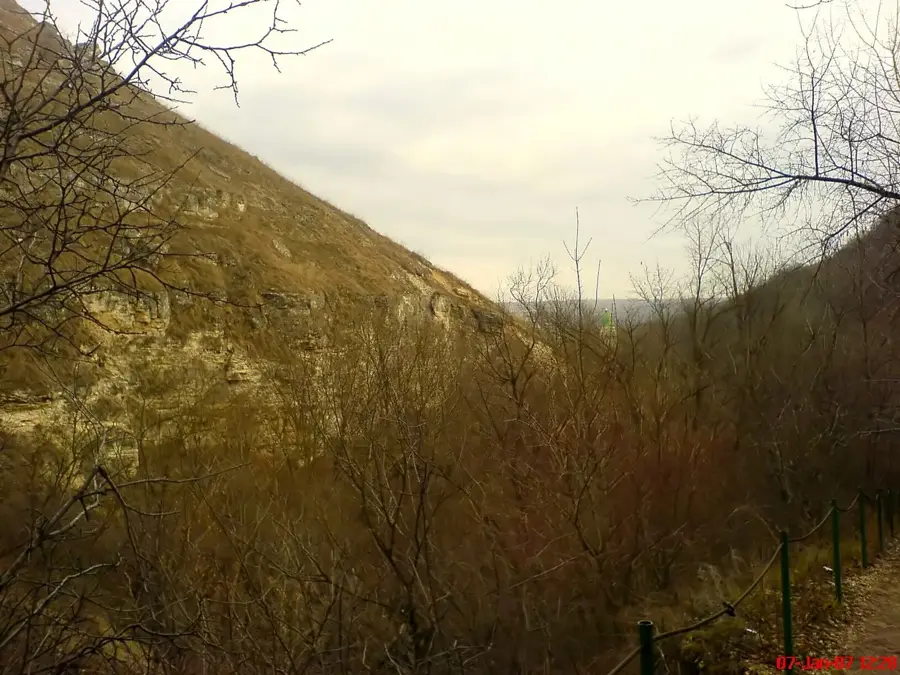
Saharna Landscape Reserve
Saharna is famous for its deep gorges, waterfalls, and rich biodiversity within the limestone cliffs along the Dniester.
Learn more →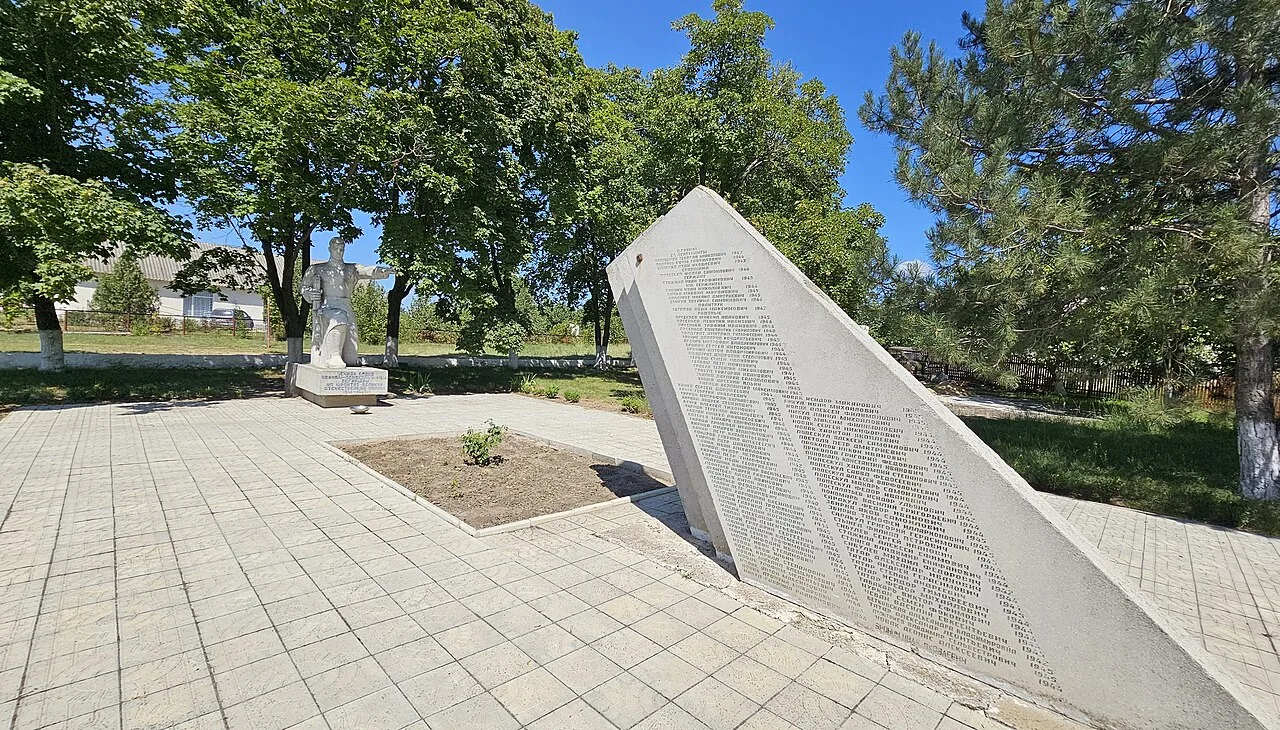
Iagorlic Scientific Reserve
Iagorlic is an aquatic reserve located at the mouth of the river of the same name into the Dniester.
Learn more →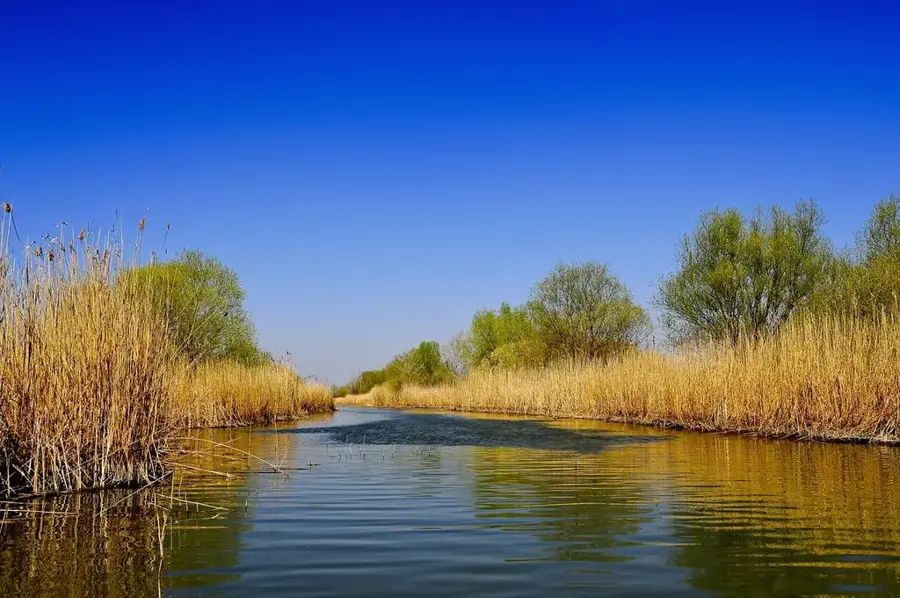
Lower Dniester National Park
This Ramsar site in southeastern Moldova protects the floodplain ecosystems of the Lower Dniester.
Learn more →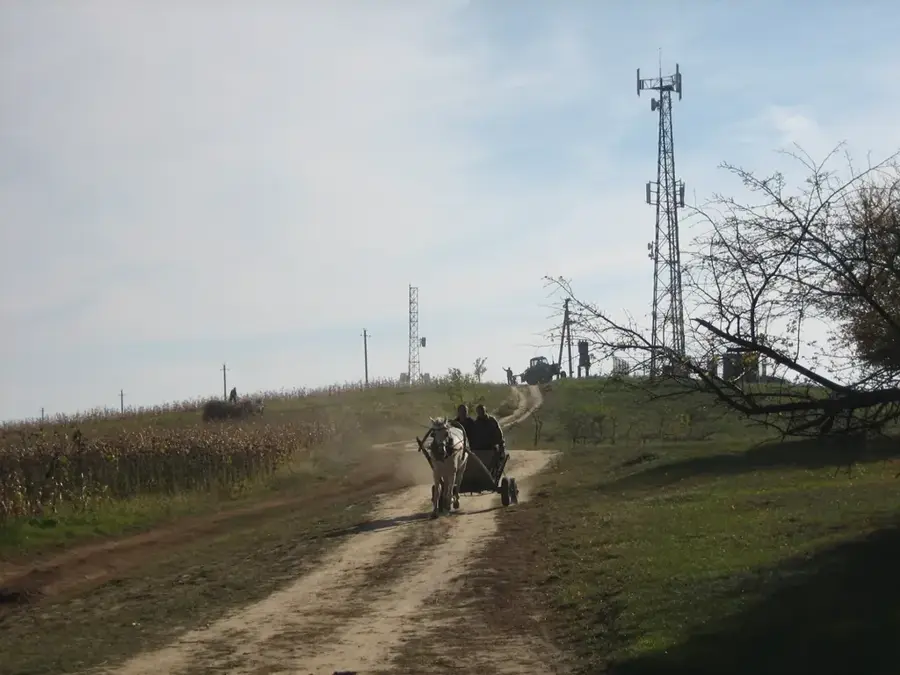
Balanesti Hill
The highest point in Moldova rises in the central part of the country near Ungheni city.
Learn more →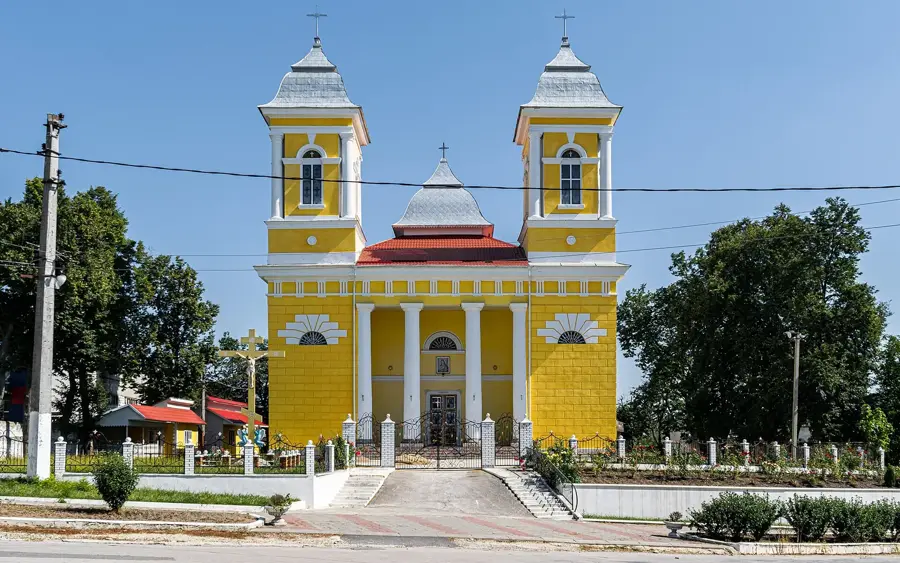
Emil Racovita Cave
One of the largest gypsum caves in the world, hosting a unique underground ecosystem.
Learn more →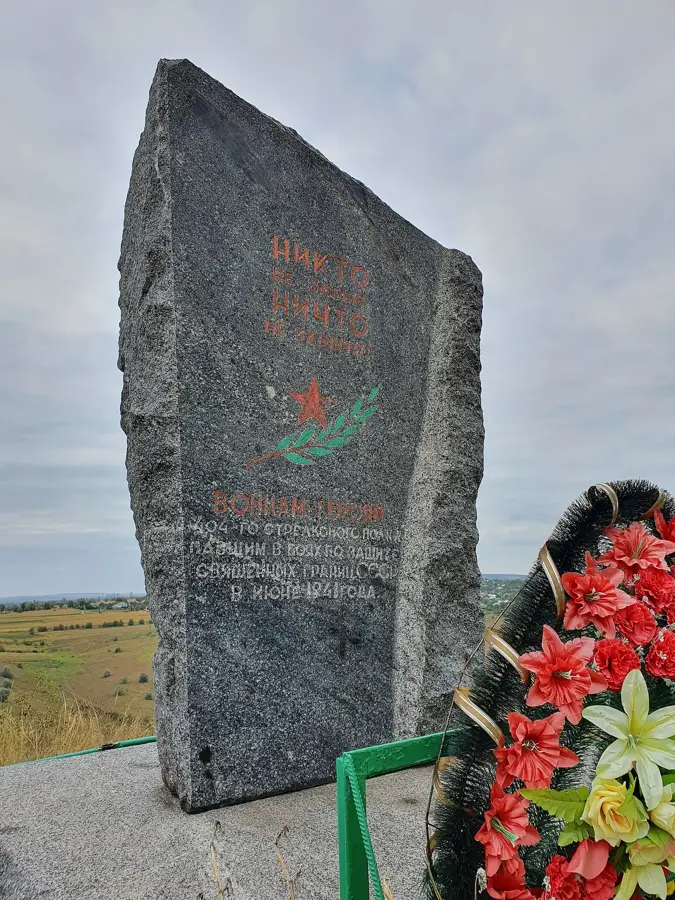
Duruitoarea Veche Gorges
These limestone gorges host important caves inhabited during the Stone Age.
Learn more →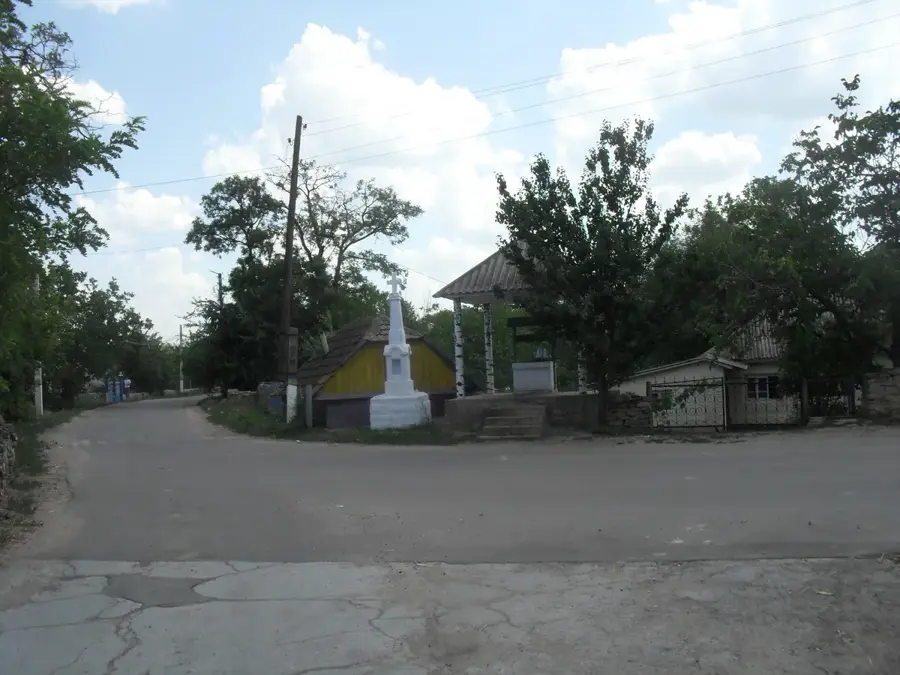
Cosauti Landscape Reserve
Cosauti is known for its geological formations along the Dniester, particularly the granite outcrops.
Learn more →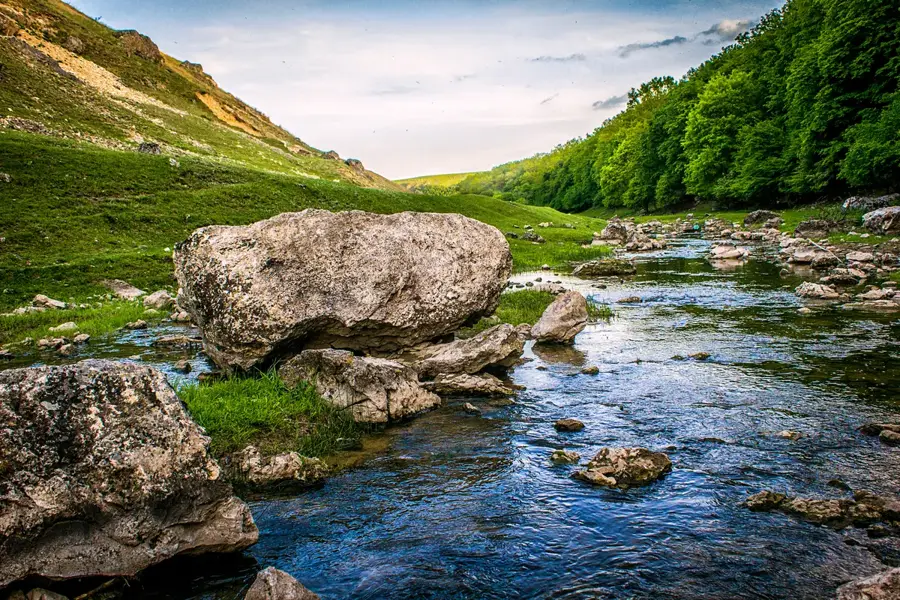
La Castel Landscape Reserve
This reserve in the Racovăț valley impresses with its massive coral reefs and deep erosion valleys.
Learn more →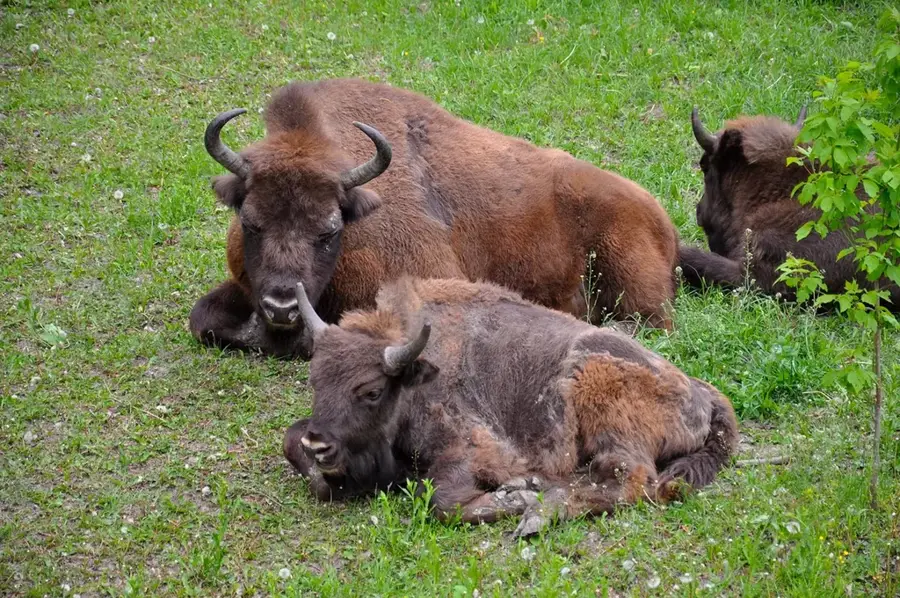
Butesti Reef
The Butesti Reef is a massive limestone formation along the Camenca River.
Learn more →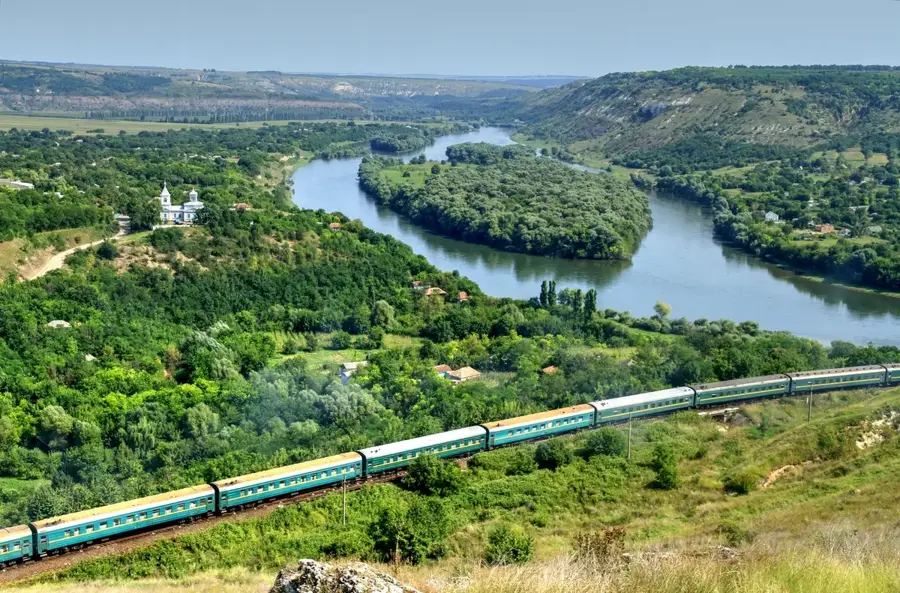
Naslavcea Hills
The Naslavcea Hills mark the northernmost point of Moldova.
Learn more →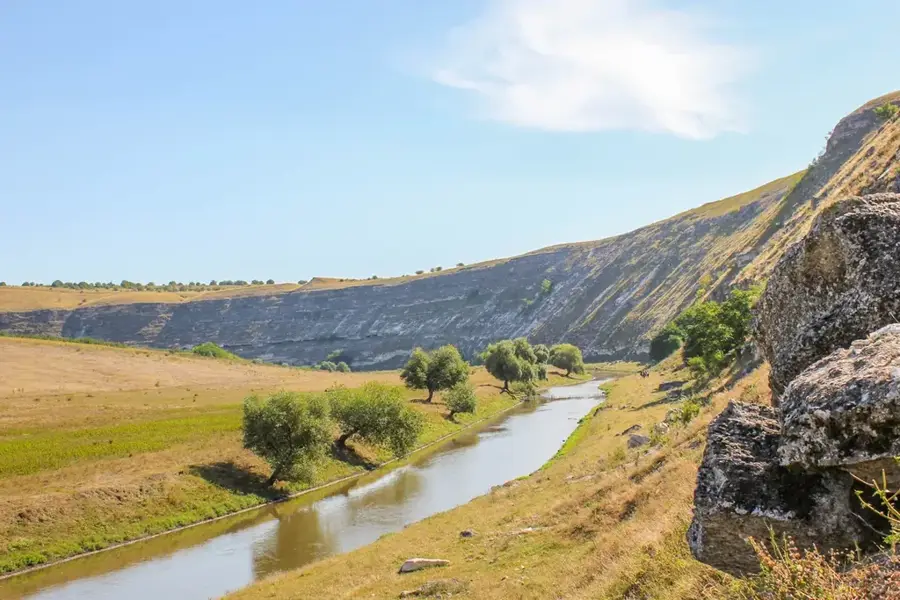
Ivancea Landscape Reserve
Ivancea encompasses forest areas and lakes near Orhei.
Learn more →Cities & Architecture
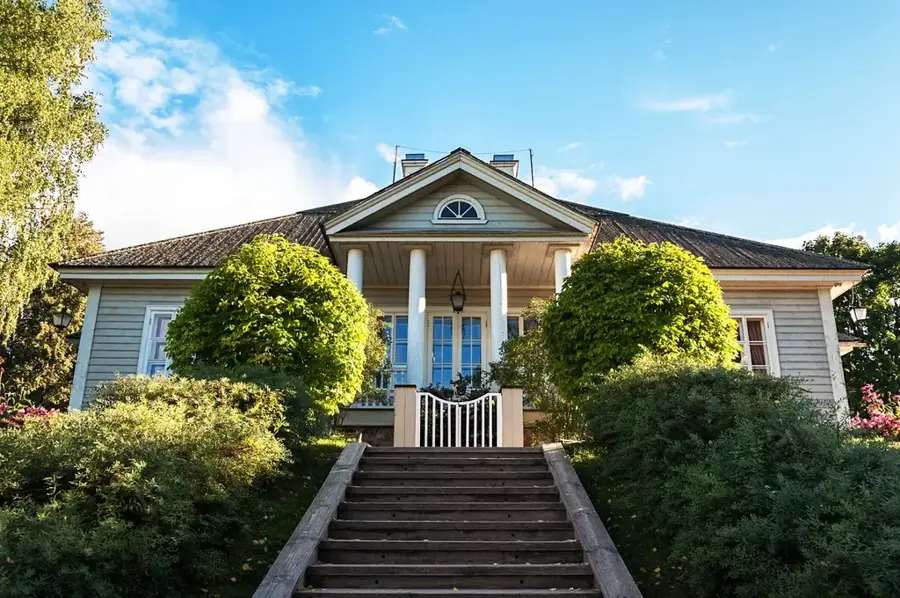
Alexander Pushkin Museum
The museum is housed in the small cottage where the Russian poet Alexander Pushkin lived during his exile in Bessarabia.
Learn more →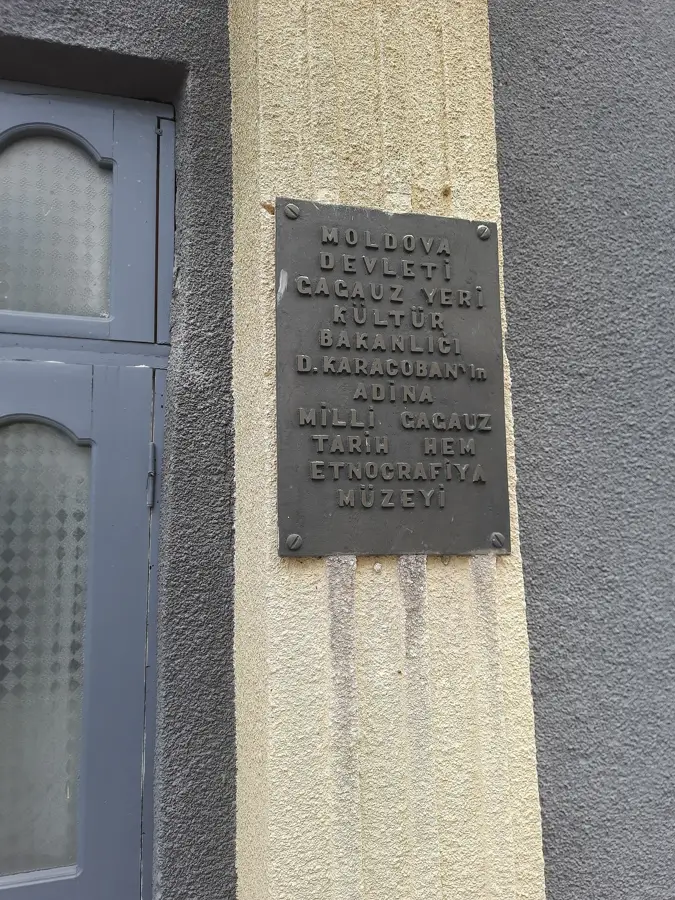
Besalma Gagauz Museum
The museum in Besalma was founded in 1966 and is the world's first museum dedicated to Gagauz culture.
Learn more →More highlights
Frequently asked questions
What are the top attractions in Moldova?
Among the most popular are Struve Geodetic Arc (Rudi), Ghidighici Reservoir, Mimi Castle, Stinca-Costesti Reservoir, Chișinău Botanical Garden and many more – the full top 50 list is on this page.
When is the best time to visit Moldova?
May to October offers the most pleasant weather; July and August are warmest and busiest.