
Cities in Guinea
The most important cities in Guinea at a glance – from the bustling metropolis to the charming small town. Each city links to a detailed page with map, attractions and travel tips.
Guéckédou
Guéckédou is located in southern Guinea near the borders with Liberia and Sierra Leone.
Learn more →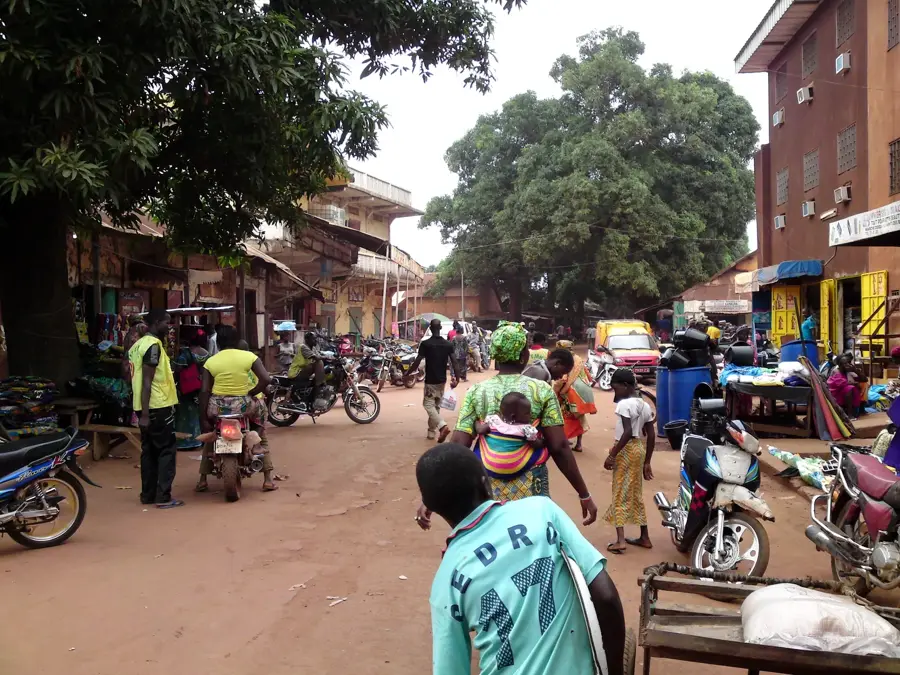
Kankan
Kankan is a historic city on the Milo River and a cultural center of the Mandinka people.
Learn more →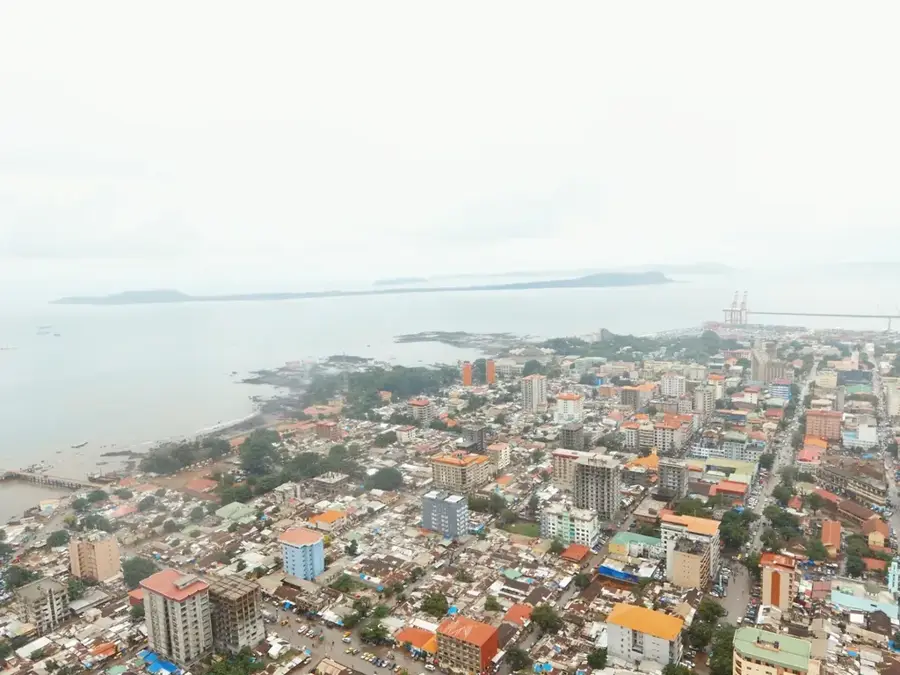
Conakry
Conakry is the capital of Guinea and a major port city on the Atlantic Ocean.
Learn more →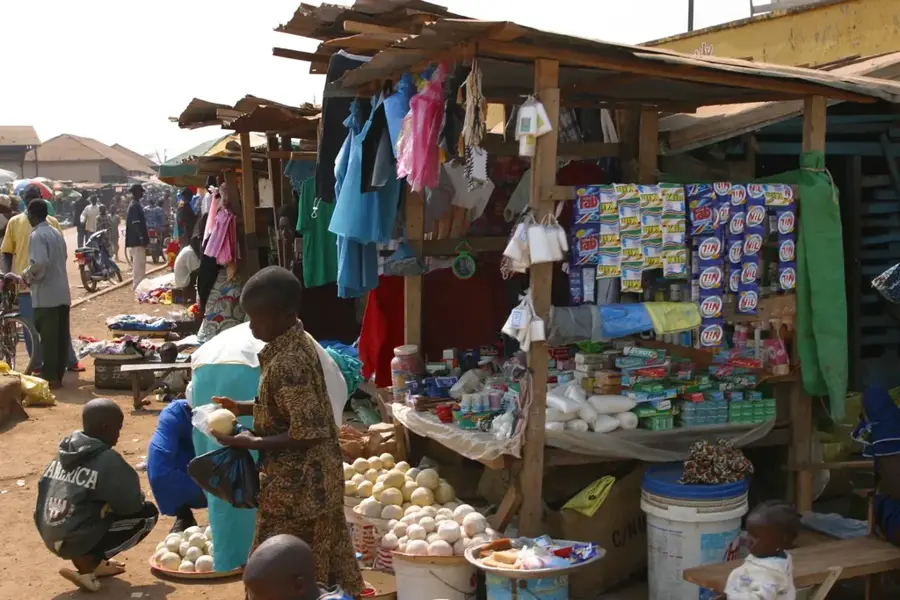
Kissidougou
Kissidougou is located in the Faranah region and is known for its coffee plantations.
Learn more →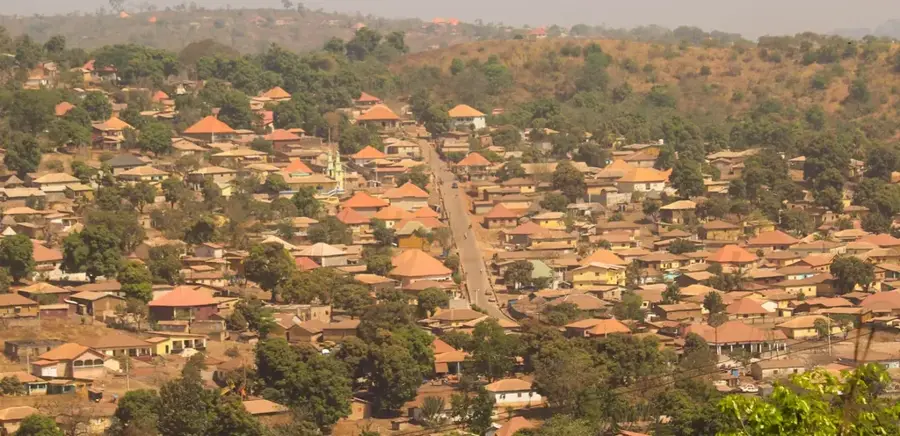
Mamou
Mamou is known as the 'crossroads city' because it lies on the connection between Conakry and the interior of the country.
Learn more →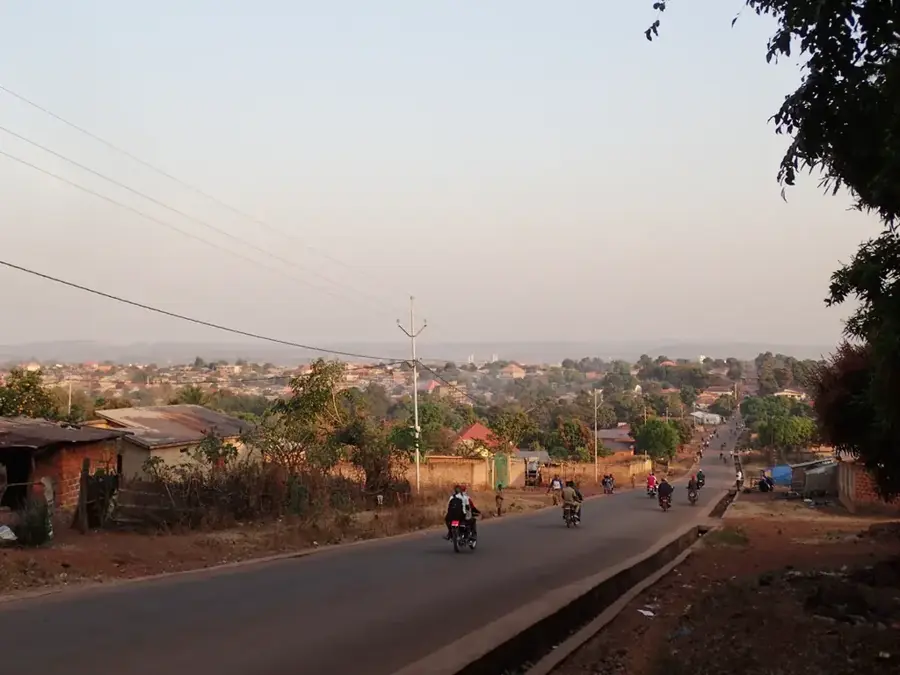
Labé
Labé is the capital of Middle Guinea and the heart of the Fouta Djallon.
Learn more →
Siguiri
Siguiri is located on the Niger River in northeastern Guinea and is famous for its gold mining.
Learn more →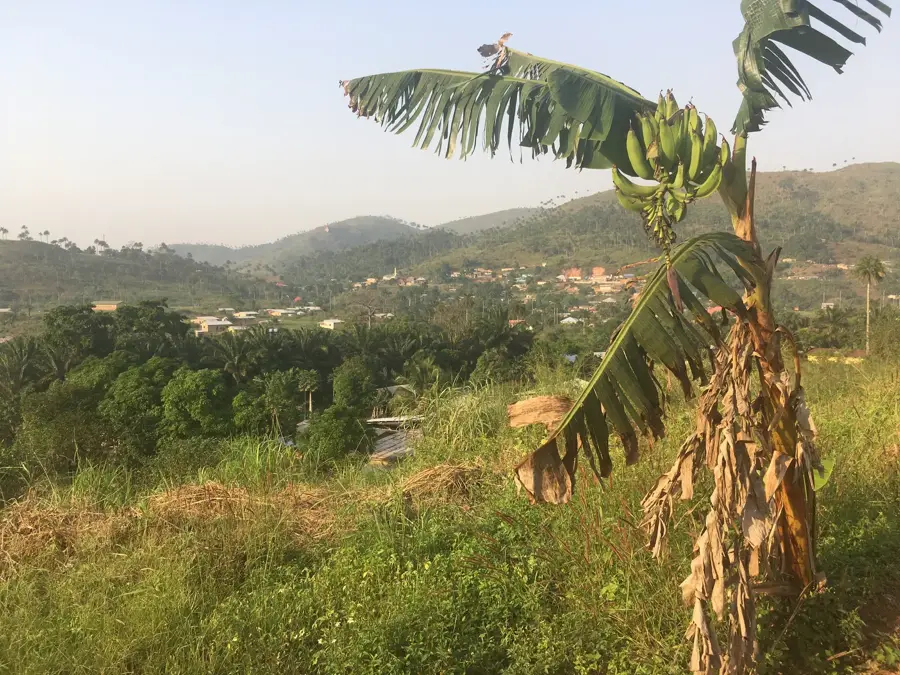
Macenta
Macenta is located in the forested region of southern Guinea and is an important site for research on tropical crops such as tea and coffee.
Learn more →
Lola
Lola is located in southeastern Guinea near the Nimba Massif.
Learn more →
Forécariah
Forécariah is located in southwestern Guinea near the border with Sierra Leone.
Learn more →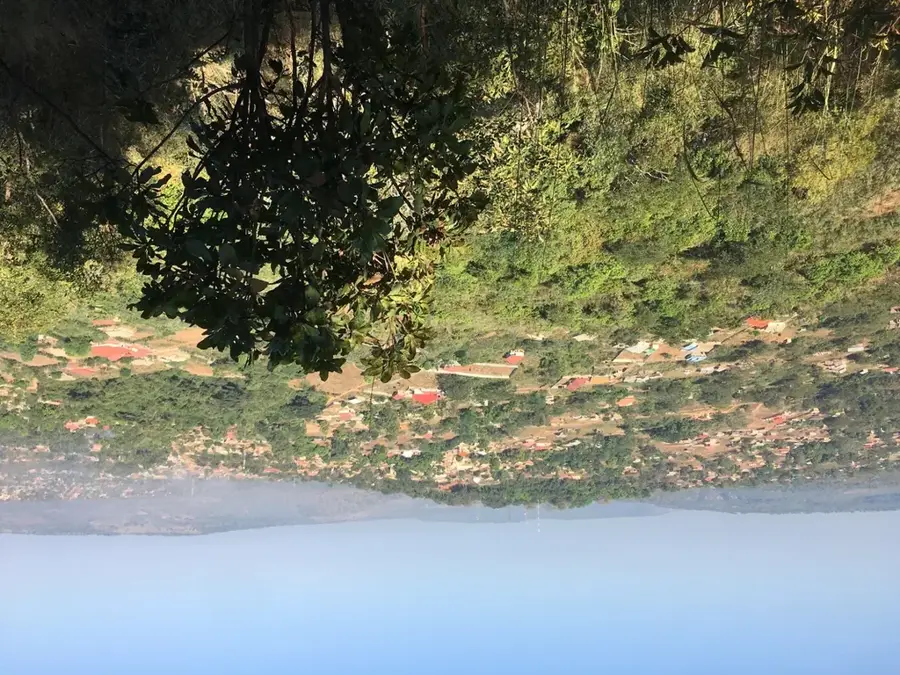
Télimélé
Télimélé is a city in the Kindia region known for its livestock farming and agricultural trade.
Learn more →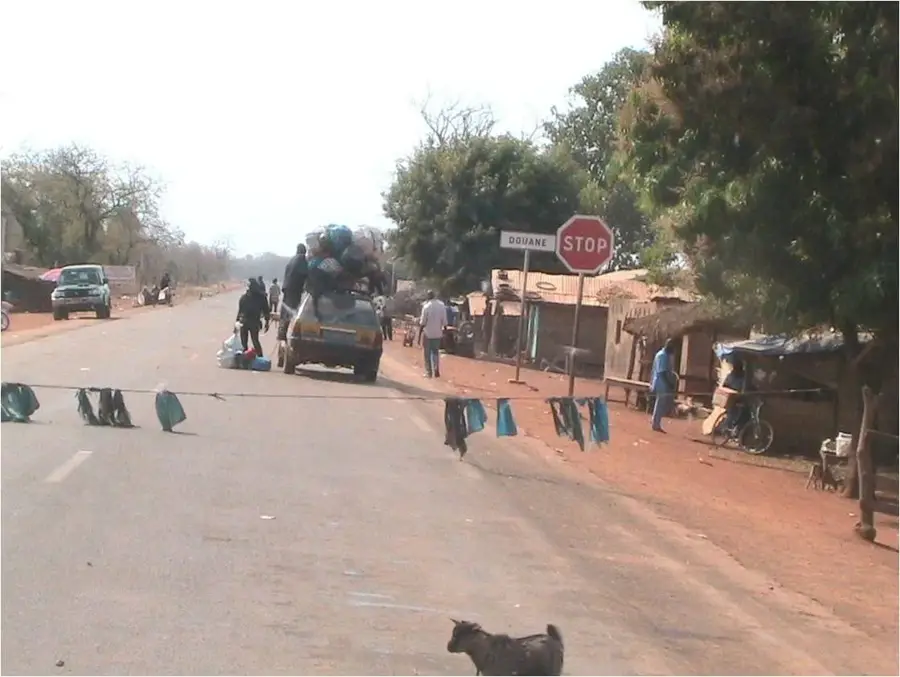
Koundara
Koundara is located in the far northwest of Guinea near the border with Senegal.
Learn more →
Niagassola
Niagassola is located in the north of the Kankan region and is known for its rich cultural history and the Sosso Bala, a sacred xylophone.
Learn more →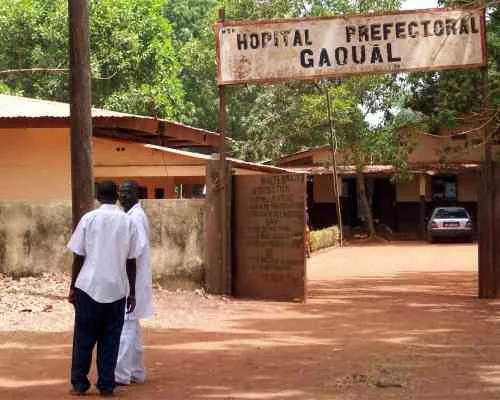
Gaoual
Gaoual is located in northwestern Guinea and is an important trade center for agricultural products in a drier region of the country.
Learn more →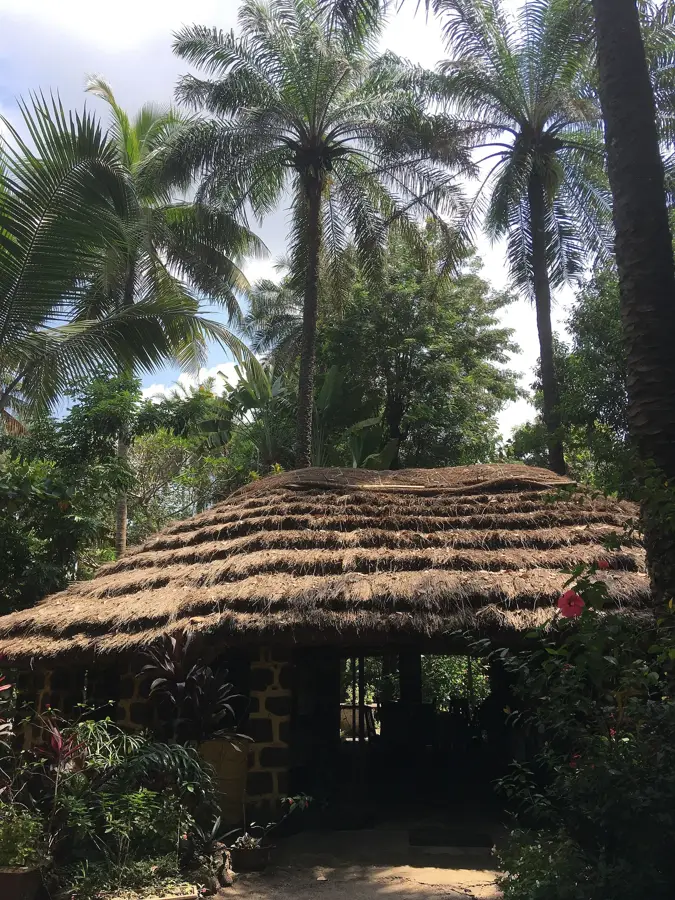
Coyah
Coyah is located near Conakry and is known for its natural water springs.
Learn more →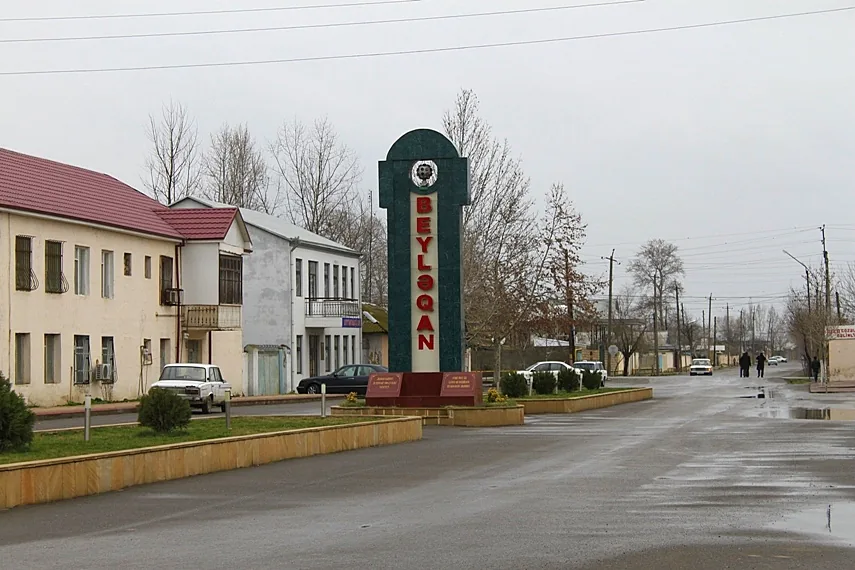
Beyla
Beyla is located in southeastern Guinea and is an important mining center for iron ore, notably through the Simandou project.
Learn more →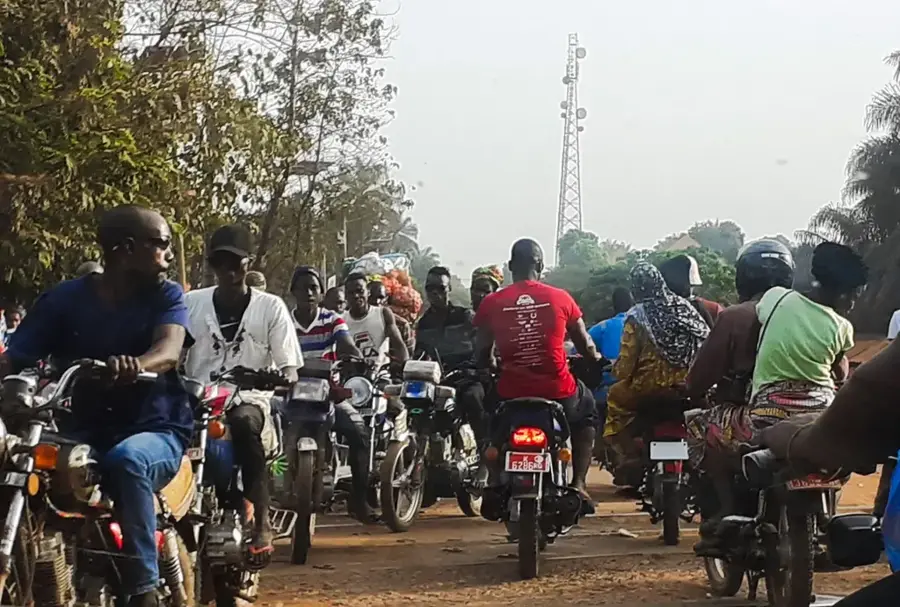
Kolaboui
Kolaboui is located in the Boké corridor and serves as an important logistical hub for transporting bauxite to the port of Kamsar.
Learn more →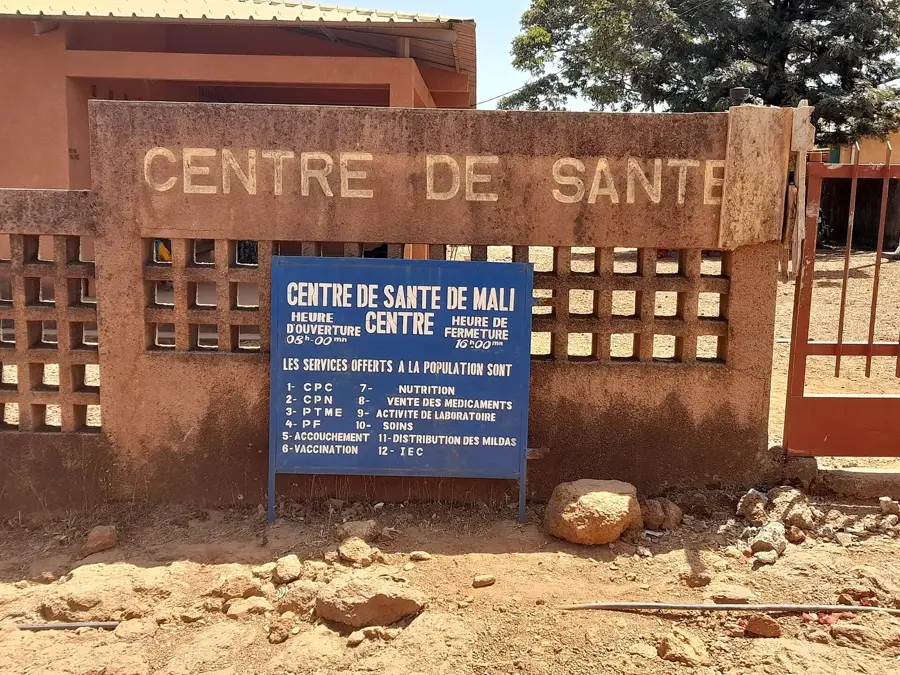
Mali
Mali (also called Mali-ville) is located in the Fouta Djallon mountains and is known for its cool climate and Mount Loura.
Learn more →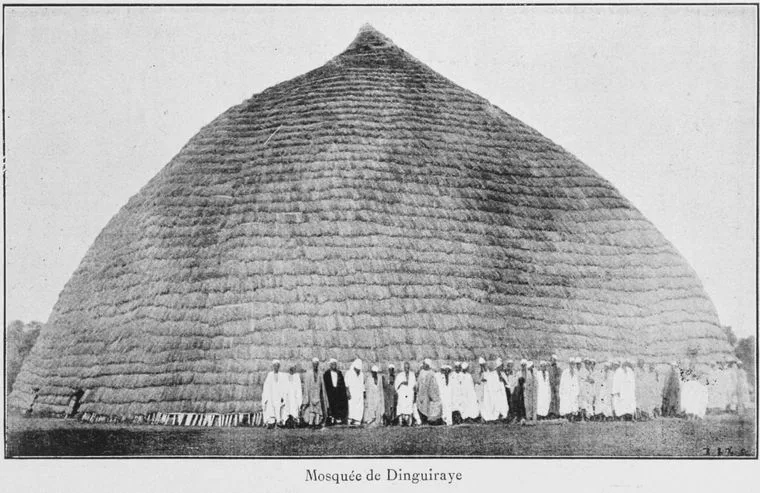
Dinguiraye
Dinguiraye is a holy city of Islam in Guinea, known for its great mosque and its role in the Toucouleur Empire.
Learn more →
Koubia
Koubia is a city in the Labé region, known for its traditional agriculture and livestock farming in the Fouta Djallon.
Learn more →
Boffa
Boffa is a port city on the Atlantic coast, known for its fishing and historic role in overseas trade.
Learn more →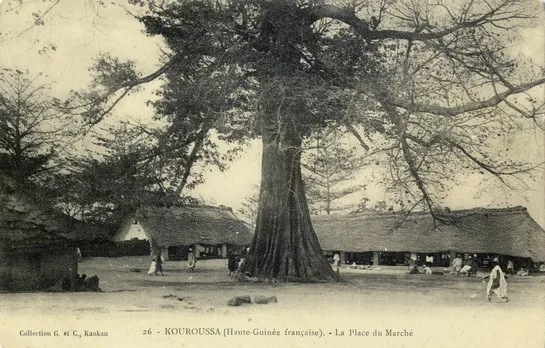
Kouroussa
Kouroussa is a city on the Niger River in the Kankan region.
Learn more →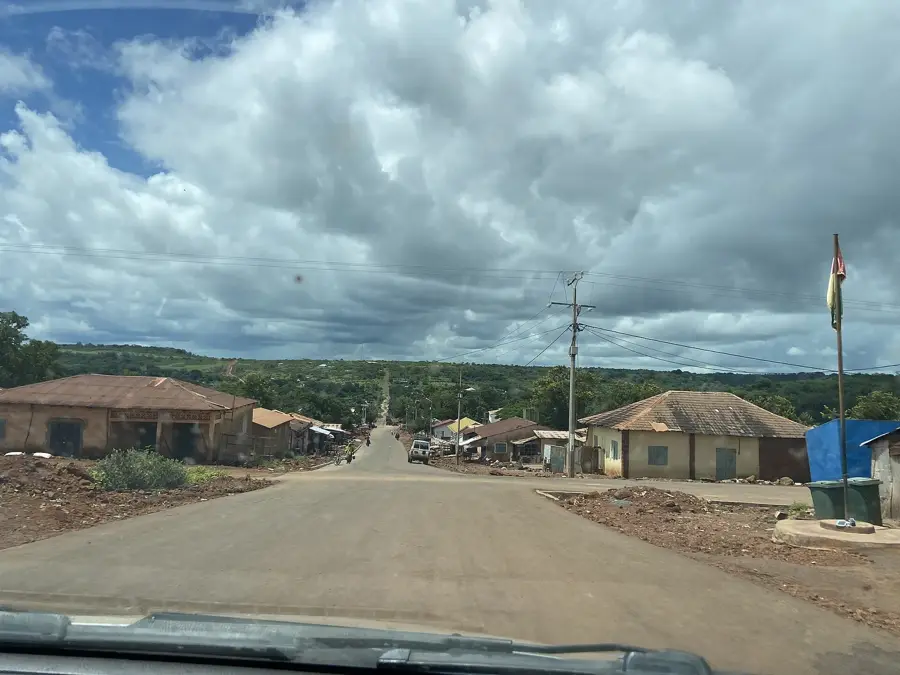
Tougué
Tougué is located in northern Middle Guinea and is a significant trade center for livestock and grain in the highlands.
Learn more →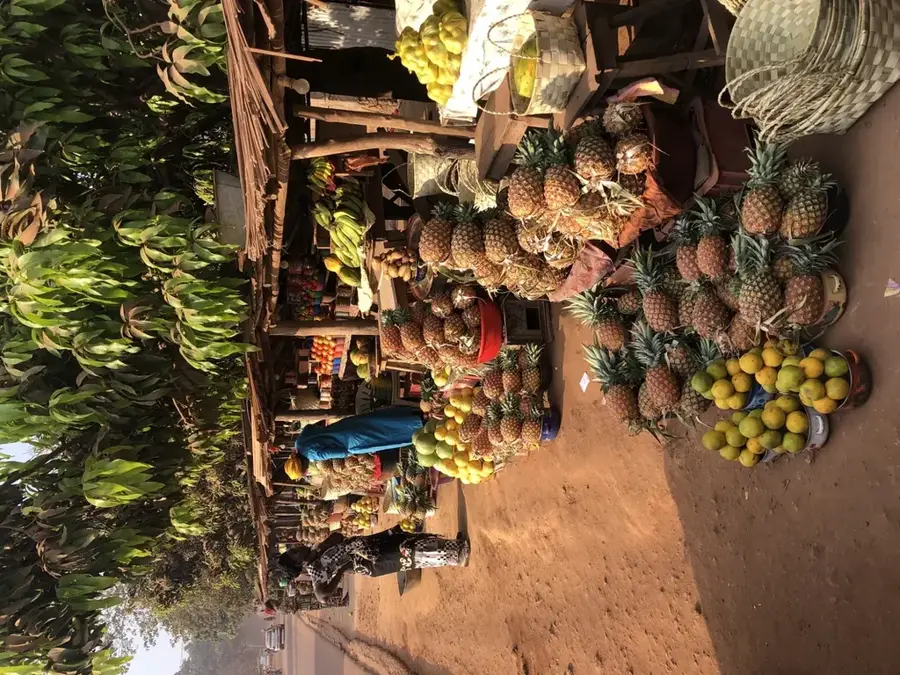
Friguiagbé
Friguiagbé is located in the Kindia prefecture and is a major producer of pineapples and other tropical fruits.
Learn more →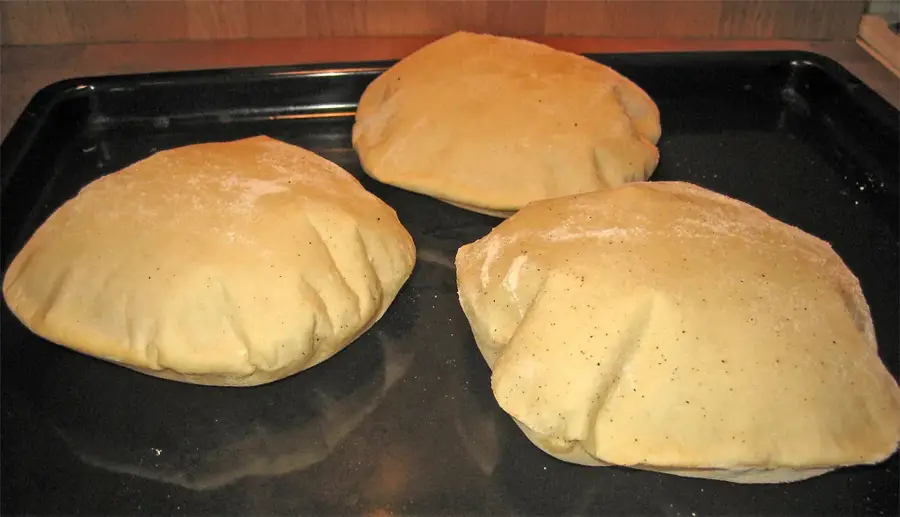
Pita
Pita is located in the Fouta Djallon mountains and is known for its spectacular waterfalls and traditional weaving.
Learn more →
Kérouané
Kérouané is located in southeastern Guinea and is known for its diamond deposits and trade in precious stones.
Learn more →
Salambandé
Salambandé is a rural town in the Labé region, known for its weekly market and grain cultivation.
Learn more →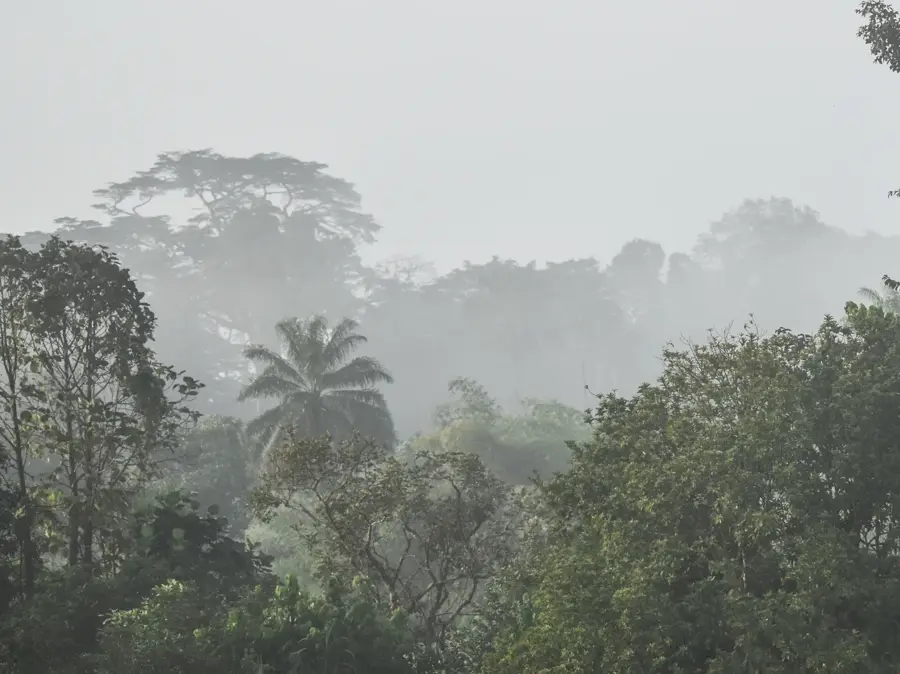
Ziama Massif
A biosphere reserve featuring Guinea's last primary rainforests and home to rare forest elephants.
Learn more →
Kambadaga Falls
Spectacular three-tiered waterfalls on the Kokoulo River in the heart of the Fouta Djallon highlands.
Learn more →
Diari
Diari is a significant religious and educational center in the Fouta Djallon highlands.
Learn more →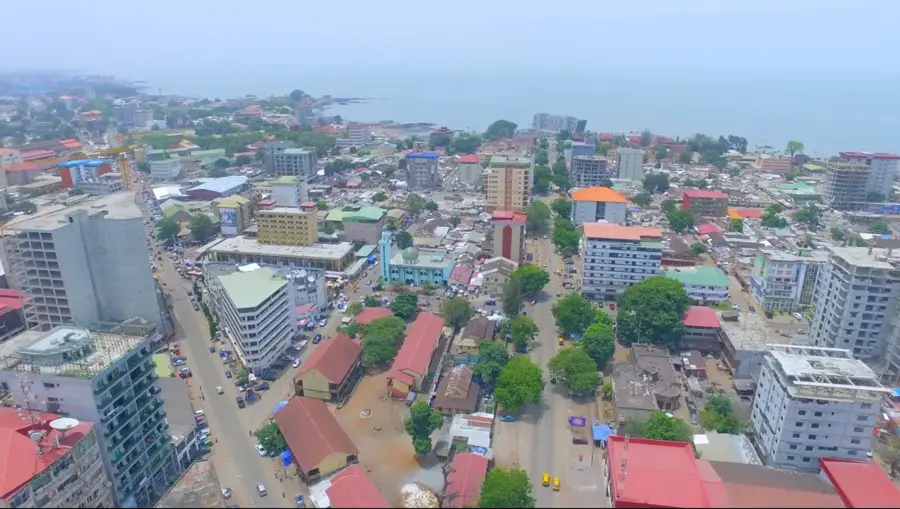
Conakry
The vibrant capital of Guinea, located on a peninsula on the Atlantic Ocean.
Learn more →Frequently asked questions
What are the largest cities in Guinea?
This page lists the most important cities by population – each with its own detail page, map and attractions.
How do I find attractions per city?
Click a city – the detail page lists the top attractions, a map and travel tips.